Facial contouring sagging after surgery: why your jawline can look older and which lifting options in Seoul actually help
New cheek or jawline sagging that appeared only after facial contouring usually means your soft tissue lost some of its bony support. Many people see this kind of looseness after facial contouring such as cheekbone reduction, square jaw reduction, V-line, or chin surgery.
This happens because the bone that used to support the soft tissue is reduced or moved, so skin, fat, and muscle can slide downward over time. Sagging can be reduced by careful preoperative planning, tailoring the amount of bone reduction, and combining lifting or volume procedures when needed. If sagging has already appeared, options range from non-surgical tightening to minimal-incision or full lifting, fat grafting, and in some cases revision contouring. For overseas patients, it is especially important to choose a clinic that understands both bone structure and soft tissue and works with strict safety systems.
What is facial contouring sagging
Facial contouring sagging refers to drooping of the soft tissue that appears after procedures such as cheekbone reduction, square jaw reduction, V-line surgery, or chin surgery.
When the facial bones are reduced in size or changed in position, the overlying skin, fat, and muscles lose some of their previous support. Over months, these tissues can slide downward under the influence of gravity and the natural healing process.
Patients may notice new jowls along the jawline, deeper nasolabial folds, marionette lines around the mouth, or a generally tired, older appearance. Sometimes the face can look hollow in the midface and heavier in the lower face at the same time.
For international patients, this is a common concern when researching facial contouring in Korea. Understanding why it happens and how it can be managed will help you discuss realistic plans with your surgeon before you travel.

How bone reduction changes soft tissue support
The facial skeleton is the framework that holds the soft tissue in place. When that framework is changed, the soft tissue will also change.
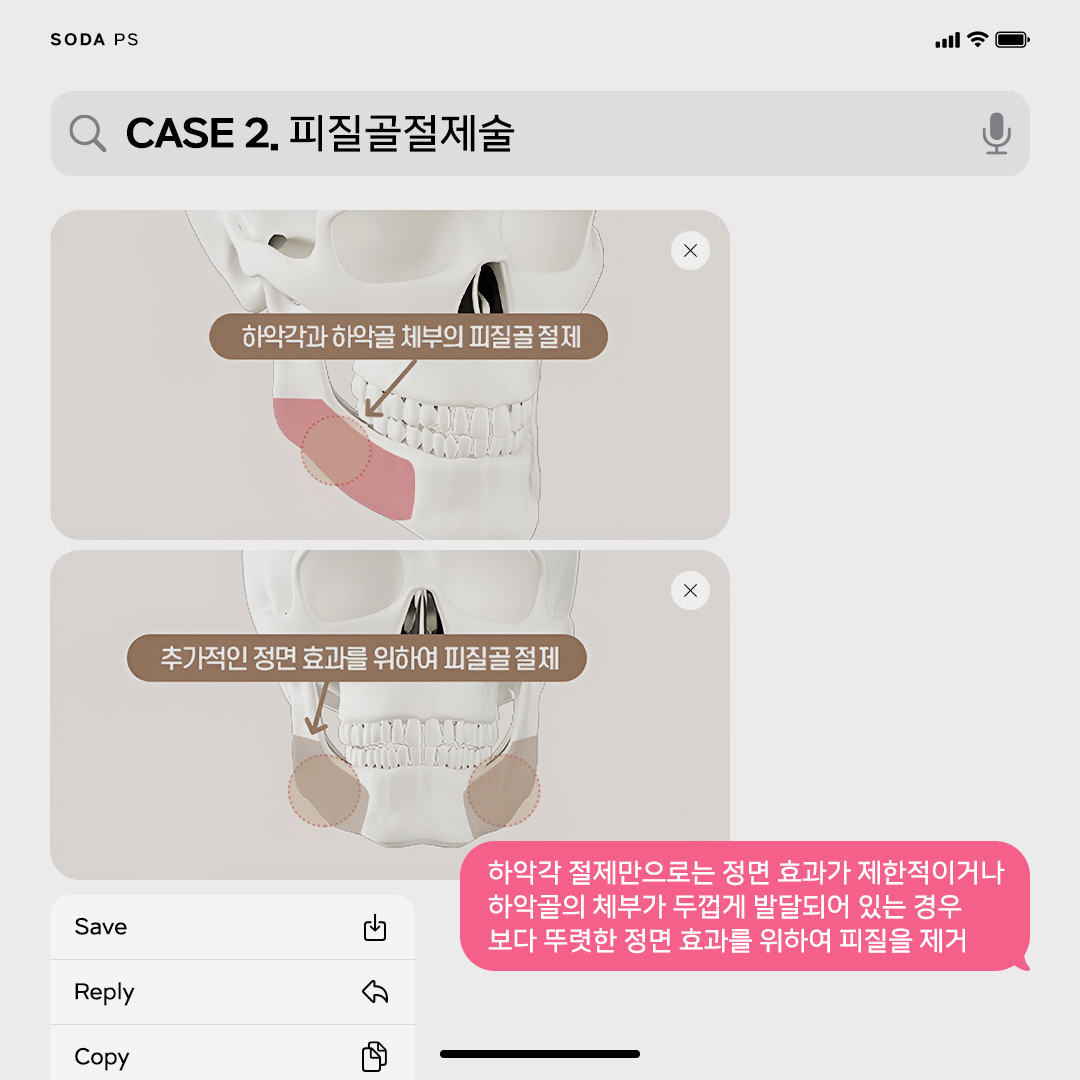
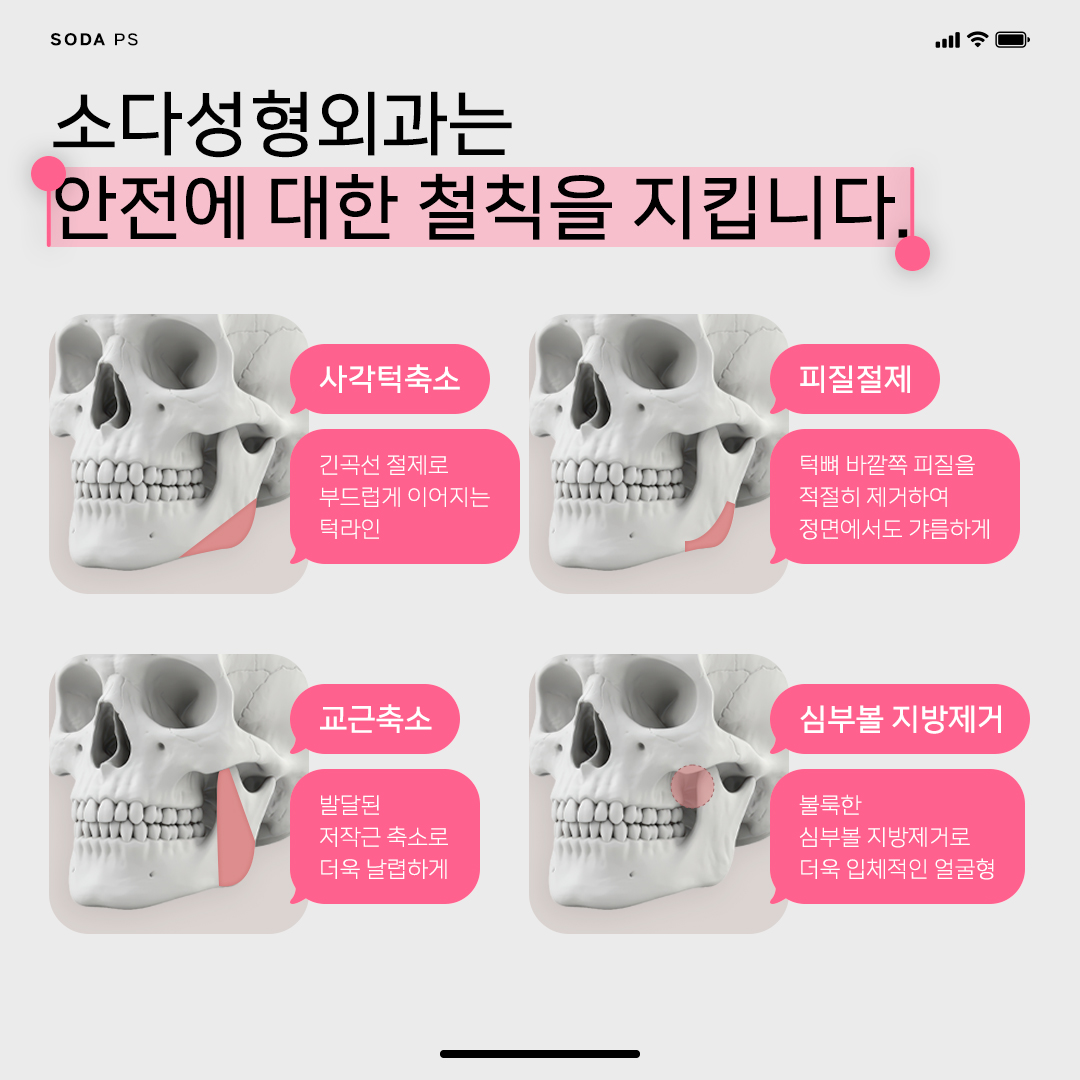
In cheekbone reduction, part of the zygomatic bone is reduced or repositioned to make the face look slimmer from the front and side. This can decrease the projection that used to support the cheek fat and skin. If the soft tissue is not well re-draped, it may slide downward and inward, leading to flat upper cheeks and heavier lower cheeks.
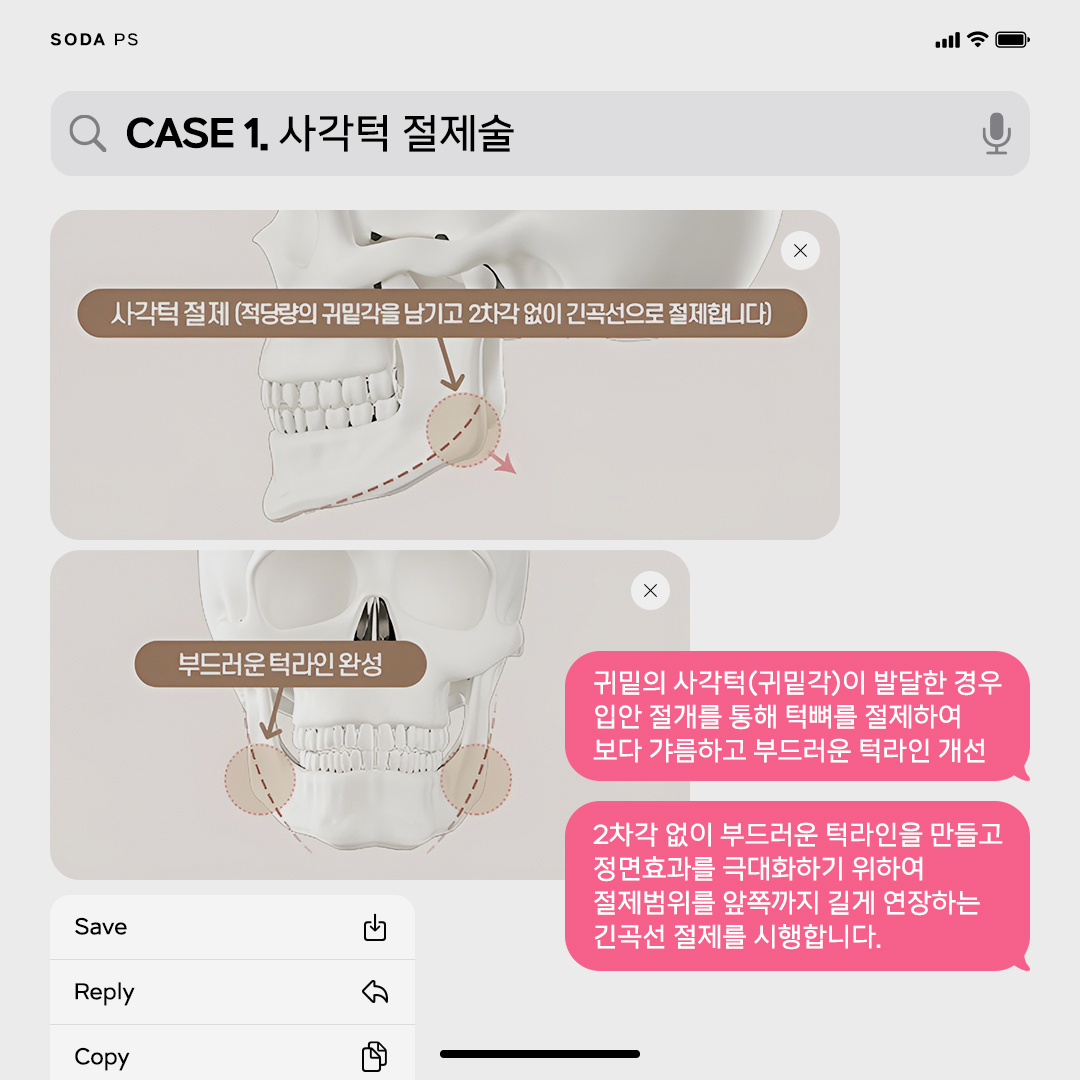
In square jaw and V-line surgery, the jaw angle and lower border of the mandible are reduced to create a slimmer jawline. This reduces the lateral support for the lower face. If too much bone is removed or if the soft tissue is heavy, the jawline can lose its sharpness and jowls can appear.
Chin surgery, including genioplasty or mini V-line, changes the length and projection of the chin. When the chin is shortened or set back, the tissues under the chin and along the front of the jaw can lose tension and appear looser.
These changes do not always cause visible sagging. Many patients heal with a smooth, youthful contour. The difference lies in individual risk factors and in how the surgery is planned and executed.
Why some people sag more after facial contouring
In real life, not everyone shows the same amount of looseness after the same type of bone surgery. Some patients notice only a slight change, while others feel that their cheeks or jawline suddenly look heavier or droopier.
Loss of bony support
The more bone volume is reduced, the more the supporting framework changes. Aggressive cheekbone reduction or strong angle reduction can leave soft tissue with less structure to cling to. If fixation is not stable or the bone segments are not positioned with soft tissue vectors in mind, tissues can gradually descend.
Skin elasticity and age
Younger patients with thick, elastic skin tend to adapt better to a smaller bone structure. Patients in their 30s or above, or those with thinner skin and weaker elasticity, are more likely to show sagging after the same degree of bone reduction. Previous weight loss, smoking, and sun damage can also reduce elasticity.
Soft tissue volume and heaviness
People with naturally fuller cheeks, thicker subcutaneous fat, or heavier lower facial tissue carry more weight on the facial skeleton. When bone is reduced, this heavier tissue has more tendency to slide downward, especially in the midface and jowl area.

Surgical technique
Excessive bone reduction without considering the skin and fat layer over the bone can increase sagging risk. Unstable fixation of cheekbone segments or overly aggressive angle resection may both contribute. A one-pattern approach that applies the same design to every face, regardless of skin and soft tissue, is less suitable.
Healing process over time
Right after surgery, swelling can actually mask sagging. The face may look tight and full. Over several months, as swelling decreases and scars mature, gravity begins to show its effect. Some patients only notice sagging six months to one year after the operation.
Previous surgeries
Patients who have already undergone facial contouring, orthognathic surgery, or multiple facial operations may have weakened soft tissue support and scarred planes. This can increase the risk of drooping after additional bone changes and makes planning more complex.
Prevention and planning before surgery
For patients who have not yet had facial contouring, prevention starts with careful planning. Especially if you are traveling from overseas, it is important to discuss these points in online consultation before booking your flight.
Preoperative evaluation
A detailed analysis of both bone and soft tissue is essential. Clinical examination, photographs from multiple angles, and imaging such as CT are commonly used. CT images help the surgeon understand your current bone thickness, shape, and symmetry, and how much reduction is realistically possible while maintaining support.
Soft tissue thickness, skin quality, and the distribution of facial fat should also be evaluated. This allows the surgeon to estimate your personal sagging risk.
Individualized bone reduction
Rather than following a fixed pattern, the amount and shape of bone reduction should be tailored to you. For example, a patient with thick, heavy cheeks and weaker elasticity may benefit from more conservative cheekbone reduction than someone with thin, tight skin.
Similarly, jaw angle and V-line design can be adjusted according to your lower face soft tissue volume. The goal is to balance a slimmer contour with enough structural support to reduce the chance of visible sagging.
Vector-conscious design
When planning bone cuts and fixation, the surgeon should consider how the overlying tissues will drape. In cheekbone surgery, the position and fixation of the zygomatic segment can influence whether the midface soft tissue is supported or allowed to fall.
Design that respects upward and backward support vectors can help the soft tissue settle in a more stable, lifted position rather than hanging downward.
Considering combined procedures
For patients with higher risk of sagging, combining facial contouring with lifting or volume procedures can be discussed.
Non-incisional or minimal-incision lifting can be performed at the same time as contouring in selected cases. This may help reposition soft tissue and maintain a youthful jawline. In some patients, fat grafting to the midface, nasolabial folds, or chin area can restore three-dimensional volume that might otherwise be lost with bone reduction.
These combinations should be individualized. Not everyone needs them, and combining too many procedures can increase swelling and recovery time, especially for overseas patients with limited stay.
During consultation, your surgeon should explain both the potential benefits in facial shape and the realistic risks, including sagging and long-term aging changes. Understanding this before surgery helps you make an informed decision and reduces disappointment later.
Who may consider sagging-focused facial contouring or revision
There are several groups of patients who may benefit from sagging-conscious planning or from revision and lifting.
Patients planning first-time facial contouring
If you are considering cheekbone reduction, square jaw reduction, V-line, or chin surgery for the first time and you are in your 30s or older, have thinner skin, or have heavy soft tissue, it is especially important to discuss sagging risk.
Patients with visible sagging after contouring
If you already had facial contouring and now notice jowls, deeper folds, or a tired look that was not present before, you may be a candidate for lifting, fat grafting, or revision contouring.
Patients with asymmetry or over-reduction
If the previous surgery removed too much bone or created asymmetry, the soft tissue may be poorly supported. In these cases, revision bone work may be needed as a base before lifting.
Patients seeking long-term facial balance
Some patients are less focused on extreme slimming and more interested in balanced, age-appropriate facial harmony. For them, a combination of moderate contouring, volume maintenance, and subtle lifting may be more suitable.
Improvement options when sagging already exists
If sagging has already appeared after facial contouring, there are several possible approaches. The best choice depends on your age, skin quality, degree of sagging, and the details of your previous surgery.
Non-surgical lifting
For mild sagging, especially in younger patients with relatively good elasticity, non-surgical options may help. Thread lifting (using dissolvable threads placed under the skin) can support the tissues and stimulate collagen in the midface and jawline. Energy-based devices such as ultrasound or radiofrequency machines can heat and tighten the deeper layers of the skin.
These methods have shorter recovery times, which can be convenient for overseas patients. However, their effect is usually more limited than surgical lifting, and maintenance treatments may be needed.
Minimal-incision lifting
For moderate sagging, a short-scar or minimal-incision facelift can reposition descended tissues around the jawline and lower face. Incisions are typically placed around the ear or in the hairline to keep scars relatively hidden.
This type of lift focuses on tightening the deeper support layers, not just the skin. It can be combined with fat grafting or contouring revision if needed. Recovery is longer than non-surgical methods but often shorter than a full facelift.
Full facelift or neck lift
In more severe cases, or in older patients with significant jowls, neck bands, and deep folds, a more extensive lift may be required. A full facelift and neck lift can address the midface, jawline, and neck in a more comprehensive way.

For patients who have already had strong bone reduction, restoring the soft tissue position can make the facial shape look more balanced and less tired. Because this is a larger operation, careful planning and enough time in Korea for recovery and follow-up are important.
Volume restoration with fat grafting
After aggressive bone reduction, some patients feel their midface looks hollow or flat. Fat grafting to the cheeks, nasolabial folds, marionette lines, and chin can restore three-dimensional balance.
Volume restoration can also support the overlying skin and improve the transition between facial zones. Fat grafting is often combined with lifting to address both sagging and hollowing.
Revision facial contouring
If the underlying bone structure is over-reduced, asymmetrical, or poorly fixed, simply lifting the soft tissue may not be enough. In these cases, revision contouring may be recommended.
Revision may involve adjusting cheekbone position, correcting jaw angle shape, or modifying chin projection to restore more natural support. CT imaging is very helpful to understand the current bone situation, including previous plates or screws, before planning revision.
Timing of revision or lifting
It is usually advisable to wait several months after the original surgery before deciding on revision or lifting, unless there is a clear complication that needs immediate attention.
Swelling and tissue remodeling continue for months. Many surgeons prefer to reassess around six months to one year after contouring to see the stable result. For overseas patients, online follow-up with photos and, if available, updated imaging can help decide the right timing.
Online consultation and pre-visit preparation
For international patients, a thorough online consultation is essential before traveling to Seoul.
Sharing medical information
Prepare clear front, oblique, and side photos of your face and neck in good lighting, without filters. If you already had facial contouring, send any previous CT images, operative records, or notes you may have.
Inform the clinic about your age, medical history, medications, allergies, and any previous facial procedures. This helps the surgeon estimate your sagging risk or understand the cause of your current sagging.
Clarifying your priorities
Before consultation, it can be helpful to write down your main concerns. For example, whether you are more worried about jowls, midface hollowness, or asymmetry. Also consider how much downtime you can realistically manage during your stay in Korea.
During online consultation, ask how the clinic evaluates bone and soft tissue together, what imaging they use, and whether they often combine contouring with lifting or volume procedures. Clarify whether they recommend staged procedures or a single-stage approach in your case.
Before you decide on surgery, it is helpful to have a clear conversation with your surgeon about a few key points. For example, you can ask how much bone reduction is realistically possible in your case without making sagging worse, and what the plan would be if looseness appears later on. You can also check whether lifting or volume procedures are likely to be recommended together with contouring in your situation, so you are not surprised by additional steps after surgery.
Preoperative day or two
After arrival in Seoul, you will usually visit the clinic for in-person consultation, examination, and imaging such as CT. The surgeon confirms the plan, explains details again, and answers any remaining questions.
You may also meet the anesthesia team, have blood tests, and review consent forms. For complex revision or combined lifting, this planning step is especially important.
Surgery day
On the day of surgery, you arrive fasting as instructed. A board-certified anesthesiologist, when present as anesthesia director, manages anesthesia, monitoring, and safety throughout the procedure.
If you are having both contouring and lifting or fat grafting, the operation time will be longer than contouring alone. After surgery, you will stay in the recovery area until you are stable.
Early recovery in Seoul
For bone contouring, most patients stay in Korea at least 7 to 14 days, sometimes longer for complex revision or lifting. During this period, you will have follow-up visits for dressing changes, swelling checks, and suture removal if needed.
Swelling and bruising are expected. The clinic will provide instructions on medication, cold or warm compresses, sleeping position, and activity restrictions. If you had lifting, you may also receive guidance on scar care and gentle massage timing.
Return home and remote follow-up
After returning home, you can usually continue follow-up via online consultation, sharing photos at set intervals. If you had revision contouring, CT comparison at a later time can be helpful to confirm bone healing and position.
Healing continues for several months, and the final contour and degree of sagging improvement become clearer over time.
Aftercare and long-term management
Proper aftercare supports both safety and aesthetic outcome.
Short-term aftercare
Follow all instructions about oral hygiene, diet, and activity after bone surgery. Avoid smoking and heavy exercise during the early healing period. Keep your head elevated when sleeping to reduce swelling.
If you had lifting, protect your incisions from tension and avoid turning your head sharply. Use prescribed ointments or scar care products as directed.
Medium- to long-term care
Maintain a stable weight, as large weight changes can affect facial volume and sagging. Protect your skin from sun exposure to help preserve elasticity. Gentle facial massage or exercises may be recommended at a certain stage, depending on your surgeon’s advice.
If you notice new asymmetry, unusual pain, or sudden changes, contact the clinic promptly, even if you are back in your home country.

How to choose a clinic for facial contouring and sagging correction
For overseas patients, selecting a clinic that can manage both bone and soft tissue, with clear safety systems, is especially important because returning for revision or follow-up surgery is not easy. In this situation, it is better to choose a clinic that can plan your bone surgery and soft tissue correction together in one treatment plan.
Focus on facial contouring and revision
Look for a center where facial contouring and revision contouring are a major focus of the practice, rather than a small part of a broad menu. High case volume in cheekbone, square jaw, V-line, mini V-line, and chin surgery suggests experience with different facial types.
Experience with revision and sagging
If you are seeking help for existing sagging or previous surgery, check whether the clinic shows documented revision cases, including pin removal and complex contouring. Before-and-after CT images can indicate that the team is comfortable analyzing and operating in previously altered anatomy.
Integrated view of bone and soft tissue
During consultation, the surgeon should be able to explain how planned bone changes will affect your skin, fat, and muscles, and propose a combined plan when needed. This may include contouring plus lifting, or contouring plus fat grafting.
Transparent imaging and records
Use of CT comparison and clear pre- and post-operative documentation suggests systematic planning and follow-up. For overseas patients, this transparency helps you understand what was done and how your anatomy changed.
Anesthesia and safety systems
Ask who is responsible for anesthesia. A board-certified anesthesiologist serving as anesthesia director can explain monitoring and emergency protocols.
Concrete safety measures such as named operating-room policies, CCTV in the operating room, emergency drugs like dantrolene, uninterruptible power supply, central monitoring, and gas leak alarms indicate a structured safety culture. These details are especially reassuring when you are having complex contouring or revision far from home.
Consultation quality
During consultation, notice whether the surgeon discusses not only the desired face shape but also the risk of sagging, possible need for lifting, and long-term aging changes. A realistic, balanced explanation is more helpful than promises of dramatic change.

Clinic context in Gangnam-daero, Seocho-gu
In Seocho-gu on Gangnam-daero, there are clinics that concentrate on facial contouring and revision. Some are led by board-certified plastic surgeons who focus on facial contouring and revision.
Such clinics often present many CT-based before-and-after cases, including revision and pin removal, to show how they analyze bone changes. A dedicated anesthesia director and a published multi-point safety system, including operating-room identification, CCTV, emergency drug preparedness, uninterruptible power supply, central monitoring, and gas leak alerts, can be part of their structure.
For overseas patients, this type of environment may be suitable when considering complex facial contouring with sagging correction or lifting.
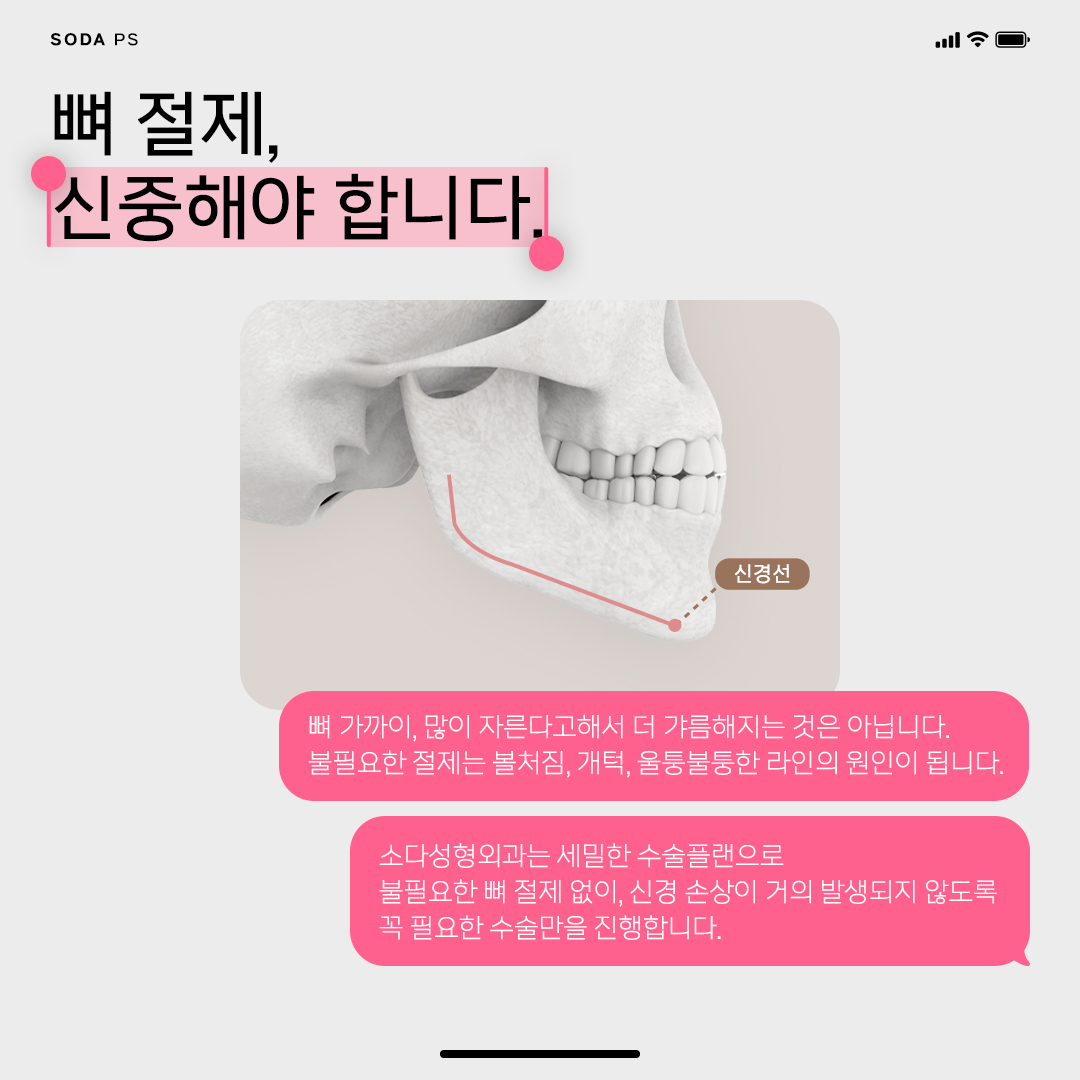
Individual factors such as age, skin elasticity, and soft tissue volume also play a role. Surgical technique, including how much bone is removed and how the bone segments are fixed, can influence how well the soft tissue is supported after surgery.
Realistic counseling before surgery is important. Some degree of tissue change is natural as swelling resolves and as you continue to age. Discuss your personal risk and possible preventive strategies with your surgeon.
If there is a clear complication, such as severe asymmetry or hardware problems, earlier intervention may be considered. The appropriate timing should be decided after examination and, if possible, imaging.

Is it safe to combine facial contouring and lifting in one trip to Korea
Combining facial contouring and lifting can be considered in selected patients, but it increases the complexity and recovery demands. Safety depends on your general health, the extent of each procedure, and the clinic’s experience and systems.
If you are traveling from overseas, you should plan enough time in Korea for preoperative evaluation, surgery, and follow-up. Discuss with the clinic whether a single-stage or staged approach is safer and more suitable for your situation.
Soft call to action
If you are considering facial contouring in Korea and are worried about sagging, or if you already notice drooping after previous surgery, an individualized assessment is the first step. In many cases, simple skin tightening alone is not enough when the problem started from bone reduction.
It can be helpful to be evaluated at a clinic that has experience with post–bone surgery sagging and can look at both your facial skeleton and the overlying soft tissue together. Through online consultation, you can share your photos, imaging, and concerns, and receive a plan that considers both bone structure and soft tissue.
Managing facial contouring sagging is not only about pulling the skin. It requires understanding and, when needed, correcting both the skeletal framework and the overlying tissues. Taking time to choose an experienced, safety-focused clinic on Gangnam-daero in Seocho-gu, and to prepare carefully before your visit, can help you move toward a balanced and natural result.






댓글
댓글 쓰기