Facial Contouring Surgery Side Effects: A Practical Guide for International Patients in Korea
Direct answer summary
Facial contouring surgery can refine the cheekbones, jawline, and chin, but like any bone surgery it carries possible side effects and complications. Normal short term reactions include swelling, bruising, temporary numbness, and chewing discomfort. More serious problems such as prolonged numbness, asymmetry, contour irregularities, or bite changes are less common but can occur and sometimes require revision surgery.
Understanding these risks, choosing a qualified surgical and anesthesia team, and following careful aftercare are key to reducing problems. If you already had facial contouring and are unhappy or uncomfortable, revision facial contouring may be considered after detailed evaluation.
This guide explains typical side effects, how they differ from complications, how risks can be reduced, and what to expect if you visit a facial contouring focused plastic surgery clinic in Seoul such as SODA Plastic Surgery.
What is facial contouring surgery
Facial contouring surgery is a group of bone reshaping procedures designed to refine the midface and lower face. It usually includes:
Cheekbone reduction and mini cheekbone surgery, which reduce prominent zygomatic bones to create a smoother side profile.
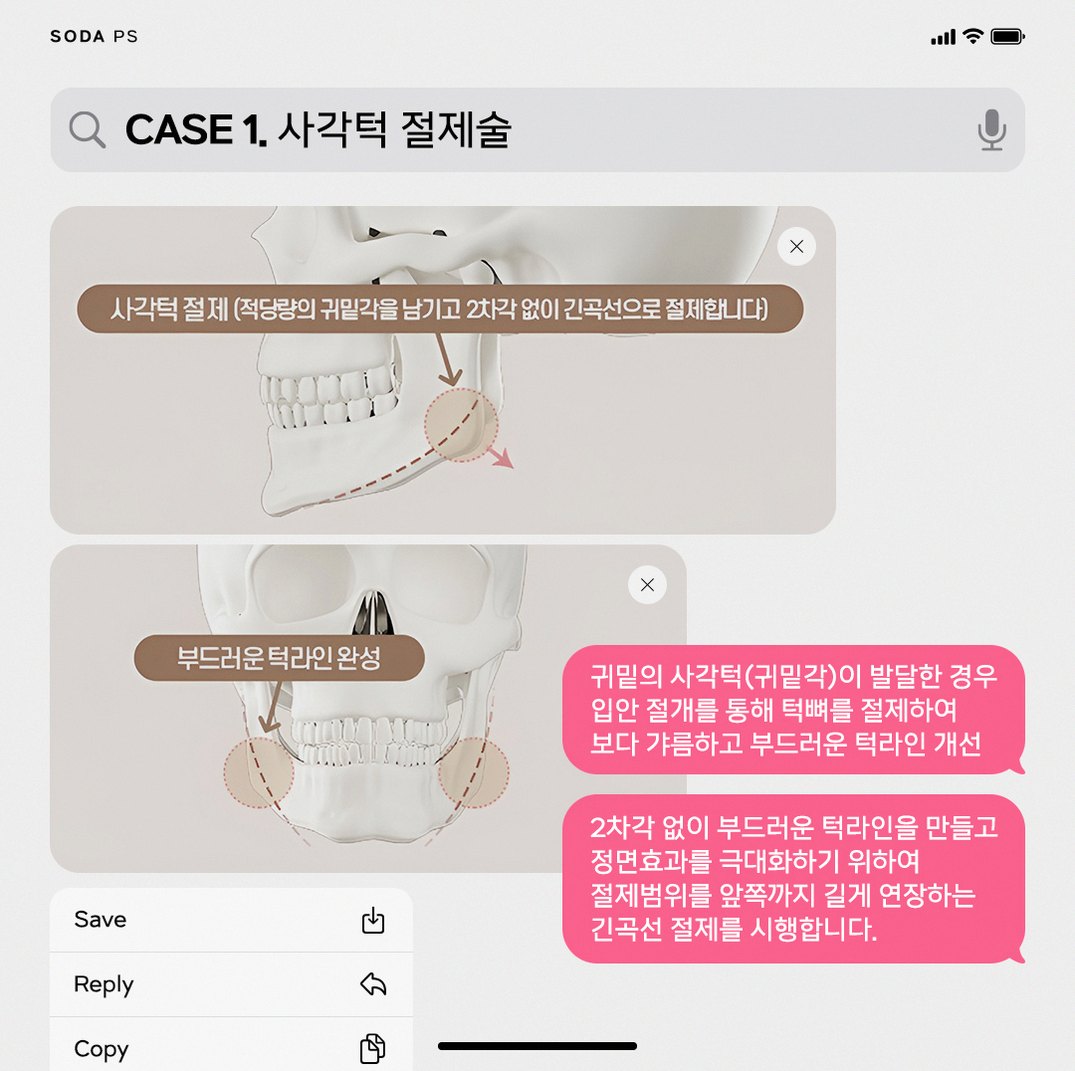
Square jaw reduction and V line surgery, which trim the jaw angles and lower border of the mandible to create a slimmer jawline.
Mini V line surgery, a more limited version focusing on selected areas of the jaw.
Chin surgery, which adjusts the length, width, and projection of the chin through bone cutting and repositioning.

These operations are typically performed under general anesthesia. The surgeon cuts and reshapes the facial bones, then fixes them in the new position with plates and screws when needed. Because the facial nerves, sinuses, and jaw joints are nearby, it is important to understand possible side effects before deciding.
Typical side effects versus complications
After facial contouring surgery, every patient experiences some degree of reaction. It is important to distinguish normal, temporary changes from true complications that require special management.
Normal short term reactions
These are expected and usually improve gradually over days to weeks:
Swelling of the face, often more pronounced in the first week and then slowly decreasing.
Bruising around the cheeks, jawline, or neck.
Temporary numbness or reduced sensation in the cheeks, lower lip, or chin.
Tightness or stiffness in the lower face.
Mild asymmetry during the healing phase, as swelling is rarely perfectly even on both sides.
Discomfort when chewing and temporary limitation of mouth opening.
General fatigue and a feeling of heaviness in the face.
With appropriate care and follow up, these reactions usually settle as the bone and soft tissues heal.
Potential complications
Complications are less common but more serious. They can occur with any facial bone surgery and their frequency varies according to individual anatomy, surgical method, and post operative care.
Possible complications include:
Prolonged or permanent numbness due to nerve injury.
Infection in the surgical area or around fixation plates.
Hematoma, which is a collection of blood that may require drainage.
Delayed bone healing, malunion, or nonunion, where the bone heals in an imperfect position or does not unite properly.

Noticeable asymmetry between left and right sides after swelling has resolved.
Contour irregularities such as step deformities or uneven bone edges.
Problems with bite or jaw joint function, including difficulty closing the teeth comfortably or temporomandibular joint discomfort.
Visible scars if external incisions are used, for example near the ears or under the chin.
Sinking or hollowing of the cheeks if bone support is reduced too much.
Sagging of soft tissue in the midface or lower face.
Significant dissatisfaction with the aesthetic result.
Some complications can be managed with medication, physical therapy, or minor procedures, while others may require revision facial contouring after sufficient healing time.
Side effects by procedure type
Different facial contouring procedures have different patterns of risk because they involve different parts of the facial skeleton.
Cheekbone reduction and mini cheekbone surgery
These procedures reduce the prominence of the zygomatic bone and arch. Possible side effects and complications include:
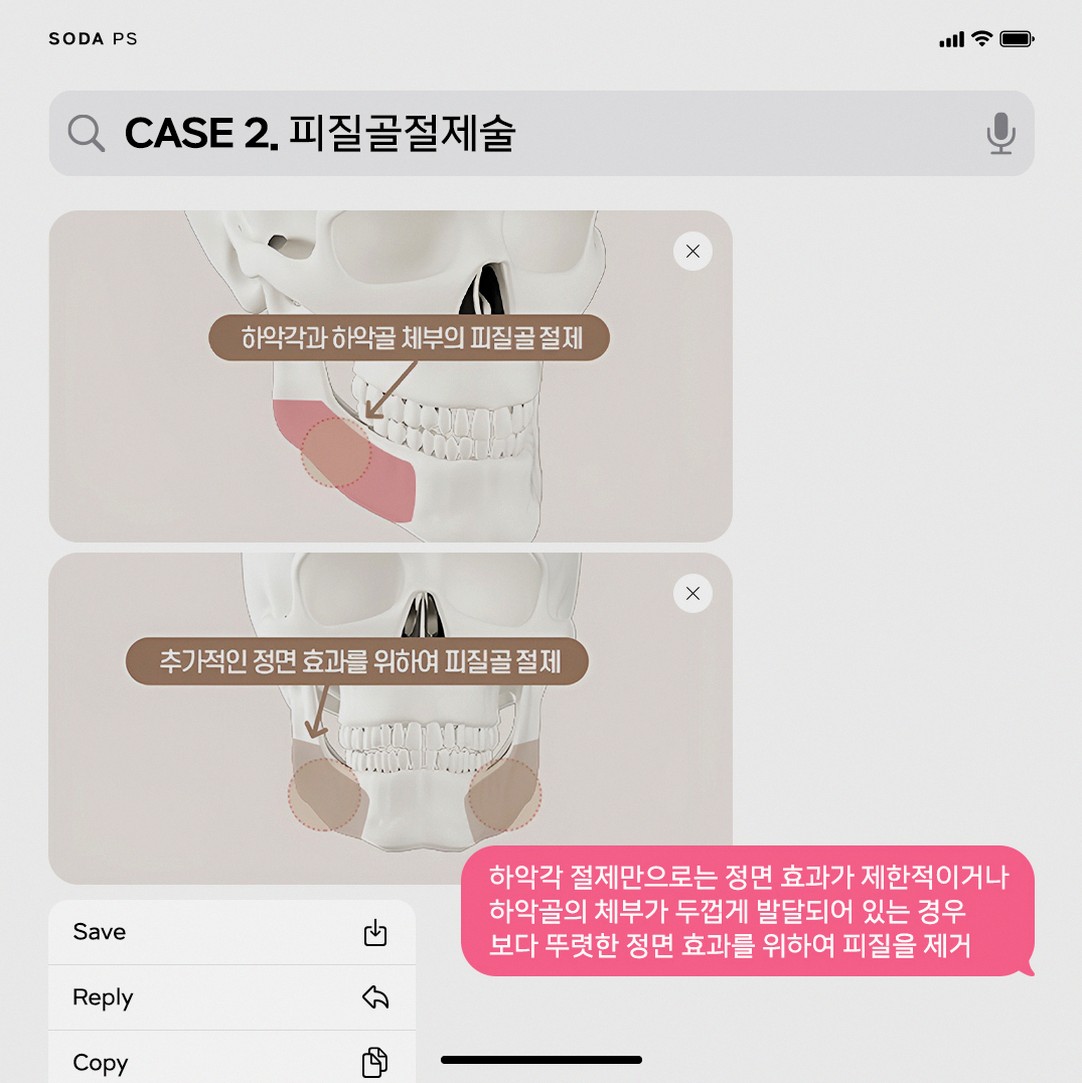
Cheek flattening or hollowing if the bone is over reduced, leading to a tired or aged appearance.
Step deformity or irregular contour at the zygomatic arch where the bone is cut and repositioned.
Asymmetry between left and right cheeks.
Midface soft tissue sagging if the support for the cheek fat and skin is weakened.
Sinus related issues, such as discomfort or congestion, because the maxillary sinus is nearby.
Prolonged numbness around the cheeks or under the eyes due to nerve irritation.
Square jaw reduction and V line surgery
These procedures reshape the lower border and angles of the mandible. Possible side effects and complications include:
Over resection of the jaw angle, leading to an overly narrow or aged looking lower face.
Irregularities at the jaw angle or along the lower border of the mandible.
Step deformities where different bone segments meet.
Asymmetry of the jawline when viewed from the front or side.
Changes in chewing function if the jaw is altered without sufficient consideration of bite and muscle balance.
Temporomandibular joint discomfort or pain.
Prolonged numbness along the lower lip and chin due to involvement of the inferior alveolar nerve.
Chin surgery
Chin surgery often involves cutting the front part of the mandible and shifting it forward, backward, up, or down. Possible side effects and complications include:
Chin deviation to one side if the bone segment is not aligned correctly.
A chin that appears too long, too short, or too pointy for the face.
Mental nerve injury leading to numbness of the lower lip and chin.
Contour irregularities at the osteotomy line.
Issues related to fixation plates or screws, such as irritation, palpability, or the need for later removal.
General anesthesia related risks
Because facial contouring is usually performed under general anesthesia, there are anesthesia related considerations:
Nausea and vomiting after waking from anesthesia.
Sore throat or hoarseness due to the breathing tube.
Rare but serious anesthesia complications, which require systematic monitoring by an anesthesiology specialist.
In a structured clinic setting, anesthesia is typically managed by a board certified anesthesiology and pain medicine specialist, with continuous monitoring throughout the procedure.
Causes and risk factors for side effects
Side effects and complications usually arise from a combination of surgical, anatomical, and patient related factors. Common contributing factors include:
Inadequate pre operative analysis of bone structure and soft tissue, leading to misjudgment of how the face will look after bone reduction.
Insufficient consideration of bite, jaw joint, and functional aspects, focusing only on appearance.
Overly aggressive bone reduction aimed only at making the face smaller, without preserving structural support.
Lack of individualized design, using the same pattern for every patient regardless of their unique anatomy.
Inaccurate osteotomy lines or unstable fixation, resulting in asymmetry or irregularities.
Poor infection control or insufficient post operative management.
Patient related factors such as smoking, uncontrolled systemic disease, or poor compliance with aftercare instructions.
How to reduce the risk of side effects
While no surgery can be completely risk free, several steps can help reduce the likelihood and severity of side effects.
Thorough pre operative consultation
A detailed consultation with a board certified plastic surgeon who focuses on facial contouring is essential. During this consultation, the surgeon should:
Review your medical history, medications, and any previous facial surgeries.

Discuss your expectations and explain what is realistically achievable.
Assess your bite, jaw function, and facial balance, not just bone size.
Explain possible side effects and limitations so you can make an informed decision.
Imaging and planning
Advanced imaging, such as CT scans, helps analyze:
Bone thickness and shape.
The course of important nerves.
The relationship between cheekbones, jaw, chin, and soft tissues.
Careful pre operative planning using these images can help avoid nerve damage, over resection, and unstable bone segments.
Individualized design
Rather than copying a single ideal face shape, the surgical plan should be tailored to your own features. This means:
Adjusting the degree and location of bone reduction according to your facial proportions.
Considering how soft tissue will drape over the new bone structure.
Balancing the midface, jaw, and chin for overall harmony.
Conservative approach
A conservative, safety oriented approach aims to:
Avoid excessive bone removal.
Maintain adequate support for soft tissues.
Protect nerve pathways and jaw function.
In some cases, slightly less reduction can provide a more natural and stable result in the long term.
Clear explanation of recovery
Before surgery, you should receive a clear explanation of:
Expected swelling and bruising.

The timeline of changes, including when you may look more swollen and when you can expect improvement.
Which symptoms are normal and which require immediate contact with the clinic.
Understanding this in advance can reduce anxiety and allow earlier detection of problems.
Safety systems and clinic characteristics
For overseas patients, the safety systems of the clinic are particularly important because you are far from home.
SODA Plastic Surgery is a plastic surgery center in Seoul with a treatment lineup centered on facial contouring and revision facial contouring. This means its practice structure focuses on contouring procedures, rather than spreading across many unrelated fields.
At this clinic, facial contouring surgeries are performed by a board certified plastic surgeon with experience in facial contouring, and anesthesia is managed by a board certified anesthesiology and pain medicine specialist. This division of roles allows the surgical and anesthesia teams to concentrate on their respective areas.
The clinic describes several safety measures, including:
Named surgeon system in the operating room, so you know who is responsible for your surgery.
Operating room CCTV, which can support transparent management of the surgical process according to local regulations.
Availability of dantrolene for rapid response in case of malignant hyperthermia, a rare but serious anesthesia related condition.
Uninterruptible power supply to keep essential equipment running in case of power issues.
Central monitoring system and gas leak alarms to supervise patient status and operating room environment.
These systems are intended to enhance safety, but they do not eliminate the inherent risks of surgery.
For some revision and pin removal cases, the clinic publishes CT based before and after images on its own channels. These are useful for understanding the types of structural changes that are possible, but individual results vary and cannot be generalized.
Who may consider facial contouring surgery
Facial contouring may be considered by adults who:
Have prominent cheekbones or a wide jawline that makes the face look larger or more angular than desired.
Have a long or recessed chin that disrupts facial balance.

Have no major untreated medical conditions that would make general anesthesia unsafe.
Understand both the aesthetic goals and the functional aspects of jaw and facial bone surgery.
Are prepared for a recovery period involving swelling, temporary numbness, and lifestyle adjustments.
For overseas patients, it is especially important to have realistic expectations and a clear plan for follow up, either in Korea during the early phase or with a local doctor after returning home.
Revision facial contouring and management of side effects
Not every side effect requires revision surgery. However, revision facial contouring may be considered when:
There is persistent asymmetry that does not improve after swelling has resolved.
Severe contour irregularities or step deformities are visible.
Functional problems such as bite issues, jaw joint pain, or difficulty chewing are present.
There is significant dissatisfaction with the shape of the cheeks, jawline, or chin after sufficient healing time.
Revision surgery is more complex than primary surgery because of scar tissue, altered anatomy, and existing fixation devices. It requires:
Detailed consultation to understand your history, previous operations, and current concerns.
CT imaging to review bone structure, previous osteotomy lines, and plate positions.
Analysis of which structures can be safely adjusted and which should be preserved.
Setting realistic goals, often focusing on improvement rather than complete correction.
Planning whether to adjust bone segments, remove or change fixation, or combine with soft tissue procedures such as lifting or fat grafting.

In some cases, non surgical options such as physical therapy, medication, or soft tissue treatments may be recommended instead of further bone surgery. The decision must be individualized.
Post operative care to minimize problems
Good aftercare is essential for healing and for early detection of complications.
Key aspects of post operative care include:
Following the recommended diet progression, usually starting with liquids and soft foods before returning to normal chewing.
Maintaining oral hygiene with prescribed mouth rinses and careful brushing to reduce infection risk.
Taking medications such as antibiotics and pain relievers as directed.
Avoiding smoking and heavy alcohol intake, which can delay healing.
Respecting activity restrictions, including avoiding strenuous exercise or impact to the face during the early phase.
Attending scheduled follow up visits so the surgeon can monitor bone healing, nerve recovery, and facial symmetry.
Warning signs that require prompt contact with the clinic include:
Sudden increase in pain or swelling after an initial period of improvement.
Fever, foul odor, or unusual discharge from the mouth or incision sites.
Severe or worsening numbness or weakness in the face.
Difficulty breathing or swallowing.
Sudden changes in bite or jaw movement.
Some clinics, including SODA Plastic Surgery, offer post surgical aesthetic and customized care programs to support recovery. These may include swelling management, scar care, and guidance on returning to daily activities. Such programs are intended to support healing but cannot promise specific cosmetic outcomes.
Online consultation and pre visit preparation for overseas patients
If you live outside Korea and are considering facial contouring or revision facial contouring, online consultation is a practical first step.
Before your online consultation, it is helpful to prepare:
Clear front, 45 degree, and side view photos of your face, taken in good lighting without filters.

Any previous medical records, including operation notes, CT or X ray images, and information about plates or screws if you had prior surgery.
A brief summary of your medical history, medications, allergies, and smoking status.
A list of your main concerns and questions, such as asymmetry, numbness, bite issues, or dissatisfaction with shape.
During the online consultation, the surgeon can:
Evaluate your general suitability for facial contouring or revision.
Explain possible options and limitations based on the information you provide.
Suggest whether additional imaging is needed when you arrive in Korea.
Discuss an approximate treatment and recovery schedule that fits your travel plans.
Expected Korea visit timeline
The exact schedule depends on your case, but a typical timeline for overseas patients might look like this:
Day 1 to 2: In person consultation, CT imaging, physical examination, and final surgical planning. Pre operative tests such as blood work and anesthesia evaluation are usually done at this time.
Day 3 to 4: Surgery under general anesthesia, followed by monitoring in the clinic. You may stay overnight depending on the procedure and your condition.
First week: Frequent follow up visits for dressing changes, swelling checks, and early recovery guidance. Many patients remain in Seoul during this period.
Second week: Continued reduction of swelling, removal of any external sutures if used, and gradual return to light daily activities.
Weeks 3 to 4: Most overseas patients can return home, with instructions for ongoing care and information about what to monitor. Online follow up can be used to review healing and answer questions.
For revision cases or complex situations, a longer stay may be recommended to ensure safe early recovery.
Frequently asked questions
Is facial contouring surgery safe
All surgery carries risk. Facial contouring involves bone cutting near important nerves and joints, so it is considered a major procedure. With careful planning, experienced surgical and anesthesia teams, and proper aftercare, many patients undergo it without serious problems, but no clinic can guarantee safety or a specific result.

How long does numbness last
Mild numbness is common and often improves over weeks to months as nerves recover. In some cases, especially when nerves are stretched or partially injured, numbness can last longer or remain to some degree. The exact course varies by individual and procedure.
When will I see the final result
Swelling is usually most intense in the first week, then gradually decreases over several weeks. Many patients see a clear change by one to three months, but subtle refinement can continue for six months to a year as tissues settle.
Can I fix asymmetry or an unsatisfactory result from previous surgery
In many cases, revision facial contouring can improve asymmetry or irregularities, but the options depend on your current bone structure, previous osteotomies, and soft tissue condition. A CT based evaluation is essential to understand what is realistically possible.
Will I have visible scars
Most facial contouring incisions are made inside the mouth. Some techniques may require small external incisions, for example near the ear or under the chin. These can leave fine scars, which usually fade over time but never disappear completely.
Soft call to action
If you are considering facial contouring in Korea, or if you are already experiencing side effects after previous facial bone surgery, a careful, individualized consultation is the most important next step.
SODA Plastic Surgery in Seocho gu on Gangnam daero in Seoul focuses its practice on facial contouring and revision facial contouring. Through online consultation, you can share your photos, medical history, and any previous imaging so the surgeon can assess your current condition and discuss possible options. Depending on your situation, this may include primary facial contouring, revision surgery, or non surgical management.
Rather than making a quick decision based only on photos or trends, take time to understand the potential side effects, the safety systems in place, and the realistic outcomes for your own face. An informed, step by step approach can help you move toward a result that respects both your appearance and your long term facial health.





댓글
댓글 쓰기