Behind-the-ear square jaw reduction surgery guide for a slimmer jawline in Korea
- 공유 링크 만들기
- X
- 이메일
- 기타 앱
Direct answer summary
Behind-the-ear square jaw reduction surgery is a type of mandibular angle contouring that reshapes the lower jaw through a small incision hidden in the natural crease behind the ear.
Treatment overview: what behind-the-ear square jaw reduction is
Behind-the-ear square jaw reduction is a surgical procedure that sculpts the mandibular angle and the lower border of the jaw. Instead of making an incision inside the mouth, the surgeon accesses the jawbone through a small cut placed in the crease behind the ear, where it is naturally concealed.
The goal is not simply to “cut off” bone. The surgeon designs a new lower face line that fits the patient’s overall facial proportions, including cheekbones, chin length, and facial width. By selectively shaving or contouring the prominent mandibular angle and thick lower border, the procedure can reduce a strong square outline and create a slimmer, softer jawline when viewed from the front and three-quarter angles.
This approach can be particularly suitable for people who are concerned about:
- A wide or bulky jaw angle that makes the face look large or masculine
- A strong square shape that does not improve with weight loss
- Visible scarring in front of the ear or along the jawline
- Oral incisions and the risk of mouth-related infection
How it differs from conventional square jaw surgery
Conventional square jaw surgery often uses an intraoral approach, where the incision is made inside the mouth along the gum line. Behind-the-ear square jaw reduction differs in several important ways.
Incision location and scar visibility
Intraoral approach: The incision is hidden inside the mouth, so there is no external scar, but the wound is exposed to saliva and oral bacteria.
Behind-the-ear approach: The incision is placed in the natural fold behind the ear. Once healed, it is usually difficult to see from the front or side, and it is separated from the oral cavity.
Infection and healing environment
Intraoral incisions are in a moist environment with bacteria, which can increase the need for careful oral hygiene and sometimes dietary restrictions.
Behind-the-ear incisions are in a cleaner, dry skin area, which may help wound management and dressing changes.
Visualization and control
Through the behind-the-ear route, the surgeon can directly visualize the mandibular angle and surrounding soft tissues. This can support precise bone contouring and careful protection of nearby structures, including nerves and blood vessels.
With intraoral access, visualization is more limited and relies heavily on tactile feedback and instruments. Both methods can be effective when performed by experienced surgeons, but they offer different advantages.
Suitability and limitations
Not everyone is a candidate for the same approach. The choice depends on:
- Bone shape and thickness
- How far the jaw angle extends backward
- The amount of reduction needed
- Existing asymmetry or previous surgery
For some patients, an intraoral or combined approach may still be recommended. A proper evaluation with imaging is essential before deciding on the method.
Who may consider behind-the-ear square jaw surgery
- Feel their lower face looks wide, square, or heavy from the front
- Have a strong mandibular angle that creates a boxy jawline
- Notice that their face still looks broad even after weight loss
- Want a softer, more balanced lower face without an artificial look
- Prefer to avoid oral incisions or are worried about changes in smile or soft tissue
It may also be considered by people who previously had non-surgical jawline slimming, such as muscle-relaxing injections, but still see a strong bony angle that cannot be improved without surgery.
Candidate selection and preoperative evaluation
Accurate diagnosis and planning are crucial for safe and natural-looking jaw contouring. Before surgery, the clinic typically performs:
Detailed consultation and facial analysis
Front, side, and three-quarter photographs
Assessment of facial proportions, including cheekbones, chin, and jawline
Discussion of the patient’s concerns, preferred style, and fears about looking too sharp or too narrow
Imaging and bone analysis
Facial CT scans or similar imaging are used to evaluate:
- Thickness and shape of the mandibular angle and lower border
- Differences between the right and left sides
- The location of the mandibular canal and nerve
- Any previous plates, screws, or altered anatomy from earlier surgeries
This information helps the surgeon avoid over-resection that could cause a hollow or aged look, and to protect the nerve that provides sensation to the lower lip and chin.
Functional and medical assessment
Bite pattern and jaw joint condition
General health, medications, and previous anesthesia history
Realistic expectations about how much narrowing is safe without compromising support for soft tissues
Surgical process overview
While each clinic may have its own protocol, the overall steps usually follow a similar pattern.
Preoperative consultation and planning
- Initial online or in-person consultation
- Review of photos and CT scans
- Design of the target jawline, including how much to reduce the angle and how to smooth the transition from cheekbone to chin
- Explanation of risks, recovery, and expected changes
Anesthesia management
Behind-the-ear square jaw reduction is often performed under general anesthesia, but practices vary. Many clinics use an anesthesiologist to manage induction, maintenance, and intraoperative monitoring of vital signs and pain control. Confirm with your chosen clinic who will provide anesthesia, what monitoring will be used, and any anesthesia-related risks or instructions.
Induction and maintenance of anesthesia
Continuous monitoring of blood pressure, heart rate, oxygen saturation, and breathing
Pain control during and immediately after surgery
Incision and bone contouring
The surgeon marks the incision line in the natural crease behind the ear.
After making the incision, the soft tissue is carefully lifted to expose the mandibular angle and lower border.
The prominent bone is then shaved or contoured according to the preoperative plan, often extending forward along the lower border to avoid a step or bump.
The surgeon smooths the transitions so the jawline looks continuous and natural rather than abruptly cut.
Closure and immediate postoperative care
The incision is closed in layers to support proper healing.
A small drain may be placed temporarily to reduce fluid accumulation, depending on the case.
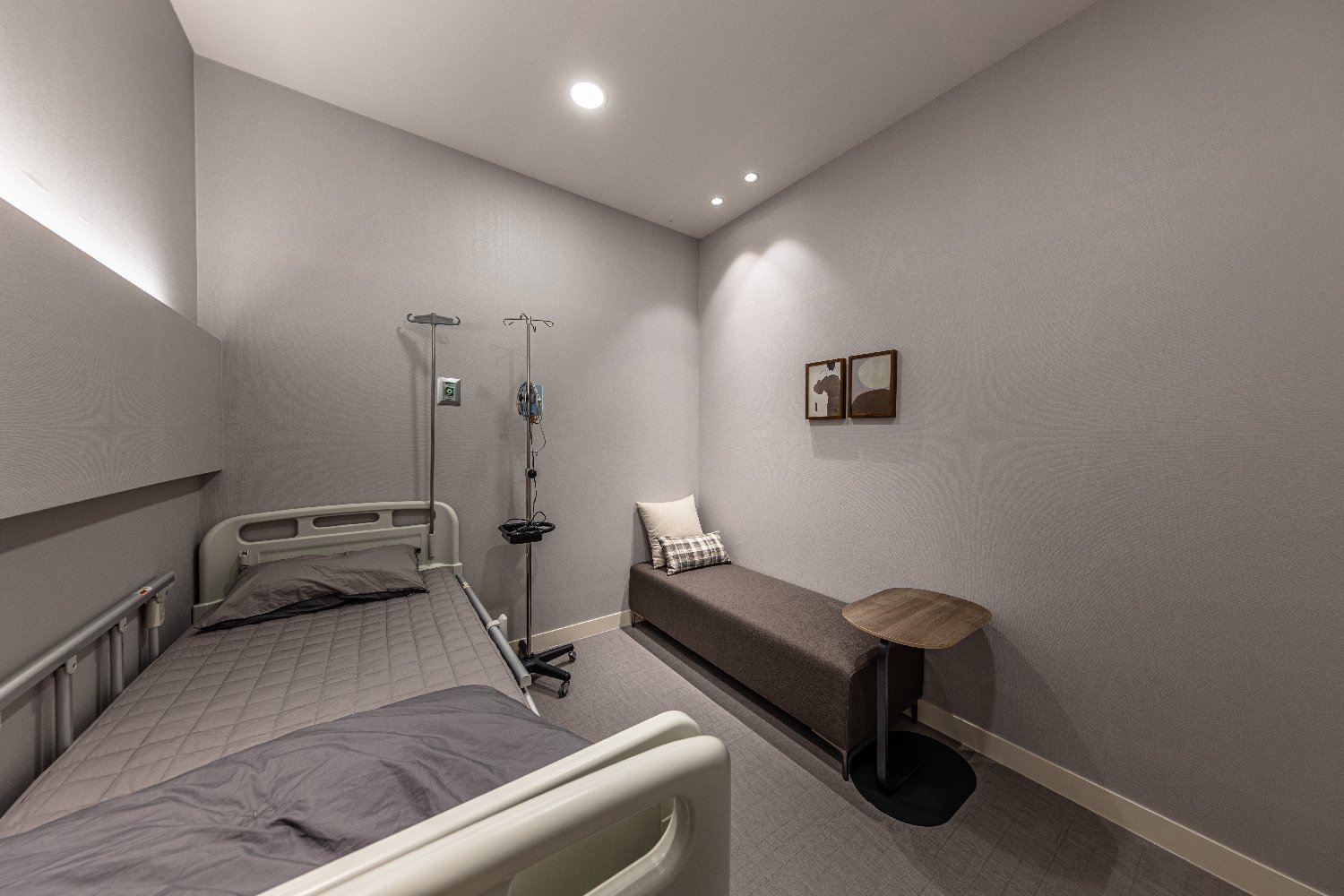
The patient is moved to a recovery area equipped for continuous vital sign monitoring until fully awake and stable.
Safety systems and risk management
Like any bone surgery, behind-the-ear square jaw reduction carries potential risks, including:
- Bleeding or hematoma
- Infection
- Swelling and bruising
- Temporary or, rarely, permanent nerve changes such as numbness
- Asymmetry or contour irregularities
- Dissatisfaction with aesthetic outcome
To help manage these risks, some clinics in the Gangnam–Seocho area operate with structured safety systems, for example:
Consider verifying the clinic’s safety and transparency measures before your procedure, such as:
- Clear identification of the operating surgeon so patients know who is responsible for their procedure
- Operating room CCTV or other documentation where regulations permit, supporting transparent surgical processes
- Information on emergency preparedness and monitoring systems (ask your clinic to describe available emergency medications, backup power or monitoring arrangements, and other safety measures)
Ask your clinic to provide specific details about their intraoperative safety equipment and protocols.
A dedicated anesthesiology specialist plays a key role in monitoring the patient throughout surgery and early recovery, adjusting anesthesia depth, managing blood pressure and breathing, and responding quickly to any changes.
Facial contouring specialization and complex cases
Some clinics along Gangnam-daero in the Seocho District focus their practice on facial contouring procedures such as cheekbone reduction, square jaw surgery, V-line surgery, mini V-line, chin surgery, and revision contouring. When a team routinely handles these operations, they become familiar with:
- Anatomical variations in jaw shape and nerve position
- Asymmetry between the right and left sides
- Challenges of previously operated jaws, including scar tissue and implants
Certain centers also share anonymized before-and-after CT images for selected contouring and revision cases. This data-based approach allows patients to see how bone structures change, not just surface photos, and helps the medical team continuously refine their techniques.
Revision and complex square jaw cases
Not all patients seeking behind-the-ear square jaw reduction are first-time candidates. Some come for revision after previous jaw or facial contouring surgery because of:
- Residual width at the mandibular angle
- Persistent asymmetry
- Unnatural angles or step-like transitions
- Hardware such as plates or screws that they want removed
Revision square jaw surgery is generally more complex than primary surgery. Scar tissue can obscure normal planes, and the bone may already be altered. The surgeon must navigate around existing hardware, previous cuts, and possible changes in nerve position.
Clinics experienced in pin removal and revision contouring can evaluate whether a behind-the-ear approach, an intraoral route, or a combination is safer for each revision case. Detailed CT imaging and realistic counseling are especially important for these patients.
Aesthetic design philosophy: natural, individualized results — for example, a surgeon may aim for a subtler jawline reduction when cheekbones are already prominent, but choose slightly more contouring for a flatter midface to maintain facial balance.
There is no single ideal jawline that suits everyone. A well-designed result depends on:
- Gender and personal style
- Overall facial width and height
- Cheekbone prominence
- Chin length and projection
- Neck line and soft tissue thickness
Rather than aiming for an extreme V-line, the surgeon considers how the front-view width, side-view angle, and the transition from cheekbone to jawline all work together. The aim is a refined, harmonious outline that looks like a natural part of the patient’s face.
Common concerns include:
- Looking too sharp or too narrow
- Losing one’s unique features
- Ending up with an obviously “operated” look
During consultation, it is helpful to bring reference photos that show the style you like, but also to discuss what is realistic for your bone structure and soft tissue. The final plan should balance slimming with long-term support for the skin and muscles.
Recovery, downtime, and aftercare
Recovery experiences vary, but many patients follow a similar timeline.
First few days
Swelling and tightness around the jaw and lower face are common.
Mild to moderate discomfort can usually be controlled with prescribed pain medication.
Head elevation and cold compresses are often recommended to help reduce swelling.
Soft foods may be more comfortable at the beginning, especially if chewing feels tight.
First 2 to 3 weeks
Bruising, if present, gradually fades. Stitches behind the ear are usually removed according to the clinic’s schedule. Some patients may resume light daily activities and desk work within 1 to 2 weeks, but recovery varies widely; follow your surgeon’s guidance on activity levels. Strenuous exercise and heavy lifting may be restricted for several weeks—confirm restrictions and a return-to-exercise plan with your clinic.
1 to 3 months
Swelling continues to decrease, and the jawline becomes more defined.
Some residual puffiness may be noticeable, especially in the evening or after salty foods.
Numbness or altered sensation, if present, often improves gradually but can take several months.
3 to 6 months and beyond
The final contour becomes clearer as tissues settle.
Behind-the-ear scars usually fade and are hidden in the crease and hairline.
Follow-up CT or photo reviews may be performed to confirm bone healing and symmetry.
Aftercare focus
Clinics that work with international patients often provide structured postoperative and aesthetic care, including:
- Regular follow-up visits or online check-ins
- Guidance on swelling control, scar care, and massage, if appropriate
- Advice on diet, sleep position, and activity level
Because individual healing differs, it is important to follow your surgeon’s instructions rather than comparing your progress directly to others.
Online consultation and pre-visit preparation for overseas patients
If you are considering traveling to Seoul for behind-the-ear square jaw reduction, early preparation can make your visit smoother.
Online consultation
Most clinics that welcome international patients offer online consultations through email or messaging apps. You may be asked to send:
- Clear front, side, and three-quarter facial photos
- Any previous imaging or surgical records if you had facial contouring before
- A brief description of your concerns and what you hope to change
Based on this information, the medical team can give you a preliminary opinion about whether you might be a candidate and what additional tests are needed on arrival.
Questions to prepare before contacting a clinic
- What approach do you recommend for my case: behind-the-ear, intraoral, or combined, and why?
- How do you use CT scans in planning, and will I receive a copy of my images?
- What safety systems are in place in your operating rooms?
- Who will manage my anesthesia, and how will I be monitored during surgery?
- How long should I plan to stay in Korea after surgery before flying home?
Expected Korea visit timeline
While schedules are customized, a typical visit for international patients might look like this.
Day 1
- In-person consultation, physical examination, and medical history review
- Facial CT scan and photography
- Final surgical design and consent
- Preoperative blood tests and anesthesia evaluation
Day 2 or 3
Surgery day under general anesthesia
Several hours in recovery, then return to accommodation once stable and cleared by the medical team
First week
One or more clinic visits for dressing changes, swelling checks, and possible drain removal if used
Medication prescriptions and instructions for home care
Second week
- Suture removal behind the ear, if non-absorbable stitches were used
- Assessment of early healing and swelling
- Discussion of when it is safe to fly home, based on your condition
If you are traveling from abroad, discuss the recommended postoperative stay with your clinic — the appropriate duration depends on your individual recovery, flight length, and other personal factors. Obtain clinic-specific clearance and any travel-related medical advice before booking your return travel.
Who should be cautious or reconsider
Behind-the-ear square jaw reduction may not be suitable for everyone. Extra caution is advised for:
People seeking extreme narrowing that could weaken structural support and lead to sagging over time
Patients with untreated bite problems or jaw joint disorders that may require separate evaluation
Individuals with significant medical conditions that increase surgical risk
Anyone unwilling to accept temporary swelling, numbness, or the time needed for the final result to appear
A thorough consultation with a qualified surgeon is essential to weigh benefits and risks in your specific situation.
FAQ
Is the scar behind the ear visible after square jaw reduction?
The incision is placed in the natural crease behind the ear, which helps conceal the scar. In most cases, once healing is complete and the scar has matured, it is difficult to see from the front or side, especially if hair covers the area. However, scar quality varies by individual, and some people may have more noticeable scarring than others.
Will my chewing or jaw function be affected?
The procedure focuses on reshaping the outer portion of the jawbone rather than changing the joint or bite. For most patients, chewing function returns to normal after the initial healing period. Temporary tightness or mild discomfort with chewing is common in the early weeks, but long-term function is usually maintained when surgery is planned and performed correctly.
How long before I can return to work and social activities?
Many patients feel comfortable returning to desk-based work within about 1 to 2 weeks, depending on swelling, bruising, and personal comfort. Visible swelling can persist for several weeks, although it typically improves enough for normal social activities within 2 to 4 weeks. If your job involves heavy physical activity, you may need a longer break as advised by your surgeon.
How is this different from non-surgical jawline slimming?
Non-surgical jawline slimming methods, such as injections that relax the masseter muscle, mainly reduce muscle bulk. They can be helpful if your lower face looks wide because of strong chewing muscles, but they do not change the underlying bone. Behind-the-ear square jaw reduction reshapes the bone itself, which may be necessary if the main cause of width is a thick or prominent mandibular angle.
Soft call to action
If you are considering behind-the-ear square jaw reduction surgery in Seoul and want to understand whether this approach matches your facial structure and goals, an online consultation can be a practical first step. By sharing your photos, medical history, and questions in advance, you can receive a more personalized explanation of possible treatment plans, safety systems, and expected recovery before you decide to travel.
This guide is for general information only and does not replace a face-to-face consultation with a qualified medical professional. Always discuss your individual situation, risks, and options directly with your surgeon and anesthesiology team before proceeding with any procedure.


댓글
댓글 쓰기