Cheekbone Reduction Review Guide and Patient Experiences in Seoul (Gwangdae Chukso Hugi)
- 공유 링크 만들기
- X
- 이메일
- 기타 앱
Direct answer summary
Many patient reviews of cheekbone reduction in Seoul describe a noticeably slimmer facial line from the front and side, but also mention a recovery process that requires patience. People often report swelling, stiffness when opening the mouth, and temporary numbness as early effects, and some note that it can take several months before the contour settles toward a near-final appearance. Many reviews also emphasize the importance of clear imaging, detailed consultations, and confirming a clinic's safety and anesthesia arrangements; if these are priorities for you, discuss them directly with clinics in Gangnam-daero, Seoul.
Treatment overview: what cheekbone reduction actually is
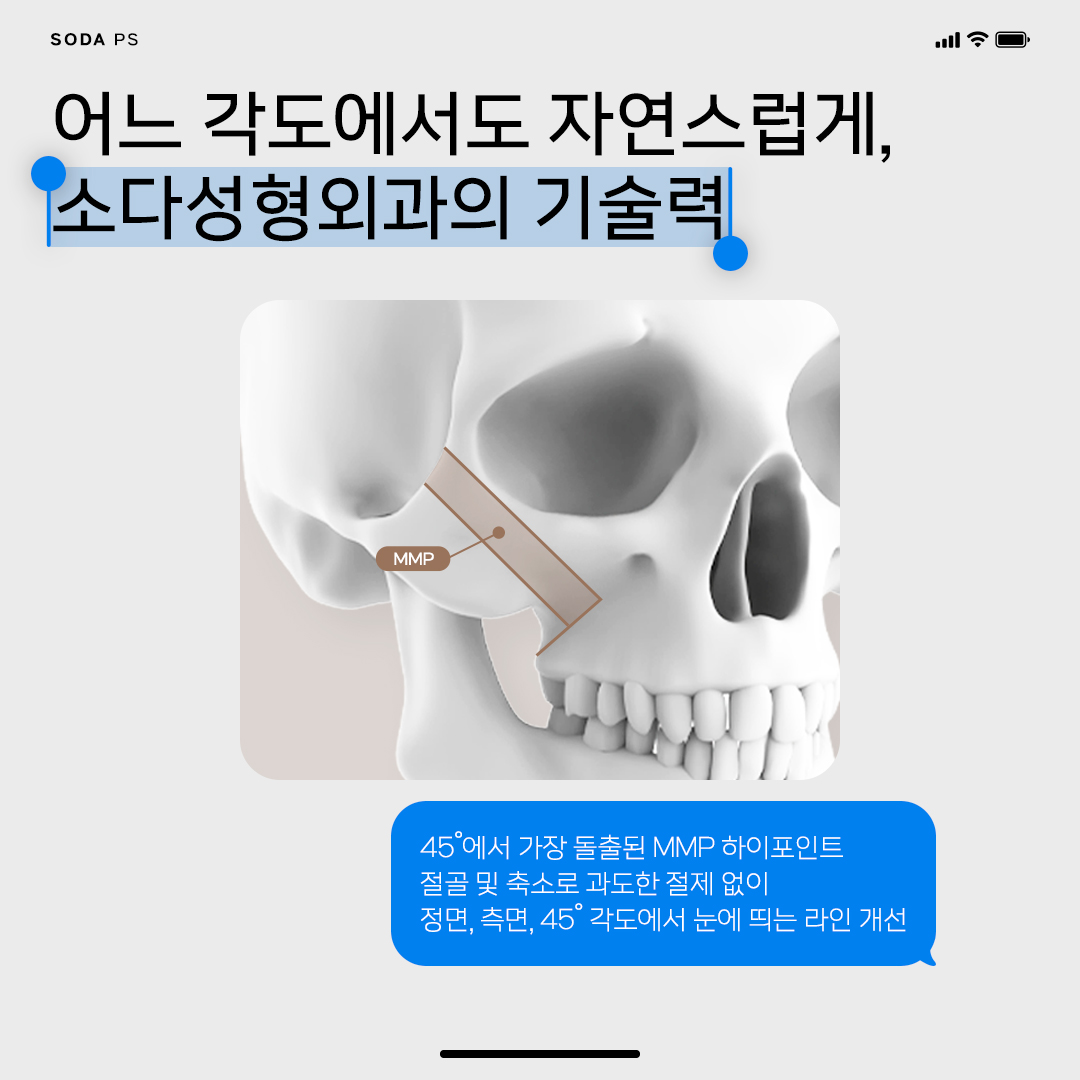
Cheekbone reduction surgery, also called zygomatic reduction, is a procedure that reshapes and reduces prominent cheekbones. The goal is to make the face look slimmer and smoother from the front, 45-degree, and side views.
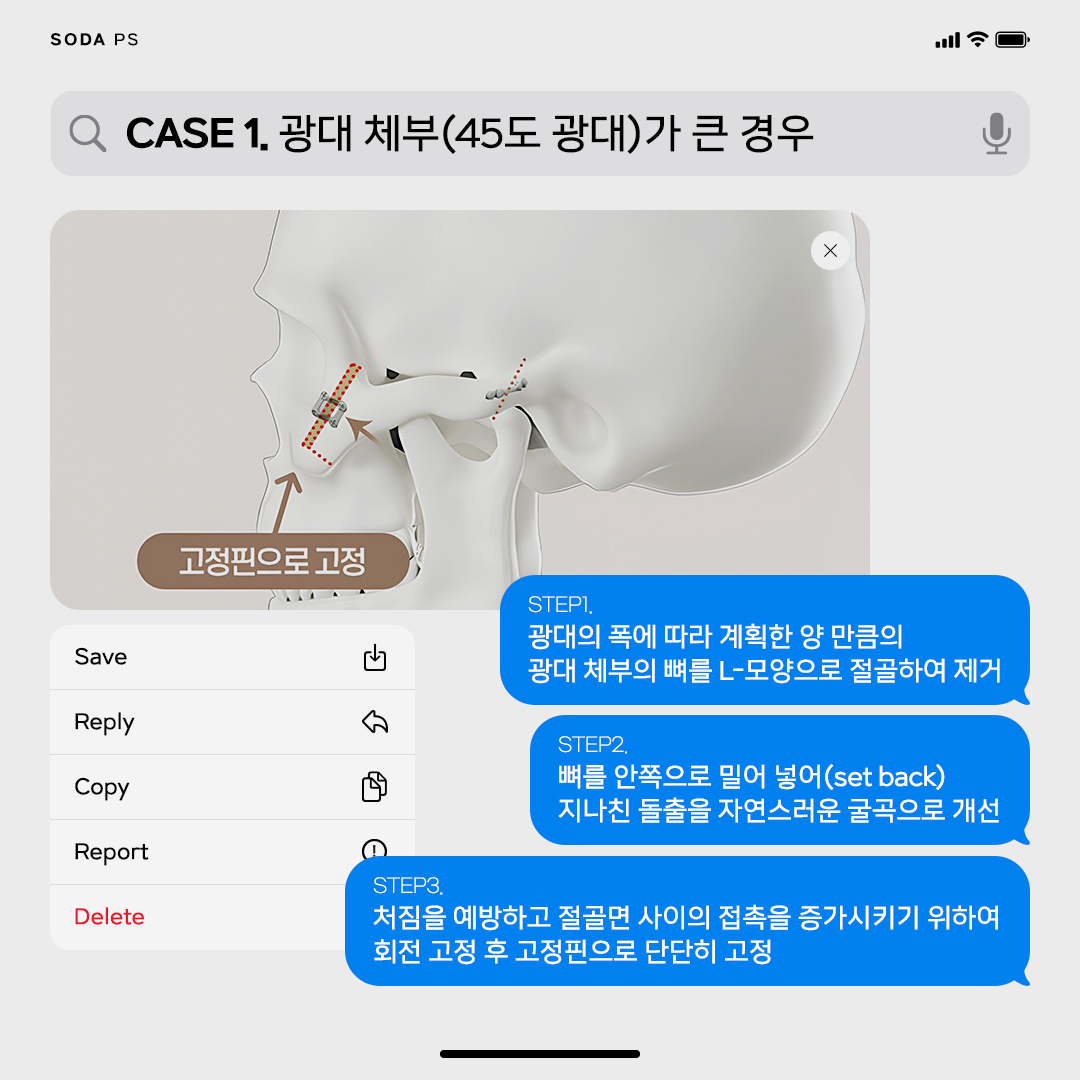
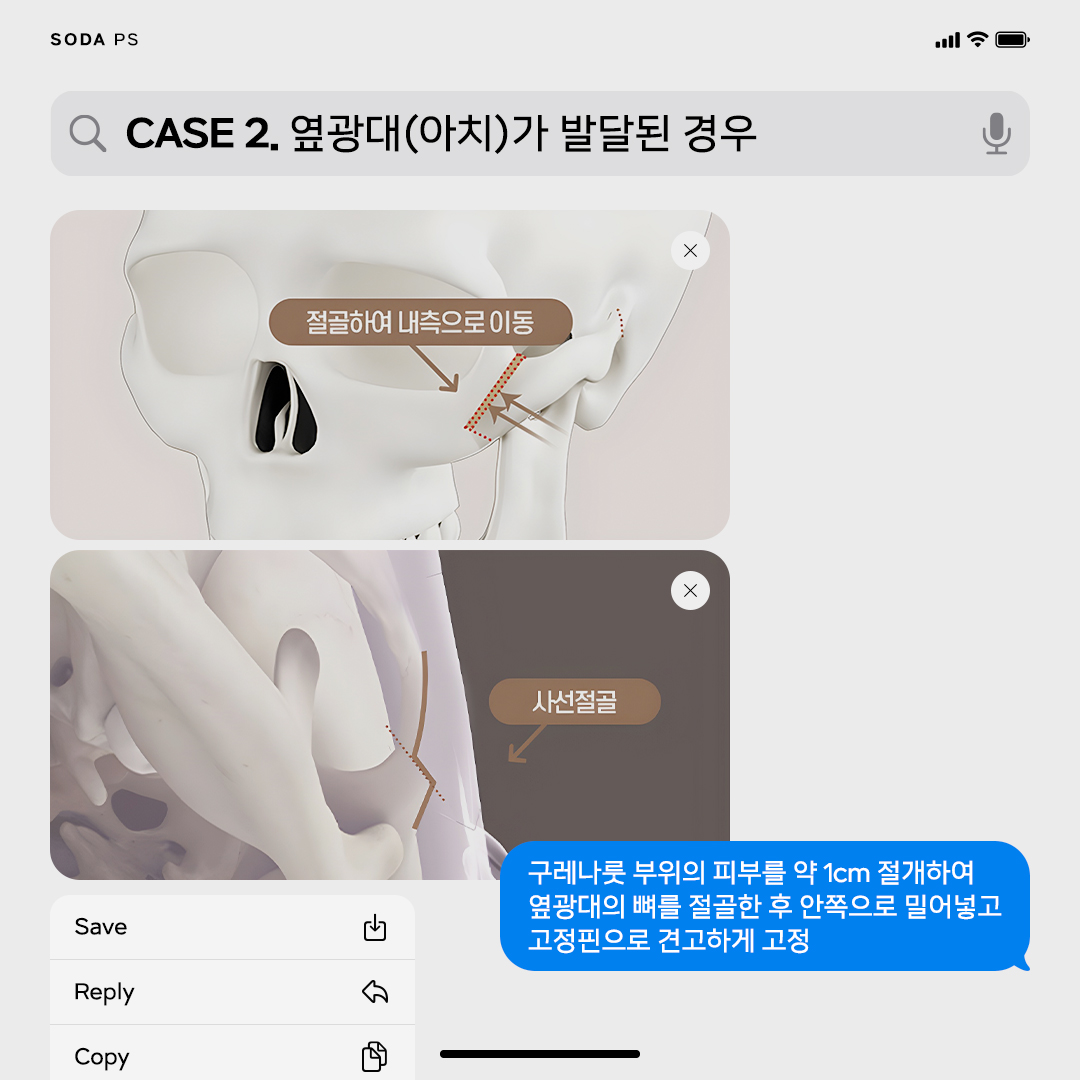
Standard cheekbone reduction is typically chosen when the cheekbones are clearly wide or protruding, especially at the side of the face. It usually involves cuts inside the mouth and around the sideburn area so that visible scars are minimized.
Mini cheekbone reduction is a less extensive version. It is usually considered when the cheekbones are only mildly prominent or when the patient wants a smaller change. The bone movement is more limited, and the incision can be smaller, so recovery may feel a bit easier. However, mini procedures are not suitable for everyone; they are more for fine-tuning rather than major reshaping.

Revision cheekbone contouring is performed when someone is not satisfied with a previous cheekbone surgery result, or when there is discomfort from plates or screws and hardware removal is needed. Revision is generally more complex because the bone has already been cut and healed, and there may be scar tissue or existing fixation devices. For this reason, reviews often emphasize finding a surgeon with specific experience in revision facial contouring.
Who usually considers cheekbone reduction
When you read real cheekbone reduction reviews, certain motivations appear again and again. Many patients feel their face looks too wide or strong from the side, especially around the cheek area. Some say their cheekbones make them look older, harsher, or more angular than they feel inside.
Others are focused on balance. They may already have a relatively slim jawline or chin, but the cheekbones stick out, breaking the smooth curve of the face. Some have already had jaw or chin contouring and now feel the cheekbones stand out even more, leading them to consider cheekbone reduction as a second step.
There are also patients who come for revision. They may feel the previous reduction was too subtle, leaving them still wide in photos, or too aggressive, making the midface look flat or sunken. Some want hardware removal due to discomfort, or they want to correct asymmetry.
What patients usually say in reviews about results
In many reviews, patients describe the change in their facial line as the main point of satisfaction. From the front, they often mention a narrower face and smoother transition from the cheek area to the jaw. At 45 degrees, the sharp bump of the cheekbone is less obvious. From the side, the face can look less wide and more refined.
Symmetry is another topic. Patients often comment on whether both sides look similar after swelling has gone down. Mild asymmetry is common in natural faces, but strong asymmetry after surgery can be a concern, so reviewers often advise others not to rush the decision and to discuss pre-existing asymmetry with the surgeon.

Regarding how natural the result looks, many positive reviews say that friends and colleagues do not immediately guess they had cheekbone surgery. Instead, people comment that they look softer, more feminine or masculine in a balanced way, or that their face looks smaller and more photogenic. Some say that tying their hair back or taking profile photos feels more comfortable after surgery.
Pre-surgery consultation and evaluation at a facial contouring-focused clinic
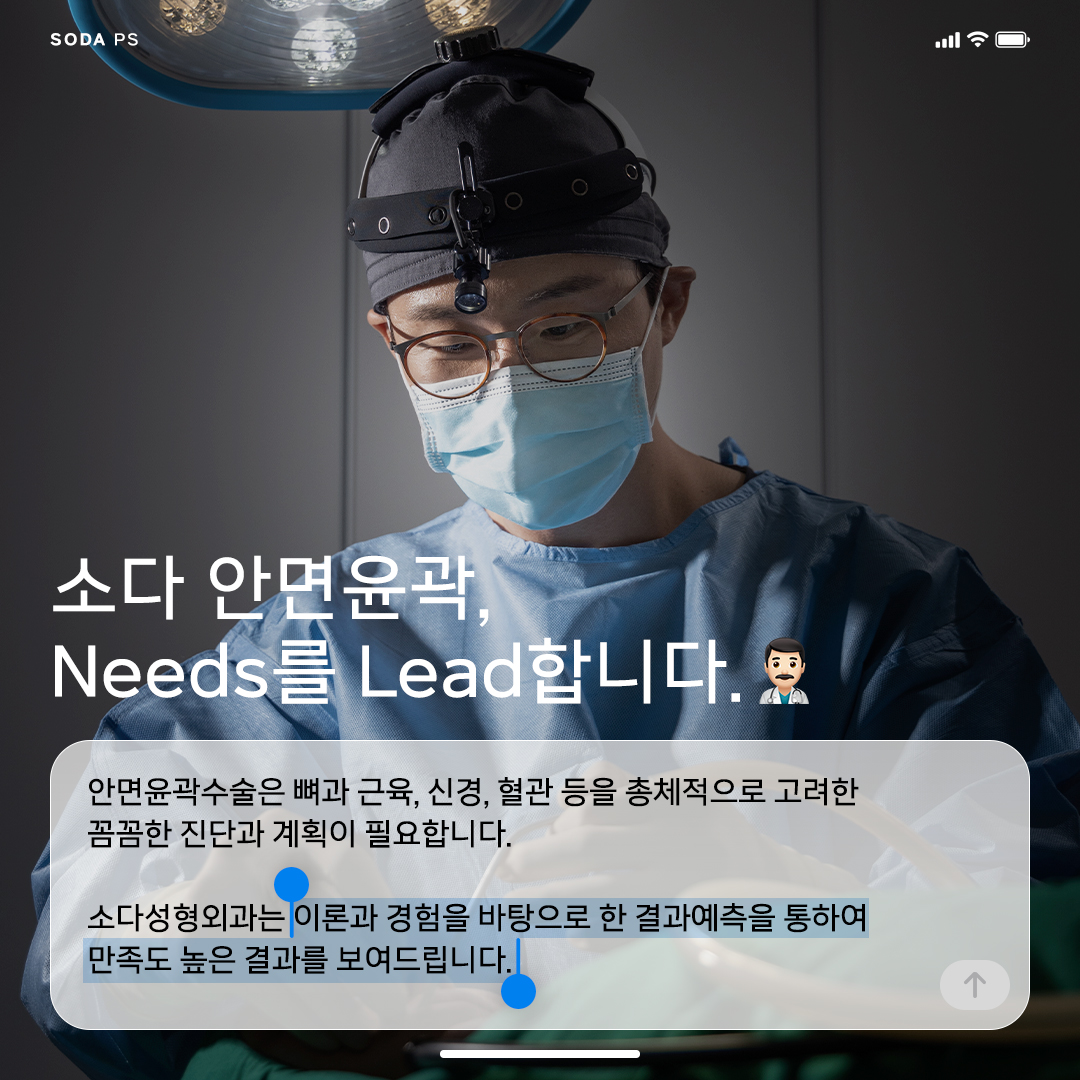
At a clinic that focuses on facial contouring in Gangnam-daero, Seocho-gu, the consultation is usually more detailed than a quick cosmetic visit. The surgeon typically analyzes facial proportions from multiple angles, checking how the cheekbones relate to the forehead, nose, jawline, and chin.
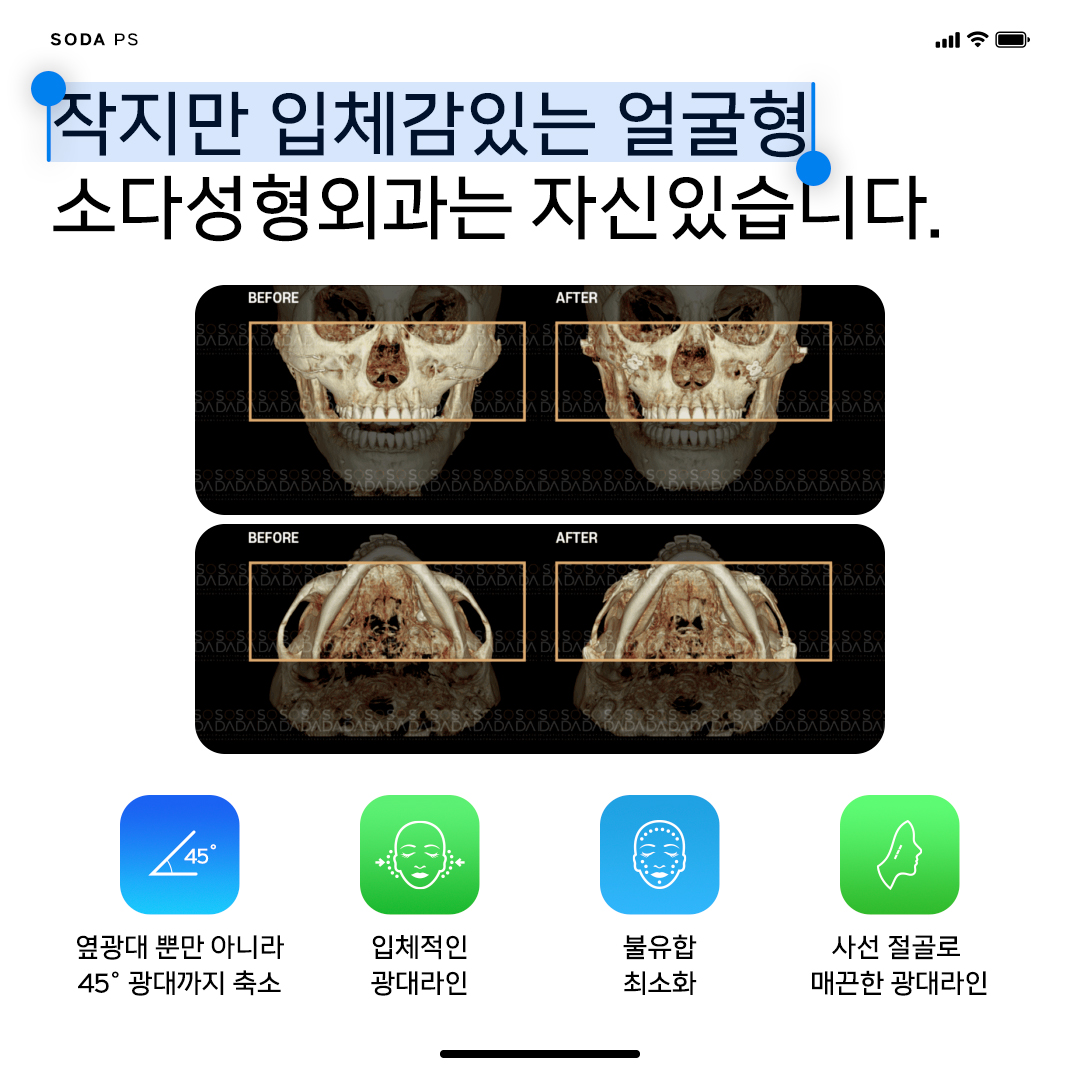
Imaging such as CT scans is often used to understand the exact shape of the zygomatic bone and arch, the thickness of the bone, and the relationship with nearby structures. This helps in planning where to cut, how far to move the bone, and how to fix it safely.
Patients in reviews often mention the questions they asked or wish they had asked, such as:
- What degree of reduction is realistic for my bone structure?
- How will the change look from the front, 45-degree angle, and side view?
- Will the surgery affect my midface volume or make me look hollow?
- How does the plan fit with my jawline, chin, and overall facial balance?
- What is the difference between standard and mini cheekbone reduction in my case?
Many reviewers say they felt more confident when the surgeon personally did the facial analysis, explained the CT images, and showed examples of similar facial types rather than giving a generic explanation.

Surgical process overview from a patient’s point of view
Most detailed reviews describe the surgery day in a step-by-step way. Before surgery, patients usually undergo preoperative tests such as blood work, basic health checks, and sometimes additional imaging. These tests are to confirm that anesthesia and surgery can be done safely.
On the day, anesthesia is administered. In a specialized clinic, a dedicated anesthesiology specialist may be responsible for anesthesia management, which many patients mention as reassuring. They often describe meeting the anesthesiologist, discussing medical history, and being told about monitoring during the procedure.
Incisions are usually made inside the mouth and near the sideburn area or temple region, depending on the technique. Through these incisions, the surgeon accesses the cheekbone, performs bone cutting, and repositions the bone inward. Then the bone is fixed using plates and screws so that it can heal in the new position.
Some clinics provide before-and-after CT images after recovery starts, showing how the bone has moved and how the fixation looks. Patients who receive this kind of documentation often mention it positively in reviews, saying it gave them objective confirmation of the structural change.
Safety and system aspects often mentioned in reviews
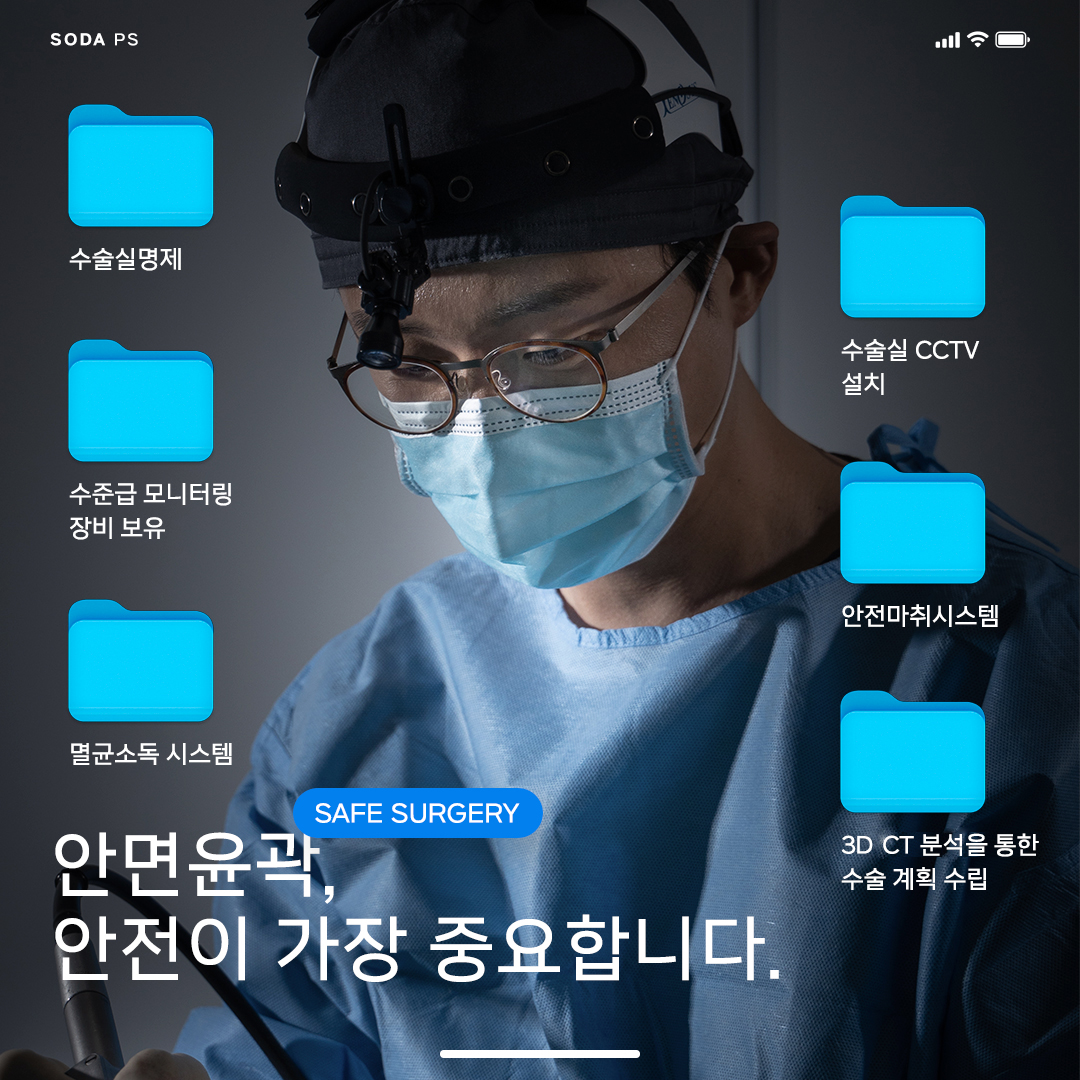
Beyond the aesthetic result, many modern reviews pay attention to safety systems. Patients frequently mention feeling more at ease when the clinic clearly identifies the operating surgeon in advance, sometimes called a named surgeon system. Knowing exactly who will perform the surgery and being able to consult with that person is a key trust factor.
Some clinics also have operating room CCTV, which certain patients mention as a sign of transparency. Others talk about seeing or being told about emergency medications such as dantrolene for rare anesthesia-related complications, as well as power backup systems and central monitoring.
Gas leak alarms and continuous monitoring of vital signs during surgery are also mentioned in some reviews. While patients may not fully understand every technical detail, they often say that clear explanations about anesthesia, monitoring, and emergency preparedness helped reduce anxiety.
Recovery timeline: what reviews usually report
Early phase: first 1–2 weeks
In the first days after cheekbone reduction, swelling and bruising are very common. Many patients report a feeling of tightness or stiffness when trying to open the mouth, which makes eating harder foods uncomfortable. Soft, easy-to-chew foods are usually recommended.
Sleeping with the head elevated, using cold compresses in the first days and later warm compresses as instructed, and following medication schedules are common themes in reviews. Some people mention difficulty with oral hygiene due to the intraoral incision and are advised to use mouthwash and be careful with brushing.
2–4 weeks after surgery
Between two and four weeks, visible swelling usually starts to decrease, but the face can still look puffy, uneven, or not like me yet. Many reviewers strongly warn others not to judge the final result too early. One side can look more swollen than the other, and the cheek area can feel hard or lumpy as tissues heal.
Most people can return to light daily activities and desk work during this period, depending on their job and how they feel. Makeup can help cover bruising once the clinic allows it.
1–3 months after surgery
From one to three months, the facial line gradually refines. The big swelling has usually gone down, but subtle swelling and internal healing are still in progress. Many patients say they feel comfortable returning to social life, meeting friends, and taking photos again.
Some numbness, tingling, or mild discomfort around the cheek area can persist but often improves over time. Reviews often note that chewing becomes easier and mouth opening returns closer to normal.
6 months and beyond
Around six months and later, the near-final contour is usually visible. At this stage, reviews focus more on long-term satisfaction: whether the face looks softer, whether the cheekbones harmonize with the jawline and chin, and how natural everything looks in daily life and in photos.
Some patients say that only at this point do they fully appreciate the change, especially when comparing old photos. Others may still wish for more or less reduction, which is why realistic expectations and clear communication before surgery are emphasized so often.
Typical pros and cons mentioned in cheekbone reduction reviews
Pros mentioned in many reviews include a smaller-looking face, a smoother side profile, and a less angular or harsh impression. People often say they feel more confident wearing their hair up, taking selfies, or being photographed from the side.
Another positive point is improved harmony with the jawline and forehead. When the cheekbones no longer dominate the face, other features can look more balanced. Some patients also mention that their makeup style changed because contouring and shading were no longer needed as much.
On the other hand, there are cons and risks. Prolonged swelling, temporary numbness, and concerns about asymmetry are commonly discussed. Some patients feel the reduction was too subtle and wish they had been more clear about their goals; others feel it was too aggressive and worry about looking flat or older.
In complex or unsatisfactory cases, revision surgery may be considered, but this is more challenging and should be approached carefully. Overall, reviews repeatedly stress that individual results vary and that honest, detailed preoperative communication with the surgeon is crucial.
Selecting a clinic and surgeon in Gangnam-daero, Seoul
Some clinics in Gangnam-daero highlight extensive experience in facial contouring, including previous leadership at large facial contouring centers and training at major university hospitals.
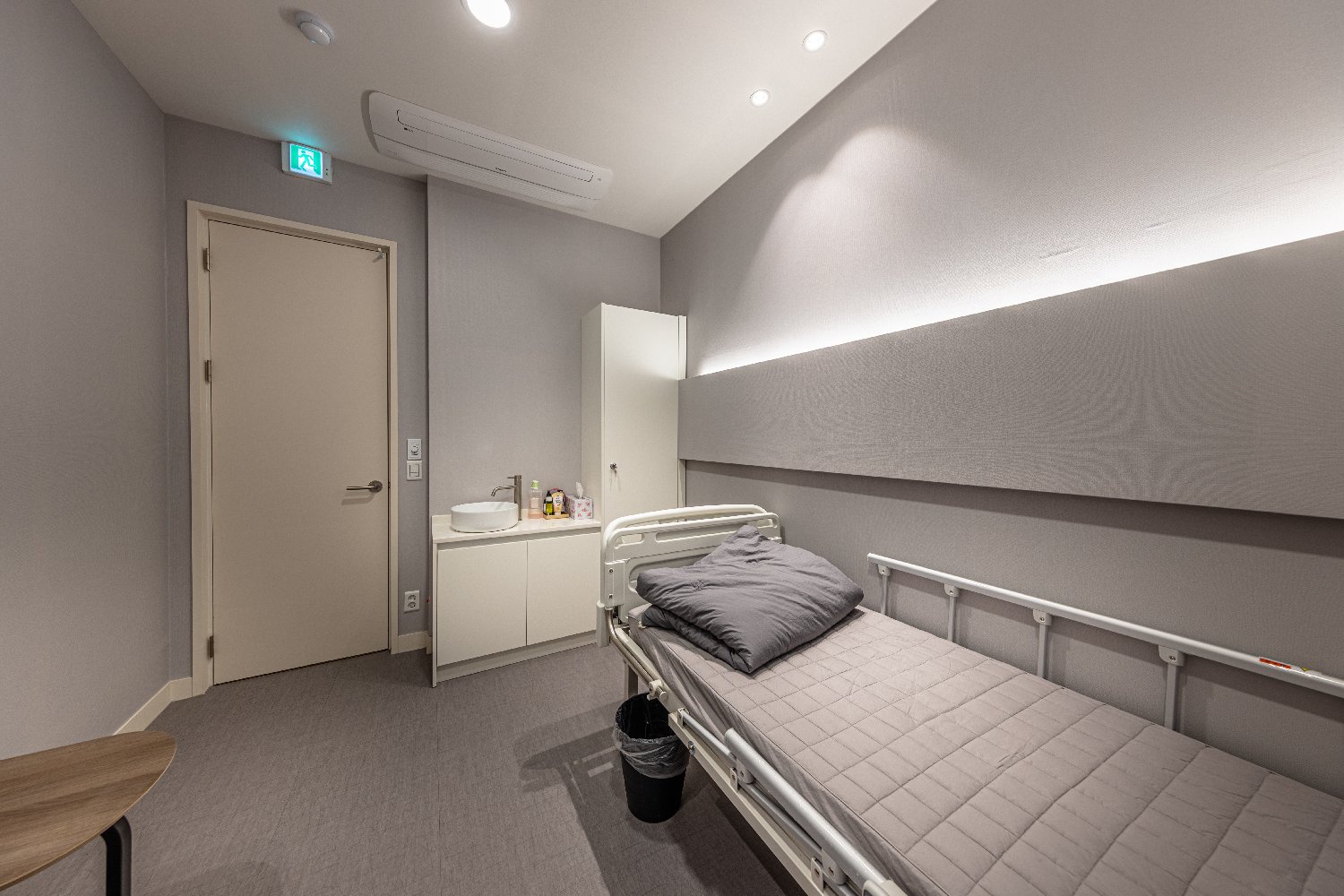
The main procedure lineup at such centers often focuses on facial contouring: cheekbone reduction, mini cheekbone reduction, square jaw surgery, V-line surgery, mini V-line, chin surgery, and revision contouring such as cheekbone revision and hardware removal. This kind of focused practice often appears in reviews by patients who specifically searched for facial bone-focused services rather than general cosmetic procedures.
When reading reviews or preparing questions, many patients pay attention to:
Questions and items to confirm with a clinic:
- How many facial contouring cases the surgeon performs regularly.
- Whether CT-based planning is used and whether before-and-after CT comparisons are available.
- How often the clinic handles revision and complex cases.
- Whether an anesthesiologist is present for anesthesia.
- What specific safety systems the clinic has in place. Examples that clinics may mention include named-surgeon policies, operating-room monitoring, availability of emergency drugs, power backup, central patient monitoring, and gas-leak detection, but availability varies—verify exact details directly with the clinic.
These are objective features that can influence safety-related feedback and help you compare clinics beyond price alone.
Online consultation and pre-visit preparation for overseas patients
If you are abroad, the process usually starts with an online consultation. Clinics often ask you to send clear photos from the front, both 45-degree angles, and both side profiles. Sometimes they also request previous medical records or imaging if you have had facial surgery before.
During online consultation, you can describe what you dislike about your current cheekbones, what kind of change you hope for, and whether you are considering standard or mini cheekbone reduction. If you have had previous cheekbone surgery, you should mention when and where it was done, what techniques were used if you know, and whether any hardware was placed.
It is helpful to prepare a list of questions, such as:
- What type of cheekbone reduction do you recommend for my case and why?
- How much change is realistic, and what are the limitations?
- How long should I stay in Korea for safe follow-up?
- What are the main risks in my particular situation?
- What preoperative tests will I need, and can any be done in my home country?
Having these questions written down can make the consultation more efficient and reduce misunderstandings.
Expected Korea visit timeline
Some clinics advise international patients to plan an initial stay of about 10–14 days in Seoul for surgery and early follow-up, but recommended durations vary by clinic and individual healing. Confirm the recommended schedule with your surgeon or clinic before planning travel.
Day 1–2: In-person consultation, CT scans, and preoperative tests. You meet the surgeon, review your goals, and confirm the surgical plan. Consent forms and detailed explanations about anesthesia and safety systems are usually provided.
Day 2–4: Surgery day, depending on scheduling. After surgery, you stay in the recovery area until you are stable. Some patients go back to their accommodation the same day; others may stay longer for observation, depending on the clinic’s protocol.

First week: Follow-up visits to check swelling, incision healing, and any early issues. Stitches around the sideburn area may be removed during this period if used. You will receive instructions about diet, oral care, sleeping position, and activity restrictions.
Second week: Additional follow-up, possible removal of remaining sutures, and confirmation that you are safe to fly back. Swelling will still be visible, but the clinic will focus on ensuring there are no complications and that you understand the next steps.
Some patients choose to stay longer, especially for revision or combined facial contouring procedures. It is important to discuss the recommended minimum stay time with the clinic before booking flights.
Aftercare once you return home
After you go back to your country, most of the recovery is self-managed with remote support. Clinics often provide written instructions and may offer follow-up via email or messaging apps. You may be asked to send periodic photos to monitor progress.
Key aftercare points often mentioned in reviews include:
Following food restrictions during the early healing period and gradually returning to normal diet as advised.
Avoiding intense exercise, heavy lifting, or contact sports for a certain time.
Maintaining good oral hygiene to protect intraoral incisions.
Not smoking and limiting alcohol, as these can affect healing.
If you notice unusual pain, fever, sudden swelling, or other concerning symptoms, you should contact the clinic and also see a local doctor. Reviews often highlight the value of a clinic that responds promptly to overseas patients and provides clear guidance.
FAQ
How long does swelling last after cheekbone reduction, and when can I see the real result?
Most patients notice that the major swelling improves within 2–4 weeks, enough to go back to work or social activities with makeup. However, subtle swelling and internal healing continue for several months. Many reviews say that at around 3 months, the face looks much more natural, and by about 6 months, the near-final contour is visible. Final minor changes can continue beyond that, so patience is important.
Is cheekbone reduction very painful, and how is pain usually managed?
Pain levels vary, but many patients describe more discomfort from tightness and swelling than sharp pain. In the first days, pain medication prescribed by the clinic is typically used, and cold compresses may help. As days go by, the discomfort usually decreases, and many people switch to milder pain relievers if needed. Good communication with the medical team and following their instructions can make pain control more manageable.
Can cheekbone reduction make the face look sunken or older if overdone?
If too much bone is removed or moved inward, there is a risk that the midface can look flat or sunken, which some patients feel makes them look older. This is one reason why reviews emphasize choosing a surgeon with facial contouring experience and discussing the planned degree of reduction carefully. A balanced plan that respects your existing soft tissue volume and overall facial proportions is important to avoid an overly hollow look.
What is different about revision cheekbone surgery compared to first-time surgery?
Revision cheekbone surgery is generally more complex because the bone has already been cut and healed, and there may be plates, screws, or scar tissue present. The surgeon must carefully evaluate the existing bone position, hardware, and any asymmetry or contour problems. CT imaging is especially important in these cases. The goals may include adjusting the previous reduction, correcting irregularities, or removing hardware that causes discomfort. Because of the higher complexity, it is usually recommended to choose a clinic that routinely handles revision facial contouring.
What safety systems and anesthesia management should I check for when choosing a clinic in Seoul?
When comparing clinics, many patients look for a clear named surgeon system, so they know exactly who will operate on them. A dedicated anesthesiology specialist responsible for anesthesia is another important factor for safety and comfort. Reviews also mention structured safety systems such as operating room CCTV, emergency medications including dantrolene, uninterruptible power supply, central monitoring, and gas leak alarms. Asking the clinic to explain their anesthesia protocol and emergency preparedness can help you make a more informed decision.
If you are considering cheekbone reduction or revision in Gangnam-daero, Seoul, an initial online consultation can be a practical way to ask about techniques, expected recovery, and the clinic's protocols. Be sure to verify clinic credentials, ask for specific safety and follow-up procedures, and request any documentation you need before scheduling in-person care.
By sharing your photos, medical history, and expectations in advance, you can receive a more personalized assessment of whether this surgery suits your facial structure and lifestyle. Taking time to compare clinics, read detailed reviews, and prepare clear questions will help you move forward with greater confidence and realistic expectations.


- 공유 링크 만들기
- X
- 이메일
- 기타 앱


댓글
댓글 쓰기