Cheekbone reduction surgery cost and what overseas patients should know
Cost overview: what affects cheekbone reduction surgery price
The final cost depends on your bone structure, whether it is your first surgery or a revision, the surgical method, anesthesia, and what is included in the package such as imaging, safety systems, and follow-up care.
For this clinic on Gangnam-daero in Seoul, exact fees are only given after an in-person or detailed online consultation with imaging, because each patient’s cheekbone shape and surgical scope are different. When comparing clinics, it is important to look beyond the headline price and check what is actually included.
What is cheekbone reduction surgery?
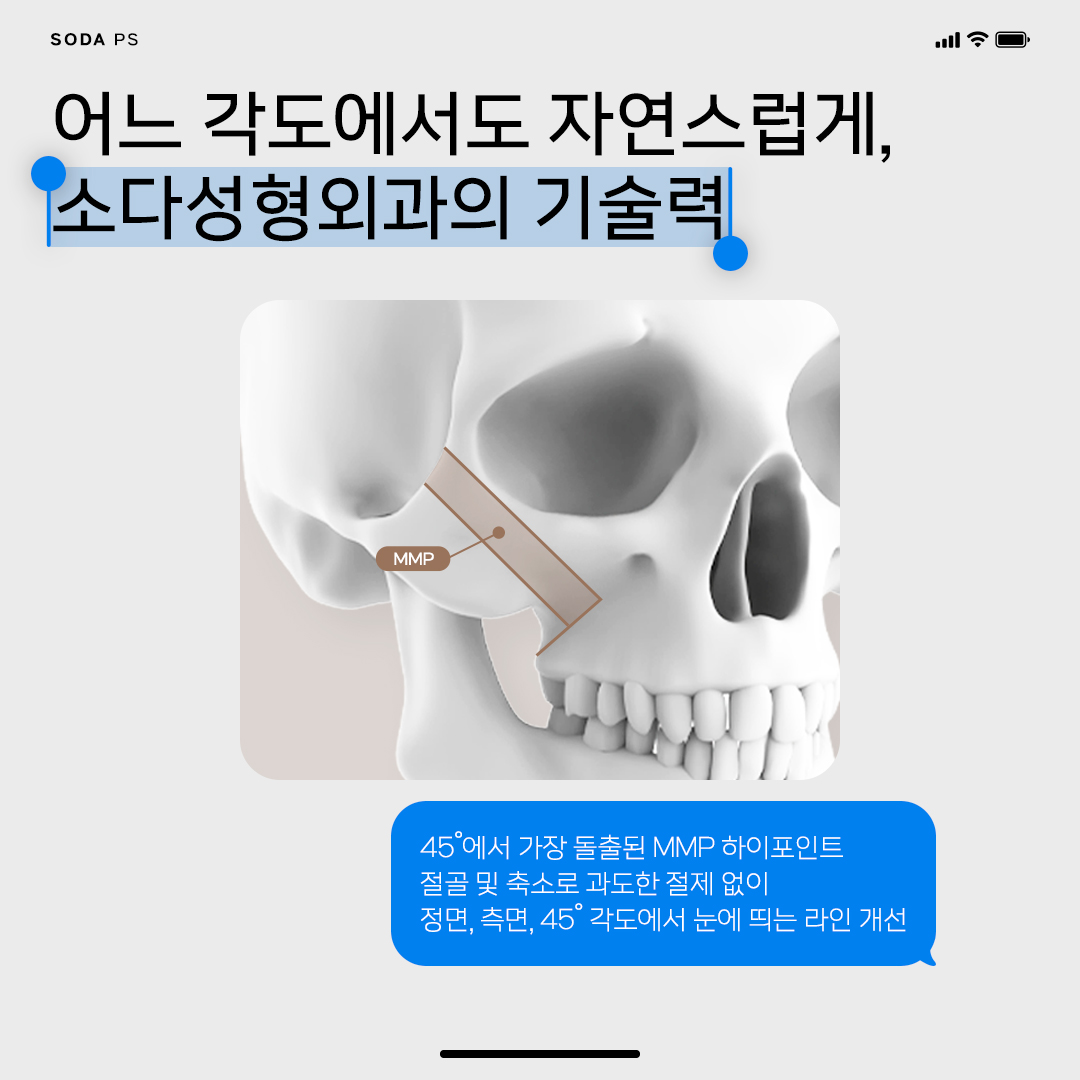
Cheekbone reduction, also called zygomatic reduction, is surgery to reduce prominent cheekbones and create a smoother, more balanced facial contour. The goal is not only to make the face look smaller, but to harmonize the cheekbone line with your overall face shape from the front view and especially from the 45 degree angle.
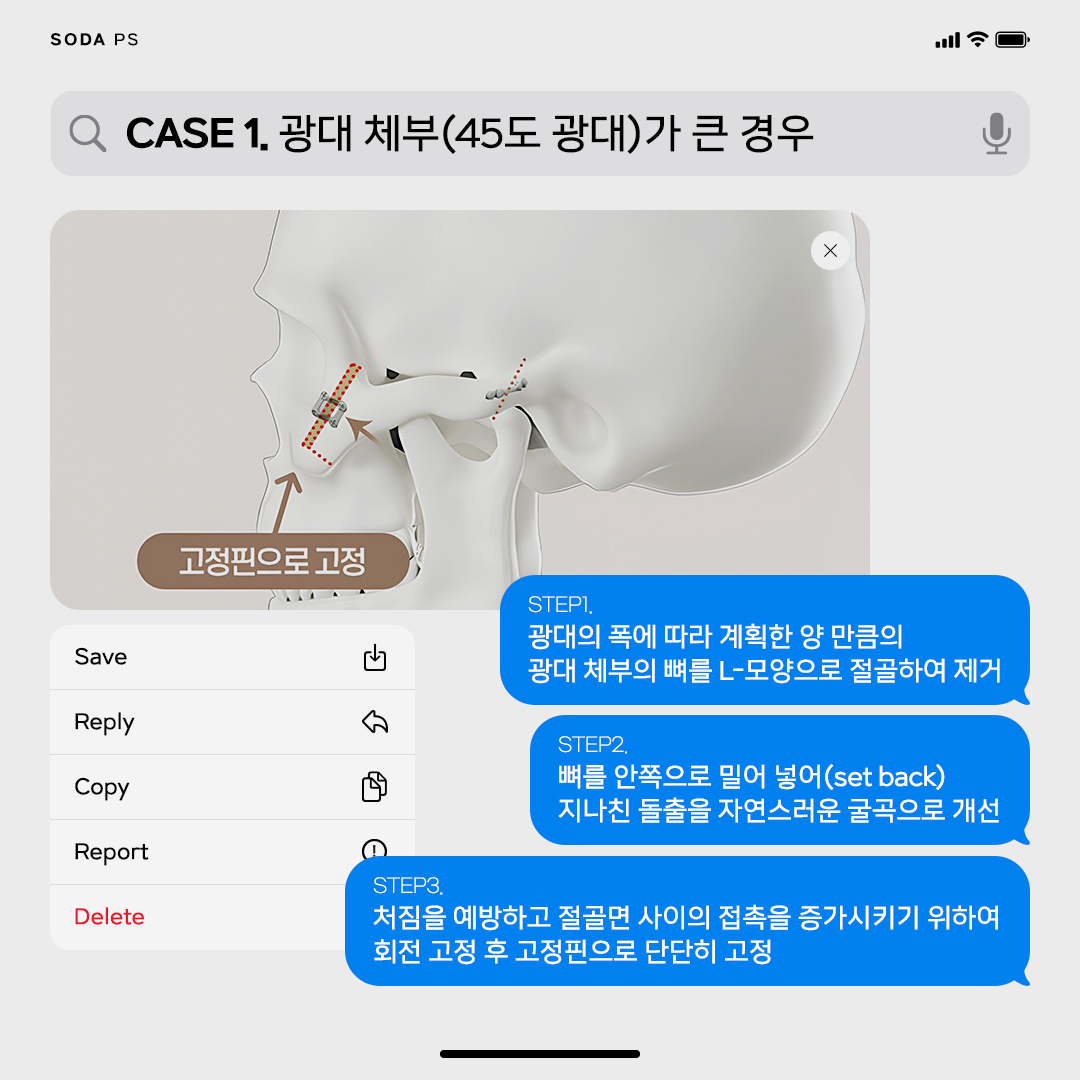
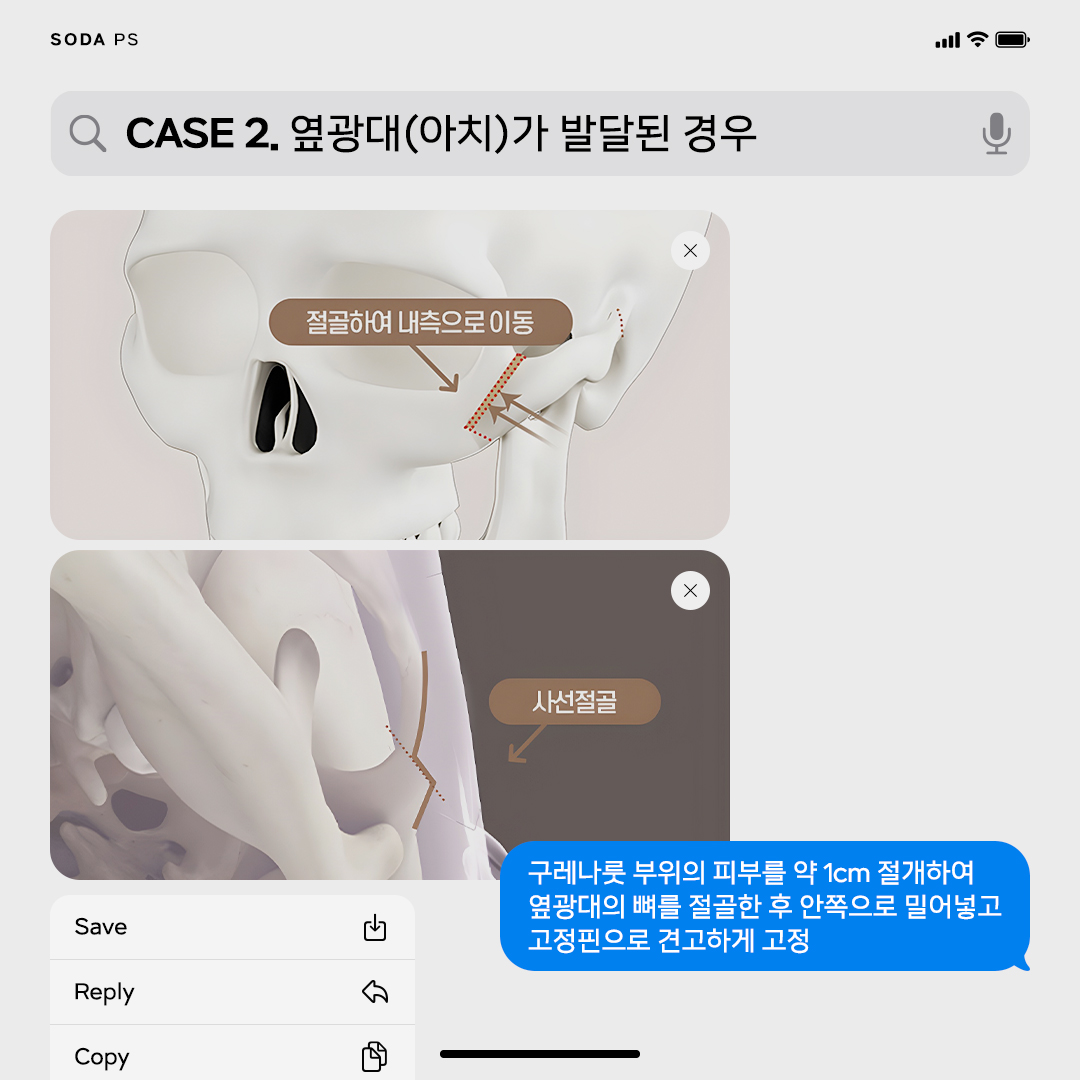
In many cases, the surgeon carefully cuts and repositions the zygomatic body (the front part of the cheekbone) and the zygomatic arch (the side part that creates width). By moving and fixing these segments inward and slightly downward or upward as needed, the face can look less wide and less angular.

There are also more limited approaches sometimes called mini cheekbone reduction. These focus on a specific area, such as the side arch, when the protrusion is not very severe or is localized. The method is chosen after analyzing your bone structure, soft tissue, and facial balance.
Who may consider cheekbone reduction in Korea
Cheekbone reduction may be considered by people who feel their cheekbones are too wide or too prominent, especially in photos taken from the side or at 45 degrees. It can be an option if:
You feel your midface looks broad or harsh even if your jawline is relatively slim.
You have strong cheekbones that cast shadows and make the face look older or more tired.
You previously had jaw or other facial contouring surgery and now feel the cheekbones look relatively more prominent.
You have noticeable asymmetry between the left and right cheekbones.
Because this is bone surgery, it is not suitable for everyone. Your general health, bone quality, sinus anatomy, and expectations all need to be evaluated. A thorough consultation and imaging are essential before deciding.
Key factors that influence cheekbone reduction surgery cost
Several elements affect the cost of cheekbone reduction surgery in Korea. Understanding these will help you interpret quotes more clearly.
First-time surgery vs revision
Primary cheekbone reduction (first-time surgery) is usually less complex than revision. Revision surgery after previous facial contouring or jaw surgery often costs more because:

There may be existing plates, screws, or pins that need removal.
Bone segments may have healed in an unfavorable position.
Scar tissue and altered anatomy make dissection more difficult.
More detailed planning and longer operating time are required.
Degree of protrusion and asymmetry
If your cheekbones are mildly prominent with minimal asymmetry, the surgery can be simpler. When there is strong protrusion, complex asymmetry, or both the zygomatic body and arch require correction, the procedure becomes more demanding. This can increase operating time and cost.
Surgical method and incision design
A full cheekbone reduction that addresses both the front body and side arch generally costs more than a limited mini cheekbone reduction focusing on one area. The choice of incision sites (inside the mouth, around the temples, or small hidden skin incisions) and fixation method also influences the fee.
Additional facial contouring procedures
Many patients combine cheekbone reduction with other facial contouring procedures to harmonize the entire face, such as:
Jaw angle surgery to reduce a square jawline.
Chin contouring or V-line surgery to refine the lower face.
Mini V-line surgery for more subtle lower face changes.
Fat grafting to restore volume in hollow areas after bone reduction.
Combining procedures usually increases the overall cost but may be more efficient than separate surgeries, depending on the case.

Operating time, difficulty, and planning
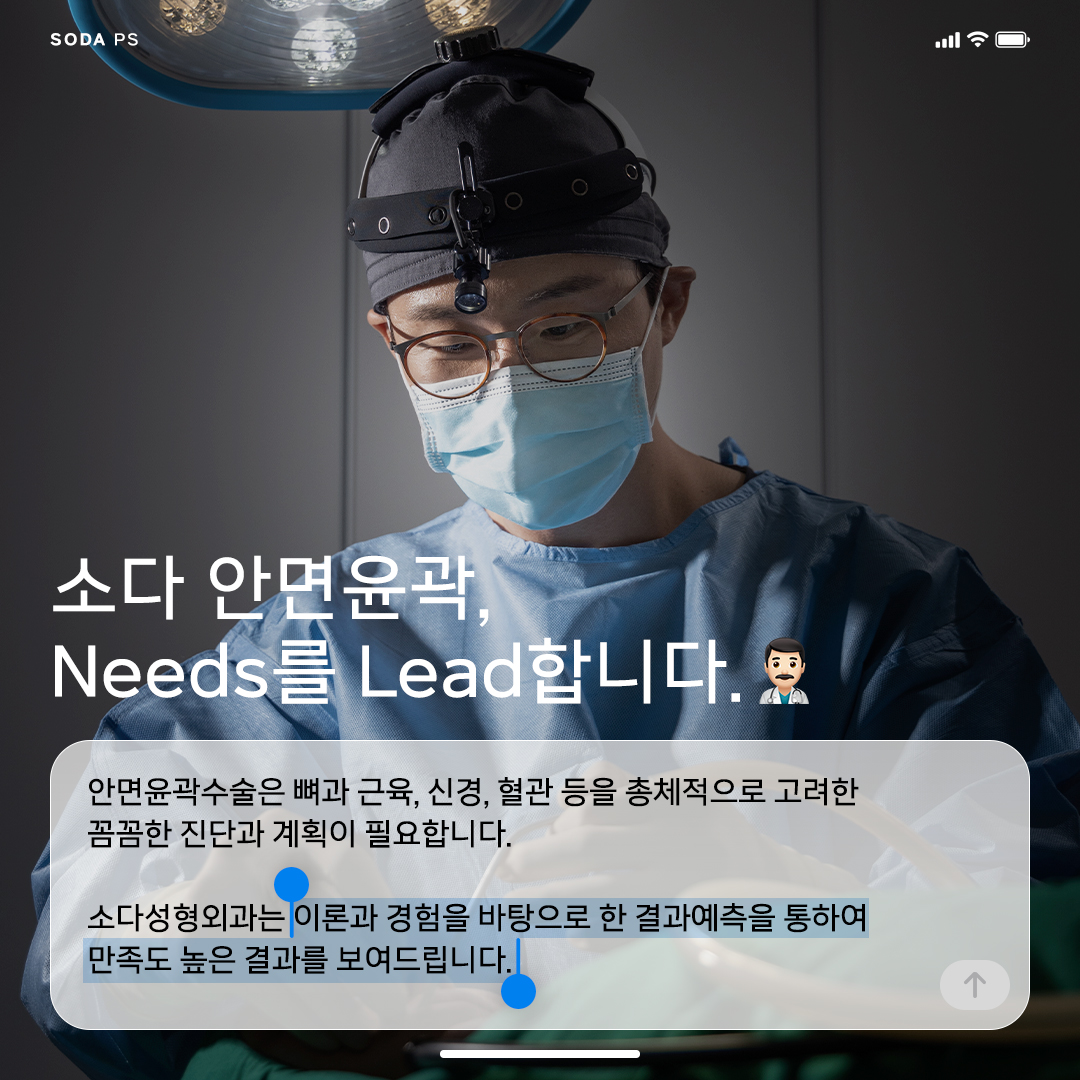
Longer and more complex surgeries require more operating room time, staff, and resources, which is reflected in the price. Advanced planning tools, including 3D CT scans and detailed surgical simulations, also add to the cost but support more precise and safer surgery.
Anesthesia type and anesthesiologist
Cheekbone reduction is commonly performed under general anesthesia. Having a board-certified anesthesiology and pain medicine specialist in-house to manage anesthesia and monitor you throughout surgery is an important safety factor. General anesthesia with specialist care is more costly than simple sedation, but it is often more appropriate for bone surgery of this scale.
Safety systems and post-operative care
Clinics that invest in comprehensive safety systems and structured post-operative care usually have higher overhead costs. This can influence the fee, but it is directly related to patient safety and recovery quality.
How to interpret price ranges and very low offers
Because cheekbone reduction is a high-difficulty bone surgery, it generally sits in the upper price band among cosmetic procedures in Korea. When you see prices that are significantly lower than the typical range, it is important to ask what may be different.
Very low offers can sometimes mean:
Shorter operating times with less detailed bone work.
Limited pre-operative imaging, such as no CT scan or minimal analysis.
Less comprehensive monitoring and safety equipment.
Simplified follow-up schedules with fewer in-person checks.
These factors can increase the risk of asymmetry, under-correction, over-correction, or the need for revision surgery later. Instead of focusing only on the number, compare what is included in the fee.
What is typically included in a cheekbone reduction fee
When you receive a quote for cheekbone reduction, it is helpful to confirm whether the following are included:
Initial consultation and facial analysis.
Pre-operative tests and imaging, including CT scans if used.
Individualized surgical planning and design.
Surgeon’s fee and operating room use.
Anesthesia fee under a specialist’s care.
Immediate post-operative monitoring and any short-term hospitalization or recovery room stay.
Scheduled follow-up visits and basic post-operative care.
Management of swelling, scar care, and any aesthetic aftercare programs if offered.
Ask the clinic for a written breakdown of these items. This makes it easier to compare clinics fairly, rather than relying on a single lump-sum figure.
Facial contouring focused clinic in Gangnam
This clinic is located on Gangnam-daero in Seocho-gu, Seoul, in a building near major commercial areas. The location is convenient for both local residents and overseas patients staying in nearby hotels or serviced apartments.
The practice focuses its treatment lineup on facial contouring procedures. The main surgical menu includes cheekbone reduction, mini cheekbone reduction, square jaw surgery, V-line surgery, mini V-line, chin surgery, and revision contouring. This focus means that cheekbone reduction is treated as a core area of practice rather than a side service.
A surgeon with experience in facial contouring handles complex cheekbone cases, including revision procedures and pin removal after prior surgeries.
An anesthesiologist manages anesthesia during surgery; anesthesia care is an important safety element for bone procedures under general anesthesia. Confirm the clinic's anesthetic staffing and specialist coverage during your consultation.
Safety systems and why they affect cost
Safe cheekbone reduction requires more than surgical technique. Anesthesia management, emergency preparedness, and real-time monitoring are all crucial, especially for international patients who have traveled far from home.
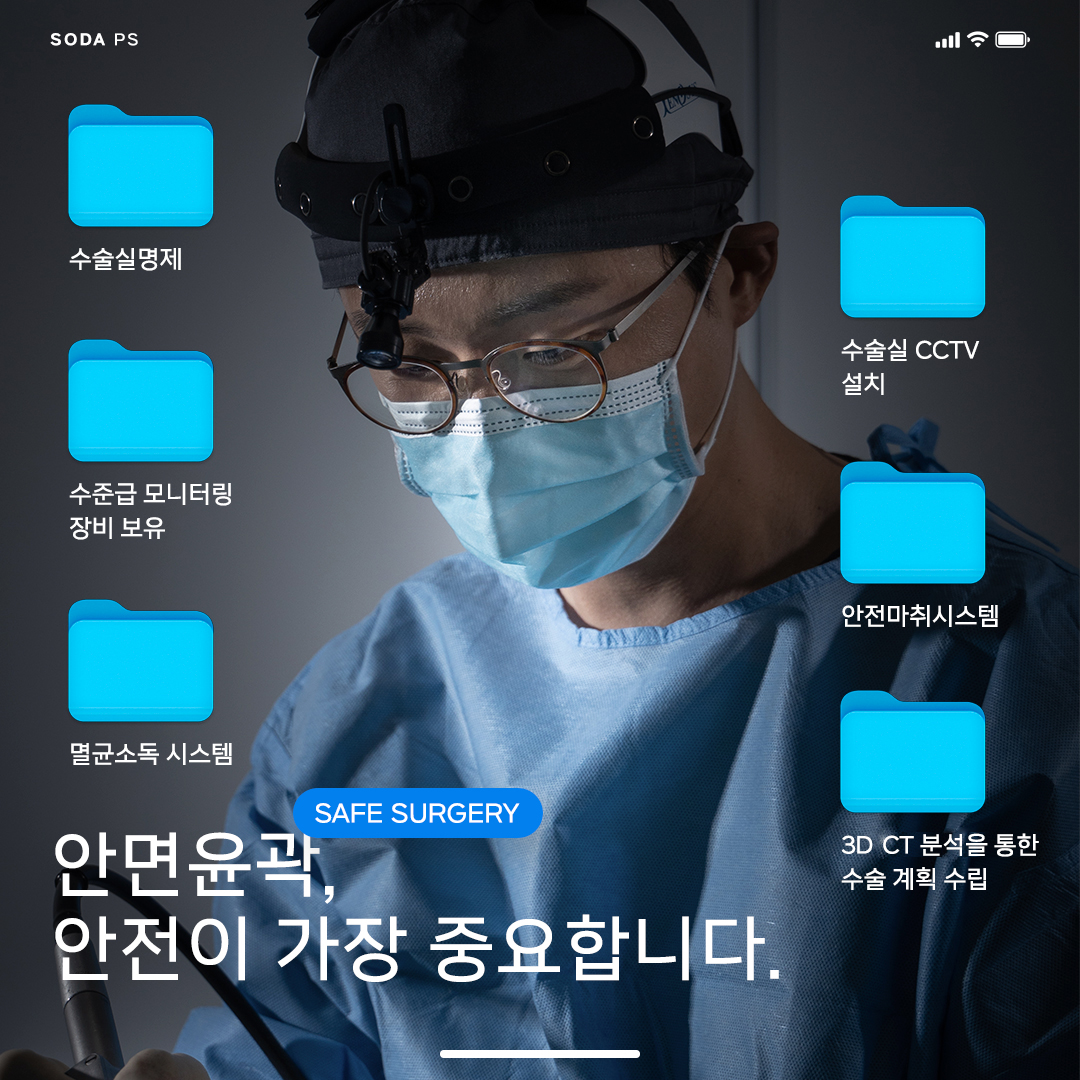
This clinic emphasizes several safety elements, including:
Some clinics may offer additional safety and transparency measures; confirm which of the following are in place at your chosen clinic. Examples include:
- A named-surgeon system so you know who is responsible for your surgery in the operating room.
- Operating room CCTV for transparency, where permitted by local regulations.
- Stocking emergency drugs to respond to rare but serious anesthesia-related complications.
- Uninterruptible power supplies to keep vital equipment running in case of power issues.
- Central monitoring systems to continuously track vital signs such as heart rate, blood pressure, and oxygen levels.
- Gas leak detection and alarm systems for anesthesia gases.
Maintaining these systems and specialist staff increases the clinic’s operating costs, which is reflected in the surgery fee. However, for bone surgery under general anesthesia, such infrastructure is directly linked to patient safety.
Imaging and planning: CT scans can be useful for planning revision facial contouring and pin removal cases because they allow three-dimensional analysis of bone thickness, sinus position, and asymmetry. Ask whether CT imaging is included in your clinic's preoperative planning.
Cheekbone reduction benefits greatly from detailed imaging.
By studying these images, the surgeon can design more precise osteotomy lines and repositioning plans. The clinic also emphasizes before-and-after CT comparisons for complex revision and pin removal cases, and publicly shows CT-based revision examples. This indicates experience with secondary surgeries after double jaw or previous contouring.
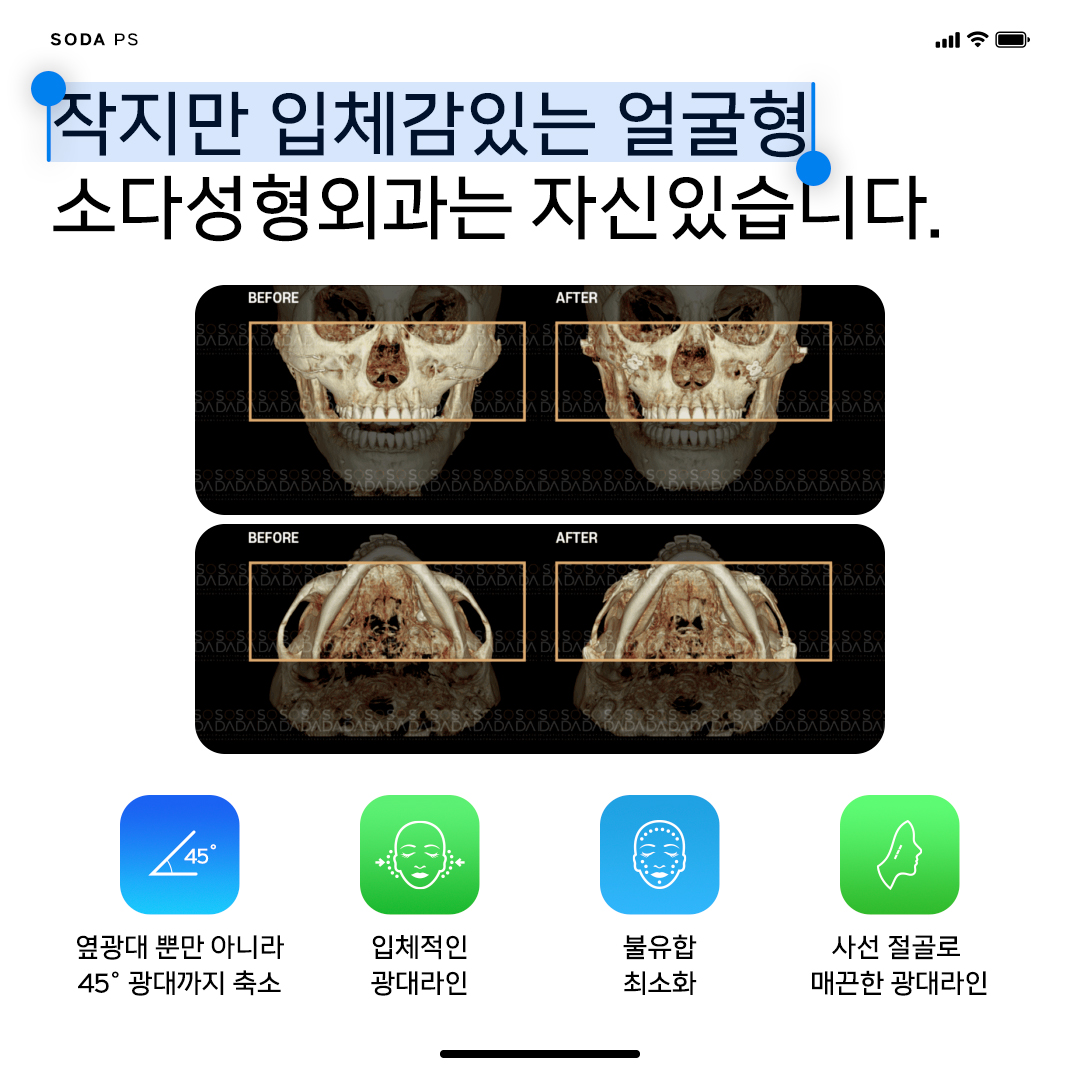
This level of imaging and revision capability can increase the cost, but it may reduce the risk of unsatisfactory results and the need for additional surgery later.
Preparing for online consultation and first contact
If you are overseas, an online consultation is often the first step. To make the most of it, prepare the following in advance:
Clear photos of your face from the front, both sides, and 45 degree angles.
Any previous medical records or operation notes if you had facial surgery before.
Information about your medical history, medications, and allergies.
Your main concerns, such as which angle bothers you most and what kind of change you hope for.
During the online consultation, you can ask about possible methods, whether CT imaging will be used, expected changes from the front and 45 degree views, approximate recovery time, and potential risks. You can also request an estimated price range and ask what is included.
Expected Korea visit timeline for cheekbone reduction
For overseas patients, a typical visit might look like this, although it can vary by individual case and clinic schedule.
Day 1 to 2: In-person consultation, CT scan, and pre-operative tests. Detailed discussion of the surgical plan, consent, and final cost. Some patients may have surgery the next day if tests are clear.
Day 2 to 3: Surgery day. You will be admitted to the clinic, undergo anesthesia, and have the procedure. After surgery, you stay in a recovery area for monitoring. Some patients may stay a night if needed.
First week: Frequent check-ups to monitor swelling, bruising, and healing. Stitches inside the mouth and any small skin incisions are checked. You may receive medications, mouthwash, and instructions for sleeping position and activity restrictions.
Second week: Additional follow-up visit, removal of any external stitches if present, and review of swelling progress. Many overseas patients stay in Korea for at least 10 to 14 days after cheekbone reduction to complete early recovery checks.
Beyond two weeks: If you must return home, you will usually continue follow-up via online consultations, sending photos and updates. The clinic may schedule CT or in-person reviews for your next visit to Korea if you plan a return.
Aftercare and recovery considerations
After cheekbone reduction, swelling and a feeling of tightness or heaviness in the midface are common. Bruising may appear around the cheeks and under the eyes. These usually improve over several weeks, but subtle swelling can take a few months to fully settle.
You will receive guidance on:
How to clean the mouth and any incision areas.
Foods to avoid and how to gradually return to a normal diet.
Sleeping with your head elevated to reduce swelling.
Avoiding strong pressure on the cheeks and high-impact exercise for a certain period.

Following the clinic’s instructions closely is important for safe healing and stable bone fixation.
How to choose a clinic beyond price
When selecting a clinic for cheekbone reduction in Korea, consider the following points in addition to cost:
Whether the clinic specializes in facial contouring and performs cheekbone reduction regularly, not just occasionally.
The surgeon’s training background and experience with both primary and revision cheekbone surgeries.
Presence of a board-certified anesthesiologist for general anesthesia cases.
Existence of documented safety systems and emergency protocols.
Availability of CT-based planning and willingness to show objective before-and-after imaging, especially for complex cases.
How realistic and detailed the consultation is, including discussion of limitations, risks, and expected changes from different angles.
Be cautious about choosing solely based on the lowest quote or aggressive discounts. Cheekbone reduction permanently changes your facial structure, so prioritizing safety and expertise is essential.
Clinic practical information for international patients
The clinic is located on Gangnam-daero in Seocho-gu, Seoul, close to major commercial and transport hubs. This makes it convenient to reach from Incheon or Gimpo airports via airport limousine buses, subway, or taxi.
The clinic offers weekday and extended Friday hours, with Saturday consultations and surgeries. It is closed on Sundays and public holidays, so overseas patients should plan travel dates accordingly.
For language support, the clinic’s website provides information in Korean, English, and Japanese, which can be helpful for non-Korean-speaking patients. The clinic also operates official channels such as Instagram, YouTube, and online messaging or booking platforms, where you can view case-related content and request consultations.
Frequently asked questions about cheekbone reduction surgery cost
How much does cheekbone reduction surgery usually cost in Korea?
Cheekbone reduction is generally in the higher price range among cosmetic procedures because it is a complex bone surgery performed under general anesthesia. However, there is no single standard price. The fee varies by clinic, surgeon experience, imaging and planning systems, safety infrastructure, and whether it is a primary or revision case. For an accurate figure, you need an individual consultation with imaging and a clear breakdown of what is included.
Why is revision cheekbone surgery more expensive?
Revision cheekbone surgery is usually more difficult than first-time surgery. The surgeon may need to deal with existing plates or screws, altered bone shapes, and scar tissue from previous operations. This requires more detailed planning, longer operating time, and often more advanced imaging. These factors increase the overall cost compared with primary cheekbone reduction.
What should I check is included in the cheekbone reduction quote?
When you receive a quote, confirm whether it includes consultation, CT or other imaging, pre-operative tests, surgeon and operating room fees, anesthesia by a specialist, immediate post-op monitoring, any short-term hospitalization, follow-up visits, and basic aftercare such as swelling management and scar care. Asking for a written, itemized estimate helps you compare clinics more fairly and avoid unexpected additional charges.
Is it risky to choose the cheapest cheekbone reduction option?
A lower price does not automatically mean poor quality, but extremely low prices can be a warning sign. They may reflect shorter operating times, limited imaging, less comprehensive safety systems, or minimal follow-up care. For bone surgery that permanently changes your face, prioritizing safety, experience, and thorough planning is usually safer than choosing purely on cost.
How long do I need to stay in Korea after cheekbone reduction?
Many overseas patients plan to stay in Korea for about 10 to 14 days after cheekbone reduction. This allows time for initial recovery, removal of any external stitches, and early follow-up checks. However, the ideal stay can vary depending on your health, the extent of surgery, and the clinic’s protocol. It is important to discuss your travel schedule with the clinic in advance so they can plan your surgery and follow-up visits appropriately.
Soft call to action for online consultation
If you are considering cheekbone reduction in Korea and want to understand your likely cost range more clearly, an online consultation is a practical first step. By sharing photos, previous medical information, and your goals, you can receive a more personalized explanation of suitable methods, expected changes, recovery timeline, and what would be included in your fee.
You can contact the clinic through its official website or online messaging and booking channels to arrange a consultation in English or Japanese. A careful discussion with the medical team will help you decide whether cheekbone reduction in Seoul fits your needs, budget, and travel plans.



댓글
댓글 쓰기