Cheekbone Reduction Surgery in Seoul: A Practical Guide for International Patients
- 공유 링크 만들기
- X
- 이메일
- 기타 앱
Direct answer summary
Cheekbone reduction surgery, or zygoma reduction, reshapes and repositions the cheekbones to reduce facial width and projection. The procedure requires three-dimensional planning — assessing the face from front, oblique (45-degree), and profile views — and how the cheekbones align with the jawline and chin.
This guide explains what cheekbone reduction surgery involves, who may consider it, how the process works at a facial contouring-focused clinic in Seoul, what to expect during a visit to Korea, and how safety and anesthesia are managed.
Treatment overview: what is cheekbone reduction surgery
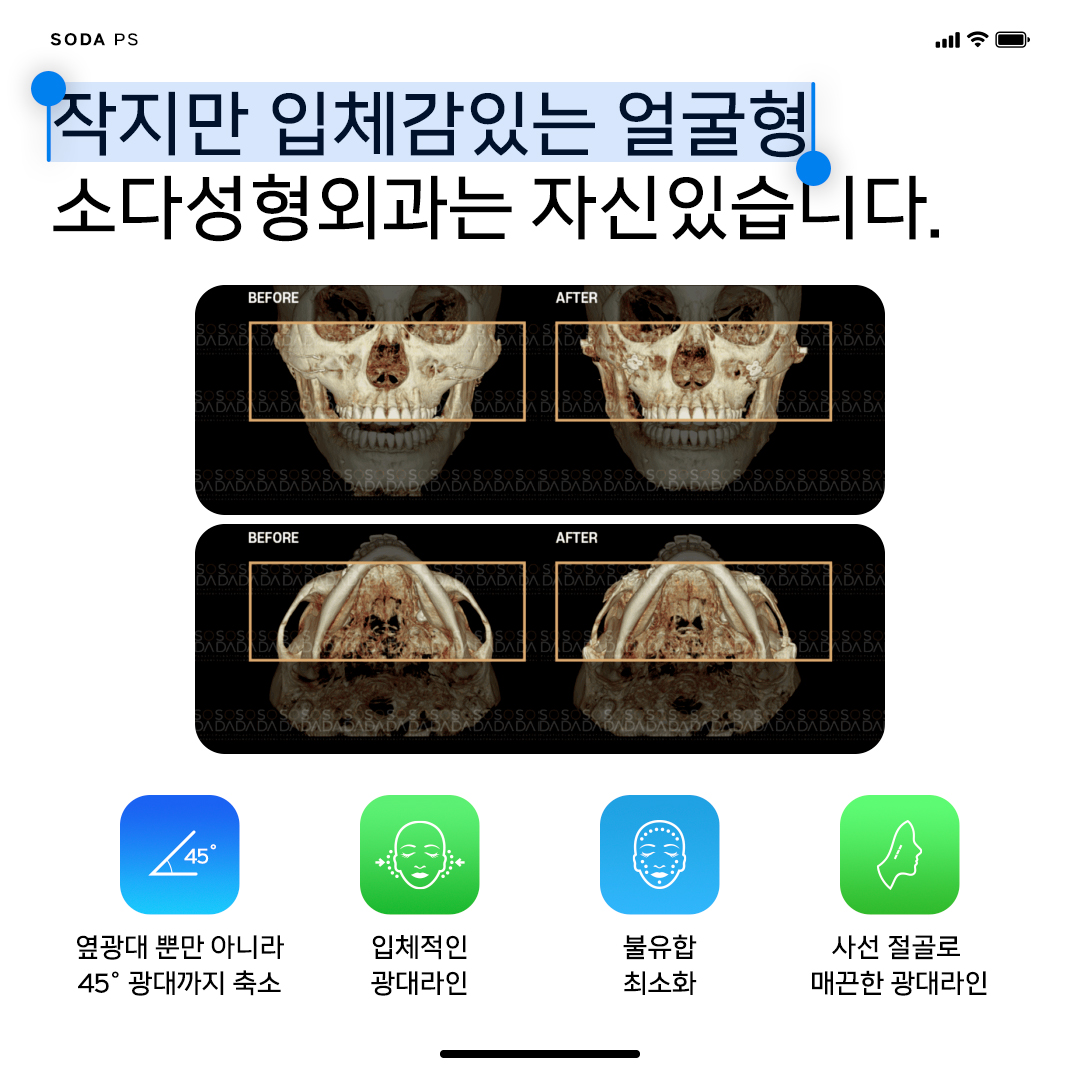
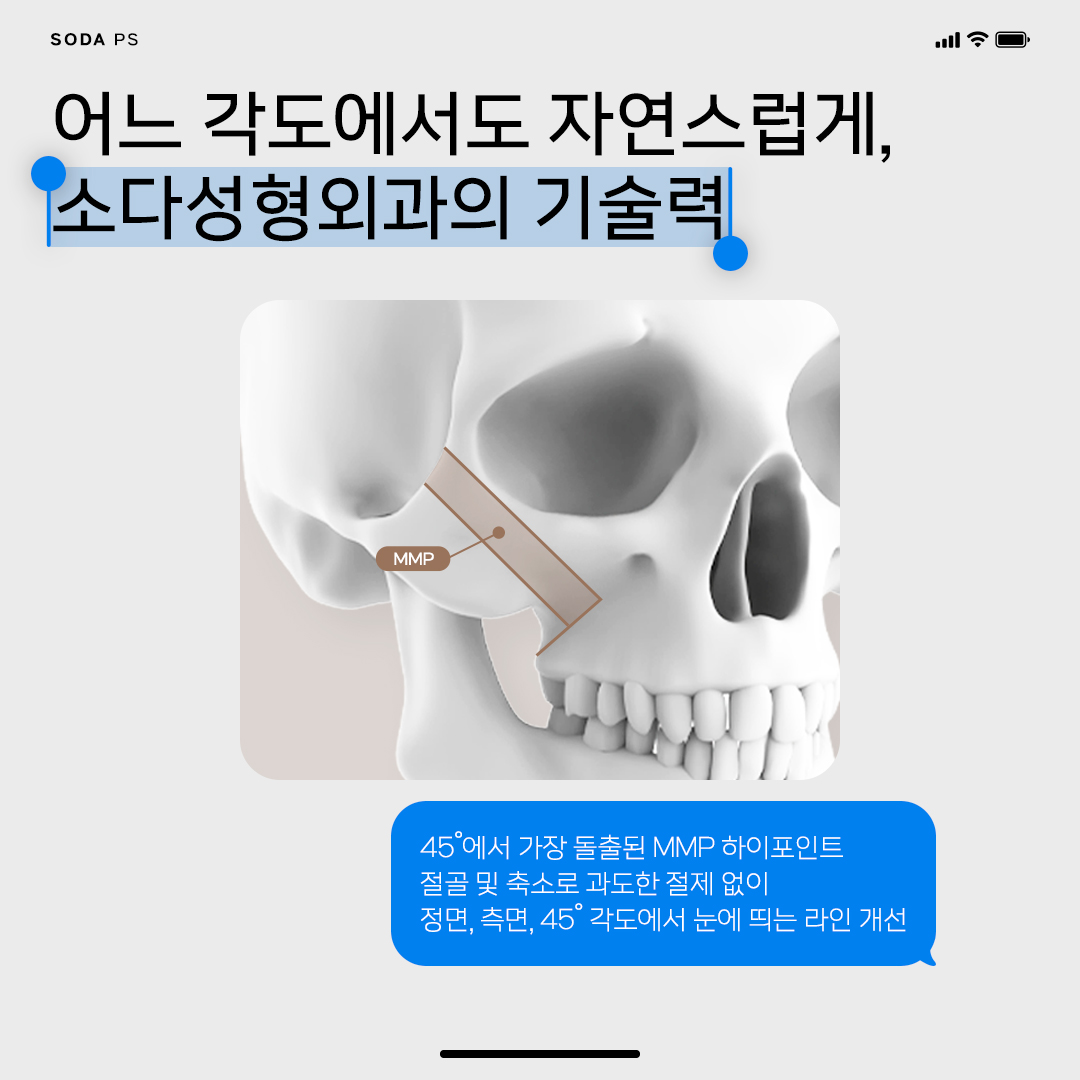
Cheekbone reduction surgery is a procedure that reshapes the zygoma, which is the bony structure forming the outer part of your cheek. When the zygoma and its arch are wide or protruding, the face can look broad or angular, especially in 45-degree photos and side views.
The goal of cheekbone reduction is to reduce this width and projection to create a softer, slimmer facial outline while maintaining support for the midface. Instead of simply shaving the bone, the surgeon makes controlled cuts at key points of the cheekbone, then repositions and fixes the bone in a more inward and balanced position.
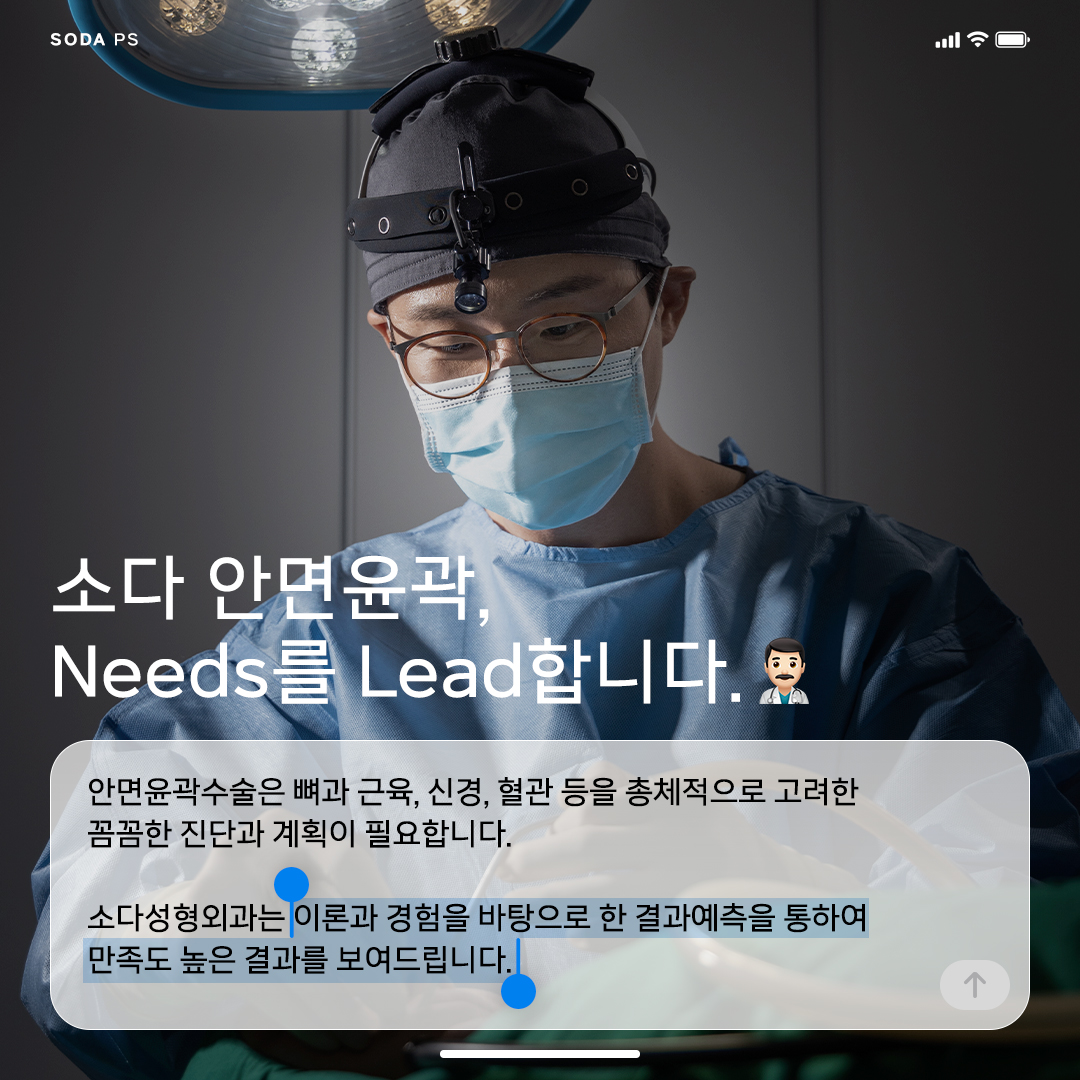
A facial contouring-focused clinic will look at your face from multiple angles and consider how your cheekbones interact with your jaw angle, chin, and midface volume. The aim is not to copy one standard face, but to design a contour that suits your own features.

Common aesthetic concerns it addresses
Many patients who ask about cheekbone reduction surgery share similar concerns.
They feel their face looks wide in photos, especially at a 45-degree angle.
They feel they give a strong or harsh impression because the cheekbones stick out from the side.
They notice asymmetry, where one cheekbone looks higher or more protruding than the other.
They want a smoother transition from the cheek area to the jawline and chin.
If you recognize these points and are already looking beyond non-surgical options like fillers or threads, you may be in the right stage to learn about surgical cheekbone contouring.
How the surgery works in simple terms
Although each clinic and surgeon may use slightly different techniques, the basic concepts are similar.
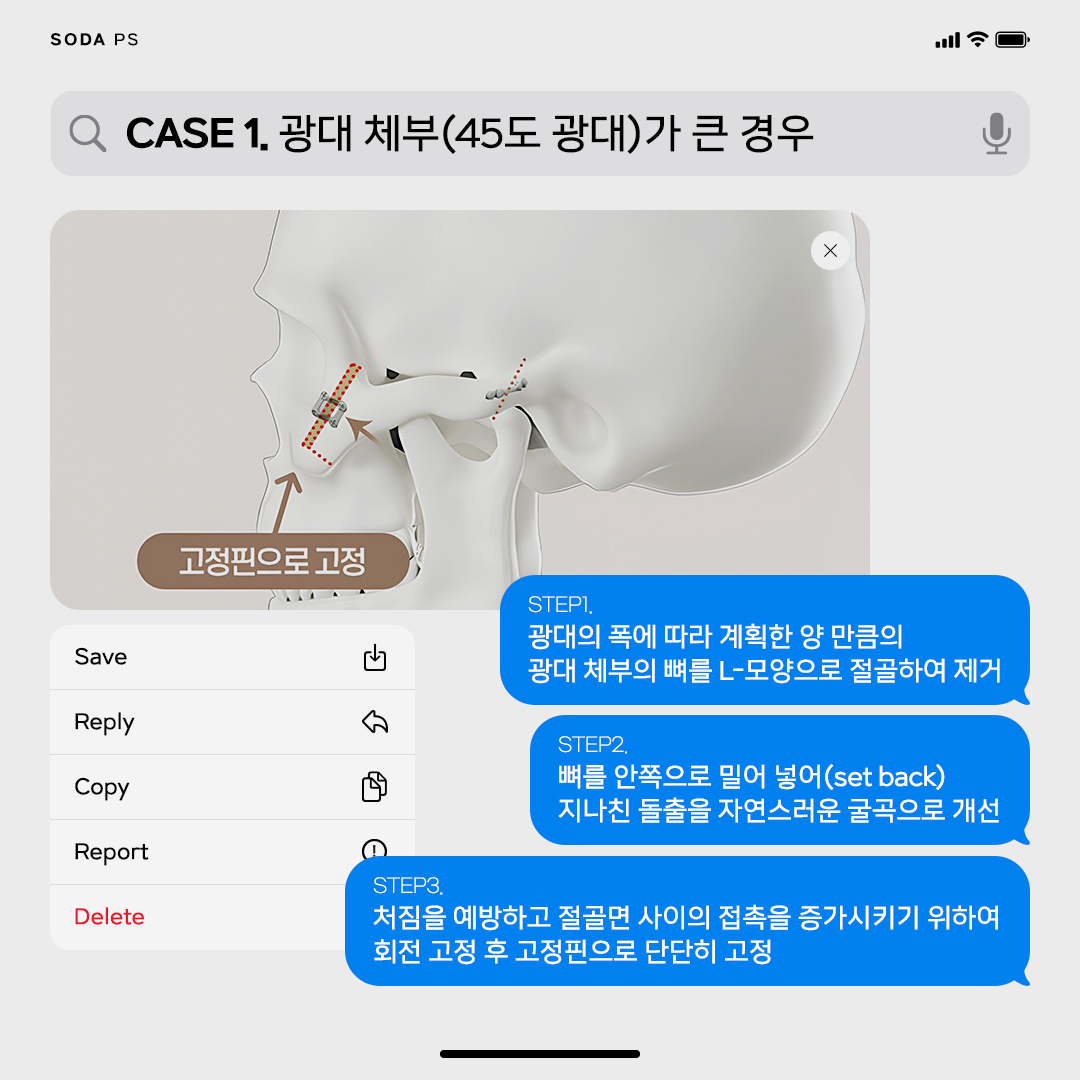
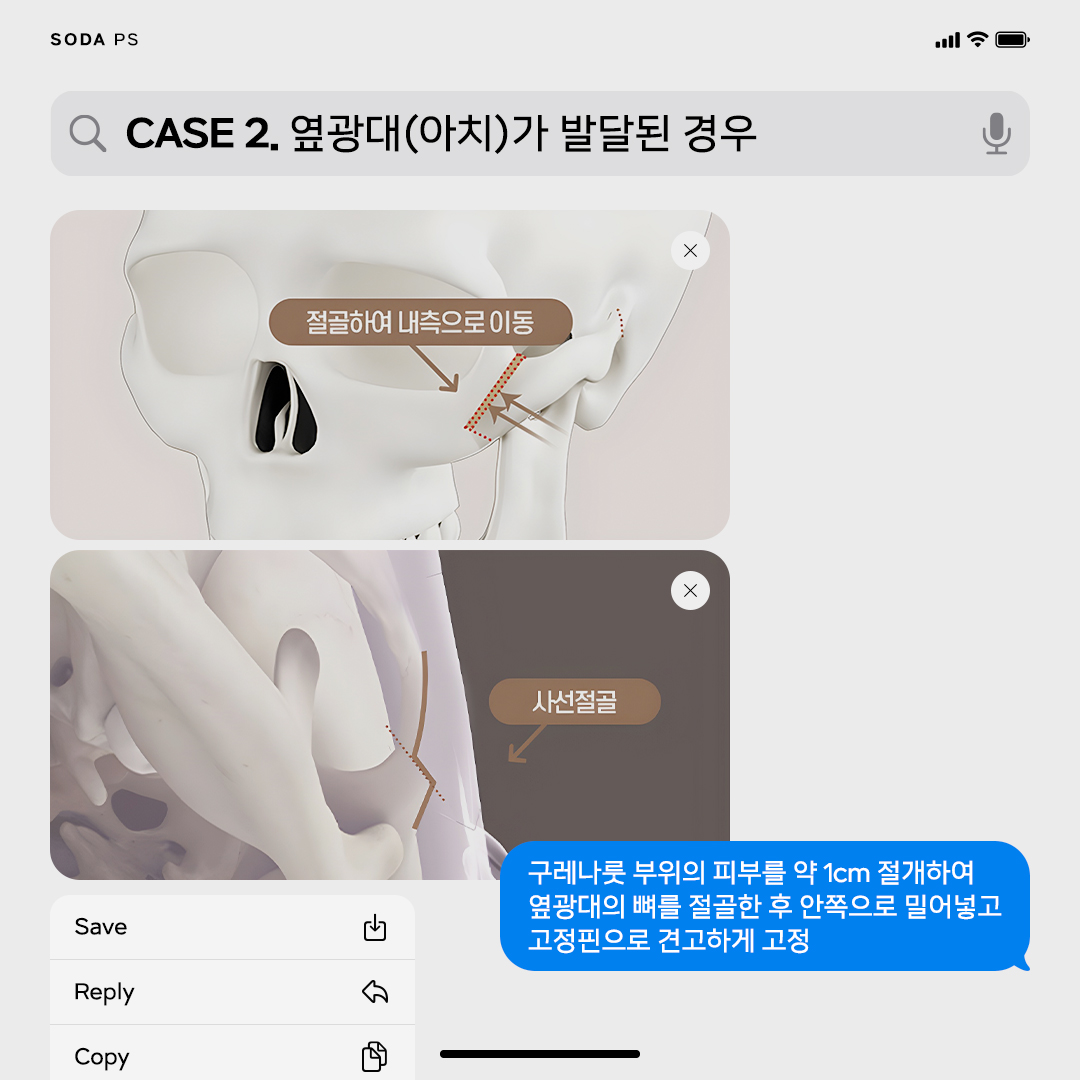
The cheekbone has two main parts that matter for contouring: the front body of the zygoma (the part you see in the mirror) and the side arch (the part you feel when you touch the side of your face near the ear). In cheekbone reduction surgery, the surgeon usually makes small incisions inside the mouth and sometimes near the sideburn area.
Through these access points, the surgeon cuts the front part of the cheekbone and the arch, then gently moves the bone inward and slightly backward according to the pre-planned design. The repositioned bone is fixed in place with small plates and screws so that it can heal in the new position.
Because this is a three-dimensional change, the surgeon must consider how much to move the bone inwards, how this affects the 45-degree view, and how it aligns with the jaw and chin. Over-reduction can create a hollow or sagging look, so a conservative and balanced approach is important.
Full cheekbone reduction vs mini cheekbone surgery
Full cheekbone reduction is designed for patients with clearly protruding cheekbones from both the front and side views. It typically involves cutting and repositioning both the front body and the arch of the zygoma. This allows a wider range of correction and can significantly change the facial width and angle.

Mini cheekbone surgery is for patients with mild protrusion or those who only need a subtle adjustment. The correction range is smaller, and the procedure may be less invasive, with more limited bone movement. It can be suitable for people who want a softer line rather than a big change, or for those who are concerned about recovery.
Which option is appropriate depends on CT imaging, facial analysis, and your goals. A careful consultation is necessary to avoid under-correction, which may leave you disappointed, or over-correction, which may affect facial support.
Why over-reduction can cause sagging or hollow cheeks
The cheekbone acts like a frame that supports the midface soft tissues. If too much bone is removed or moved inward excessively, the soft tissues may lose support. Over time, this can lead to a hollowed or sagging appearance, especially in patients who already have thin skin or low facial fat.
For this reason, experienced contouring surgeons usually plan the surgery with a conservative mindset. The goal is to reduce width and harsh angles while preserving enough structure to maintain a youthful and stable midface. This is also why CT-based planning and realistic expectations are so important.
Who may consider cheekbone reduction surgery
Good candidates for cheekbone reduction surgery are usually adults with stable health and clear concerns about their cheekbone width or projection.
You may be a potential candidate if you are:
An adult with a fully grown facial skeleton.
Bothered by wide or protruding cheekbones in photos or daily life.
Looking for a surgical solution rather than temporary fillers or thread lifting.
Open to a balanced, natural-looking change rather than a dramatic or extreme transformation.
Able to take time for recovery and follow postoperative instructions.
Who should be cautious or need extra evaluation
Some people may still be able to have cheekbone reduction surgery but require more careful assessment.
Very thin faces: If you already have little facial fat, aggressive reduction can make you look older or hollow. A conservative plan is essential.
Severe skin laxity: If the skin is already very loose, the risk of sagging after bone reduction is higher. Combined lifting procedures or alternative plans may be discussed.
Previous facial contouring: If you have had cheekbone, jaw, or chin surgery before, the surgeon must check existing plates, screws, and bone healing with CT.
Unrealistic expectations: If you expect a completely different face or a celebrity’s exact features, surgery may not be appropriate. Honest discussion is necessary.
In all cases, an in-person evaluation in Seoul, including CT imaging and physical examination, is needed before final decisions.

Consultation and diagnosis at a facial contouring-focused clinic
Facial analysis from multiple angles
The surgeon or consultant will examine your face from the front, 45-degree, and side views. Photos are usually taken in a standardized way. The aim is to understand where the width comes from, whether the cheekbones are high or low, and how they relate to your jawline and chin.
Use of CT imaging
CT imaging is a key part of planning cheekbone reduction surgery. It shows bone thickness, the shape of the zygoma and arch, the position of the sinus, and any previous plates or screws if you had surgery before.
For revision or plate removal cases, CT allows the surgeon to compare before and after bone positions and plan how to adjust or remove existing hardware safely.
Discussion of surgical options
Based on your facial analysis and CT, the surgeon will explain whether full cheekbone reduction or mini cheekbone surgery is more appropriate. They may also discuss whether combining jawline or chin surgery would give a more harmonious result.
At clinics where facial contouring is the main focus, the surgeon often has experience with cheekbone, jaw angle, V-line, chin, and revision contouring, which can help in designing a balanced overall plan.
Preoperative preparation and anesthesia planning
Before surgery, several steps are taken to ensure safety and predictability.
Medical history and tests
You will be asked about your medical history, medications, allergies, and previous surgeries. Basic lab tests and, if needed, additional examinations are performed to check your fitness for general anesthesia.
Anesthesia risk assessment
after waking.
Setting realistic expectations
The surgeon will discuss the expected degree of change, the likely swelling period, and possible limitations based on your anatomy. This is especially important for revision cases, where previous surgery may limit how much further correction is possible.
Surgery day: what happens
On the day of cheekbone reduction surgery, you will arrive at the clinic and complete final checks.
General anesthesia
General anesthesia is administered and monitored by the board-certified anesthesiologist. Throughout the procedure, your vital signs are continuously tracked using central monitoring systems. The presence of a dedicated anesthesiology specialist allows the surgeon to focus fully on the facial contouring work.
Surgical procedure
The surgery is performed according to the pre-planned design. Ask to see the surgeon's qualifications, past positions, and training, and verify these claims in person or via official documentation before booking.
The incisions are made, the cheekbones are cut and repositioned, and fixation is applied. The aim is to create natural harmony rather than identical results for every patient. The surgeon adjusts the degree of movement based on your individual facial structure and the agreed plan.
Safety systems in the operating area
At a safety-focused clinic, several systems are in place.
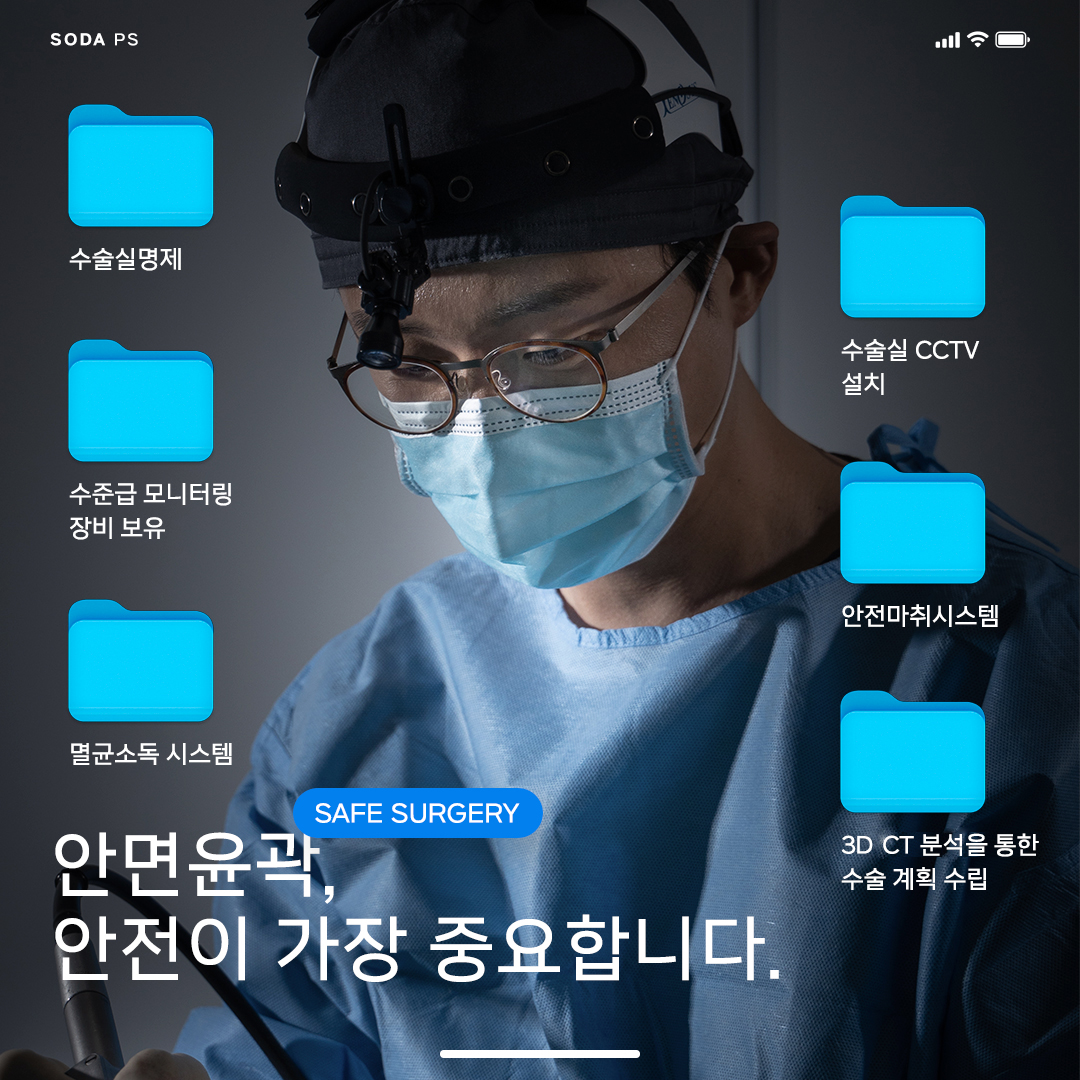
Examples of safety measures you may want to ask a clinic about include: a named surgeon system (clear identification of the surgeon responsible from planning through surgery); whether operating rooms use CCTV for transparency and quality control within applicable legal and privacy rules; availability and regular checking of emergency medications for rare events; backup power systems (such as uninterruptible power supplies) for vital equipment; and central monitoring and anesthetic gas leak alarms. Confirm which of these systems are in place at a specific clinic before making arrangements.
Postoperative care and recovery
After surgery, you will be monitored in a recovery area until you are fully awake from anesthesia.
Early recovery
In the first few days, swelling and bruising are common. You may feel tightness, mild pain, and temporary numbness around the cheeks. Pain is usually manageable with prescribed medication.
You will receive instructions about:
Sleeping posture, often with your head elevated to reduce swelling.
Avoiding pressure or trauma to the face.
Diet, which may start with soft foods and progress as you feel comfortable.
Avoiding smoking and alcohol as advised, because they can affect healing.
Return to daily activities
Recovery timelines vary between individuals. Some patients resume light daily activities and desk work within about 1–2 weeks, depending on the extent of surgery and individual healing. Visible swelling typically decreases over several weeks, and the basic contour may become noticeable after the main swelling subsides (often within 1–3 months); however, final results can take longer. Always follow your surgeon's postoperative instructions and discuss expected timelines for your specific case.
Final contour
The basic contour becomes noticeable after the main swelling subsides, usually around one to three months. However, subtle changes and refinement can continue for several more months as tissues settle.
Follow-up and aftercare programs
Regular follow-up visits are important to check healing, nerve sensation, and symmetry. Some clinics offer aesthetic aftercare programs, such as swelling management, gentle massage, or skin care, to support recovery and skin quality. These are usually tailored to each patient and may be scheduled over the first few weeks after surgery.
Safety, risks, and how this clinic approaches them
Cheekbone reduction is a bone surgery under general anesthesia, so safety systems are essential.
At a facial contouring-focused clinic on Gangnam-daero, safety is approached in several layers.
Experienced facial contouring structure
The clinic’s practice is centered on facial contouring surgeries such as cheekbone reduction, jaw angle contouring, V-line surgery, chin surgery, and revision contouring. This focus helps the team build experience with various bone shapes, asymmetries, and revision cases.
Lead surgeon background
The lead surgeon has previously served as the head of a facial contouring center at a large plastic surgery hospital and has fellowship experience at a major tertiary hospital. This background supports the ability to handle complex and revision cases, including CT-based before-and-after comparisons and plate removal.
Dedicated anesthesiology specialist
A board-certified anesthesiologist is a named doctor responsible for anesthesia and pain management. This specialist manages induction, monitoring, and wake-up, and is prepared to respond to anesthesia-related issues.
Documented safety system
The clinic maintains a documented safety system that may include:
Named surgeon and anesthesiologist system.
Operating room CCTV.
Emergency drugs for rare but serious events.
Uninterruptible power supply and backup systems.
Central monitoring of vital signs.
Gas leak alarms for anesthetic gases.
These elements work together to reduce risk and improve predictability, although no surgery can be completely free of risk.
Risks and possible complications
Like any surgery, cheekbone reduction has potential risks.
Common and usually temporary issues include swelling, bruising, and numbness around the cheeks. These often improve over weeks to months.
There is a possibility of asymmetry, under-correction, or over-correction. In some cases, revision surgery may be considered after full healing.
Rare but more serious risks include infection, nerve injury, problems related to anesthesia, or issues with bone healing. Choosing a clinic that can manage revision and plate removal cases, and that explains CT findings and plans transparently, is important.
Online consultation and pre-visit preparation for overseas patients
If you are considering cheekbone reduction surgery in Seoul from overseas, an online consultation is a practical first step.
What to prepare for online consultation
Clear front, 45-degree, and side view photos taken in good lighting.
Information about your age, medical history, medications, and previous facial procedures.
Your main concerns and goals, written as simply and honestly as possible.
Questions you would like to ask about techniques, anesthesia, recovery time, and combination surgeries.
During the online consultation, the clinic can give you a preliminary opinion, suggest whether full or mini cheekbone reduction might suit you, and estimate the recommended stay in Korea. Final decisions, however, are always made after in-person examination and CT imaging.
Questions to ask before booking
Before you confirm your trip, it is helpful to ask the clinic:
- Who will be my operating surgeon, and what is their experience in facial contouring?
- Is there a dedicated anesthesiology specialist present during surgery?
- What safety systems are in place in the operating room?
- How many days should I stay in Korea for surgery and follow-up?
- What is the typical recovery timeline for international patients?
Expected Korea visit timeline for cheekbone reduction
The exact schedule can vary, but many overseas patients follow a similar timeline.
Day 1–2: Arrival and in-person consultation
You arrive in Seoul and visit the clinic for consultation, facial analysis, CT imaging, and preoperative tests. The surgeon confirms the plan, explains the details, and answers your questions.
Day 2–3: Surgery day
On the scheduled day, you undergo cheekbone reduction surgery under general anesthesia. After recovery room monitoring, you may either stay a short time in the clinic or return to your accommodation with instructions, depending on the clinic’s policy and your condition.
First week: Early follow-up
You attend one or more follow-up visits to check swelling, incision healing, and early bone stability. If the clinic offers aftercare such as swelling management or gentle treatments, some of these may be scheduled during this period.
Second week and beyond: Additional checks
Some patients stay in Korea for around 10 to 14 days after surgery to complete early follow-up and ensure there are no immediate issues. Others may stay longer depending on the complexity of the surgery and their travel flexibility.
The clinic will advise you on when you can safely fly and what to watch for after returning home.

Aftercare once you return home
After you leave Korea, you will continue healing over the next several months.
You should:
Follow the written instructions about diet, activity, and facial care.
Avoid strong impact or pressure on the cheek area.
Monitor for unusual pain, swelling, or fever and contact the clinic if you are concerned.
Attend local medical check-ups if recommended, and share any important findings with the clinic.
Many clinics keep in touch with international patients by email or messaging apps to check progress and answer questions during the healing period.
Revision cheekbone surgery and plate removal
Some patients contact a Seoul clinic because they are not satisfied with previous cheekbone surgery done elsewhere, or they need plate removal.
Revision cheekbone surgery is usually more complex than first-time surgery. Scar tissue, altered bone shape, and existing plates and screws must be considered. CT-based analysis is essential to understand what was done before and what can safely be changed.
In some cases, only plate removal is needed, for example if plates cause discomfort or are visible. In others, additional contouring or repositioning may be discussed. The surgeon will usually recommend waiting until the bone has fully healed from the first surgery before attempting revision.
Combining cheekbone reduction with jawline or chin surgery
For some patients, the main concern is overall facial width or lower face shape rather than cheekbones alone. In such cases, combining cheekbone reduction with jaw angle contouring, V-line surgery, or chin surgery may provide a more harmonious result.
Because this clinic focuses on facial contouring, the surgeon can evaluate whether a single procedure is enough or whether combined surgery would better match your goals. However, combined surgery also means a longer operation and recovery, so the benefits and risks should be discussed carefully.
Frequently asked questions about cheekbone reduction surgery
Who is a good candidate for cheekbone reduction surgery?
A good candidate is an adult with a stable health condition who is clearly bothered by wide or protruding cheekbones and is seeking a surgical solution. You should have realistic expectations and be willing to follow postoperative instructions. People with very thin faces, significant skin laxity, or previous facial contouring can still be considered, but they need more careful evaluation and a conservative surgical plan.
What is the difference between full cheekbone reduction and mini cheekbone surgery?
Full cheekbone reduction involves cutting and repositioning both the front body and side arch of the zygoma to achieve a more noticeable change in facial width and projection. It is suitable for patients with more prominent cheekbones. Mini cheekbone surgery targets a smaller correction range and is less invasive, often used for mild protrusion or when only a subtle softening is desired. The choice depends on your anatomy, CT findings, and your goals.
How long does swelling last and when will I see the final facial contour?
Most swelling is noticeable in the first one to two weeks after surgery. It gradually decreases over several weeks, and many patients feel comfortable in public with makeup after around two to four weeks, depending on individual healing. The basic contour becomes clear around one to three months, but fine details and final settling can take several more months.
Will cheekbone reduction make my face look saggy or older?
If too much bone is reduced or moved inward aggressively, there is a risk of reduced support and a hollow or sagging appearance, especially in thin faces. To minimize this, experienced contouring surgeons use a balanced design and avoid over-reduction. During consultation, your skin quality and soft tissue volume are assessed, and a conservative plan is made when needed. In some cases, additional procedures or careful fat preservation may be discussed to support the midface.
Is cheekbone reduction safe, and what safety systems should I look for in a clinic?
Cheekbone reduction can be performed safely when proper systems are in place, but it is still surgery under general anesthesia and carries risks. When choosing a clinic, look for a facial contouring-focused structure, an experienced lead surgeon, a dedicated board-certified anesthesiologist, and a documented safety system including emergency drugs, backup power, central monitoring, and gas leak alarms. Also check whether the clinic is transparent about CT findings, surgical plans, and potential risks.
How is general anesthesia managed during cheekbone surgery at this clinic?
General anesthesia is managed by a board-certified anesthesiologist who is responsible for induction, monitoring, and recovery. Your vital signs are continuously monitored with central systems, and emergency medications and equipment are prepared in advance. The anesthesiologist stays present throughout the surgery, allowing the surgeon to focus on the facial contouring procedure while anesthesia safety is actively managed.
What is different about revision cheekbone surgery compared to first-time surgery?
Revision cheekbone surgery is more complex because the bone has already been altered and plates or screws may be present. CT imaging is essential to understand the previous cuts and fixation points. Scar tissue and changes in bone quality can limit how much further movement is possible. The surgeon must design a plan that respects these limitations and focuses on realistic improvements. Healing times and risks may also differ from first-time surgery, so detailed counseling is important.
Can cheekbone reduction be combined with jawline or chin surgery for better balance?
Yes, cheekbone reduction can be combined with jawline or chin surgery when the goal is to improve overall facial balance rather than only the midface. For example, a patient with wide cheekbones and a square jaw may benefit from both cheekbone and jaw angle contouring. However, combined surgery means a longer operation and recovery, so the decision should be made after careful analysis of your face, CT results, and health status, and after discussing the pros and cons with the surgeon.
Soft call to action
If you are considering cheekbone reduction surgery in Seoul and want a structured, safety-focused approach, you can start with an online consultation. Prepare your photos, medical information, and questions, and the clinic team on Gangnam-daero in Seocho-gu can help you understand whether full or mini cheekbone surgery, with or without combined contouring, may suit your goals. Multilingual website information is available to support international patients, and further details about scheduling, stay length, and aftercare can be discussed directly with the clinic staff.




- 공유 링크 만들기
- X
- 이메일
- 기타 앱


댓글
댓글 쓰기