Cheekbone Reduction Surgery Review in Seoul: My Honest Experience and Guide for Overseas Patients
- 공유 링크 만들기
- X
- 이메일
- 기타 앱
Direct answer summary
I will explain why I chose cheekbone reduction, how I selected this clinic, what the consultation and surgery day were like, my recovery timeline, and how I feel about the results now. Along the way, I will also share practical tips for overseas patients considering cheekbone reduction or mini cheekbone surgery in Korea.
Treatment overview: what cheekbone reduction is
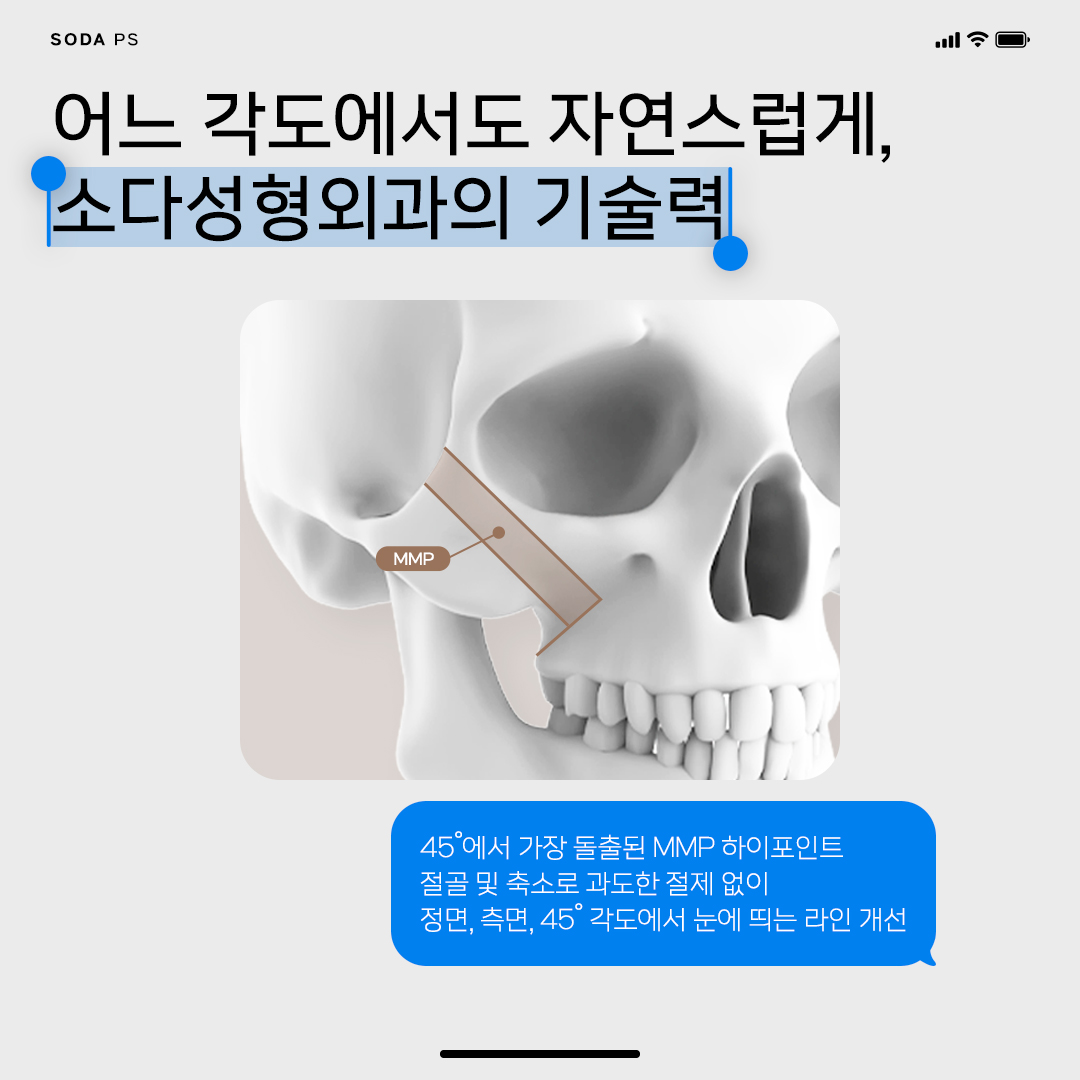
Cheekbone reduction, also called zygomatic reduction, is a facial contouring surgery that reshapes the cheekbone area. It is usually chosen by people who feel their midface looks wide or angular, especially in the 45-degree and side views. The goal is not just to make the face smaller, but to create softer, more balanced facial lines that match the rest of the face.
At this clinic on Gangnam-daero, cheekbone reduction is one of several facial contouring procedures offered, along with mini cheekbone surgery, jaw angle surgery, V-line surgery, chin surgery, and revision contouring. The overall focus is on bone-based facial shape rather than simple soft tissue procedures.
Why I considered cheekbone reduction
For as long as I can remember, my cheekbones were the first thing I noticed in photos. From the front, my face looked wider than I liked, and from the 45-degree angle my zygomatic arches stuck out, giving me a strong, sometimes harsh impression. Even when I lost weight, my face still looked broad in the midface.

I did not want to completely change my face, but I wanted a softer outline and less shadow around the cheekbone area. I also felt that my front and side views did not match; from the front I looked wide, but from the side my midface looked flat yet still protruding at the arch.
During my research I learned that cheekbone reduction is not just shaving the bone. It usually involves cutting and repositioning the zygomatic body and arch to bring them inward and sometimes slightly downward or upward, depending on the plan. That explained why I needed a clinic that really specialized in facial contouring, not a place where bone surgery was a side option.
Full cheekbone reduction vs mini cheekbone surgery
One thing that confused me at first was the difference between full cheekbone reduction and mini cheekbone surgery.
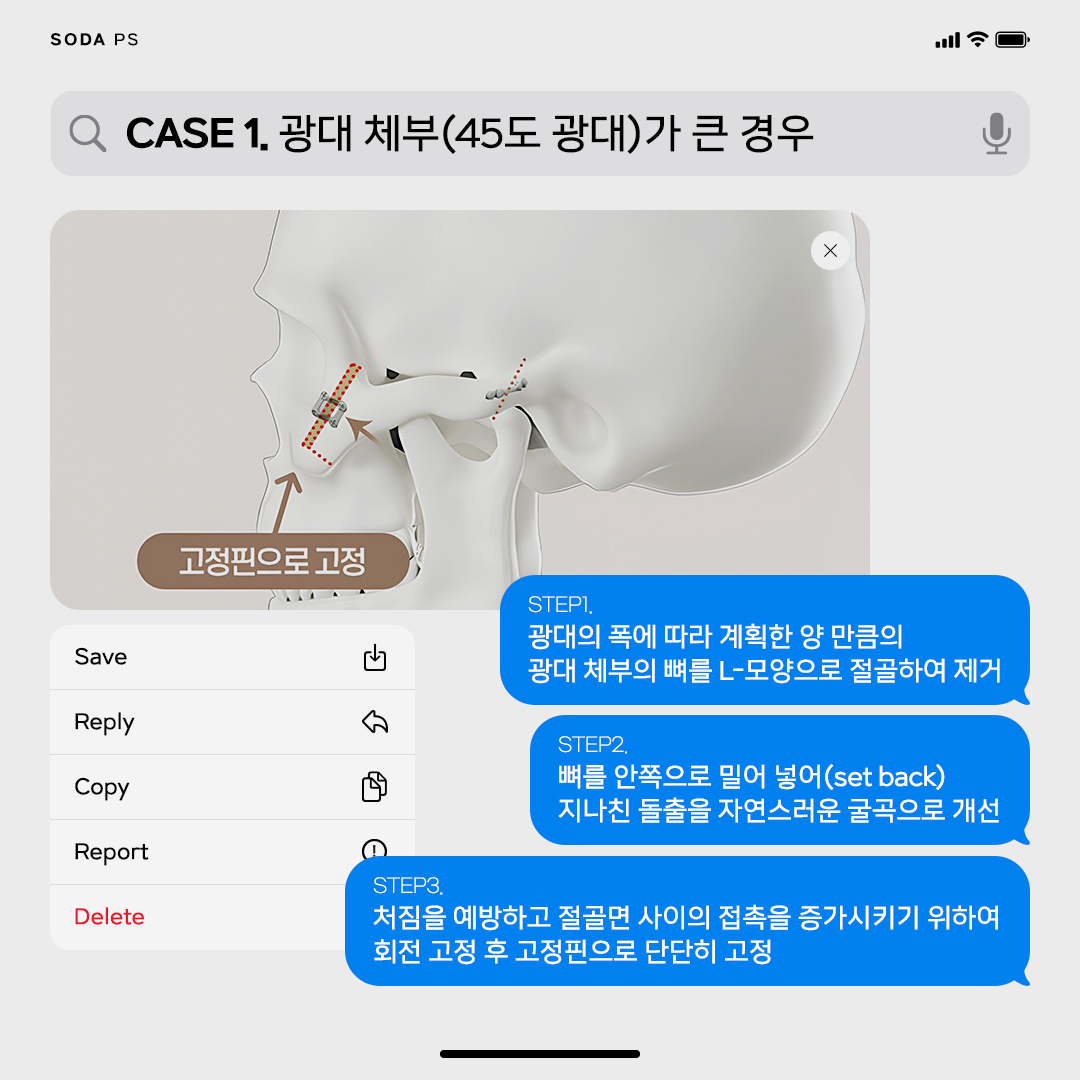
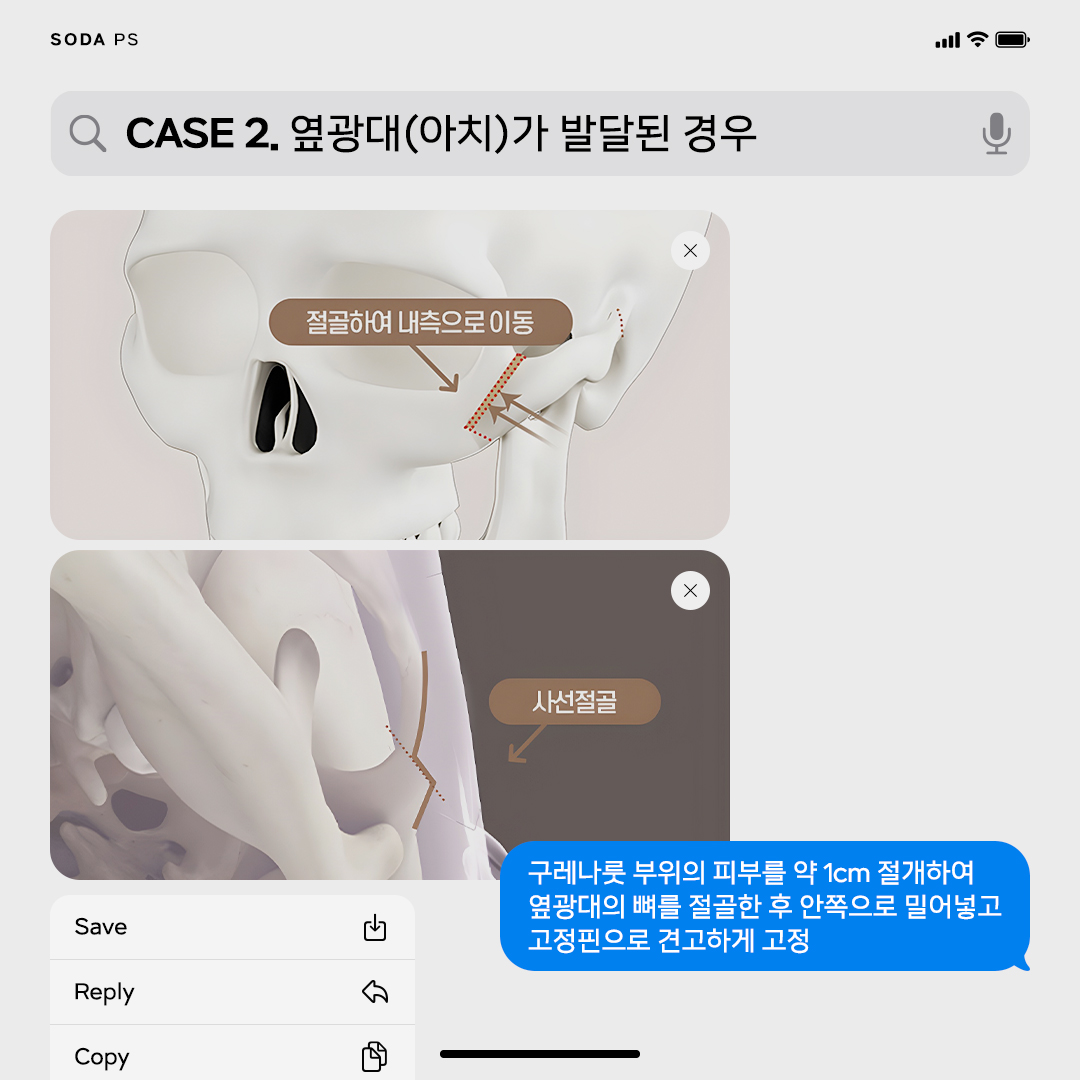
Full cheekbone reduction usually involves cuts near the front part of the cheekbone (zygomatic body) and the side arch. The surgeon then moves the bone inward and fixes it in the new position, often with small plates or screws. This approach is used when the cheekbone is clearly prominent from the front and 45-degree view.
Mini cheekbone surgery is more limited. It often focuses on the lateral arch area with smaller incisions and a smaller degree of bone movement. It may be suitable for people who have mild width at the sides but do not need major front cheekbone reduction.
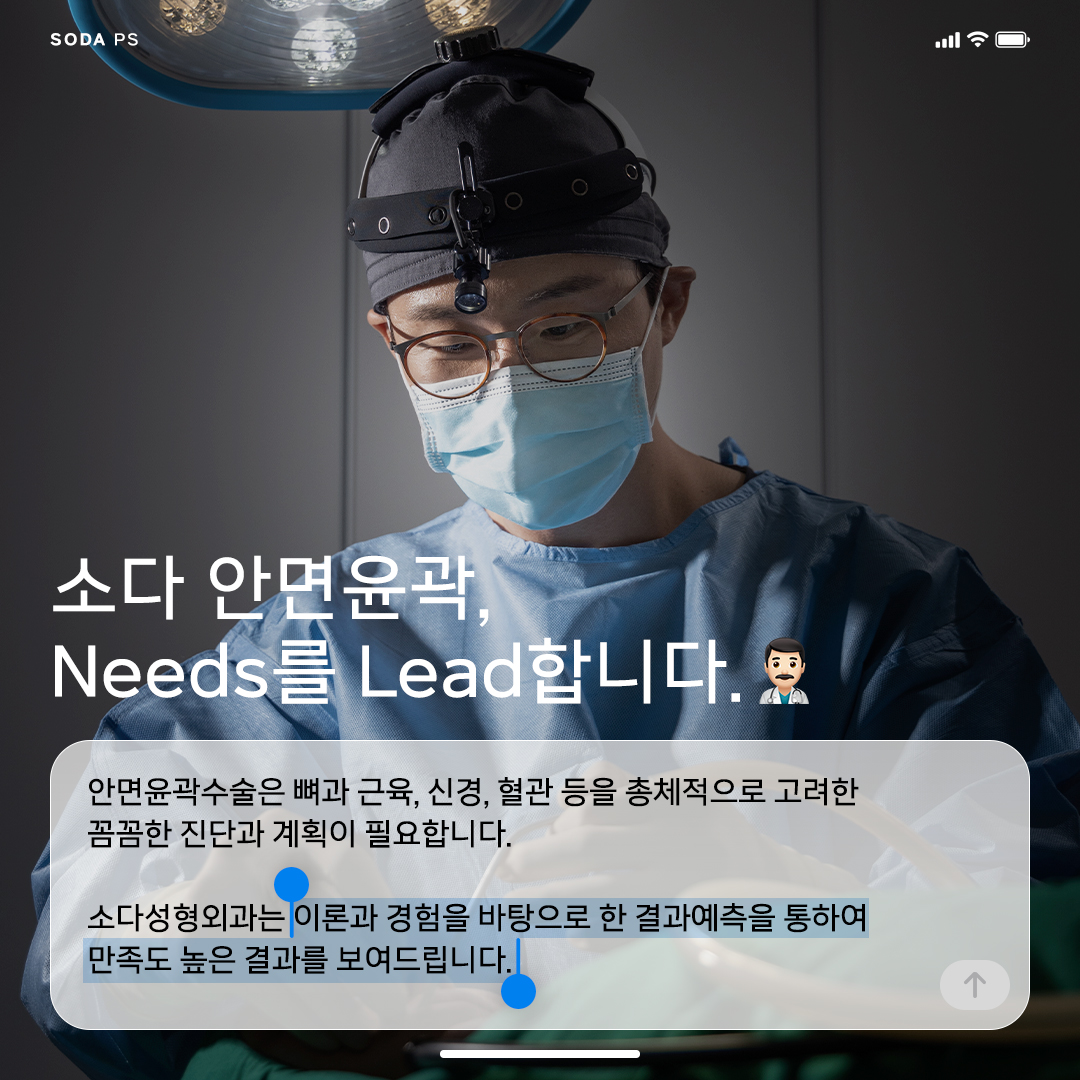
In my consultation, the surgeon explained that the right choice depends on bone thickness, the shape of the arch, how much soft tissue is attached, and how the cheekbones relate to the jawline and chin. The message was clear: there is no one-size-fits-all plan. The surgery design has to be personalized.
Why I chose this facial contouring clinic in Gangnam
I looked at many clinics in Seoul before choosing this one. What stood out was that the entire practice was built around facial contouring. Cheekbone reduction, jaw angle surgery, V-line surgery, chin surgery, and revision contouring were not hidden in a long menu of unrelated procedures. They were clearly the main focus.

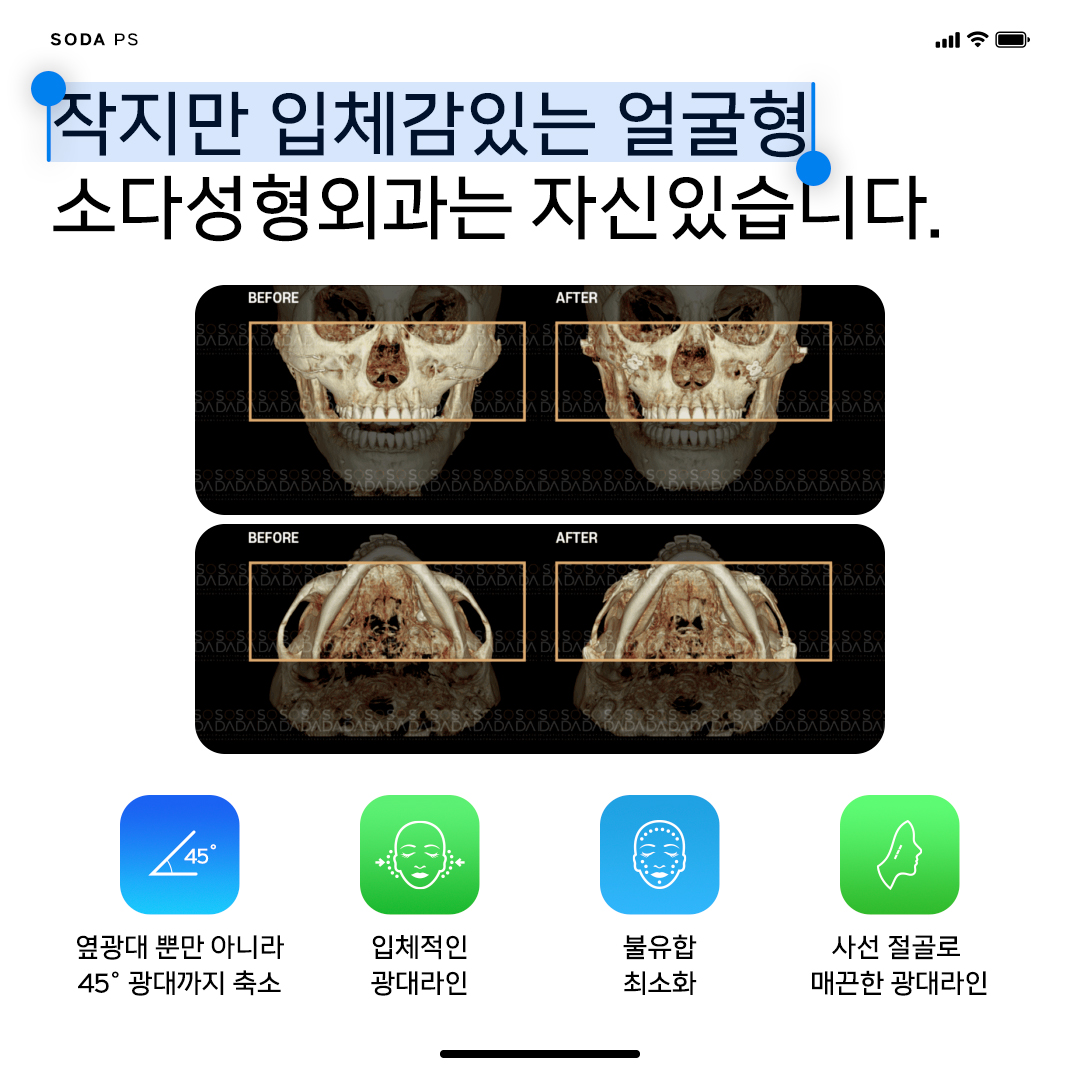
Another point that reassured me was their experience with revision contouring and metal pin removal after previous jaw or cheekbone surgeries. On their materials and during consultation, they often showed CT-based before-and-after images, especially for revision cases. Knowing they were used to handling difficult situations made me feel more comfortable trusting them with my first surgery.
Safety and anesthesia system: what I checked before deciding
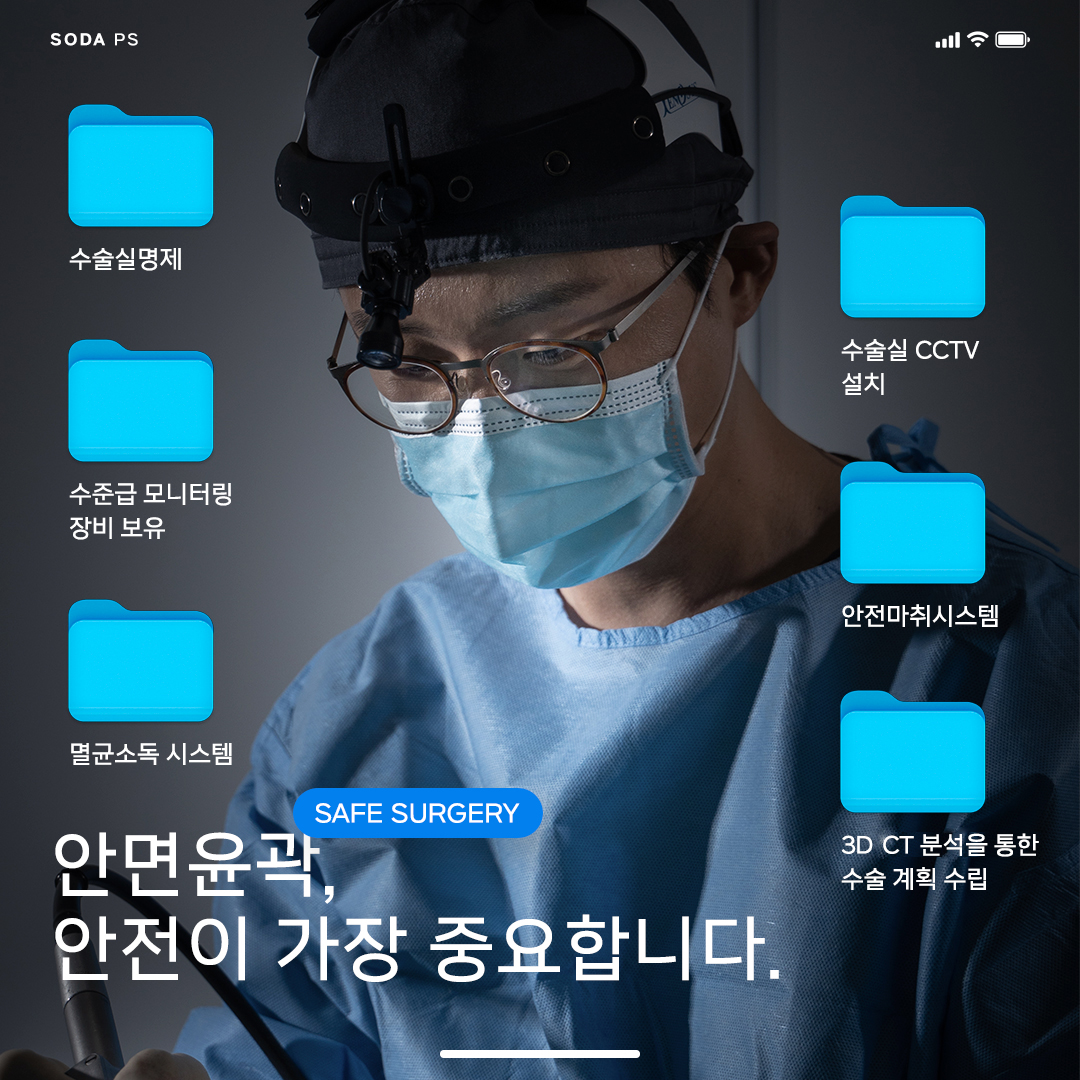
Because cheekbone reduction is a bone surgery performed under general anesthesia, I paid close attention to the safety system. During my research and consultation, I specifically asked about anesthesia and emergency preparedness.
An anesthesiologist was assigned to monitor and manage anesthesia during my operation. I found this important because facial bone surgeries are generally longer and more invasive than simple soft-tissue procedures. If anesthesia credentials are important to you, confirm the provider’s qualifications directly with the clinic.
Several other safety features were also explained and shown to me.
Named surgeon system: The surgeon who did my consultation was the same surgeon who performed my operation. This reduced the risk of miscommunication and made me feel that the surgical plan we discussed would actually be followed.
Operating room CCTV: The clinic stated that the operating room is equipped with CCTV, which they said is intended to increase transparency about what happens during surgery. If this feature matters to you, verify it with the facility.
Dantrolene availability: They keep dantrolene on site, a medication used in emergencies such as malignant hyperthermia, a rare but serious reaction to certain anesthetic agents. I had never heard of this before, but learning about it and knowing it was available made me feel the clinic had prepared for unlikely but critical situations.
Uninterruptible power supply: The operating room has an uninterruptible power supply so that equipment continues to function even if there is a power issue in the building. It is not something I would have thought to ask about, but it is clearly important.

Central monitoring system: Patient vital signs are monitored through a central system, allowing the anesthesiologist and staff to track blood pressure, oxygen levels, and heart rate continuously.
Gas leak alarm system: There is a gas leak alarm system to detect any issues with anesthetic gases. Again, this is not visible to patients, but knowing it existed added another layer of reassurance.
These details were concrete and specific, not vague claims of being safe. That made a big difference in my decision.
Consultation experience: detailed and realistic
My consultation started with photos and imaging. The clinic used 3D imaging and CT to evaluate my cheekbone and jaw structure. Seeing my own skull shape on the screen was a bit shocking, but it helped me understand why my face looked wide from certain angles.
The surgeon compared my front, 45-degree, and side views and pointed out where the zygomatic body and arch were most prominent. He also checked for any asymmetry between the left and right sides.
We then discussed how much reduction would be appropriate. I initially asked for a big change, but he explained that overly aggressive reduction could lead to hollow cheeks or sagging over time. Instead, he suggested a balanced amount of movement that would narrow the midface and soften the outline while keeping enough bone support for the soft tissue.
He also explained the difference between standard cheekbone reduction and mini cheekbone surgery again, this time in the context of my CT images. Because my front cheekbones and lateral arches were both prominent, he recommended full cheekbone reduction rather than a mini approach.
Risks were discussed honestly. He mentioned possible numbness around the cheek area, temporary or sometimes longer term. Asymmetry was a risk, especially if bone or soft tissue healed differently on each side. He also talked about the possibility of soft tissue sagging if the reduction was too extreme or if my skin elasticity changed with age. Recovery time, including swelling and dietary restrictions, was clearly laid out.
What I appreciated most was that he did not push a single beauty standard. He asked what kind of impression I wanted my face to give and then suggested a plan that suited my features instead of trying to make me look like a specific celebrity.
Surgery day: how it actually felt
On the day of surgery, I arrived in the morning after fasting as instructed. The staff checked my identity, medical history, and consent forms again. Basic pre-op tests such as blood pressure and blood tests had been done earlier, but they rechecked my condition on the day.
I met the anesthesiologist, who went over the anesthesia plan, possible side effects, and how pain would be managed afterward. I was able to ask questions about nausea, sore throat from the breathing tube, and how long I would be under.
The surgeon then came in to review the surgical design with me one more time. He drew lines on my face to mark key points and confirmed the degree of reduction we had agreed on. This final check helped calm my nerves.
In the operating room, I saw the monitoring equipment and felt the blood pressure cuff and sensors being attached. The anesthesiologist talked to me while starting the IV medications. The next thing I remember is waking up in the recovery area.
Immediate post-op experience
Waking up, I felt a tightness around my face and a dull pressure rather than sharp pain. My cheeks were wrapped with a compression bandage. My throat was a bit sore, likely from the breathing tube, but it improved within a day.
Nurses monitored my vital signs and asked about my pain level. Pain medication was given through the IV at first, then later by mouth. I was encouraged to breathe deeply and move my feet to help circulation.
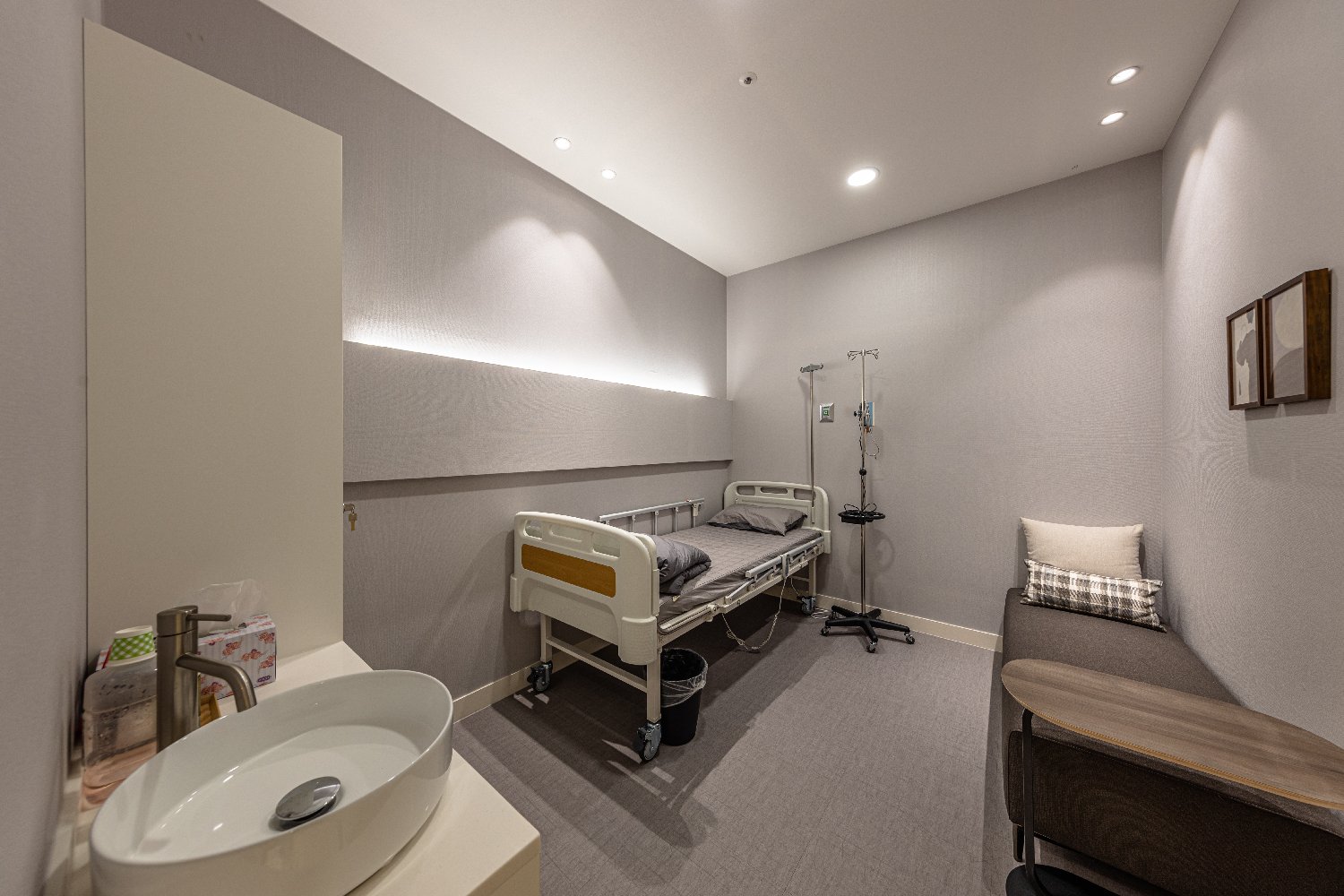
I stayed at the clinic for observation for several hours. Once they were sure my vital signs were stable and I could drink a little water, I was allowed to leave with a caregiver.
Recovery timeline: what happened week by week
First 3 days
The first three days were the most uncomfortable. Swelling increased on day two and peaked around day three. My face looked very puffy, especially around the cheeks and under the eyes. Bruising appeared along the lower cheeks and sometimes near the jawline.
Chewing was difficult, so I stuck to liquids and very soft foods like soup, yogurt, and smoothies. I slept with my head elevated on extra pillows to help reduce swelling. Talking was possible but I tried to keep it minimal.
1 to 2 weeks
Around one week, some of the bruising started to fade from dark purple to yellowish. The swelling was still obvious, but I could see a bit more of my facial outline. Stitches, if placed inside the mouth or near the temples, were checked and removed according to the surgeon’s schedule.
I wore a mask when going outside, which is very common in Seoul and made me feel less self-conscious. I also used my hair to cover the sides of my face when possible.
The clinic provided post-op care visits during this period, including cleaning of incision areas and basic swelling management. I was reminded to keep good oral hygiene with gentle rinsing to avoid infection.
1 month
By one month, the major swelling had gone down. My face still felt a bit stiff and slightly numb in some areas, but the overall shape was becoming more natural. I could see that my midface width had decreased and my cheekbones no longer dominated my 45-degree photos.
Most people who did not know about the surgery simply thought I looked a bit puffy or tired, not obviously operated on.
3 to 6 months
Between three and six months, the changes were more subtle but meaningful. The bones and soft tissues continued to settle. The remaining mild swelling gradually disappeared, and the cheek line became more defined.
Friends and colleagues started commenting that my face looked softer or more balanced, without being able to pinpoint exactly what had changed. That was exactly the effect I wanted.
During this period, follow-up visits included checks of bone healing, sometimes with imaging, and continued guidance about massage, exercise, and lifestyle habits. The clinic also offered aesthetic aftercare programs to help manage residual swelling and improve circulation, which I found helpful.
Realistic final results and satisfaction
Looking back at my old photos, the difference is clear but not shocking. My midface went from wide and angular to smoother and more balanced. From the front, my face looks less boxy. From the 45-degree and side views, the cheekbone no longer creates a strong bump or shadow.
The overall impression is softer and a bit younger, but still recognizably me. My jawline and chin now match the cheek area better, giving a more harmonious facial contour.
In terms of personal satisfaction, I feel more confident in photos and less focused on hiding my face angle. The result matches closely what we discussed in the pre-op design, which makes me feel that the planning and communication were effective.
There are still small areas of mild numbness, especially when I press on certain parts of the cheek, but they do not affect my daily life. I was told that some degree of sensory change can last a long time or even be permanent, so I consider this within the range of what I expected.
CT-based follow-up and revision capability
One strength I experienced was that the clinic provided CT imaging as part of my follow-up to assess bone position. The clinic also showed before-and-after CT images for some patients (for example, those undergoing revision or hardware removal). Ask your surgeon whether post-op CT is included in their standard follow-up protocol.
In my case, I had at least one CT follow-up where the surgeon compared the planned movement with the actual result. Seeing the bone lines on the screen reassured me that the internal changes matched the external appearance.
Not everyone will need revision surgery, and the goal is always to get a good result the first time. However, I liked knowing that the clinic had experience with revision contouring and could handle issues such as asymmetry, over- or under-correction, or problems related to previous plates and screws if they ever arose.
Who may consider cheekbone reduction or mini cheekbone surgery
Based on my experience and what I learned, cheekbone reduction or mini cheekbone surgery may be considered by people who have one or more of these concerns:
A prominent lateral cheekbone that makes the midface look wide from the front.
A strong zygomatic arch visible in the 45-degree view, creating a sharp or bumpy outline.
A facial impression that seems harsh, tired, or older than desired due to the bone structure.
A mismatch between the front and side views of the face.
However, not everyone with visible cheekbones needs surgery. A thorough medical evaluation, including imaging and physical examination, is essential. Skin thickness, fat volume, and overall facial proportions must be considered. Realistic expectations are also crucial; cheekbone reduction can change the facial outline, but it will not solve every cosmetic concern.
Important cautions and responsibilities
Cheekbone reduction is a major operation. Before deciding, it is important to understand potential complications and long-term changes. These can include prolonged swelling, numbness, asymmetry, infection, soft tissue sagging, or dissatisfaction with the degree of change.
Following pre- and post-operative instructions is your responsibility as a patient. This typically includes avoiding smoking, managing alcohol intake, keeping good oral hygiene, sleeping with your head elevated in the early phase, avoiding physical trauma to the face, and attending all scheduled follow-up visits.

How overseas patients can prepare: online consultation and planning
If you live outside Korea, online consultation is usually the first step. Most clinics, including this one, can review your photos and sometimes previous imaging to give a preliminary opinion.
To prepare for an online consultation, I recommend:
Gathering clear photos of your face from the front, both sides, and 45-degree angles.
Listing your main concerns and what you hope to change.
Sharing any history of previous facial surgery or major medical conditions.
Preparing questions about safety systems, anesthesia, and recovery time.
During the online consultation, ask whether they recommend full cheekbone reduction or mini cheekbone surgery for your case, and why. Also ask how long you should stay in Korea for surgery and follow-up.
Expected Korea visit timeline for cheekbone reduction
The exact schedule may vary, but a typical overseas patient timeline could look like this:
Day 1 to 2: In-person consultation, CT scan or 3D imaging, blood tests, and pre-op evaluation.
Day 3: Surgery day, followed by several hours of recovery at the clinic.
Day 4 to 7: Early post-op checks, wound care, and monitoring of swelling and bruising.
Day 8 to 14: Stitch removal if needed, additional follow-up, and basic aftercare sessions.
Many clinics suggest that overseas patients plan to stay in Korea for about 10–14 days after cheekbone reduction, but exact recommendations vary based on the surgeon’s protocol and individual recovery. Confirm the advised timeframe with your surgeon, since flying too soon can be uncomfortable because of swelling and individual healing differences.
Aftercare and long-term follow-up
After returning home, you will still be in the healing phase. The clinic usually provides written instructions and may offer online follow-up appointments. You can send updated photos and ask questions about sensations, swelling, and daily activities.
Long-term, it is important to maintain a healthy lifestyle, protect your face from strong impacts, and manage your weight reasonably to keep your facial balance. Any sudden or severe pain, swelling, or changes should be discussed with a medical professional promptly.
How to read cheekbone surgery reviews online
When you search for cheekbone reduction surgery reviews, look for posts that give concrete, verifiable details rather than only before-and-after photos. Useful elements include:
- A clear timeline of recovery with milestones (for example, immediate post-op days, what to expect at 1–2 weeks, and typical progress by 1–3 months).
- Specifics about perioperative care and safety systems (mention of an anesthesia provider, emergency protocols, or monitoring), not vague statements.
- Examples of both benefits and problems the patient experienced, with dates or days after surgery.
Red flags: reviews that have only posed photos without timing, extremely short or generic recovery descriptions, claims of guaranteed outcomes, or overly promotional language with no balanced information.
Sample questions to verify with a clinic: Who will provide and monitor anesthesia? What emergency protocols and medications are available on site? Is post-op imaging or follow-up included, and what is the usual recommended length of stay after surgery?
A clear timeline of recovery, not just before-and-after photos.
Mention of safety systems, anesthesia details, and surgeon communication.
Both positive aspects and limitations or side effects.
Be cautious with reviews that only show dramatic photos without context, or that sound like pure advertising. Realistic reviews talk about discomfort, swelling, and small imperfections as well as satisfaction.
Key questions to ask during consultation
To make the most of your consultation, consider asking:
How many cheekbone reduction or mini cheekbone surgeries the surgeon performs regularly.
Whether a board-certified anesthesiologist is in charge of anesthesia during the operation.
What specific safety equipment and protocols are in place in the operating room.
How the clinic handles complications or revision cases if needed.
What the follow-up and aftercare schedule looks like for overseas patients.
Writing these questions down before your appointment can help you stay focused and compare clinics more objectively.
FAQ
Is cheekbone reduction very painful?
Pain levels vary, but in my case it was more of a tight, pressured feeling than sharp pain. The most uncomfortable period was the first few days, and it was manageable with prescribed pain medication. Discomfort usually decreases significantly after the first week, though some stiffness and sensitivity can last longer.
How long until I can look presentable in public?
Most people feel comfortable going out with a mask within one to two weeks. Without a mask, it may take three to four weeks before the swelling is subtle enough that casual observers do not notice. Final refinement of the facial contour can take several months.
Will my face look completely different after cheekbone reduction?
The goal at this clinic was to create a softer, more balanced version of my existing face, not to make me unrecognizable. In my experience, the change was noticeable in photos and in how I felt, but friends mainly commented that I looked more harmonious or refreshed rather than completely different.
Can cheekbone reduction cause sagging later on?
There is a possibility of soft tissue sagging if too much bone support is removed or if skin elasticity decreases with age. That is why careful planning of how much to reduce is important. In consultation, ask your surgeon how they balance reduction with support, and what they do to minimize the risk of sagging.
Soft call to action for online consultation
ery is appropriate for you and what kind of result you can realistically expect.
Use detailed reviews, clear safety information, and honest communication as your guide. Cheekbone reduction is a major decision, but with careful research and the right team, it can be a thoughtful step toward a facial shape that feels more in harmony with how you want to present yourself.

- 공유 링크 만들기
- X
- 이메일
- 기타 앱


댓글
댓글 쓰기