Chin Contouring Surgery (턱성형) for a Balanced Lower Face
- 공유 링크 만들기
- X
- 이메일
- 기타 앱
Direct answer summary
Chin contouring is a bone-directed procedure that reshapes the chin and lower jaw to improve facial balance and proportion. It can address a wide or square chin, a long or protruding chin, or a recessed chin, with the goal of creating a more harmonious lower face. Many surgeons use imaging and individualized surgical planning to guide bone cuts and repositioning; ask the clinic how they incorporate CT or other imaging into your personalized plan. If you are traveling from abroad, make sure you understand the types of chin procedures offered, whether you are a suitable candidate, the approximate recovery expectations, and the clinic’s aftercare and safety processes before deciding.
What is chin contouring surgery
Chin contouring surgery is a set of bone-based procedures that change the actual structure of the chin and lower jawline. Unlike fillers or implants that only add volume on top of the bone, chin contouring involves cutting and reshaping the jawbone itself.
The goal is to create harmony between the chin, jawline, lips, nose, and cheeks when viewed from both the front and the side. This may mean slimming a wide chin, shortening an overly long chin, correcting asymmetry, or refining the chin tip to create a smoother V-line.
Chin contouring can be performed as a focused chin-only procedure, or it can be combined with other facial contouring surgeries such as cheekbone reduction, square jaw surgery, or full V-line surgery. In clinics that specialize in facial contouring, the surgeon looks at the entire lower face rather than treating the chin as an isolated part.

How chin contouring is different from fillers or implants
Many people first try non-surgical options such as fillers or thread lifting to improve their jawline. These methods can help with mild volume loss or very subtle contouring, but they cannot change the underlying bone shape.
Chin implants can project a recessed chin, but they simply add a fixed piece of material on top of the bone. They do not narrow a wide chin or correct significant asymmetry, and some patients eventually want the implant removed.
Bone-based chin contouring, on the other hand, allows the surgeon to:
- Reshape the width of the chin
- Adjust the height of the chin
- Move the chin forward or backward
- Correct asymmetry between the left and right sides
- Refine the chin tip for a softer or sharper impression
Common types of chin contouring techniques
Depending on your facial proportions and CT scan results, the surgeon may choose one or a combination of the following techniques:
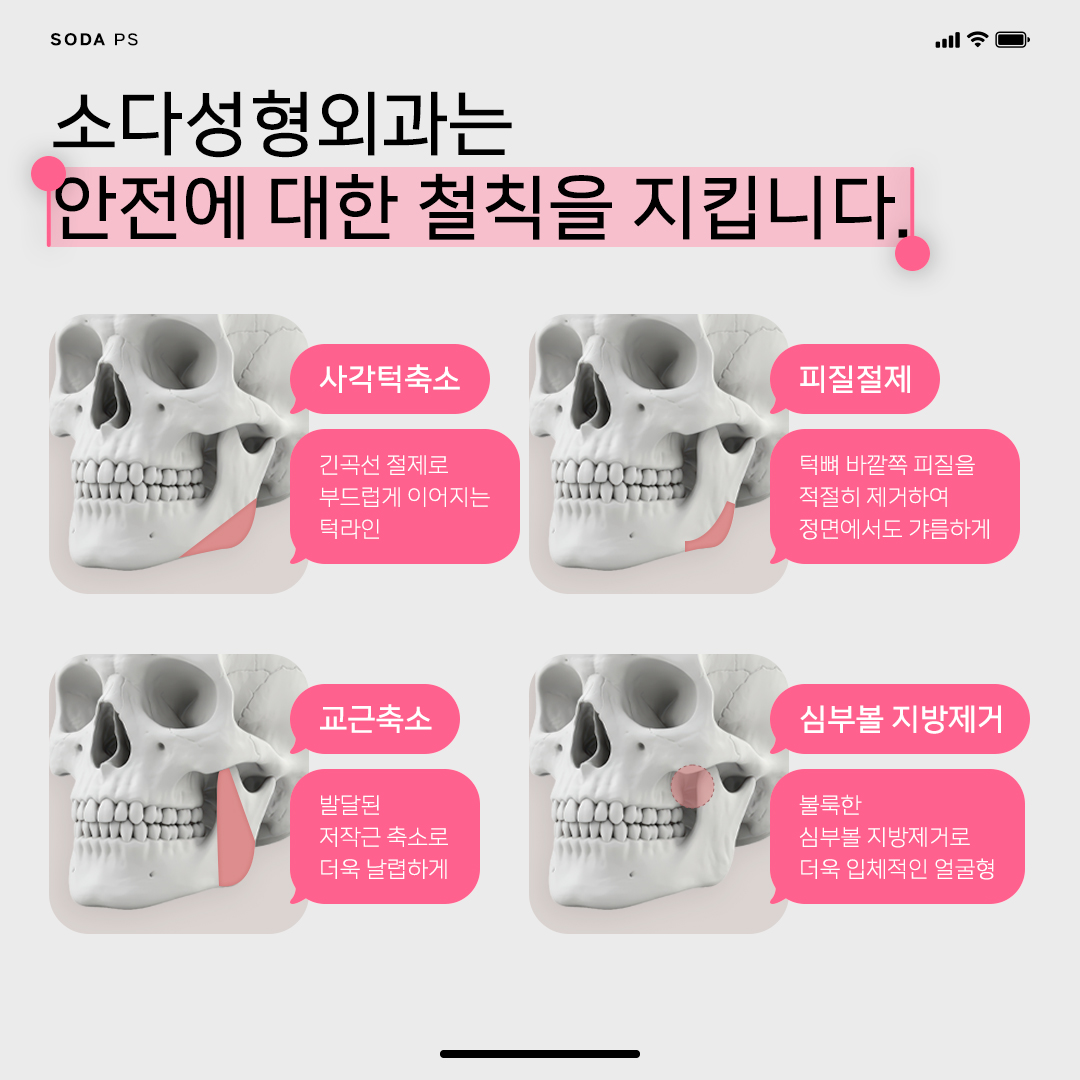
Chin reduction: For a wide, bulky, or square chin, the surgeon removes and reshapes portions of the bone to create a slimmer, more tapered lower face.
Chin advancement: For a short or recessed chin, the front part of the chin bone is cut and moved forward, then fixed in place with small plates and screws.

Chin setback: For a long or protruding chin, the bone is set back or shortened to reduce projection and improve the profile.
Chin narrowing: For a broad or flat chin, the surgeon narrows the width to create a more delicate or defined V-line.
T-shaped osteotomy: This is a more complex bone-cutting technique used to both narrow and refine the chin tip, often used in V-line or mini V-line surgery.
In a facial contouring-focused clinic, these techniques are chosen based on detailed measurements, not a one-size-fits-all template. The aim is to design a chin that suits your own face rather than copying a single standard image.
Who may consider chin contouring surgery
Chin contouring is usually considered by adults whose facial bone growth is complete. Typical concerns include:
- Square or bulky lower face that looks wide from the front
- Long or protruding chin that makes the face look long or sharp
- Short or recessed chin that makes the profile look weak
- Asymmetrical chin where one side is lower, wider, or more projected
- Unbalanced side profile where the chin does not match the nose or lips
You may be a potential candidate if you:
- Are in generally good health and can undergo general anesthesia
- Understand that this is bone surgery with a real recovery period
- Have realistic expectations and are willing to follow aftercare instructions
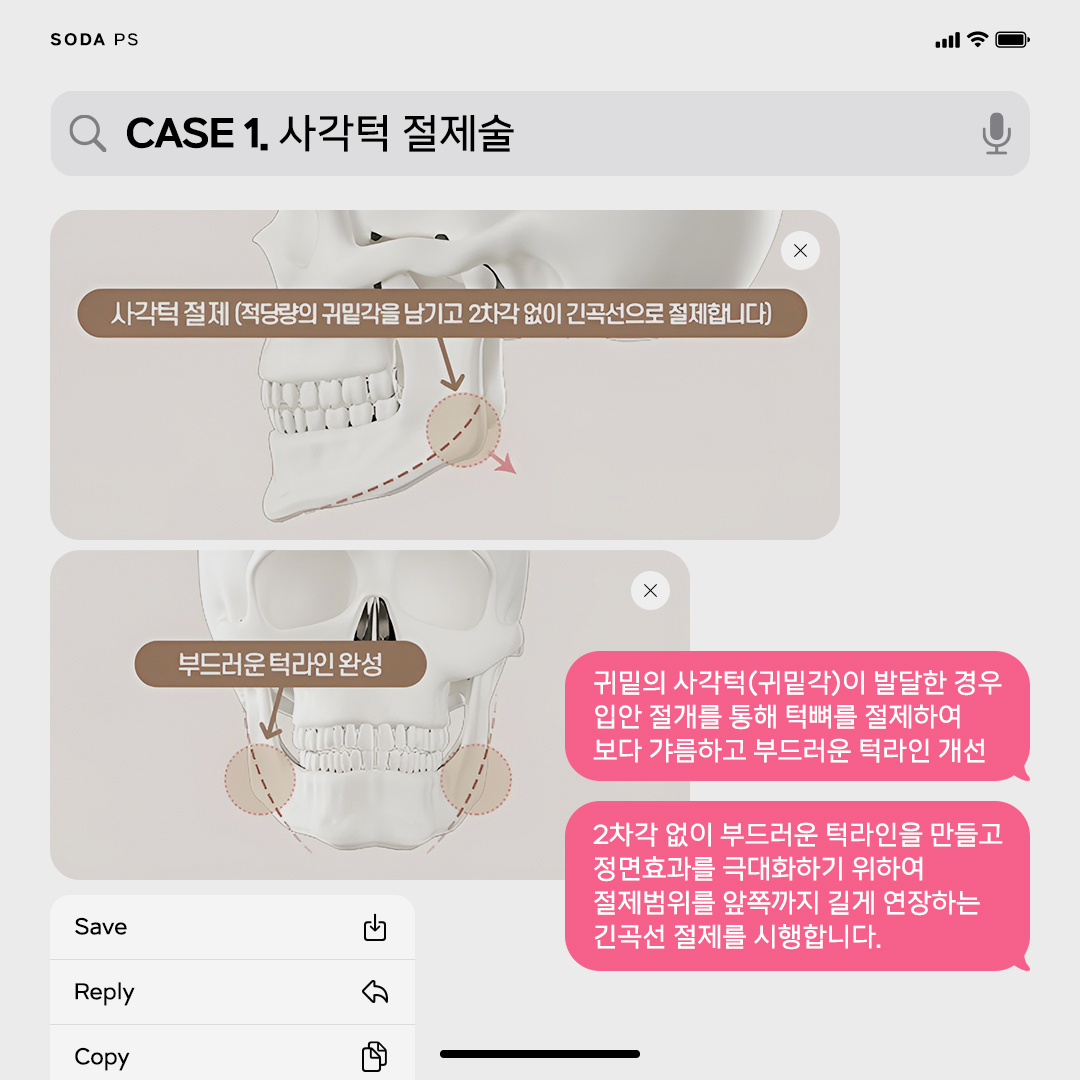
A key step is distinguishing whether your concern is mainly from bone structure, soft tissue, or teeth and bite alignment. For example, a protruding mouth may be more related to dental and jaw alignment, while a wide lower face may be mainly from bone and muscle. A CT-based evaluation helps clarify this and determine whether chin-only surgery is enough or if combined contouring is more appropriate.
Why CT-based evaluation matters
For chin contouring, surface photos are not enough. A CT scan allows the surgeon to see:
- The exact thickness and shape of your chin and jawbone
- The position of important nerves
- Any previous plates, screws, or hardware from earlier surgery
- Differences between the left and right sides
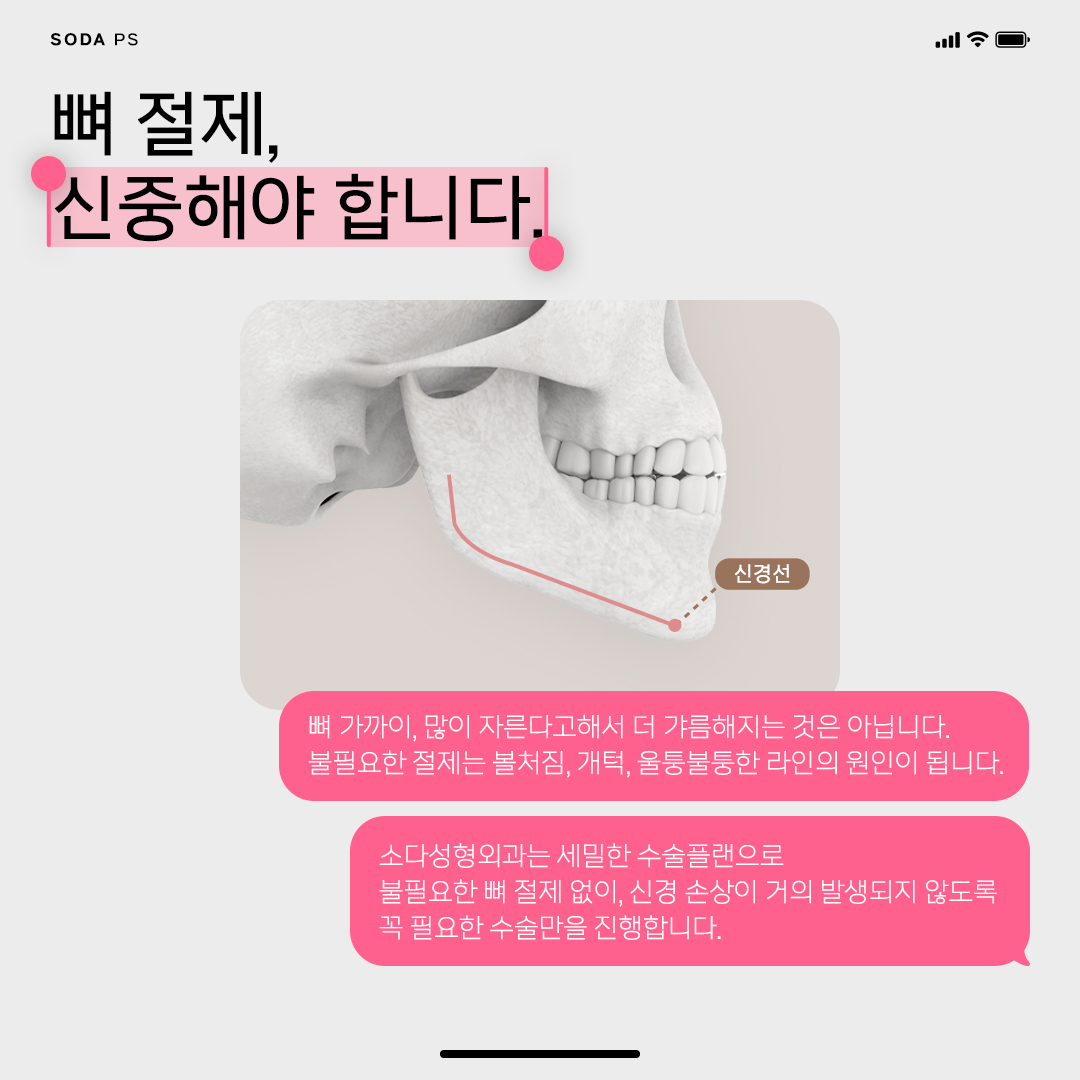
With this information, the surgeon can plan bone cuts more precisely, choose safe angles, and anticipate how much change is possible. This is especially important for revision cases or when the chin is significantly asymmetrical.
Step-by-step overview of the procedure
The overall process for chin contouring surgery typically includes:
1. Consultation and facial analysis
During your first consultation, the medical team will:
Take standardized photos from the front, side, and oblique angles
Analyze your facial proportions, including the relationship between the chin, nose, lips, and cheekbones
Discuss your concerns and the image you prefer, such as softer, slimmer, more defined, more feminine, or more masculine
Explain what can and cannot be changed with bone contouring alone
2. CT imaging and planning
A CT scan is performed to visualize the bone structure. Using these images, the surgeon plans:
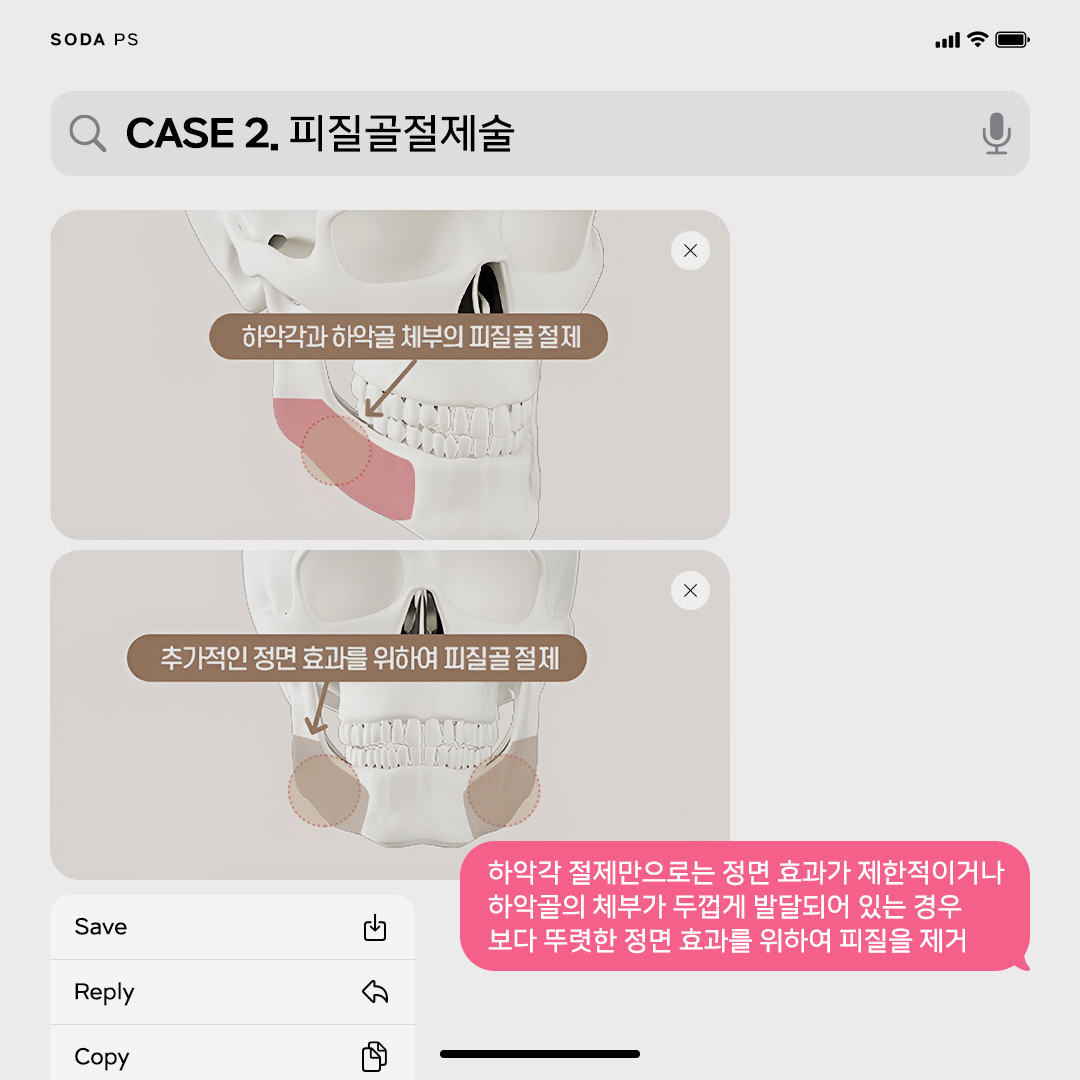
- Where to make the bone cuts
- How much to move or remove
- How to avoid nerves and important structures
- Whether to combine chin contouring with jaw angle or cheekbone work
In clinics focused on facial contouring, this planning step is detailed and often includes reviewing similar case patterns and discussing realistic outcomes with you.
3. Surgery under general anesthesia
Chin contouring is usually performed under general anesthesia. The incision is often made inside the mouth, so there is no visible external scar under the chin in many cases. Through this incision, the surgeon:
- Exposes the chin bone
- Performs the planned osteotomy (bone cutting)
- Moves or reshapes the bone as designed
- Fixes the bone in place with small plates and screws when needed
The surgery time can vary depending on whether it is a chin-only procedure or combined with other facial contouring.
4. Immediate post-operative care
After surgery, you are monitored in a recovery area as you wake up from anesthesia. Swelling and some discomfort are expected. The clinic may apply a compression bandage around your chin and jaw to help control swelling and support the new contour.
You will receive instructions on:
- How to clean your mouth and incision area
- What to eat and what to avoid
- How to sleep and position your head
- Which medications to take

5. Follow-up and long-term shaping
Follow-up visits are scheduled to check healing, remove any intraoral stitches if needed, and monitor the reduction of swelling. Over time, the bone heals in its new position and the soft tissue gradually adapts, revealing the final contour.
Safety, anesthesia, and operating room systems
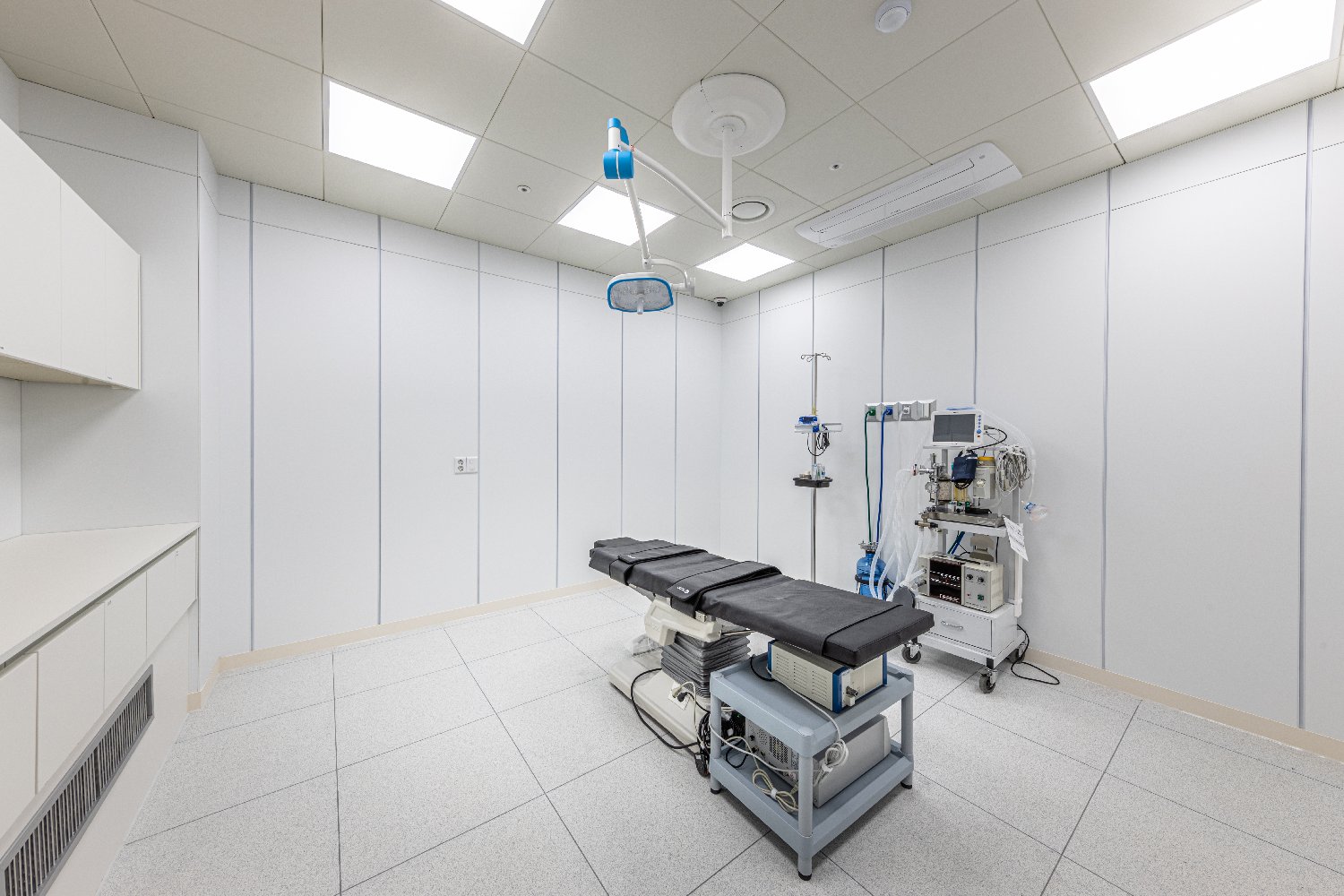
Safety systems and anesthesia arrangements vary by clinic. When evaluating a clinic, ask clear questions so you can compare options and confirm what will apply to your care: for example, whether anesthesia is provided or directly supervised by a dedicated anesthesiologist or qualified anesthesia provider; what intraoperative monitoring is used; the clinic’s emergency response protocols and links to a nearby hospital for transfer if needed; and whether the facility is licensed or accredited for the planned procedure. You can also ask whether the team routinely reviews anesthesia risks with patients and how they handle rare emergencies. Clinics should be able to explain these points to your satisfaction—if anything is unclear, request written information or a direct conversation with the anesthesiology team.
Because chin contouring is bone surgery under general anesthesia, safety systems are especially important. This allows one doctor to focus fully on the surgery and another to focus on your vital signs and anesthesia depth.
Concrete safety measures may include:
Operating room identification system to prevent patient and procedure mix-ups
CCTV in the operating room for transparent process monitoring
Stock of emergency drugs such as dantrolene for rare anesthesia-related emergencies
Uninterruptible power supply to maintain equipment function during a power issue
Central monitoring systems to track vital signs continuously
Gas leak alarms to detect any issues with anesthesia gas supply
These specific systems are more meaningful than vague claims of being safe. When you compare clinics, it can be helpful to ask directly about their anesthesia team and emergency preparedness.
Surgeon expertise and clinic focus
For chin contouring and other facial bone procedures, experience with jaw and chin surgery is important. Some clinics in the Gangnam and Seocho areas position themselves as facial contouring-focused practices rather than general cosmetic centers.
In such clinics, the main surgeon may have a background as a facial contouring center director at a large hospital and may also have experience as a fellow at a major university hospital. Their treatment lineup and website content are centered on facial contouring and revision contouring, indicating accumulated experience with jaw and chin bone procedures.
For overseas patients, this focus can be reassuring, especially if you are considering more complex or revision surgery. However, it is still essential to have a thorough consultation, review CT findings, and discuss realistic expectations.
Revision chin contouring and hardware removal
Some patients seek help after previous jaw or chin surgery performed elsewhere. Common concerns include:
- Unsatisfactory chin shape after V-line or chin surgery
- Persistent asymmetry
- Discomfort or awareness of plates and screws
- Desire to remove hardware after healing
Clinics that handle revision facial contouring usually rely heavily on CT imaging before and after surgery to document changes and plan safely. Revision surgery can be more complex because the bone has already been cut, and there may be scar tissue or existing hardware.
If you are considering revision chin contouring, a careful CT-based assessment and honest discussion are essential. The surgeon will evaluate what can realistically be improved and what risks may increase due to previous operations.
Consultation and planning for overseas patients
For international patients, the consultation process often begins online. Before you travel, you can usually:
- Send facial photos from multiple angles
- Describe your main concerns and preferred image
- Share any previous medical records or CT scans if you have had surgery before
During the in-person consultation in Seoul, you can expect:
- Detailed facial proportion analysis from the front and side
- CT imaging to assess bone structure and nerve location
- Explanation of different technique options and their pros and cons
- Discussion of what is achievable with chin-only surgery versus combined contouring
- Clarification of the expected recovery timeline for overseas visitors
Clinics that emphasize individualized design will stress that there is no single standard of beauty. The best chin shape is the one that fits your natural features and personal style, taking into account your gender, age, and overall facial balance.
How to prepare for an online consultation
To make your online consultation more productive, it helps to prepare:
Clear photos: Front, 45-degree, and side views with neutral expression, taken in good lighting without filters.
Your main priorities: For example, Do you mainly want a slimmer front view, a better profile, or correction of asymmetry.
Medical history: Previous surgeries, chronic illnesses, medications, allergies, and any history of anesthesia problems.
Timeline: How long you can stay in Korea and any fixed travel dates.
Useful questions to ask include:
- Is chin-only contouring enough for my case, or is combined surgery recommended
- What kind of change is realistic for my face shape
- How long should I stay in Korea after surgery
- What safety and anesthesia systems are in place
- What kind of aftercare is provided for overseas patients
Expected Korea visit timeline for chin contouring
Timelines for consultation, surgery, and recovery are highly variable and depend on the exact procedure, whether additional jaw work is combined, and individual healing. A typical overseas patient schedule might include an initial in-person consultation and preoperative imaging/tests, a separate day for surgery, and a short monitored recovery period in clinic before discharge. Many patients stay in Korea for several days to a couple of weeks to allow early follow-up care, but exact recommended lengths of stay differ by clinic and by whether you have chin-only contouring or multiple procedures. Confirm a personalized timeline and post-op follow-up schedule with your surgeon before travel, and expect that combined procedures will usually require a longer recovery and observation period.
The exact schedule can vary, but many overseas patients plan their stay roughly as follows:
Day 1–2: In-person consultation, CT scan, final planning, pre-operative tests.
Day 3–4: Surgery day, followed by recovery in the clinic and then at your accommodation.
First week: Most swelling and discomfort, regular check-ups, dressing changes, and guidance on oral care and diet.
Second week: Swelling gradually decreases, you may feel more comfortable going outside with a mask or scarf.
Third to fourth week: Many patients feel ready to return home, though some residual swelling remains.
For chin-only contouring, some patients return home about 10–14 days after surgery, but this depends on your healing and the surgeon’s recommendation. If you combine chin contouring with other facial bone procedures, a longer stay may be advised.
Recovery, swelling, and aftercare
Common, expected short-term effects after chin contouring include swelling, bruising, some tightness around the chin and lower lip, and mild to moderate discomfort that is usually managed with prescribed pain medication. Sensation changes such as numbness or tingling around the chin or lower lip are common initially and often improve over weeks to months.
- Potential complications and adverse outcomes (incidence varies):
- - Infection or wound-healing problems
- - Hematoma or significant bleeding requiring treatment
- - Sensory nerve injury causing prolonged or permanent numbness or altered sensation
- - Problems with bone healing (malunion, delayed union, or nonunion)
- - Need for revision surgery to correct asymmetry, functional issues, or unsatisfactory cosmetic results
- - Hardware-related issues if plates or screws are used
- - Scarring or persistent swelling
- - Anesthesia-related complications
Severity and likelihood of these complications vary by procedure complexity, patient health, and surgical technique. Discuss these specific risks with your surgeon and anesthesiologist during informed-consent discussions, including how complications would be managed and whether revision surgery may be needed. Follow all postoperative care instructions, attend scheduled follow-ups, and contact your clinic promptly for signs such as increasing pain, fever, heavy bleeding, or sudden breathing difficulties.
After chin contouring, you can expect:
- Swelling and bruising, especially during the first week
- Tightness or numbness around the chin and lower lip
- Mild pain or discomfort, usually controlled with prescribed medication

Typical aftercare includes:
- Compression bandage or garment around the chin and jaw for a certain period
- Soft or liquid diet at first, then gradual return to normal food as advised
- Mouth rinses and careful oral hygiene to keep the incision area clean
- Sleeping with your head elevated to reduce swelling
- Avoiding smoking and heavy exercise during the early healing phase
Some clinics provide post-surgery aesthetic care and customized management programs, such as gentle swelling care or skin treatments after a certain time, to support healing and help the final contour appear more smoothly.
It is important to understand that:
- Most visible swelling improves within a few weeks
- Refinement continues for several months
- Final chin and jawline definition can take several months to fully stabilize
Location and accessibility in Seoul
Many facial contouring-focused clinics are located along Gangnam-daero in Seocho-gu, an area known for its concentration of medical facilities and easy access. Being near major subway lines and bus routes makes it convenient for both local and international patients.
Typical operating hours include weekday clinics, extended hours on certain weekdays such as Friday, and Saturday availability, with closure on Sundays and public holidays. This schedule allows overseas patients to coordinate consultations, surgery, and follow-ups within a limited stay.
For non-Korean-speaking patients, it is helpful that the clinic website and online materials are available in multiple languages such as Korean, English, and Japanese. Many clinics also use Instagram, YouTube, messaging apps, and online booking systems to handle preliminary inquiries and share educational content.

Frequently asked questions about chin contouring surgery
Is chin contouring surgery painful and how long does recovery take
During surgery, you are under general anesthesia, so you do not feel pain. After the procedure, it is normal to experience discomfort, tightness, and swelling around the chin and lower face. Pain is usually manageable with prescribed medication.
Most people feel the strongest swelling in the first week, with gradual improvement over the next few weeks. Many patients return to light daily activities within 1 to 2 weeks, depending on the extent of surgery and their job type. However, the final contour and subtle refinement can take several months.
Will chin contouring leave visible scars
In many cases, chin contouring incisions are made inside the mouth, so there is no visible external scar under the chin. The intraoral incision is hidden and typically heals well with proper oral hygiene.
In some specific cases or combined procedures, an external incision may be used, but this is less common for standard chin contouring. Your surgeon will explain the planned incision type and scar expectations during consultation.
Can chin contouring be combined with other facial surgeries
Yes, chin contouring is often combined with other facial contouring procedures such as jaw angle reduction, cheekbone reduction, or full V-line surgery. It may also be coordinated with soft tissue procedures in separate stages.
Whether combination surgery is appropriate depends on your facial structure, health status, and time available for recovery. A detailed consultation and CT evaluation are needed to decide if it is safer and more effective to perform procedures together or in stages.
How do I choose a clinic in Seoul for chin contouring as an overseas patient
When comparing clinics, it can be helpful to look beyond price and consider:
Whether the clinic focuses on facial contouring and jaw surgery
The surgeon’s experience with chin and jaw bone procedures, including revision cases
Availability of a board-certified anesthesiology and pain medicine specialist
Concrete safety systems such as CT-based planning, emergency drug stock, and monitoring equipment
Clear communication in your preferred language and support for overseas patients

You may also want to ask for CT-based explanations rather than relying only on photo examples, and confirm the recommended length of stay in Korea for your specific plan.
Soft call to action for online consultation
If you are considering chin contouring surgery in Seoul and want to know whether chin-only reshaping or a more comprehensive approach is suitable for you, an online consultation is a practical first step. By sharing your photos, concerns, and travel schedule, you can receive a preliminary assessment and a proposed treatment plan before you book your flight.
Use the clinic’s website, messaging apps, or email to send your information, and prepare a list of questions about safety, anesthesia, recovery time, and aftercare. With clear communication and careful planning, your visit to Gangnam-daero in Seocho-gu can be organized around both your treatment and your travel schedule, helping you move toward a more balanced and confident lower face in a structured and informed way.




참고 및 출처
위 기관의 공개 정보는 일반적인 확인 경로이며, 본문의 개별 판단은 현재 상태와 공식 안내를 함께 확인해야 합니다.
본 글은 일반적인 정보 제공을 목적으로 작성되었으며, 의학적 진단이나 치료 권고가 아닙니다. 개인의 의료 상태, 병력, 복용 약물에 따라 적합한 시술과 주의사항은 달라질 수 있으므로 시술 여부는 반드시 의료진과 상담해 결정해야 합니다.


댓글
댓글 쓰기