Chin Implant for Weak Chin with Square Jaw Surgery in Seoul
- 공유 링크 만들기
- X
- 이메일
- 기타 앱
Chin Implant for a Weak Chin: When It’s Combined With Square Jaw Surgery
Direct answer summary
If your chin appears short or retruded while your jawline looks wide or blunt, a chin implant alone may not achieve the desired balance. Planning chin implant surgery together with square-jaw contouring often produces a more harmonious lower-face result by treating the area as a unit.
This guide explains how a weak or recessed chin is evaluated, how chin implants differ from bony chin surgery, how they are combined with square jaw surgery, and what international patients can expect when traveling to Korea for this type of facial contouring.
What is a weak chin and how does it affect the jawline?
A weak or recessed chin means the front part of the lower jaw does not project forward enough compared with the lips, nose, and forehead. From the side, the chin may seem to “disappear,” and from the front, the lower face can look short or rounded.
When the chin is weak and the jaw angles are wide, the lower face often looks square and heavy. Even if the cheeks are slim, the jawline can appear blunt, and the neck–jaw transition may not be clear. Many people in this situation search for chin implants, but the main category of treatment is actually square jaw surgery, with chin correction added to complete the profile.
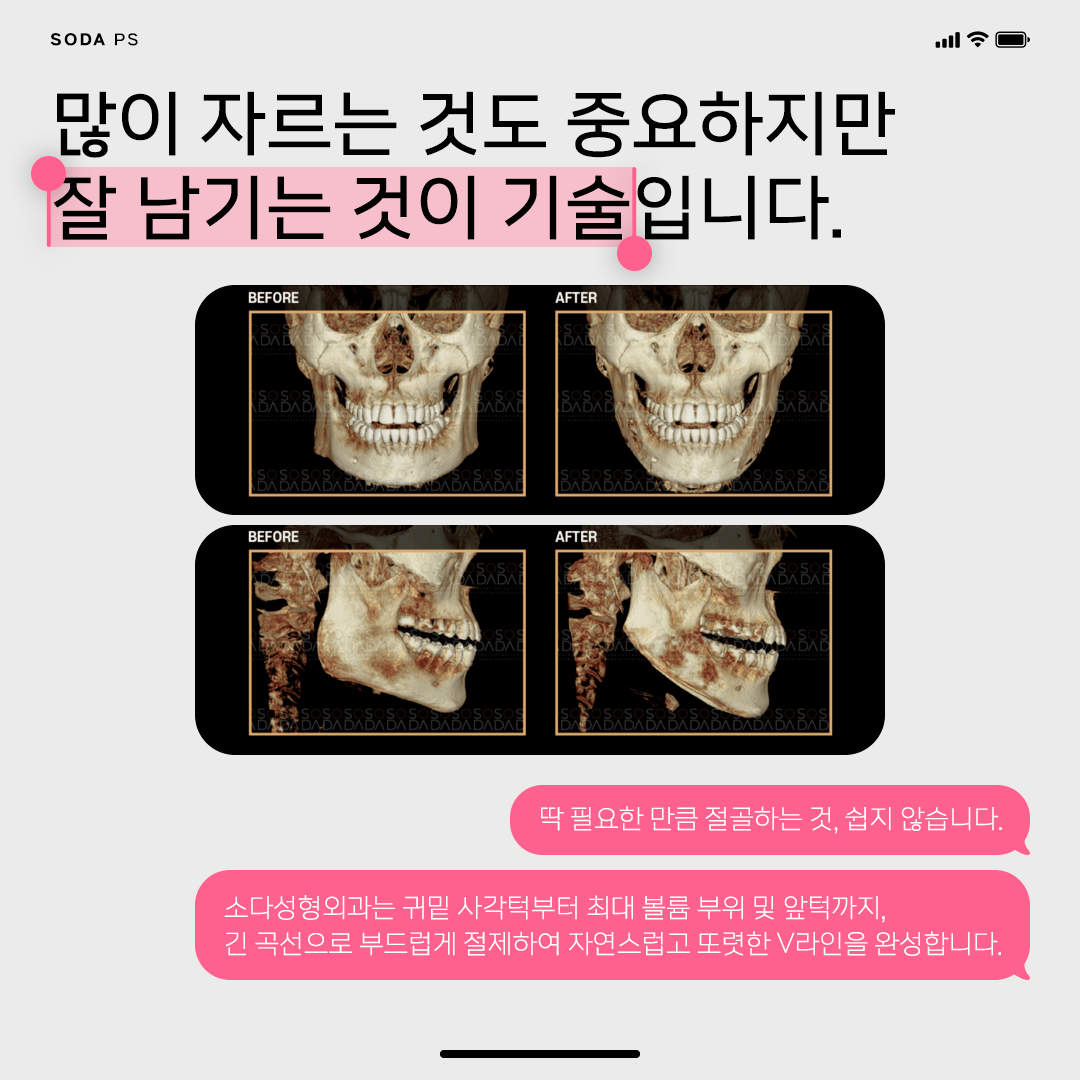
In facial contour–focused centers in Seoul, surgeons usually examine both the jaw angle and the chin together. Using clinical photos and CT scans, they decide how much to slim the jaw angles and how far to bring the chin forward or slightly down to create a balanced lower face line.

Weak chin and square jaw: how they interact
Anatomy of the lower jaw
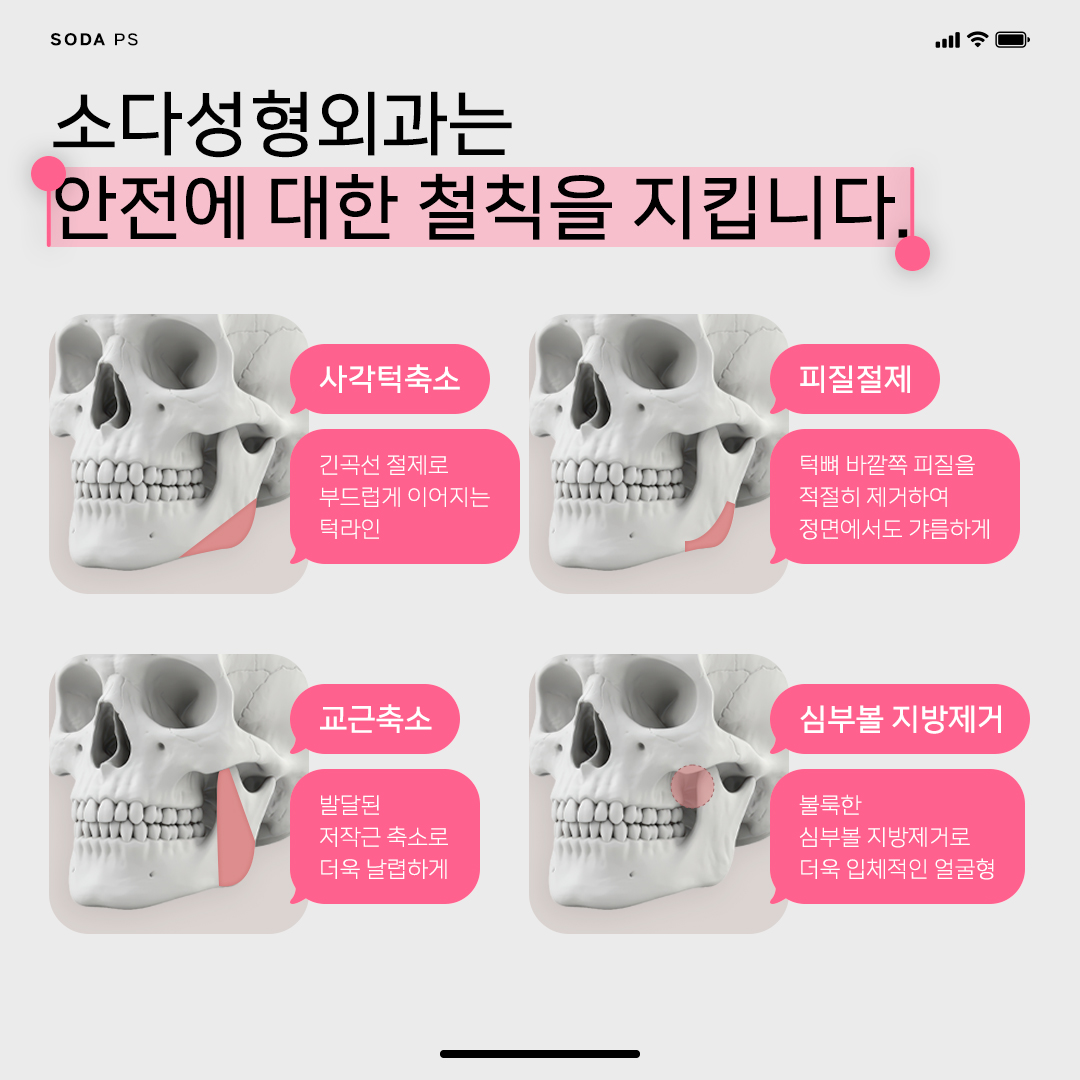
Square jaw surgery mainly reshapes the back and lower border of the mandible. This includes the mandibular angle (the “corner” near the ear) and the lower edge that runs toward the chin. By shaving or cutting this area, the surgeon can reduce the width of the lower face and soften a strong, square angle.
A chin implant or chin surgery, on the other hand, changes the front part of the mandible. This is the bony area under the lower lip that defines how far the chin sticks out and how long the lower face appears.
Common patterns in weak chin with square jaw
Some people have a wide, square jaw but also a short or recessed chin. If only the jaw angle is reduced and the chin is left untouched, the face can become shorter from the side, and the profile may still look unbalanced. The jaw may be slimmer from the front, but the side view can remain weak, with the chin still behind the lower lip.
In other cases, the jaw angle is not extremely wide, but the chin is so recessed that the whole lower face looks heavy. Here, a carefully planned chin implant, sometimes with mild jawline contouring, can refine both the front and side views.
How proper diagnosis is made
For accurate diagnosis, facial contour surgeons in Seoul typically use:
Front and side photos to check facial width, symmetry, and profile line from forehead to chin.
Bite status to see how the upper and lower teeth meet and whether there are major skeletal discrepancies that might require jaw repositioning surgery rather than simple contouring.
’s assessment.
By combining these tools, the surgeon can decide whether you need only square jaw surgery, only chin correction, or a combination.
Chin implant vs. bony chin surgery in square jaw cases
What is a chin implant?
A chin implant is a prefabricated or customized piece, usually made of biocompatible material, placed on the front surface of the chin bone. It increases forward projection and can slightly adjust width or shape without cutting the bone itself.

The implant is typically inserted through a small incision inside the mouth or under the chin. It is shaped to match the underlying bone and is usually secured to reduce the risk of displacement, though implant movement remains a possible complication.
What is bony chin surgery (genioplasty)?
Bony chin surgery, often called genioplasty, involves cutting the chin bone itself. The surgeon can slide the bone forward, backward, up, down, or slightly sideways, and then fix it in its new position with plates and screws.
This approach allows more control over vertical height and asymmetry. It can lengthen or shorten the lower face, correct a tilted chin, and adjust projection in multiple directions.
When is a chin implant chosen in square jaw cases?
In the context of square jaw surgery, a chin implant is usually considered when:
The main issue is lack of forward projection, with only mild vertical length concerns.
The bite is stable and there is no major skeletal mismatch.
Asymmetry is not severe, so a symmetric implant can match both sides well.
The jaw angle is being reduced, and the surgeon wants to refine the front of the jawline without additional bone cuts.
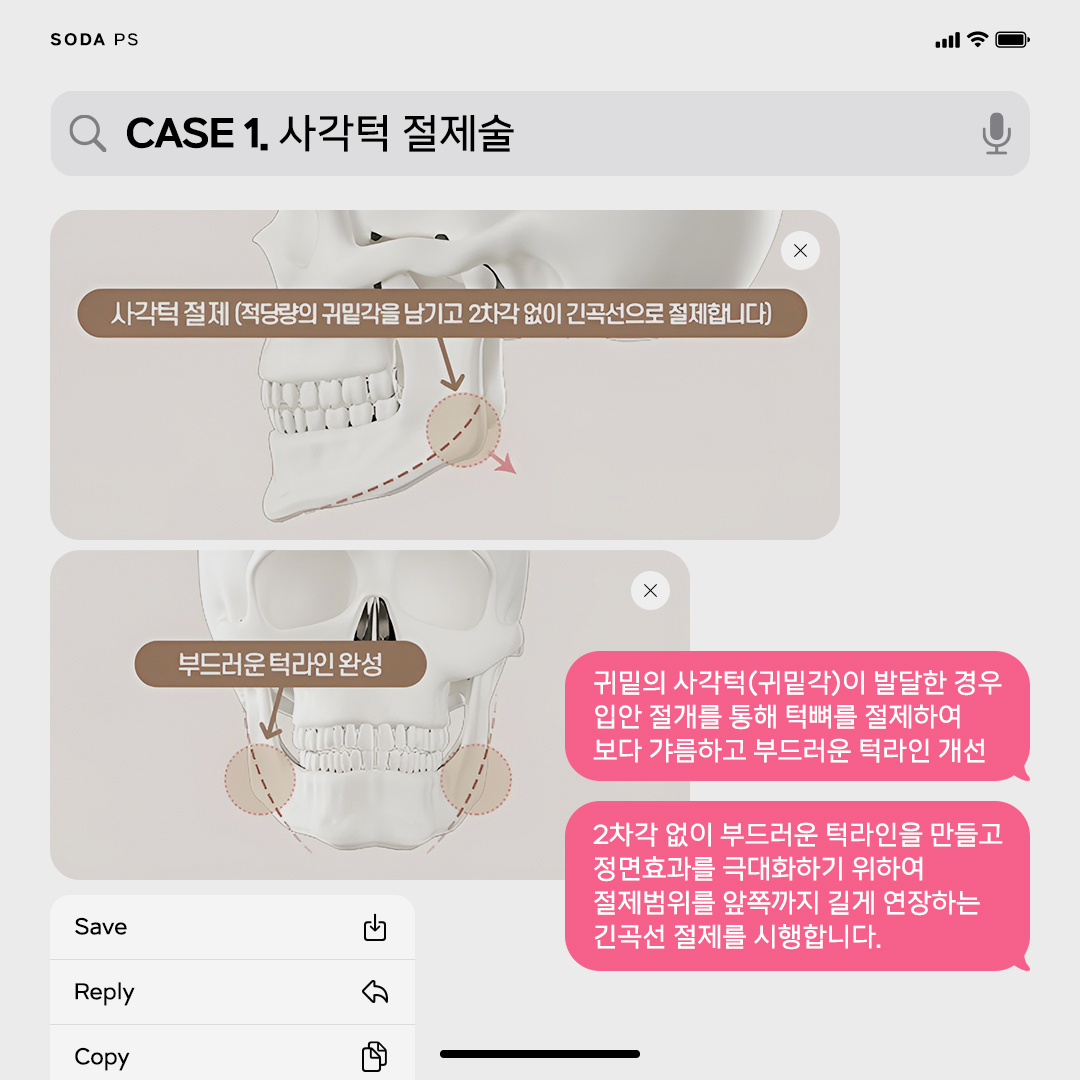
Because the implant sits on top of the bone, it can be combined with jaw angle contouring to create a smooth line from the back of the jaw to the chin.
When is bony chin surgery preferred?
Bony chin surgery is often chosen when:
There is noticeable asymmetry between left and right sides of the chin.
The patient needs significant vertical lengthening or shortening of the lower face.
The jaw angle reduction is large and the surgeon wants very precise control over the final chin position.
Previous implants have caused problems and a more stable, bone-based solution is required.
In facial contour–focused centers, the surgeon plans jaw angle reduction and chin modification together, whether with an implant or bone movement, so that the front and side views are harmonious and the lower face ratio fits the rest of the features.
How chin implant is combined with square jaw surgery
Preoperative planning
When chin implants are combined with square jaw contouring, detailed planning is essential. Typical steps include:
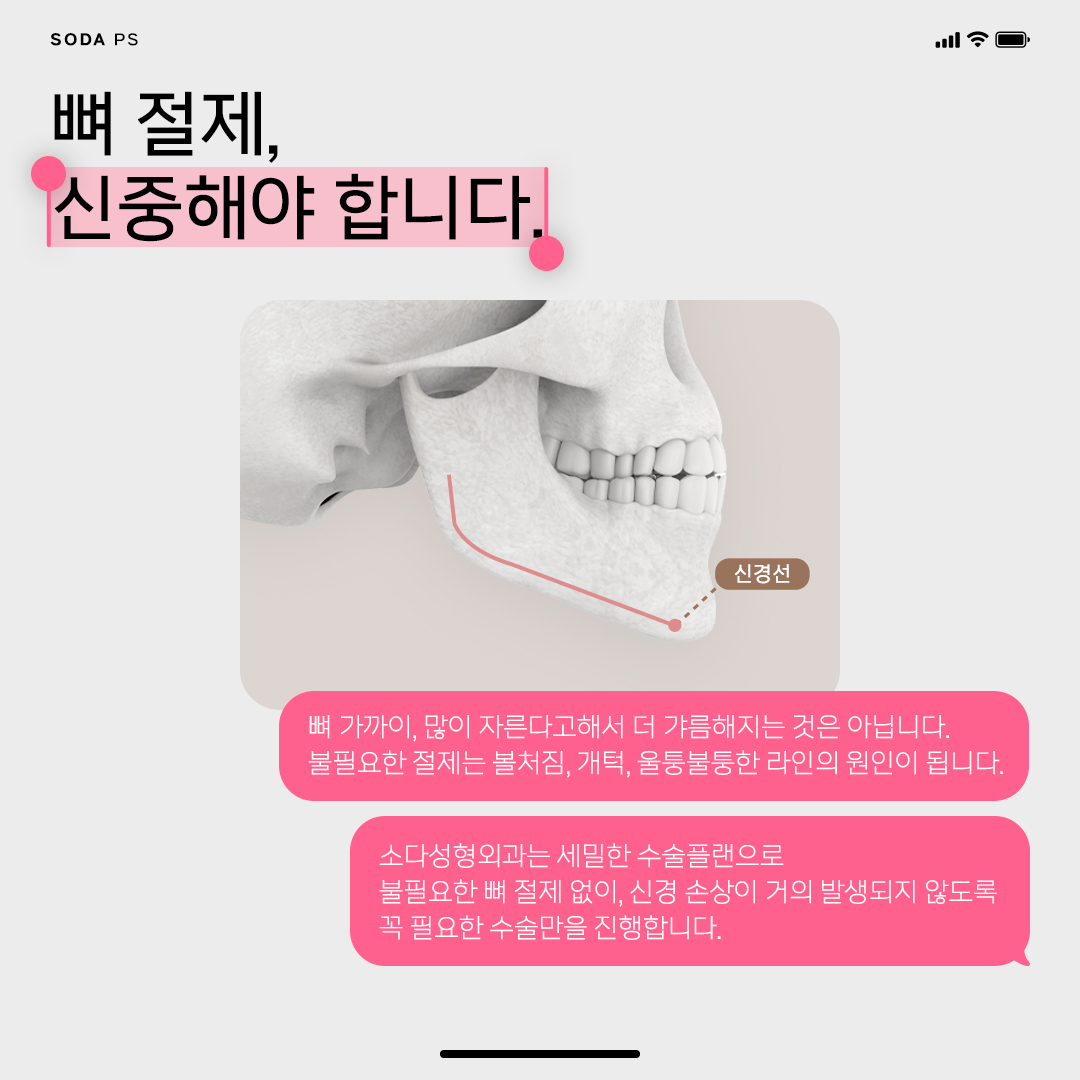
3D CT and facial analysis. The surgeon measures how wide the jaw angles are, how thick the bone is, and how far the chin sits behind an ideal line drawn from nose to chin. The position of the mandibular nerve is checked to avoid damage during bone shaving.
Profile and frontal simulations. Some clinics use simulation software or design drawings to preview changes in the nose–lips–chin line and the lower face ratio. This helps decide how much to reduce the jaw angle and how far to project the chin.
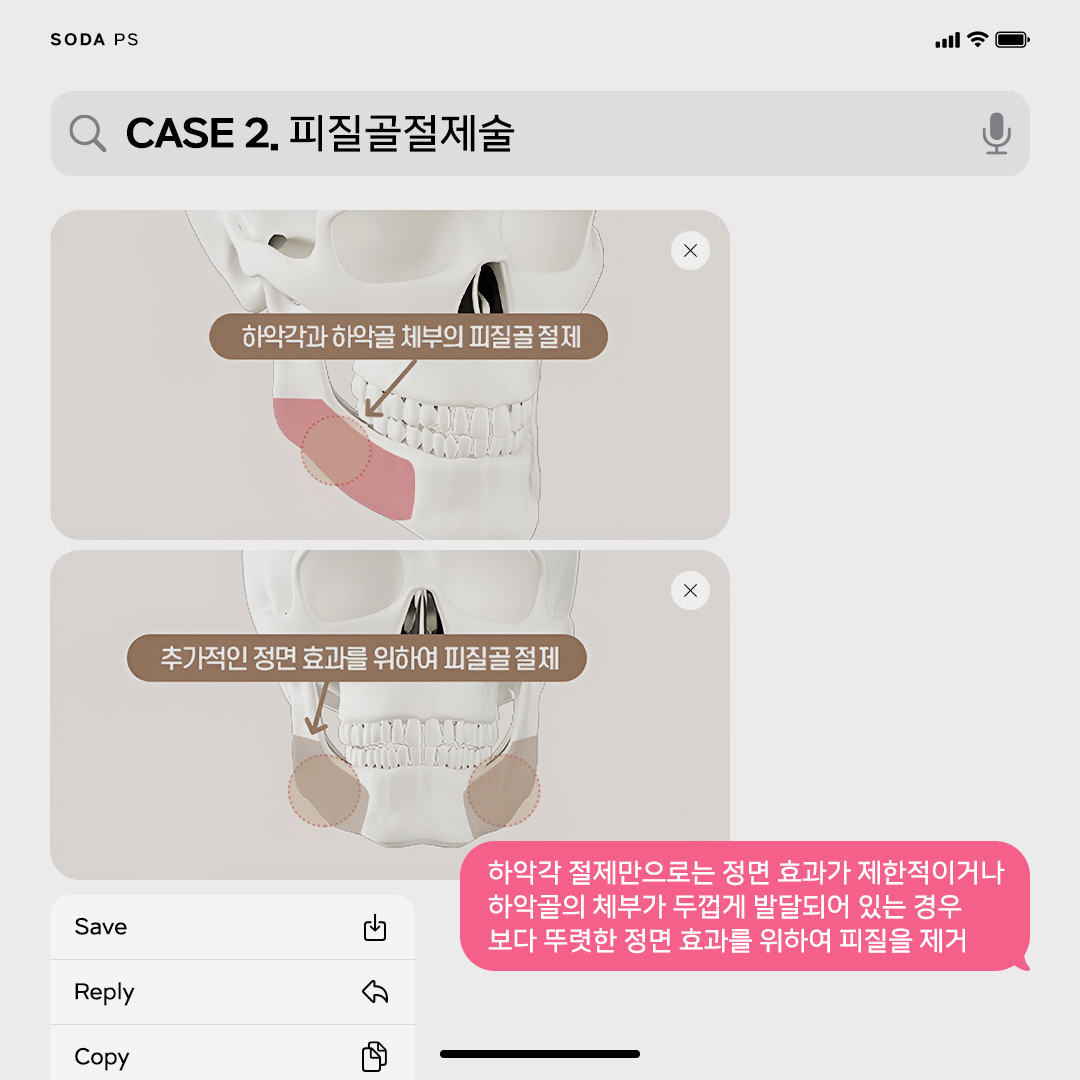
Selection or design of the implant. Based on measurements, the surgeon chooses the size and shape of the chin implant or designs a customized one that follows the new jawline after angle reduction.
Typical surgical sequence
The sequence often follows this order:
Square jaw surgery first. Through incisions inside the mouth, the surgeon reshapes the mandibular angle and lower border, reducing width and smoothing any strong corners. The new jawline is checked from both sides.
Chin implant placement next. Once the new jaw contour is set, the chin implant is positioned to match the slimmer jawline. The surgeon adjusts the implant so that the transition from jawline to chin is smooth, then fixes it securely.
Final symmetry check. The surgeon checks both sides for balance, confirms the chin is centered, and ensures the lower face line flows naturally from ear to chin.
Advantages of combining both procedures
When jaw angle contouring and chin implant are done together, the surgeon can:
Avoid over-reducing the jaw angle, which might make the face look too narrow or short if the chin remains weak.
Use a balanced combination of angle reduction and chin projection to create a defined yet natural jawline.
Match the implant shape to the newly contoured jaw, reducing the risk of a “separate” or unnatural-looking chin.
Safety, monitoring, and recovery considerations
Key safety points
For combined square jaw and chin implant surgery, safety systems are important. Points to look for include:

CT-based planning. Detailed imaging helps the surgeon avoid the mandibular nerve, respect bone thickness limits, and plan safe implant placement.
Anesthesia management. The presence of an anesthesiology specialist, focused on monitoring breathing, blood pressure, and depth of anesthesia, can reduce risks during longer operations.
Structured operating room systems. Real-name surgery policies, continuous monitoring, emergency drugs, and backup power systems help maintain safety even in unexpected situations.
Typical recovery timeline
Recovery varies by individual; the following timelines are approximate and depend on procedure complexity and personal healing:
First 1–2 weeks. Swelling and some bruising are common, especially when both jaw angle and chin are treated. The face may look larger than expected at first. Soft or liquid foods are usually recommended, and mouth rinses help keep the incision area clean.
Around 2 weeks. Many people can return to most daily activities, though mild swelling and stiffness may remain. From a distance, the face often looks close to normal, but close-up photos will still show some puffiness.
Several months. Swelling gradually subsides, and the final contour becomes clearer. Numbness around the chin or lower lip, if present, usually improves over time but can take months to fully resolve.
Postoperative instructions
To protect the implant and jawline, patients are usually advised to:
Maintain good oral hygiene with prescribed mouthwash and gentle brushing.
Follow a soft diet initially, avoiding very hard or chewy foods that stress the jaw.
Sleep with the head elevated for the first days to reduce swelling and avoid pressing directly on the chin.
Avoid strenuous exercise and contact sports until the surgeon confirms the bone and implant are stable.
Who may consider combined square jaw and chin implant surgery
You might consider this combined approach if:
You feel your lower face is wide and square from the front, but your chin looks short or recessed from the side.
Photos show a weak chin line when you turn sideways, even though your jaw looks broad from the front.
You want to improve both the contour of the jawline and the projection of the chin in one trip to Korea.
Your bite is relatively stable and you have been told you do not need full jaw repositioning surgery.
However, every face is different. Some people improve enough with jaw angle reduction alone, while others need only a chin procedure. A detailed consultation with a facial contour specialist is necessary to decide.
Online consultation and pre-visit preparation for overseas patients
Before flying to Seoul, most international patients start with an online consultation. To make this efficient, prepare the following:
Clear front, 45-degree, and side photos of your face and neck, taken in good lighting without filters.
Information about your medical history, medications, allergies, and any previous facial procedures.
Specific concerns: for example, “My chin disappears in side photos,” or “My jaw looks too wide in selfies.”
Questions about surgery options, anesthesia, recovery time, and how long you should stay in Korea.
Some clinics in the Seocho-gu area of Seoul offer CT-based preoperative planning for facial contour procedures, but practices and safety protocols vary between providers. When planning treatment, ask your chosen clinic what imaging and safety measures they use.
Expected Korea visit timeline for combined surgery
While details vary, a typical schedule for overseas patients might look like this:
Day 1–2: In-person consultation and imaging. You meet the surgeon, undergo facial photos and CT scans, and discuss whether you need square jaw surgery, chin implant, bony chin surgery, or a combination. The plan and anesthesia method are confirmed.
Day 2–4: Surgery day. Under general anesthesia, the surgeon performs jaw angle contouring and chin implant placement. After a short recovery period in the clinic, you return to your accommodation with instructions.
First week: Early follow-up. Swelling is at its peak in the first few days. You may visit the clinic for checks, dressing changes, and guidance on mouth rinses and diet. Many patients stay close to the clinic during this period.
Second week: Additional follow-up. Stitches may be removed if there are external incisions. The surgeon checks healing, implant position, and nerve sensation. Some patients can fly home around 10–14 days after surgery, depending on their condition and the clinic’s advice.
After returning home: Online follow-up. You can send photos and updates to the clinic, and they can guide you on long-term care and when to resume full activities.
Aftercare and long-term considerations
Aftercare is as important as the surgery itself. Long-term points to keep in mind include:
Swelling and sensation. Mild asymmetry in swelling is common early on. Temporary numbness or tingling around the chin and lower lip can occur and usually improves gradually.
Implant stability. Once the implant has integrated with surrounding tissues, it usually stays stable. Avoid trauma to the chin area, especially in the first months.
Dental and jaw function. Chewing may feel different at first. Follow the clinic’s instructions on when to progress from soft to regular foods.
Routine health checks. Inform any future healthcare providers that you have a chin implant and jaw contouring history, especially if you undergo imaging or procedures in the same area.
Choosing a clinic for square jaw and chin implant surgery in Seoul
When searching for a clinic in Seoul, especially around Gangnam-daero in Seocho-gu, consider the following points:
Focus on facial contouring. Look for a clinic where square jaw and chin surgery are major areas of practice, not just occasional procedures.

Unified planning by one surgeon. It is helpful when the same surgeon plans and performs both the jaw and chin procedures, ensuring one coherent design.
Use of CT and imaging. Check whether the clinic routinely uses CT scans and can show you how they plan to protect nerves and shape the bone.
Safety systems and anesthesia. Ask if anesthesia is managed by an anesthesiology specialist and whether the clinic has a documented safety protocol in the operating room.
Experience with international patients. Multilingual staff, clear written instructions in English, and experience in caring for overseas patients can make your trip smoother.
During consultation, bring your concerns about front view width, side profile, and chin length, and ask directly whether a chin implant, bony chin surgery, or only square jaw surgery is recommended, and why.
FAQs about chin implants with square jaw surgery
If I have a weak chin and a square jaw, do I always need both square jaw surgery and a chin implant?
Not always. Some patients see enough improvement with jaw angle reduction alone, especially if their chin is only mildly recessed. Others need additional chin projection to balance the profile. CT scans and facial analysis help the surgeon judge whether your main issue is width, projection, or both, and then recommend the most suitable combination.
Is a chin implant safe when done together with square jaw surgery?
When both procedures are planned with imaging, performed by an experienced facial contour surgeon, and supported by a structured safety and anesthesia system, risks can be reduced. However, all surgery carries potential complications, such as infection, implant movement, prolonged swelling, or numbness. A thorough consultation should include a clear explanation of these risks and how the clinic works to minimize them.
Can a chin implant be removed or revised later?
In many cases, chin implants can be removed or replaced if there are aesthetic or medical issues. However, revision is more complex than initial surgery, especially if scar tissue has formed or the jawbone has been reshaped. This is why careful initial planning with a contour-focused clinic is important, including realistic discussion of your goals and limitations.

How long should I stay in Korea for combined square jaw and chin implant surgery?
Some clinics recommend an outpatient stay of around 10–14 days in Korea after combined surgery to allow time for early healing, swelling control, and one or two follow-up visits before travel; however, recommended durations vary by clinic, procedure complexity, and individual health. Confirm the suggested length of stay during your consultation.
Soft call to action
For patients with both a square jaw and a weak chin, the key is not choosing a single procedure name, but building a customized plan that reshapes the jaw angle and corrects the chin together. If you are considering treatment in Seoul, you can start with an online consultation, share your photos and concerns, and ask how CT-based planning and combined surgery might work in your case.
A facial contour–focused clinic in the Gangnam-daero, Seocho-gu area can explain in detail whether a chin implant, bony chin surgery, square jaw surgery alone, or a combination is recommended for you, and help you plan your visit to Korea step by step.




- 공유 링크 만들기
- X
- 이메일
- 기타 앱


댓글
댓글 쓰기