Facial asymmetry surgery in Seoul for balanced jawline and chin
- 공유 링크 만들기
- X
- 이메일
- 기타 앱
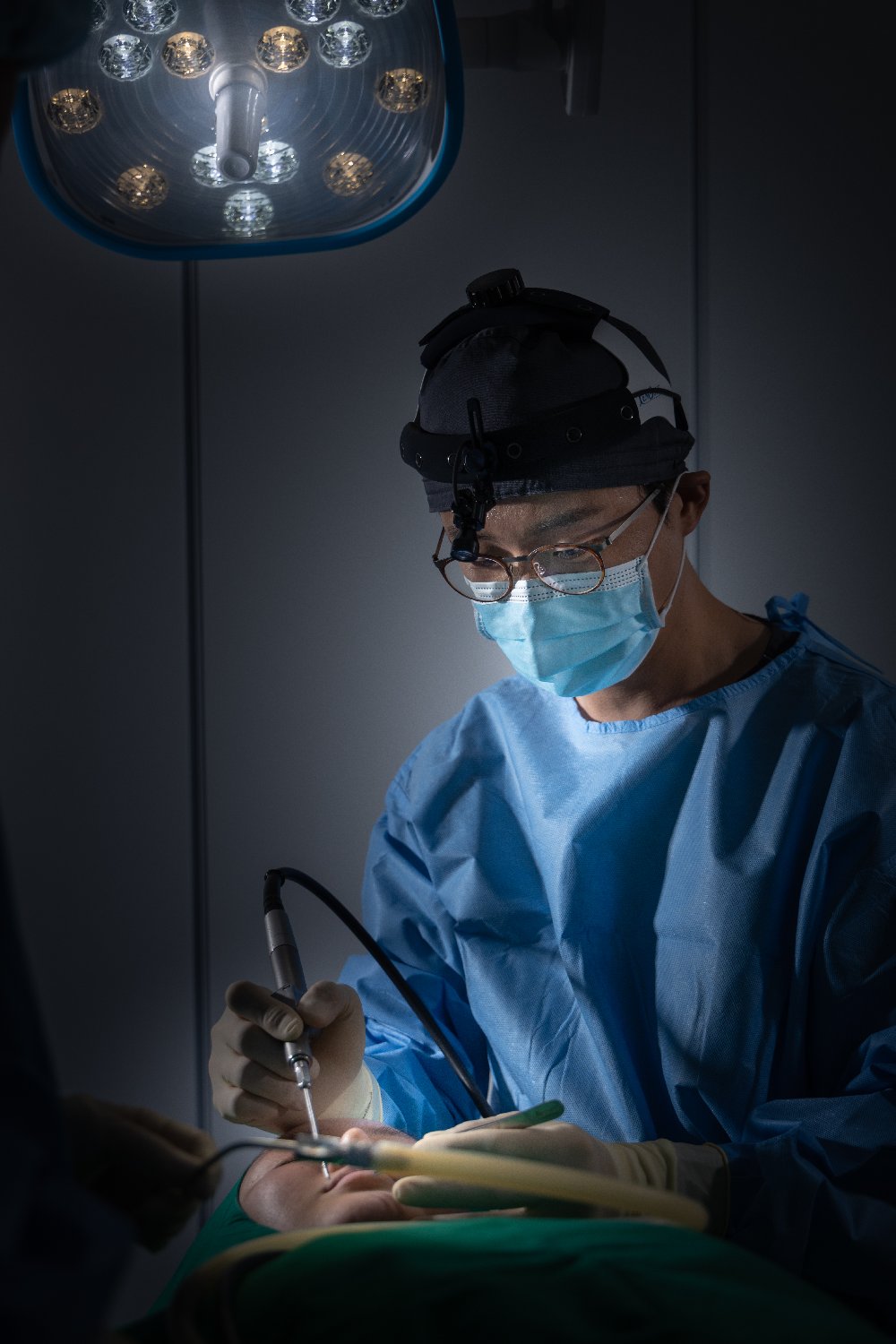
Direct answer summary
Facial asymmetry surgery in Seoul is a customized facial bone contouring procedure that aims to make the left and right sides of your face look more balanced and harmonious. It can include cheekbone reshaping, jaw angle reduction, V-line contouring, and chin correction, with options for revision if you have had previous surgery. Most international patients stay in Korea for around 1 to 2 weeks for the main recovery period, with final results evaluated over several months.
Treatment overview: what is facial asymmetry surgery
Facial asymmetry surgery is a type of facial bone contouring that aims to balance the two sides of the face rather than simply making the face smaller or sharper. Surgeons assess differences in cheekbones, jaw angles, and chin position, then create an individualized plan to reduce, rotate, or reposition the bone segments that contribute to asymmetry.
Depending on your facial structure, the operation may include cheekbone reduction or repositioning, jaw angle contouring, V-line or mini V-line surgery, and chin reshaping. The goal is not to create a perfectly mirrored face, which is anatomically impossible, but to achieve a natural, visually balanced appearance that suits your features from the front and three-quarter views.
These tools help the surgeon understand bone thickness, exact position, and rotation of the jaw and cheekbones, as well as any canting or tilt of the midface or lower face. This detailed diagnosis is especially important for complex or revision cases.
Because facial asymmetry can affect both appearance and function, the surgeon also considers how your bite and midline alignment relate to your facial lines. In some cases, the aim is not only aesthetic harmony but also a more comfortable and stable jaw position.
Who may consider facial asymmetry correction
Many people first notice facial asymmetry in photos or when looking at themselves on video. Typical candidates include those who feel that their face appears tilted, or that one side looks heavier or wider than the other.
Common concerns include a chin that is shifted off the center line, one jaw angle that looks more square or protruded, uneven cheekbone height or width, or a slanted mouth line. Some people feel that their face looks different from the right and left sides, especially in three-quarter view.
Facial asymmetry surgery can also be considered by people who have already had facial contouring or jaw surgery but remain dissatisfied with uneven contours, step deformities, or residual asymmetry. In these revision cases, careful analysis of previous bone cuts, plates, and screws is essential.
It is important to remember that everyone has some degree of natural asymmetry. Surgery is usually considered when the imbalance is clearly visible and causes aesthetic or psychological discomfort, such as avoiding certain camera angles or feeling self-conscious in social or professional situations.
Clinic focus and surgeon background
In the Gangnam-daero area of Seocho-gu, there are clinics that focus their practice on facial contouring rather than general procedures. Their main treatment lineup centers on cheekbone surgery, mini cheekbone surgery, square jaw surgery, V-line and mini V-line surgery, chin surgery, and revision contouring.
Surgeons at clinics that handle complex facial asymmetry and revision cases typically have extensive experience with facial contouring procedures. If you want to verify a surgeon's background, ask to see their CV, training history, and representative case examples during your consultation.
Because the clinic’s menu and case experience are heavily focused on contouring and revision, the internal systems, imaging protocols, and staff training are organized around these procedures. For international patients, this can be reassuring when considering surgery in another country.
How diagnosis and planning are done
Facial asymmetry surgery always begins with a detailed diagnostic process. During consultation, the clinic usually takes facial photographs from multiple angles, including front, side, and three-quarter views, to document how the asymmetry appears from different perspectives.
CT imaging is then used to analyze bone thickness, position, and symmetry. The surgeon compares the left and right sides of the cheekbones, jaw angles, and chin, and evaluates whether there is rotation or canting of the facial skeleton. When relevant, the dental midline and occlusion are also assessed to understand how the bite lines up with the facial midline.
CT comparison is not only used before surgery but also after the procedure to confirm how the bone position and contour have changed. This allows both surgeon and patient to visualize the structural adjustments that were made.
Based on this information, the surgeon designs an individualized operation plan. They decide whether to focus on cheekbones, jaw angles, chin, or a combination, and whether bone segments need to be reduced, rotated, or slid. Rather than applying a single V-line pattern to every patient, the design is customized to the person’s unique skeletal pattern and soft tissue volume.
Surgical methods for different types of asymmetry
For cheekbone asymmetry, the surgeon may reduce or reposition the more prominent side to bring it closer to the less prominent side. In some cases, both sides are adjusted to create a smooth, balanced cheek contour. The aim is to avoid a flat or hollow look while reducing the impression of one side sticking out.
For jaw asymmetry, the focus is usually on contouring the more protruded or wider side of the jaw. However, to maintain a continuous and smooth jawline, the opposite side is often adjusted as well, even if the change there is smaller. This helps prevent a stepped or uneven line along the lower border of the jaw.
For chin deviation, techniques such as sliding genioplasty or chin contouring can be used to bring the chin closer to the facial midline. The surgeon considers not only the side-to-side position but also the projection and height of the chin, so that it matches the overall facial proportions.
Incisions are usually made inside the mouth, which helps to minimize visible scars. In some cases, small external incisions in hidden lines may be used depending on the technique and area being treated.
Revision surgery and pin removal
Some patients seeking facial asymmetry correction in Seoul have already undergone facial contouring or jaw surgery elsewhere. They may still notice asymmetry, feel irregular steps along the jawline, or be unhappy with the overall shape.
Revision facial asymmetry surgery requires especially careful planning. The surgeon must analyze existing bone cuts, plates, and screws using CT imaging. It is important to understand how previous operations changed the bone structure and where there is room for further adjustment.
In some cases, patients request removal of metal plates or pins from previous jaw or cheekbone surgery. This can sometimes be combined with contour refinement, but the plan must be realistic. Not all asymmetry can be completely corrected, especially when there is significant scarring or limited remaining bone.
Clinics that handle revision cases often show CT-based before and after comparisons and case galleries, so prospective patients can see the type of changes that are possible. During consultation, the surgeon will usually explain which aspects can be improved and which limitations remain.
Safety, anesthesia, and operating room systems
For international patients, safety and anesthesia management are key concerns. Anesthesia is provided by a specialist anesthesiology team; international patients should confirm the anesthesiologist's qualifications and ask about the clinic's anesthesia protocols during consultation.
The clinic operates a structured safety system that includes a named surgeon system in the operating room, so patients know who is performing their surgery. CCTV in the operating room allows for transparent monitoring of procedures.
Emergency preparedness is important for any surgical facility. Ask the clinic to describe their emergency protocols, the types of emergency medications and monitoring equipment they maintain, their backup power arrangements, and how staff are trained to respond to intraoperative emergencies.
These measures are designed to reduce anesthesia and intraoperative risks and to support safe, continuous monitoring throughout surgery. During your online consultation, it is reasonable to ask detailed questions about anesthesia protocols and emergency systems.
Patient experience, language support, and case resources
For overseas patients, language and communication are important. The clinic provides a multilingual website in Korean, English, and Japanese, which reflects experience with international visitors. Staff may also be familiar with the typical questions and concerns of patients traveling from abroad.
Before-and-after case galleries, including CT comparisons, can help you understand the range of possible changes and the clinic's approach to structural correction. Request verified patient references, objective case documentation, and detailed before-and-after records to help set realistic expectations.
There is also a dedicated aesthetic care line for post-surgery management. This includes personalized care to help reduce swelling, support healing, and guide you through the early recovery period. Such aftercare can be especially helpful for patients who plan to return home relatively soon after surgery.
Online consultation and pre-visit preparation
If you are considering facial asymmetry surgery in Seoul, an online consultation is usually the first step. Most clinics will ask you to send clear photos of your face from the front, both sides, and three-quarter angles. Some may also request short video clips to see how your face moves when you speak or smile.
You should prepare a list of your main concerns. For example, you might point out that your chin looks shifted to one side in photos, that one jaw angle appears bulkier, or that your cheekbones look uneven. The more specific you are, the easier it is for the surgeon to understand your goals.
If you have had previous facial surgery, it is important to be honest and provide as much information as possible. This includes operative reports, if available, and any previous imaging. Even if you do not have documents, you should clearly state what was done and when.
Before your consultation, it can be helpful to write down questions such as:
- Which bones or areas are contributing most to my asymmetry?
- Is my case more suitable for single-area correction or combined cheekbone, jaw, and chin surgery?
- What are the realistic limits of correction in my situation?
- How long should I stay in Korea after surgery?
- What kind of swelling, numbness, or temporary discomfort should I expect?
Some patients also bring reference photos of themselves at a younger age or from angles they like. Rather than asking to look like someone else, it is more useful to show what you consider a balanced or natural appearance for your own face.
Expected Korea visit timeline for overseas patients
Although exact schedules vary, many international patients plan their stay in Korea around the main stages of surgery and early recovery.
Before surgery, you will usually have at least one in-person consultation, CT imaging, and a detailed explanation of the surgical plan. This may be done one or two days before the operation, depending on your arrival time.
On the day of surgery, you will be admitted, meet the surgeon and anesthesiology specialist again, and review consent forms. After surgery, you will spend time in the recovery area under monitoring before being discharged the same day or the following day, depending on the clinic’s protocol and the extent of surgery.
The first one to two weeks are typically focused on swelling control, oral hygiene, and gradual return to light daily activities. Many clinics schedule several follow-up visits during this period for dressing changes, swelling care, and progress checks.
Some clinics recommend a postoperative stay of about 7–14 days after facial asymmetry surgery, but exact recommendations vary by procedure complexity and individual recovery. Confirm the recommended minimum stay and any postoperative care arrangements with your surgeon before travel.
Aftercare, recovery, and long-term results
After facial asymmetry surgery, it is normal to experience swelling and some bruising, especially during the first one to two weeks. Swelling is often more pronounced in the lower face and around the jawline, and can be uneven at first.
Hard foods and intense exercise are usually restricted for a period determined by the surgeon. Soft or liquid foods are recommended initially, and good oral hygiene is important to keep intraoral incisions clean. The clinic’s aesthetic care line and post-surgery programs are designed to help manage swelling and support healing.
As swelling gradually decreases over several weeks, the improved facial balance becomes more visible. However, final results are typically judged after several months, when most of the deeper swelling has resolved and the soft tissues have settled around the new bone contours.
The aim is for the face to look natural and harmonious, not overly sharp or obviously operated. From the front and three-quarter views, the jawline, cheekbones, and chin should appear more balanced, reducing the impression that one side of the face is heavier or tilted.
Setting expectations and making decisions
When considering facial asymmetry surgery, it is important to maintain realistic expectations. Complete symmetry is not possible, even with advanced techniques and detailed imaging. The goal is to significantly improve visible imbalance while preserving a natural look and stable structure.
During consultation, the surgeon will focus on what specifically bothers you in photos and in the mirror, and will explain how much change is both safe and structurally sound. In some cases, subtle adjustments can make a noticeable difference in how balanced the face appears.
Rather than comparing clinics only by cost, it is wise to compare their imaging systems, experience with asymmetry and revision cases, safety protocols, and aftercare programs. You may want to ask how many similar cases they handle, whether they use CT comparison before and after surgery, and how anesthesia is managed.
Before your final decision, write down the points that matter most to you, such as natural appearance, safety systems, communication in your language, and realistic planning. Bringing these notes to your consultation can help you ask clear questions and feel more confident in your choice.
FAQ
What problems can facial asymmetry surgery improve?
Facial asymmetry surgery can improve visible differences between the left and right sides of the face that are caused by bone structure. This includes a chin that is off-center, uneven jaw angles, and cheekbones that are different in height or projection. While it cannot correct every minor detail, it often reduces the impression that the face is tilted or that one side is much heavier.
How long do I need to stay in Korea after surgery?
Most international patients stay in Korea for about 7 to 14 days after facial asymmetry surgery. This allows time for initial recovery, swelling control, and several follow-up visits. Complex or revision cases may benefit from a slightly longer stay, which your surgeon can advise during consultation.
Is facial asymmetry surgery only cosmetic?
Facial asymmetry surgery is often chosen for aesthetic reasons, but it can also relate to functional balance. In some cases, jaw position, bite alignment, and muscle balance are considered together with appearance. The main aim is to create a more harmonious and natural facial shape, and in certain situations this may also contribute to more comfortable function.
Can previous jaw or cheekbone surgery be revised?
Many patients with remaining asymmetry or irregular contours after previous surgery can undergo revision facial asymmetry procedures. The surgeon will analyze existing bone cuts, plates, and screws using CT imaging and discuss what can realistically be improved. While complete correction is not always possible, targeted revision can often refine contours and reduce obvious imbalance.
Soft call to action
If you are concerned about facial asymmetry or are dissatisfied with the result of previous contouring surgery, an online consultation with a facial contouring focused clinic in the Gangnam-daero area of Seoul can be a useful next step. By sharing your photos, medical history, and questions in advance, you can receive a personalized assessment based on CT and facial line analysis.
When you contact the clinic, consider asking about their imaging systems, safety protocols, the role of an anesthesiology specialist, and their experience with asymmetry and revision cases. With clear information and realistic planning, you can make a more confident decision about whether facial asymmetry surgery in Korea is right for you.


댓글
댓글 쓰기