Facial Bone Surgery and Square Jaw Reduction in Seoul: A Practical Guide for International Patients
- 공유 링크 만들기
- X
- 이메일
- 기타 앱
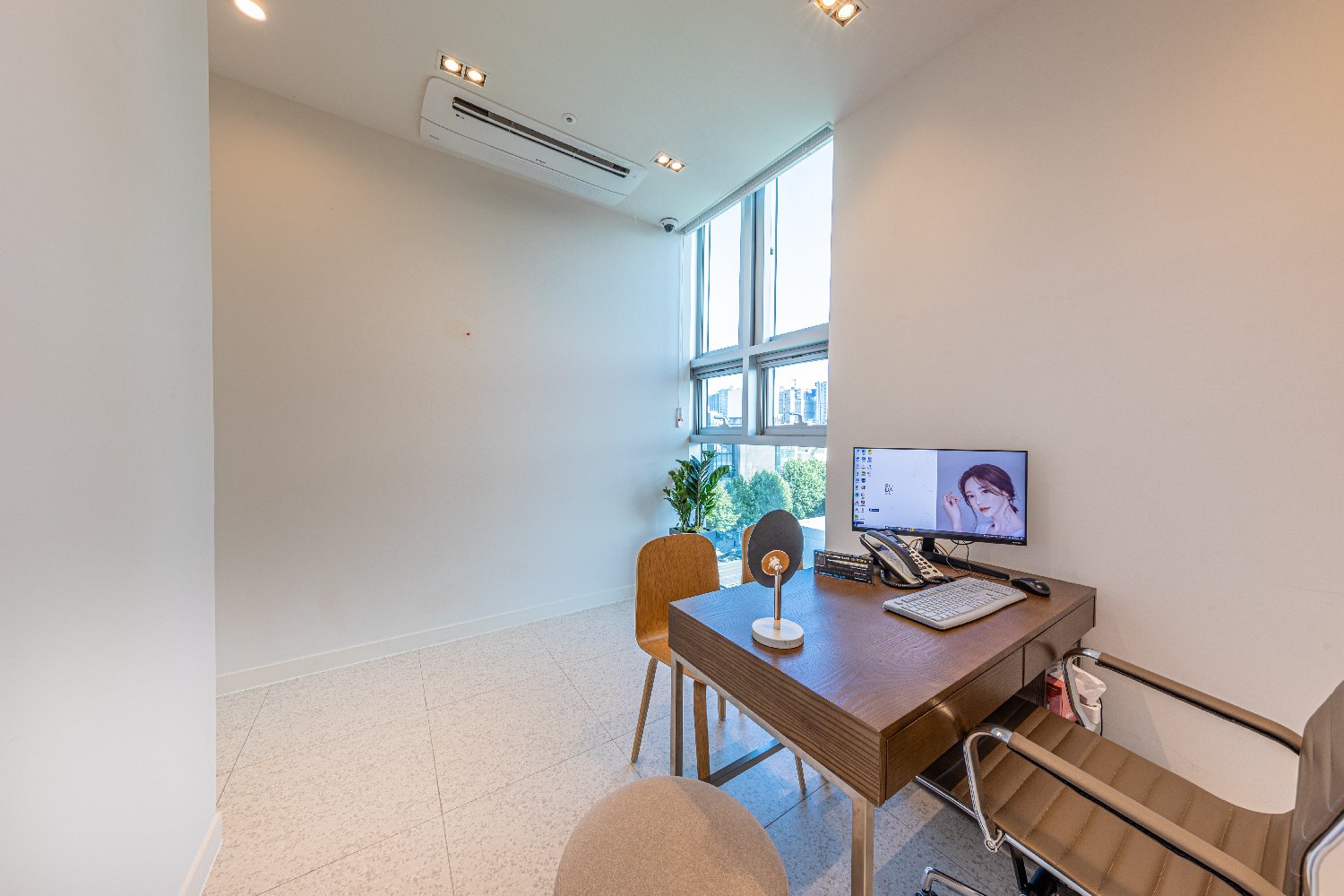
Intro: Facial bone surgery and the lower face
dures.
In Seoul, particularly near Gangnam-daero in Seocho-gu, several clinics specialize in facial contouring. These practices commonly offer procedures such as jawline contouring, V-line surgery, cheekbone procedures, and revision contouring. The focus is usually on designing a balanced, individualized jawline that suits each patient's facial proportions while preserving function.
This guide explains what square jaw reduction surgery is, who may consider it, how it is planned and performed, and what international patients can expect before, during, and after treatment in Seoul.
What is square jaw reduction surgery
Square jaw reduction is a type of facial bone surgery that reshapes the mandibular angle and the lower border of the jaw. It is often chosen by people who feel their lower face looks wide, bulky, or very angular from the front or side.
The mandibular angle is the corner at the back of the jaw, near the ear. When this angle is very strong or flared, it can create a square or heavy jawline. Square jaw surgery adjusts this area to create a smoother, more tapered line.
There are several components that may be combined in square jaw reduction:
Bony angle reduction: The surgeon shaves or cuts the prominent angle of the jawbone to reduce width and angularity. This directly changes the bone shape.
Cortical bone reduction: The outer layer of the jawbone (cortical bone) can be thick in some people. Thinning this layer helps refine the lower face without overly changing the basic jaw shape.
Muscle and soft tissue management: In some cases, the masseter muscle and surrounding fat contribute to a wide jaw. The surgeon may reduce muscle bulk or address soft tissue volume when appropriate, or recommend non-surgical options if bone is not the main cause.
In many techniques, surgeons use intraoral incisions placed near the back molars to access the jawbones, which keeps scars inside the mouth. Approach selection varies by surgeon, anatomy, and procedure; in some cases a small external incision may be used. Ask your surgeon which approach they recommend and how they manage scarring and related risks.
Who should consider square jaw surgery
People consider square jaw reduction for different reasons, but common concerns include:
A strong or protruding jaw angle visible from the side profile.
A very wide lower face compared with the upper face.
A jawline that looks overly masculine or heavy compared with the rest of the features.
Imbalance between the upper and lower face, where the lower third appears dominant.
However, not every wide face needs bone surgery. Some people have a thick or enlarged masseter muscle, often from genetics or habitual chewing. Others have more soft tissue volume along the jawline. In these cases, non-surgical or less invasive treatments may be more appropriate.
A key step is careful diagnosis. A 3D evaluation, usually with CT imaging, helps distinguish how much of the width comes from bone, muscle, or fat. This allows the surgeon to recommend the right level of treatment, whether that is true lower face bone surgery, muscle-focused treatments, or a combination.
Patients who have already had jaw surgery, double jaw surgery, or previous facial contouring may also consider revision square jaw surgery. Revision cases are more complex because of existing plates, screws, and scar tissue. Clinics that handle revision contouring and plate removal regularly are generally better prepared for these situations.
Preoperative assessment and planning
In a facial contour focused clinic near Gangnam-daero in Seocho-gu, the preoperative process for mandibular angle contouring is typically structured and detailed.
Assessment usually includes:
Facial photographs from multiple angles to analyze proportions and asymmetry.
CT scans to evaluate bone thickness, mandibular angle shape, nerve position, and the relationship between bone and soft tissue.
Dental and bite evaluation when needed, especially if there is concern about occlusion or previous jaw surgery.
A discussion about the desired face shape, such as a natural slim jawline, a softer V-line, or maintaining some angularity for character.
A key point is that the jawline is not designed in isolation. In a clinic built around facial contouring, the surgeon plans the lower face in relation to the cheekbones, chin, and even forehead. This whole-face approach helps avoid results that look unbalanced, such as a very narrow jaw with wide cheekbones, or a pointed chin that does not match the rest of the face.
ing.
Anesthesia staffing and practices vary by clinic and by country. Some clinics have an anesthesiologist review medical history, medications, allergies, and prior anesthesia experiences and manage intraoperative monitoring and recovery, while others use different staffing models. Confirm with any clinic what anesthetic personnel will be present, their qualifications, and how anesthesia and monitoring are handled for major facial bone surgery.
How square jaw surgery is performed
Square jaw reduction is a true bone operation that requires an operating room, general anesthesia, and specialized equipment.
The general steps, explained in patient-friendly terms, are:
Anesthesia: You are put to sleep under general anesthesia, managed by an anesthesiology specialist.
Incision: The surgeon makes an incision inside the mouth along the back of the lower gum area. This allows access to the jawbone without visible external scars in most cases.
Bone exposure: The soft tissue is gently lifted to expose the mandibular angle and lower border of the jaw.
Bone contouring: Depending on the plan, the surgeon may perform simple angle shaving or a more extended long-curve mandibular contouring. Simple angle shaving focuses on the corner of the jaw. Long-curve contouring extends the bone reshaping forward along the lower border toward the chin, creating a smoother, continuous line.
Smoothing and hemostasis: After the main cuts, the bone edges are smoothed, and bleeding is carefully controlled.
Closure: The incision inside the mouth is closed with sutures that may dissolve over time. A compression bandage may be applied around the lower face.
In some patients, square jaw reduction is combined with chin surgery or V-line surgery to refine the entire lower third of the face. This is decided during planning, based on facial proportions and the patient’s goals.
Safety and anesthesia system
Facial bone surgery is major elective surgery, and safety systems are not optional; they are essential.
This includes preoperative evaluation, intraoperative monitoring, and immediate postoperative care.
Additional safety elements patients may consider asking about include: confirm availability of specific features or protocols with the clinic and request any supporting documentation or policies.
Named surgeon system: Clear identification of the surgeon who will actually perform the operation, so there is no confusion between the doctor you consult and the one who operates.
Operating room CCTV: Some clinics provide CCTV in operating rooms for transparency and quality control.
Emergency medications: Availability of drugs such as dantrolene to manage rare but serious anesthesia-related complications.
Uninterruptible power supply: Backup power systems to keep vital equipment running in case of power failure.
Central monitoring systems and gas leak alarms: Continuous monitoring of vital signs and early detection of equipment or gas issues.
These systems help reduce risks related to anesthesia, equipment malfunction, and unexpected events. During your online or in-person consultation, it is reasonable to ask the clinic to explain their safety protocols in detail.
Recovery process and aftercare
After square jaw reduction, you can expect a structured recovery process.
Immediately after surgery, you will wake up in a recovery area under monitoring. Some patients stay in the clinic for observation for several hours or overnight, depending on the clinic’s policy and the extent of surgery.
Swelling and bruising are normal. Swelling usually peaks within the first few days and then gradually decreases over several weeks. Bruising, if present, often resolves within two to three weeks.
A compression bandage around the lower face is commonly used for a certain period to help control swelling and support the new contour. The clinic will explain how long you need to wear it each day.
Because the incisions are inside the mouth, oral hygiene is very important. You will be instructed on how to rinse, brush gently, and possibly use antiseptic mouthwash to reduce infection risk.
Diet is usually modified for a while. Many patients start with a liquid or very soft diet and then gradually return to normal foods as comfort allows. Hard or chewy foods are typically restricted in the early phase.
Expected recovery milestones often include:
on.
Major swelling reduction: usually over 1 to 3 months, with continued subtle refinement afterward.
Final contour visibility: often around 6 months or longer, when deep tissue healing is more complete.
Follow-up visits are important to monitor healing, check for asymmetry or bite changes, and adjust aftercare as needed. Some clinics in Seoul offer structured postoperative care programs, such as swelling management treatments, gentle massage, or skin tightening support, to help the face settle smoothly after bone surgery.
Risks, side effects, and realistic expectations
Like any major surgery, square jaw reduction carries potential risks and side effects.
Possible complications include:
Bleeding or hematoma.
Infection, especially if oral hygiene is not maintained.
Nerve injury leading to temporary or, in rare cases, permanent numbness of the lower lip or chin.
Asymmetry or uneven contour.
Over-correction or under-correction of the jaw width.
Changes in bite or chewing function in some cases.
Need for revision surgery.
Surgeons use nerve-sparing techniques and careful preoperative planning to minimize these risks, but no procedure can be completely risk-free. This is why realistic expectations and thorough informed consent are essential.
When considering facial bone surgery, it is wise to focus on natural, harmonious changes rather than extreme narrowing. Overly aggressive bone removal can affect structural stability and long-term function. During consultation, you can ask specific questions, such as:
- Where is my nerve line located on CT, and how will you avoid it?
- How much bone do you plan to remove, and why?
- How will you maintain jaw strength and function?
- What is your approach if minor asymmetry appears after swelling goes down?
Choosing a clinic in Seoul for square jaw surgery
Gangnam-daero in Seocho-gu is known for a high concentration of clinics offering facial contouring surgery, including lower face bone surgery. For international patients, this variety can be both an opportunity and a challenge.
When choosing a clinic for square jaw reduction, consider the following points:
Focus on facial contouring: Look for a clinic where the main treatment lineup includes square jaw surgery, V-line surgery, cheekbone surgery, and revision contouring. This focus suggests that the team is accustomed to working with facial bone anatomy on a daily basis.
CT-based planning: Confirm that the clinic uses CT imaging and 3D analysis as a routine part of planning. Ask to see how they will use your CT to design the surgery.
Experience with revision and plate removal: Clinics that regularly manage revision contouring and plate removal are often familiar with complex anatomy and complication management.
Surgeon continuity: It is helpful when the same surgeon who consults with you is the one who performs your operation. Ask clearly who will operate and how involved they will be in your care.
Dedicated anesthesia specialist: Check that a board-certified anesthesiologist is in charge of anesthesia, not just present in name.
Consultation style: Pay attention to whether the clinic recommends surgery only when bone surgery is truly indicated. If your wide jaw is mainly due to muscle or soft tissue, a responsible clinic will explain non-surgical or less invasive options instead of pushing bone surgery.
Online consultation and pre-visit preparation
For overseas patients, the process usually begins with an online consultation. Most facial contouring clinics in Seoul offer communication via email, messaging apps, or online forms.
To make your online consultation more effective, prepare the following:
Clear photographs of your face from the front, 45-degree angles, and both side profiles, with neutral expression and good lighting.
Any previous medical records related to jaw or facial surgery, including CT scans if available.
A short description of what bothers you about your jawline and what kind of change you hope to see.
Information about your general health, medications, allergies, and previous anesthesia experiences.
Before you decide, it can be helpful to consult with more than one clinic. Prepare a list of questions, such as:
- Is my jaw width mainly from bone, muscle, or both?
- Do you recommend simple angle shaving or long-curve mandibular contouring for my case?
- Will you combine chin or V-line surgery, or is square jaw surgery alone enough?
- What safety systems are in place in your operating rooms?
- How long should I stay in Korea after surgery for follow-up?
Expected Korea visit timeline for square jaw surgery
While each clinic has its own protocol, an example timeline for an international patient might look like this:
Day 1–2: Arrival in Seoul. In-person consultation, physical examination, CT scan, and final surgical planning. You may sign consent forms and complete preoperative tests.
Day 3: Surgery day. You arrive fasting, undergo the procedure under general anesthesia, and stay in the clinic for observation afterward.
Day 4–7: Early recovery in Seoul. You attend follow-up visits for wound checks, bandage changes, and swelling management. You follow instructions for diet, oral hygiene, and medication.
Day 8–14: Continued recovery with decreasing swelling. Additional follow-up visits as needed. Many patients can travel home within 1 to 2 weeks, depending on the surgeon’s advice and their own condition.
The exact length of stay will depend on your health, the complexity of surgery, and your travel distance. It is important not to rush your departure; follow your surgeon’s guidance for safe timing.
Aftercare once you return home
After you leave Korea, you will continue healing for several months. Good communication with the clinic remains important.
You may be asked to:
Send periodic photos to the clinic so the surgeon can monitor your progress.
Report any unusual symptoms, such as severe pain, fever, or sudden asymmetry.
Follow local medical advice if any issues arise, while keeping the Korean clinic informed.
Continue to maintain good oral hygiene, follow dietary recommendations, and avoid trauma to the jaw. Swelling will keep improving, and the jawline will gradually refine over time.
Frequently asked questions
Is square jaw surgery the same as V-line surgery
Square jaw surgery focuses mainly on the mandibular angle and the lower border of the jaw. V-line surgery is a broader term that usually includes both jaw angle contouring and chin reshaping to create a more tapered lower face.
In some patients, square jaw reduction alone is enough to balance the face. In others, combining it with chin surgery provides a more complete V-line effect. Your surgeon will recommend the approach that matches your anatomy and goals.
How long does swelling last after square jaw reduction
Swelling is most noticeable in the first week after surgery and often peaks around days 2 to 4. It then gradually decreases over several weeks.
Many patients feel comfortable with their appearance for daily life after about 3 to 4 weeks, although some residual swelling can persist. The majority of swelling usually resolves by 3 months, and the final contour continues to refine up to around 6 months or longer.
Will square jaw surgery change my bite or chewing function
Square jaw reduction is designed to reshape the outer contour of the jawbone without significantly changing the bite in most standard cases. The cuts are typically made below the tooth roots and away from the main bite-supporting areas.
However, in some patients, especially those with pre-existing bite issues or previous jaw surgery, there can be changes in how the teeth meet or how chewing feels. This is why preoperative evaluation of the bite and careful planning are important. If you have concerns about occlusion, discuss them clearly with your surgeon before surgery.
Can I have square jaw surgery if I already had double jaw or other contouring surgery
Yes, it is often possible to have square jaw reduction after previous double jaw or facial contouring surgery, but these are considered revision cases and require more detailed planning.
The surgeon must review your previous records, check for plates and screws on CT, and evaluate bone thickness and nerve position. Revision surgery can be more technically demanding, so it is advisable to choose a clinic that regularly manages revision contouring and plate removal, and to allow enough time in Seoul for careful follow-up.
How do I know if I need bone surgery versus non-surgical treatments for a wide jaw
The decision depends on what is actually causing your jaw to look wide. If the main issue is thick or flared jawbone, facial bone surgery such as square jaw reduction may be needed for a clear change in the outline.
If the width is mainly from enlarged masseter muscles or soft tissue, non-surgical or less invasive treatments may be sufficient. A proper evaluation with photographs, physical examination, and CT imaging helps distinguish these causes. During consultation, ask your surgeon to explain which structures are contributing to your jaw width and what options are appropriate.
Soft call to action
If you are considering facial bone surgery in Seoul, especially square jaw reduction or mandibular angle contouring, an online consultation can be a helpful first step. By sharing your photos, concerns, and medical history in advance, you can receive a more personalized explanation of whether square jaw surgery, V-line surgery, or another approach is suitable for you.
When you contact a facial contouring focused clinic near Gangnam-daero in Seocho-gu, do not hesitate to ask detailed questions about planning, safety systems, anesthesia, and the expected timeline for overseas patients. Careful preparation and clear communication are key to a safe and satisfying experience.
- 공유 링크 만들기
- X
- 이메일
- 기타 앱


댓글
댓글 쓰기