Facial-contouring 3-set price guide (yungwak 3-jong gageok): factors that determine cost and how prices are estimated in Korea
- 공유 링크 만들기
- X
- 이메일
- 기타 앱
Direct answer summary
A facial-contouring “3-set” generally refers to a coordinated plan that combines cheekbone reduction, square-jaw reduction, and chin or V-line contouring in a single surgical episode. The price is influenced by which exact procedures are included in your 3-set, how complex each area is, whether it is a first-time or revision surgery, the amount of preoperative imaging and laboratory testing (for example, CT scans), and the clinic’s anesthesia and perioperative safety practices. Because these variables differ for each person, an individualized consultation with CT-based planning is needed to estimate your likely price range.
At clinics that focus on facial contouring, operations are typically performed by an experienced facial-contouring surgeon, and anesthesia is managed by an on-site anesthesiologist. Clinics often reflect surgeon experience and their operating-room safety practices in their fees. To determine your own price range, you will need an individual consultation—online or in person—with CT-based planning and a clear explanation of which three procedures are included in your 3-set.
Overview of facial contouring 3-set surgery
When people search for a facial contouring 3-set price, they are usually looking for the cost of a comprehensive facial contouring package. In Korea, this often refers to a single surgical plan that combines three main areas of bone contouring to reshape the overall facial outline.
The typical 3-set includes cheekbone reduction, square jaw reduction, and chin or V-line contouring. These procedures are designed together so that the face looks balanced from the front, side, and three-quarter views, rather than as three unrelated surgeries.

Facial-contouring procedures commonly include cheekbone (zygoma) reduction, mini cheekbone procedures, square-jaw reduction, V-line and mini V-line techniques, and chin reshaping. Some surgeons also perform revision contouring and removal of hardware (such as plates or pins) from prior jaw or contour surgeries. These options allow a 3-set to be tailored to each patient’s needs.
What the facial contouring 3-set usually includes
In most cases, a 3-set plan is built around three core areas.
Cheekbone reduction
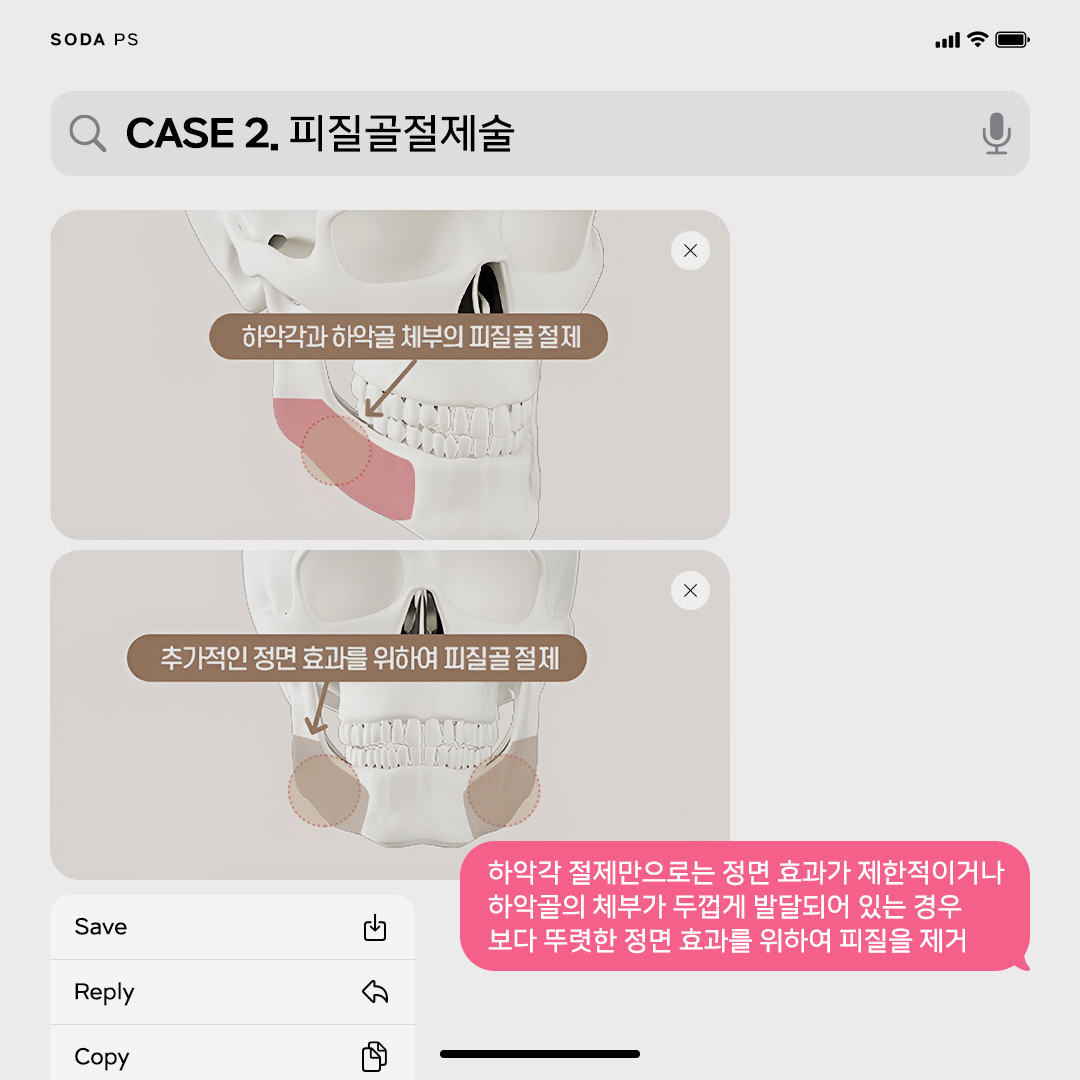
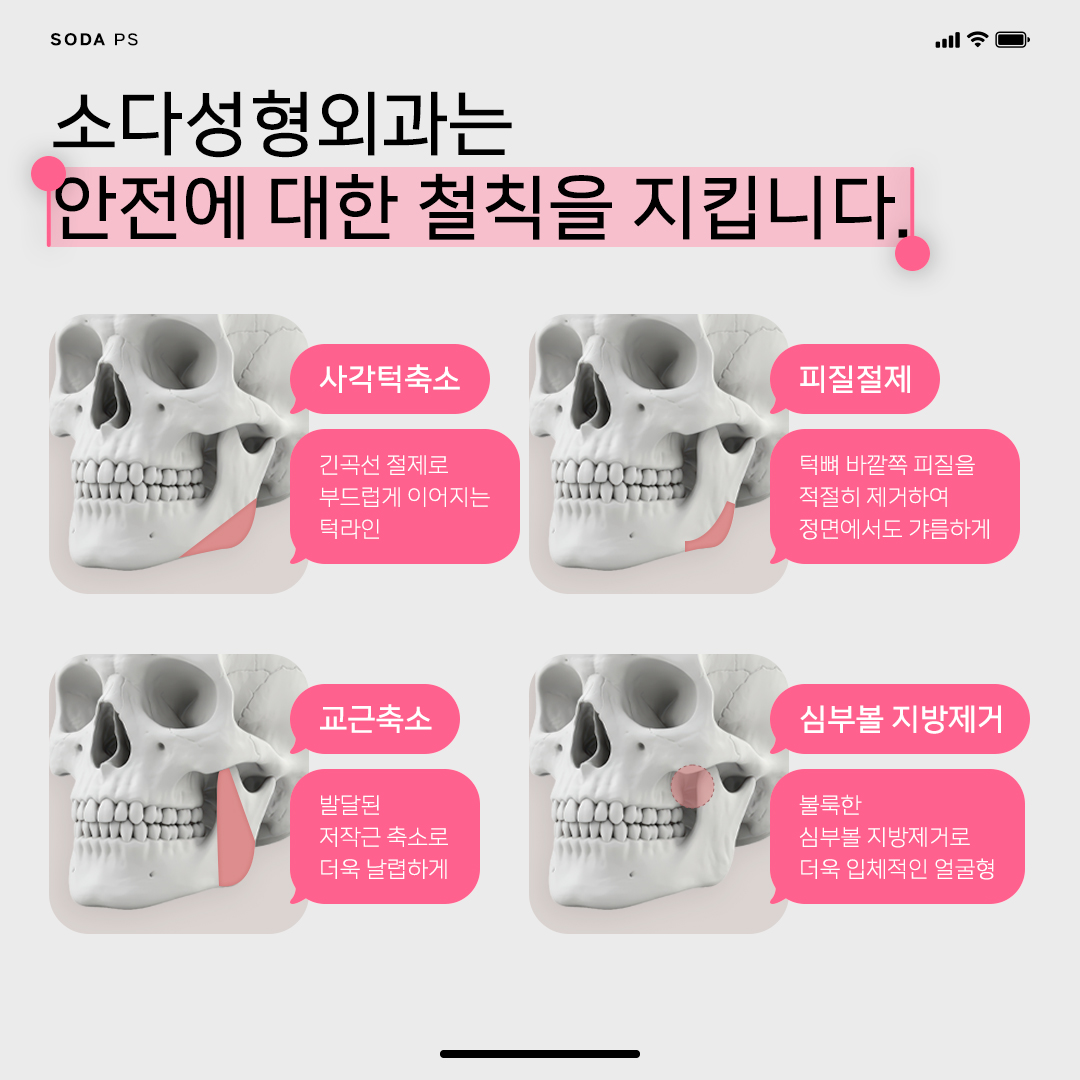
Cheekbone reduction focuses on the outer and front parts of the zygomatic bone. The goal is to reduce a wide or prominent midface and create a smoother transition from the forehead to the cheeks.
Depending on your facial structure, the surgeon may recommend a standard cheekbone reduction or a mini cheekbone approach. A standard method usually addresses both the front and side cheekbone more extensively, while a mini approach is more conservative and may be suitable for milder prominence.
Square jaw reduction
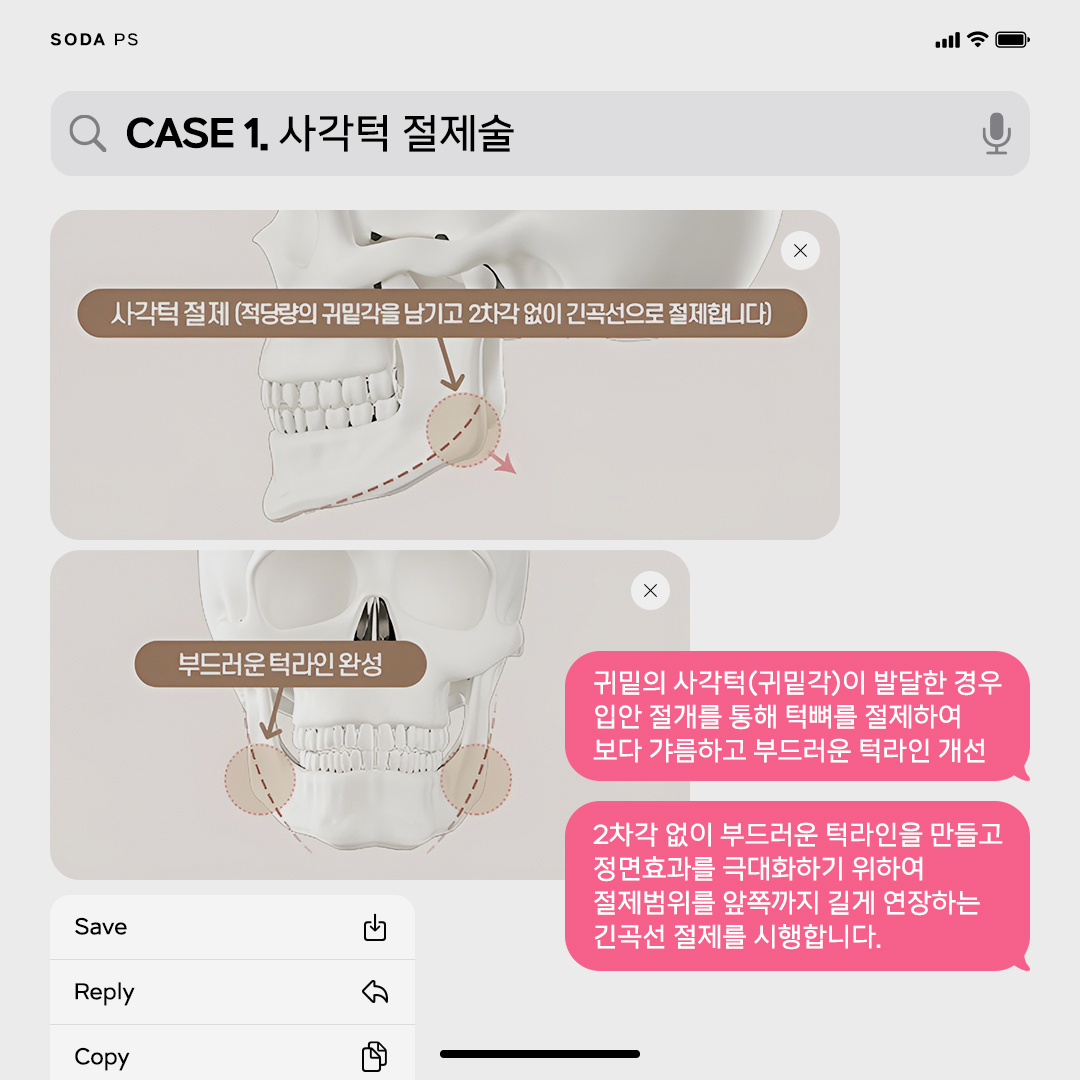
Square jaw reduction targets the lower jaw angle and the side contour of the mandible. It is often chosen by patients who feel their lower face looks wide or heavy from the front or side.
The surgeon can adjust the angle, width, and length of the jawline to reduce a square appearance and create a more tapered lower face. In a 3-set, this is planned together with cheekbone and chin changes so that the upper and lower face look harmonious.
Chin or V-line contouring
The third component is usually chin or V-line contouring. This can involve reshaping the chin tip, narrowing the front part of the jaw, or both.

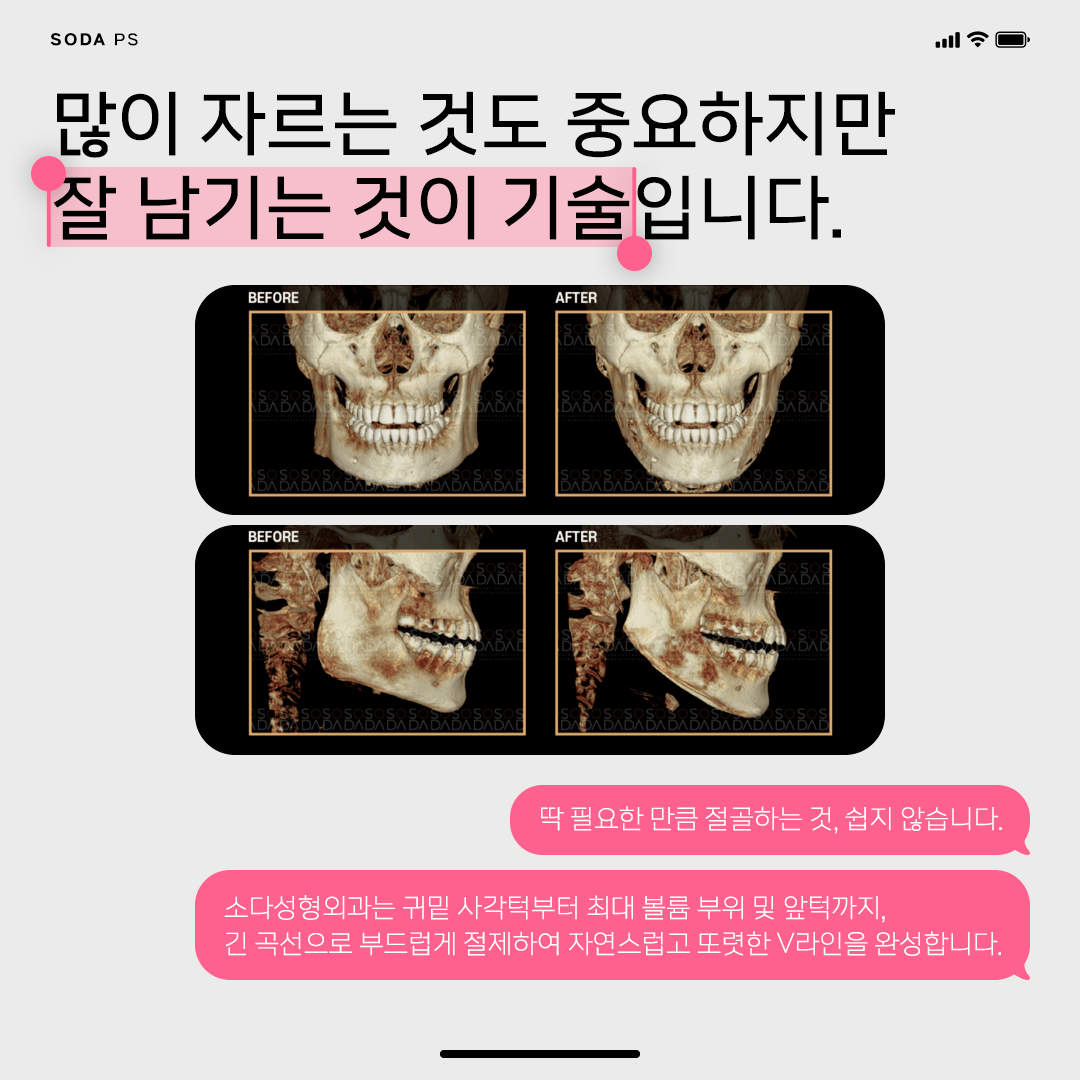
Standard V-line surgery generally includes cutting and reshaping the front mandible and chin to create a slimmer, more defined V-shaped lower face. A mini V-line may focus on a smaller area or require less bone removal. Some patients need only chin reshaping, while others benefit from a more extensive V-line procedure.
Coordinated design, not three random surgeries
The key point is that a 3-set is not just three separate operations done at once. It is a coordinated design that considers your face as a whole. For example, if your cheekbones are already narrow but your jaw angle is wide, the plan might emphasize jaw contouring and a more subtle cheekbone adjustment. If your chin is short or asymmetrical, more attention may be given to chin reshaping.
This coordinated planning helps avoid an unbalanced result, such as a very slim jaw with still-prominent cheekbones, or a reduced cheekbone with an unchanged wide chin.
Who may consider a facial contouring 3-set
A 3-set facial contouring plan may be considered by people who:
- Have a wide or angular face from both the front and side views
- Have prominent cheekbones together with a square jaw or broad chin
- Want to address multiple bony areas in a single, coordinated surgery rather than in separate stages
- Have previously had jaw or contour surgery and are considering revision or pin removal with additional reshaping
Not everyone needs all three areas treated. Some patients are better suited to one or two targeted procedures. A detailed consultation with CT imaging and facial analysis is necessary to decide whether a full 3-set is appropriate for you.
Key factors that influence the facial contouring 3-set price
Many people want a simple number for the 3-set price, but the final cost is shaped by several medical and practical factors.
Individual bone structure and diagnosis
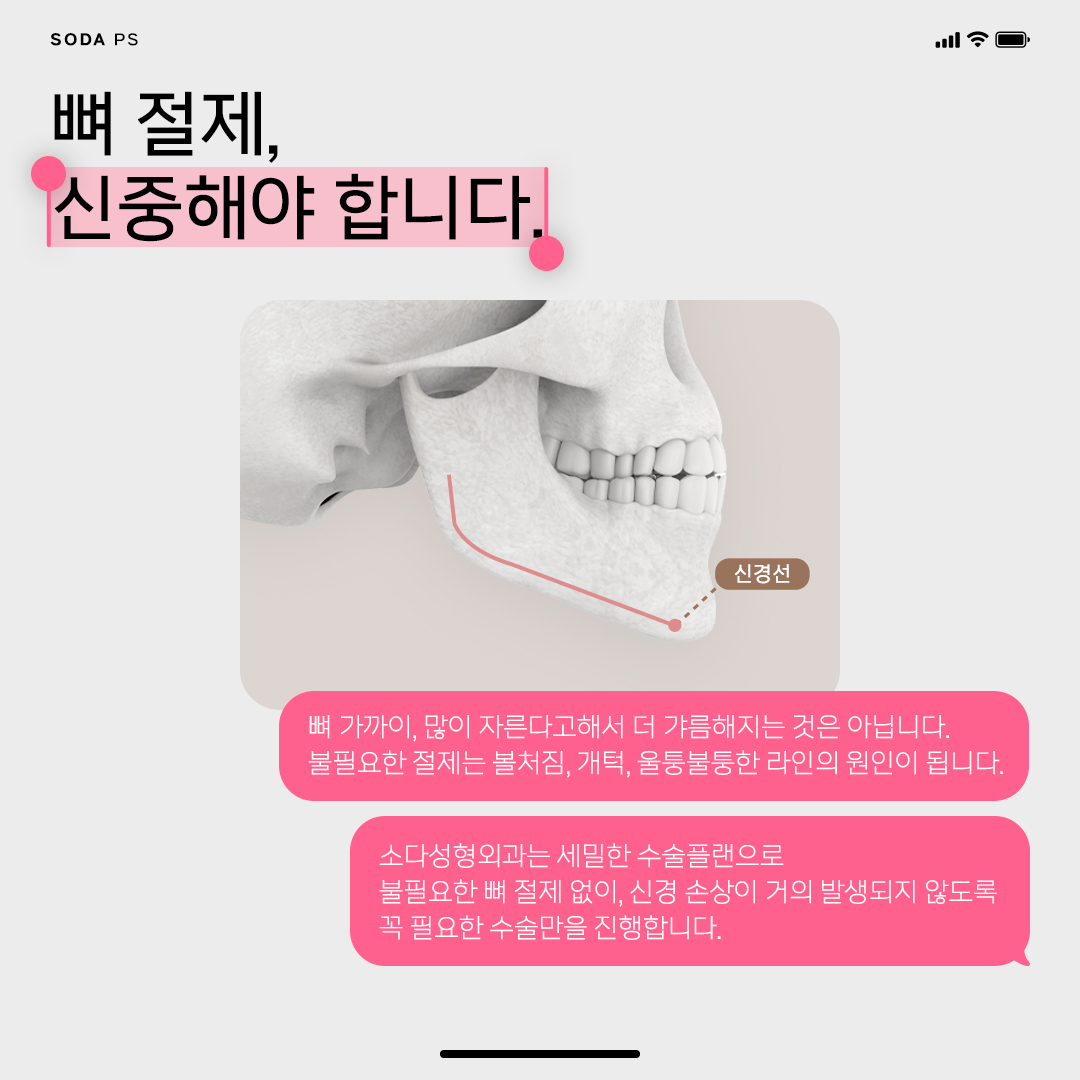
- Bone thickness and shape: Thicker or more irregular bone may require more complex cutting and reshaping.
- Asymmetry: If one side of the face is different from the other, extra planning and surgical time are often needed to correct the imbalance.
- Previous surgery: Scar tissue, existing plates or pins, and altered anatomy from earlier operations can make surgery more demanding.
- Desired degree of change: A subtle refinement may involve a simpler approach, while a dramatic change often requires more extensive bone work.
Type and extent of each procedure
- Cheekbone: A standard cheekbone reduction that addresses both the front and side zygoma is generally more complex than a mini cheekbone procedure that focuses on a smaller area.
- Jawline: A full V-line with angle and front mandible contouring is usually more extensive than a limited angle reduction.
- Chin: Simple chin reshaping may involve a straightforward cut and repositioning, while complex corrections for asymmetry or previous surgery may require more planning, fixation, and time.
Primary vs revision surgery and pin removal
Revision contouring and pin removal are usually more complex than first-time surgery. The surgeon must work around existing plates or screws, altered bone, and scar tissue. This often involves additional imaging, longer operating time, and more detailed planning.
If your 3-set includes revision of previous cheekbone or jaw surgery or removal of fixation devices, this will typically be reflected in the price.
Preoperative tests and imaging
Safe and precise facial contouring relies on thorough preoperative evaluation. This may include:
- - CT scans to visualize bone structure in three dimensions
- - Standard blood tests and other preoperative assessments
- - Facial photographs and digital planning
Some clinics include these tests in the 3-set package, while others charge them separately. A package that includes CT-based planning and comprehensive testing may have a higher upfront cost but provides more detailed information for a safer, more accurate surgery.
Anesthesia method and anesthesiologist involvement
The fee for a 3-set package will reflect:
- - The type and duration of anesthesia
- - Continuous monitoring during surgery
- - The presence and expertise of a dedicated anesthesiologist
- - Emergency preparedness and safety systems
Why prices differ between clinics
When comparing facial contouring 3-set prices between clinics, it is important to look beyond the number itself and consider what is included.
Surgeon’s experience and focus
This background can influence how complex cases are handled, how revision surgeries are approached, and how detailed the planning process is.

Clinics that routinely perform a high volume of facial contouring, including revision and pin-removal cases, often invest more in planning systems, imaging, and safety protocols. These elements may increase costs but can be valuable for patients with challenging anatomy or previous surgeries.
Handling of revision and complex cases
Some clinics mainly accept straightforward primary cases. Others, such as this clinic, also manage revision contouring and pin removal after previous jaw or contour procedures.
Working with complex cases requires:
- - More advanced imaging and planning
- - Greater flexibility in surgical techniques
- - More time in the operating room
This level of service can be reflected in the pricing structure.
Operating-room safety and emergency preparedness
A significant part of the cost difference between clinics comes from the safety systems they maintain. This clinic operates with a formal safety system that may include:
- Named surgeon responsibility in the operating room, so you know exactly who is operating on you
- CCTV in the operating room for transparent monitoring
- Emergency drugs such as dantrolene available on-site
- Uninterruptible power supply to keep equipment running in case of power issues
- Central monitoring systems to track vital signs continuously
- Gas leak alarms and other safety checks
Maintaining this level of safety equipment and monitoring requires investment in devices, maintenance, and staff training. While it can increase the operating cost, it is directly related to patient safety, especially for long, complex surgeries like a 3-set facial contouring.
Safety and anesthesia as part of the value, not an add-on
For facial contouring 3-set surgery, safety and anesthesia should be considered core parts of the treatment, not optional extras.
Importance of safe anesthesia
A 3-set operation can be lengthy and technically demanding. Throughout the procedure, your breathing, heart rate, blood pressure, and other vital signs must be carefully managed.
At this clinic, anesthesia is overseen by a board-certified anesthesiologist. This specialist is responsible for:
- - Choosing and administering appropriate anesthetic drugs
- - Monitoring your condition continuously
- - Responding quickly to any changes or emergencies
This level of anesthetic care is built into the overall fee and is one reason why some clinics may charge more than others that use less comprehensive anesthesia arrangements.
Monitoring and emergency preparedness
In addition to the anesthesiologist, the presence of central monitoring systems, emergency drugs, uninterruptible power, and gas leak alarms all contribute to risk reduction. These systems can be particularly important for overseas patients who may feel anxious about having major surgery far from home.
When comparing 3-set prices, it is important to ask how anesthesia and safety are handled, not only how much the surgery itself costs.
How to interpret quotes and ask the right questions
If you are considering a facial contouring 3-set in Korea, it can be helpful to prepare a small checklist before you contact clinics. Instead of focusing only on the lowest price, look at what each quote actually includes.
Clarify which procedures are in your 3-set
During consultation, ask:
- - Which exact three procedures are included in my 3-set plan?
- - Is the focus on cheekbone, jaw angle, chin, or a combination?
- - Will the approach be standard or mini for cheekbone and V-line?
This helps you understand whether two clinics offering a 3-set are actually proposing the same type of surgery.
Confirm whether it is primary or revision surgery
If you have had previous jaw or facial contouring surgery, ask:
- - Is my case considered a primary surgery or a revision?
- - Do I need pin or plate removal as part of the plan?
- - How does revision status affect the difficulty, risks, and cost?
Revision and pin removal usually require more time and expertise, so they are often priced differently from first-time surgeries.
Ask about imaging and tests included in the quote
When you receive a price estimate, check whether it includes:
- - CT scan and other imaging
- - Preoperative blood tests and assessments
- - Postoperative monitoring and follow-up visits
A transparent quote should show whether these items are part of the package or billed separately.
Understand who will operate and who will manage anesthesia
It is reasonable to ask:
- Who will perform my surgery, and what is their experience with facial contouring 3-set cases?
- Who will manage my anesthesia, and will they be present throughout the operation?
- What safety systems are in place in the operating room?
These questions help you compare the level of expertise and safety infrastructure between clinics, not just the headline price.
Request a clear, itemized breakdown of the package and ask specific questions to compare quotes. Examples of useful questions include: Does the anesthesia fee cover the anesthesiologist’s professional fee, intraoperative monitoring, and immediate post-anesthesia care? Are imaging studies (CT) and preoperative laboratory tests included or billed separately? Is hospital or recovery-room use included, and if so, for how long? How many follow-up visits are included, and what is the policy and cost for postoperative complications or revisions? Are any consumables or implant-related costs (if applicable) included in the package? These example questions reflect common areas where clinics differ; practices vary, so confirm each item in writing when possible.
Even if the clinic presents the 3-set as a package, you can ask for a basic breakdown, such as:
- - Surgical fee
- - Anesthesia fee
- - Hospitalization or recovery room use
- - Tests and imaging
This does not mean you need a detailed item-by-item invoice, but a general breakdown can help you understand what you are paying for and compare quotes more fairly.
Preparing for online consultation and your Korea visit
For overseas patients, the process usually starts with an online consultation. To make this efficient, prepare the following in advance:
- - Clear front, side, and three-quarter facial photos in good lighting
- - Information about any previous facial or jaw surgeries, including dates and locations
- - Any existing CT scans or medical records, if available
- - Your main concerns and the kind of change you hope to see
During the online consultation, the clinic can provide a preliminary assessment and a rough price range. A final plan and exact quote are usually confirmed after in-person examination and imaging in Seoul.
Expected visit timeline for a 3-set facial contouring in Korea
Every patient is different, but a typical schedule for overseas patients might look like this:
- Day 1 to 2: In-person consultation, CT scan, preoperative tests, final surgical planning, and consent. You can discuss details of your 3-set plan, anesthesia, and aftercare.
- Day 3: Surgery day. You will be under general anesthesia for the 3-set procedure. After surgery, you will stay in the recovery room under monitoring. Some patients may stay overnight depending on the clinic’s policy and your condition.
- Day 4 to 7: Early recovery period in Korea. You will visit the clinic for dressing changes, swelling checks, and removal of any early dressings or drains. Swelling and bruising are most noticeable during this time.

- Day 8 to 14: Ongoing follow-up. The clinic may remove stitches, check healing, and give you instructions for returning home. Many overseas patients stay in Korea for about two weeks after surgery, but the recommended duration can vary depending on the complexity of the case and your travel distance.
The clinic can help you plan a realistic stay length and advise on when it is safe to fly.
Aftercare and recovery considerations
After a facial contouring 3-set, you can expect:
- - Swelling and bruising, especially in the first two weeks
- - Temporary numbness or tightness in the lower face or cheeks
- - Diet modifications, often starting with soft or liquid foods
- - Activity limitations, such as avoiding heavy exercise for a period recommended by your surgeon
The clinic will provide detailed aftercare instructions, including:
- - How to manage swelling and discomfort
- - How to keep the mouth and incision areas clean
- - Which medications to take and how to use them
- - When to return for follow-up checks
Recovery speed and final results can vary between individuals. It is important to follow the medical team’s guidance and allow enough time for healing before judging the outcome.
Frequently asked questions
What is usually included in a facial contouring 3-set package?
A typical 3-set package includes cheekbone reduction, square jaw reduction, and chin or V-line contouring performed in one coordinated surgical plan. At this clinic, the exact combination is customized after CT-based analysis of your bone structure and facial balance. The package usually includes the surgery itself, anesthesia, basic preoperative tests, and early postoperative follow-up, but the exact contents are confirmed during consultation.
Why do facial contouring 3-set prices vary so much between clinics?
Prices differ because clinics vary in surgeon experience, focus on facial contouring, safety systems, and how much is included in the package. A clinic that offers CT-based planning, handles complex revision cases, maintains emergency drugs and monitoring systems, and has a dedicated anesthesiologist may have higher operating costs. When comparing prices, it is important to look at what is included in the fee and how the clinic manages safety and anesthesia, not just the number itself.
Can I know my exact 3-set price before traveling to Korea?
You can usually receive an estimated price range after an online consultation with photos and medical history. However, the exact final price is generally confirmed after an in-person examination, CT imaging, and detailed planning in Seoul. This is because the surgeon needs to assess your bone structure, any asymmetry, and whether revision or pin removal is required.

Is a facial contouring 3-set safe for overseas patients?
Facial contouring 3-set surgery is a major procedure and carries risks, as all surgeries do. For overseas patients, choosing a clinic with a structured safety system, experienced facial contouring surgeon, and board-certified anesthesiologist is especially important. This clinic emphasizes operating room safety items such as emergency drugs, monitoring systems, and power backup, and follows standardized protocols. Even with these measures, individual risks must be discussed with the medical team, and the decision should be made after careful consideration.
Soft call to action
If you are considering a facial contouring 3-set in Seoul and would like to understand your own possible plan and price range, you can start with an online consultation. By sharing your photos, medical history, and concerns, the clinic can suggest whether a 3-set is appropriate for you, what combination of procedures may be involved, and what kind of stay in Korea you should plan for.
A personalized consultation will help you move beyond general price lists and understand how your bone structure, safety needs, and goals translate into a realistic treatment plan.






댓글
댓글 쓰기