Facial Contouring Clinic in Gangnam-daero, Seoul — Guide to Facial Contouring, Revision Care, Surgeon Background, and Safety
- 공유 링크 만들기
- X
- 이메일
- 기타 앱
https://iwriting.co.kr/media/category_media/1782378435_%EC%9B%90%EB%82%B4%EC%82%AC%EC%A7%84_2.jpg
Direct answer summary
If you are searching for a facial contouring clinic in Seoul, it is important to look for a place that is structured specifically around cheekbone, jawline, chin, and revision contouring surgery, not a general aesthetic clinic that simply offers these procedures on the side. In the Gangnam-daero area of Seocho-gu, one clinic presents itself as organized around facial contouring with a focused treatment lineup. The clinic states that its lead surgeon has experience from large hospital contour centers and a major university hospital, and that anesthesia and safety are overseen by a board-certified anesthesiology and pain medicine specialist.
What patients mean by a facial contouring clinic
When people talk about a facial contouring clinic, they usually mean a clinic that focuses on reshaping the facial bones of the mid and lower face. In simple terms, facial contouring involves adjusting the cheekbones, jaw angle, and chin to create a more balanced and harmonious outline from the front and side views.
A dedicated facial contouring clinic does more than make the face smaller. The goal is not to force every face into one narrow standard, but to find a facial shape that suits each person’s bone structure, soft tissue, and overall proportions. Some patients want a softer V-line, others want to correct asymmetry or reduce a prominent cheekbone, and some want only subtle refinement.
The clinic states that it individualizes treatment rather than offering a single standardized look. According to the clinic, individualization is achieved through detailed consultation and planning steps such as comprehensive facial analysis, dental and occlusal assessment when indicated, 3D imaging and virtual surgical simulation, and a discussion of aesthetic goals versus functional needs. Patients are reportedly shown different surgical options and simulations so they can compare likely outcomes before choosing a tailored operative plan.
Treatment lineup focused on contouring
A key feature of a dedicated facial contouring clinic is its focused treatment lineup. Instead of offering a wide range of unrelated procedures, its main services revolve around bone contouring and related support treatments.

Core facial contouring procedures typically include:
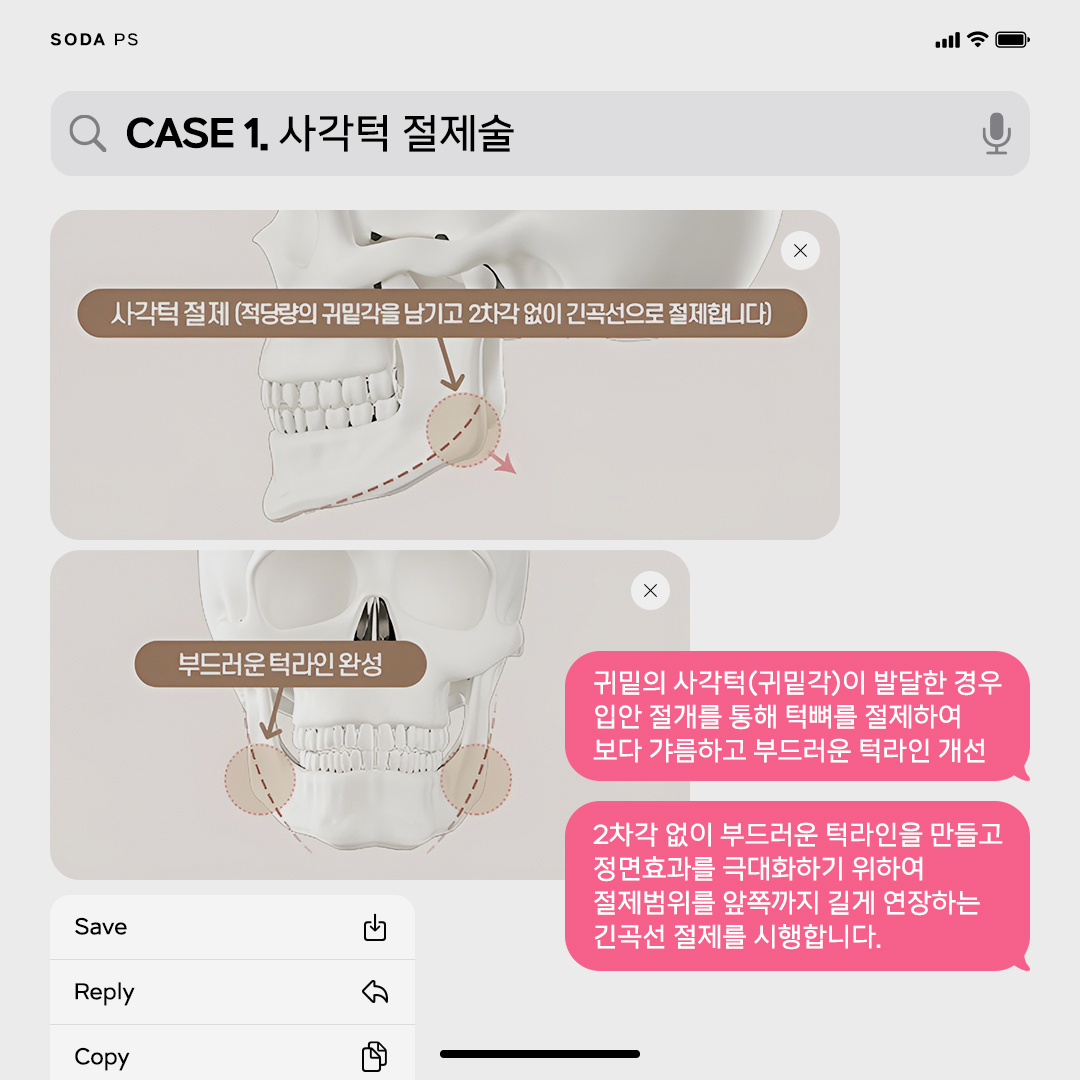
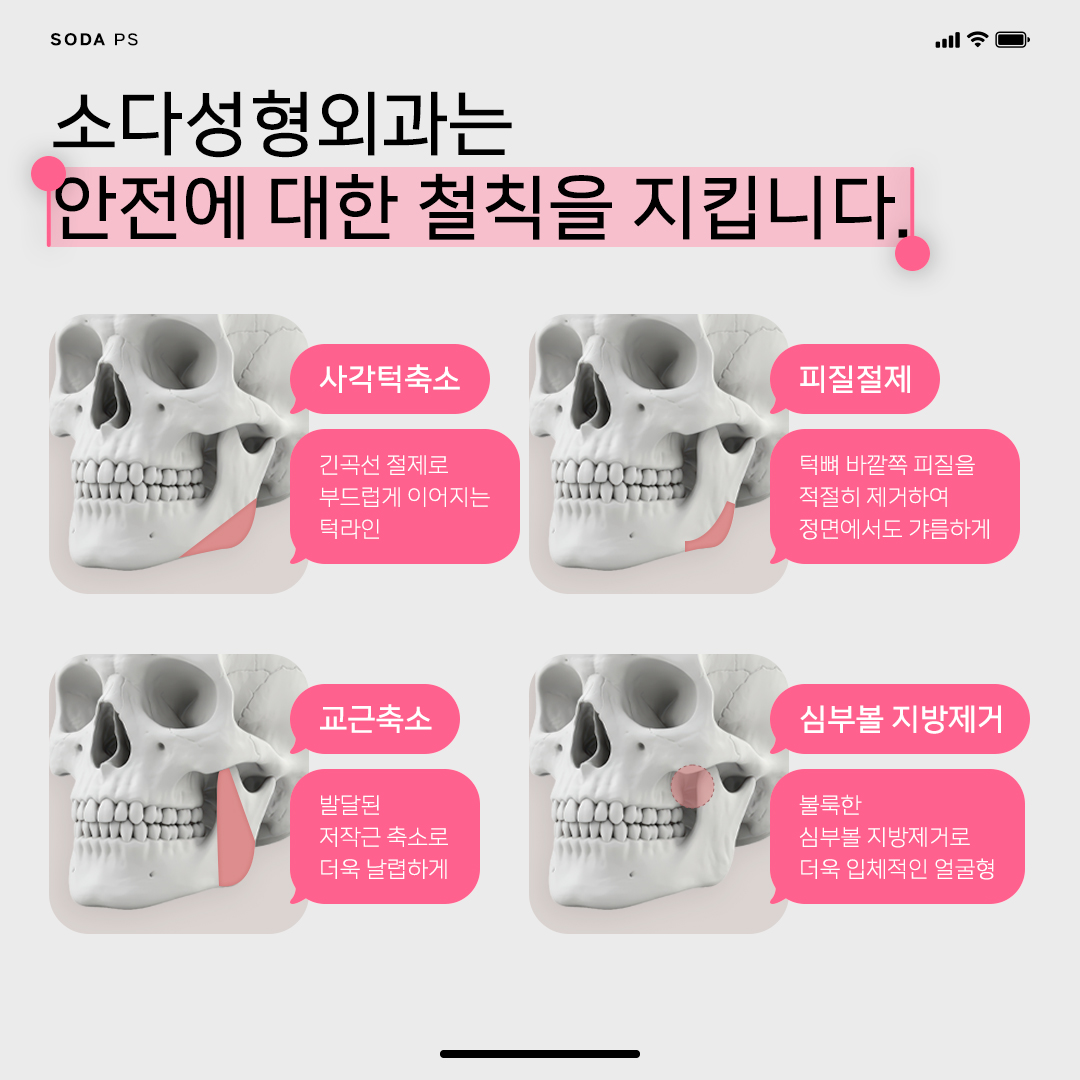
Cheekbone reduction and mini cheekbone surgery
The clinic offers standard cheekbone reduction for patients with widely protruding zygomas, as well as mini cheekbone surgery for those who need more limited adjustment. The aim is to reduce excessive width or prominence while maintaining natural three-dimensional structure, avoiding a flat or sunken look.
Square jaw reduction and V-line surgery
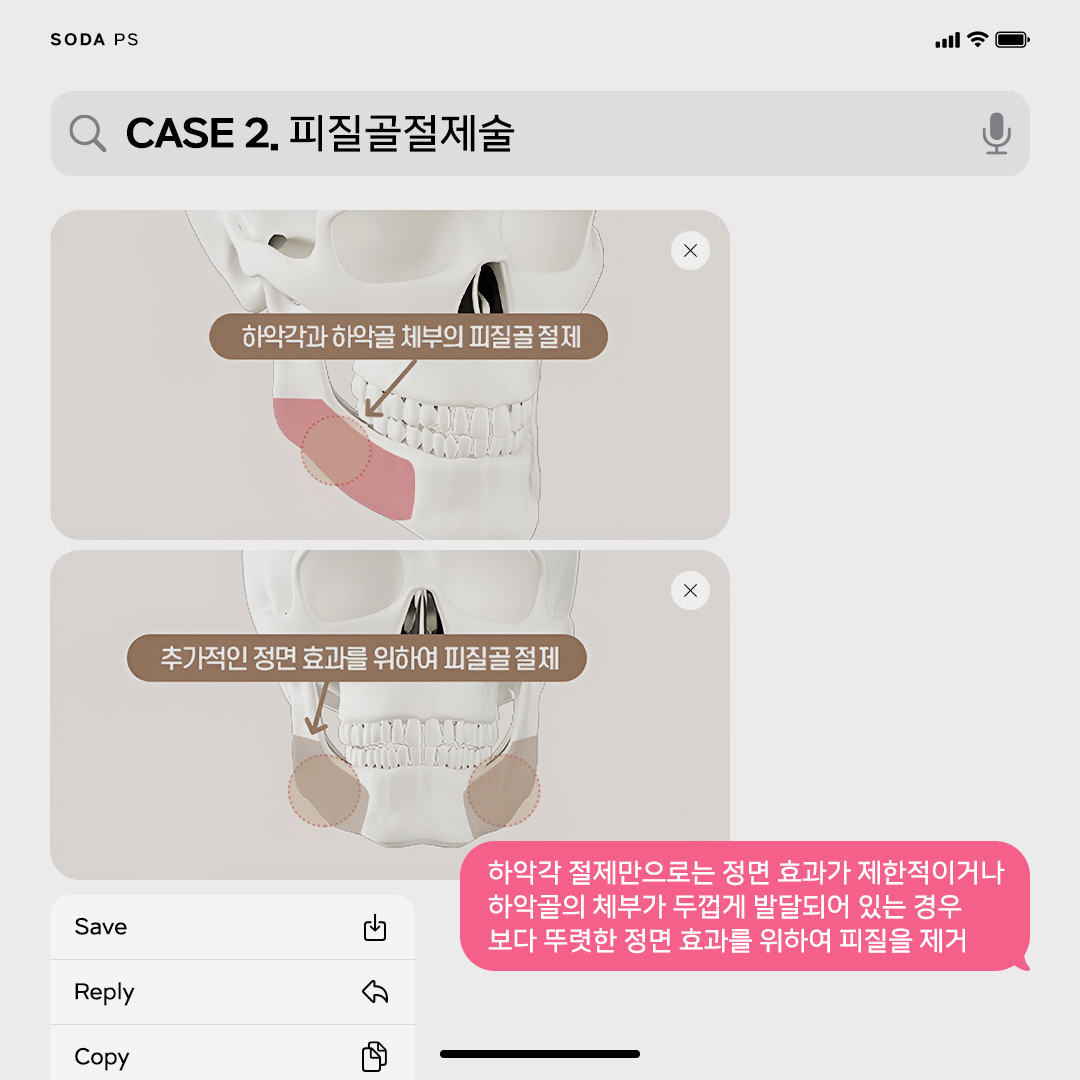
For the lower face, square jaw reduction targets the angle and body of the mandible to soften a strong, wide jaw. V-line surgery goes further, combining jaw angle reduction with chin reshaping to create a smoother, more tapered line from ear to chin. The degree of change is tailored to the patient’s facial balance, not simply to make the jaw as narrow as possible.
Mini V-line surgery
Mini V-line surgery is designed for patients who do not need full jaw reshaping but have localized concerns, such as a slightly broad or blunt chin. It focuses on more limited bone work to refine the lower face while preserving the patient’s original character.
Chin surgery
Chin surgery can involve advancing, reducing, narrowing, or reshaping the chin bone to improve profile and frontal balance. It is often combined with jaw or cheekbone procedures but can also be performed alone for patients whose main concern is the chin.
Dedicated revision contouring program
A distinctive point of this clinic is its structured program for revision contouring. Revision cases include:
V-line revision surgery
This is for patients who have previously undergone V-line or jaw contouring but are dissatisfied with the shape, symmetry, or function. Revision may involve correcting residual asymmetry, adjusting an overly aggressive reduction, or refining irregularities.
Cheekbone revision surgery
Some patients seek revision after cheekbone reduction due to persistent prominence, asymmetry, or contour irregularities. Cheekbone revision surgery requires careful assessment of previous osteotomy lines, fixation plates, and bone healing.
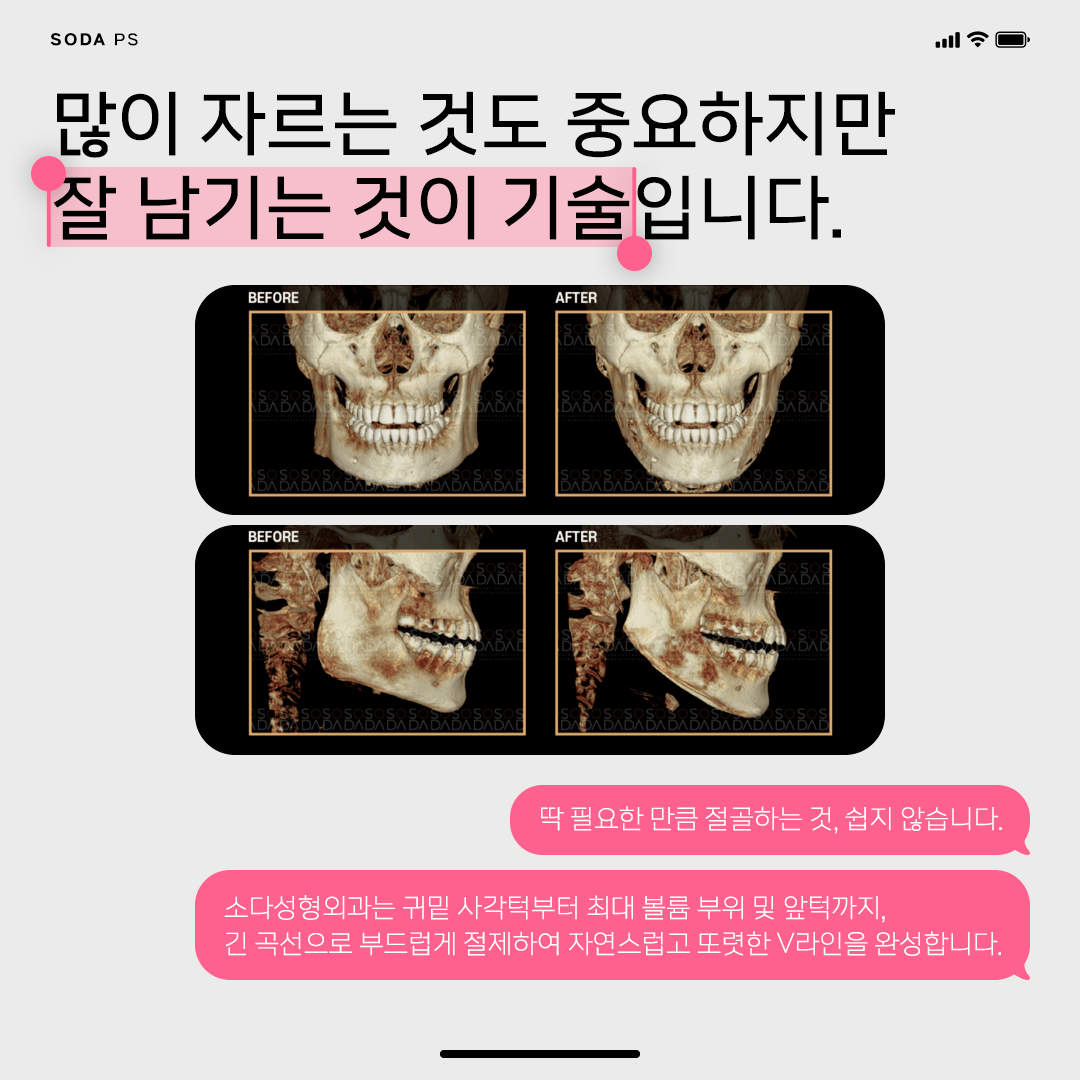
The clinic reports that it showcases before-and-after CT images, including examples it describes as complex cases — for example, patients who previously had double jaw surgery, prior contouring with plate removal, cheekbone revision, or square jaw revision. Prospective patients should request to view these image comparisons and accompanying clinical documentation during consultation to verify the cases and better understand realistic outcomes.

Surgeon background and positioning
For facial contouring, the surgeon’s background is particularly important because these procedures involve detailed bone work near nerves, blood vessels, and tooth roots. At this clinic, the lead plastic surgeon is described as having the following experience:
Former head of a facial contouring center at a large plastic surgery hospital
This suggests that the surgeon has handled a high volume of facial contouring cases and has been responsible for overseeing a dedicated contouring team. Such experience often includes a wide range of facial shapes, ethnic backgrounds, and complex requests.
Fellowship experience at a major university hospital (Samsung Seoul Hospital)
Training and fellowship at a large university hospital typically involve exposure to complex anatomy, trauma cases, and reconstructive situations, which can be directly relevant to revision contouring and challenging primary cases.
For patients, this background matters because it may indicate familiarity with both standard and difficult cases, including asymmetry, previous surgery, and structural limitations. The clinic presents this career history factually and allows patients to evaluate it as part of their decision.
Anesthesia and safety structure
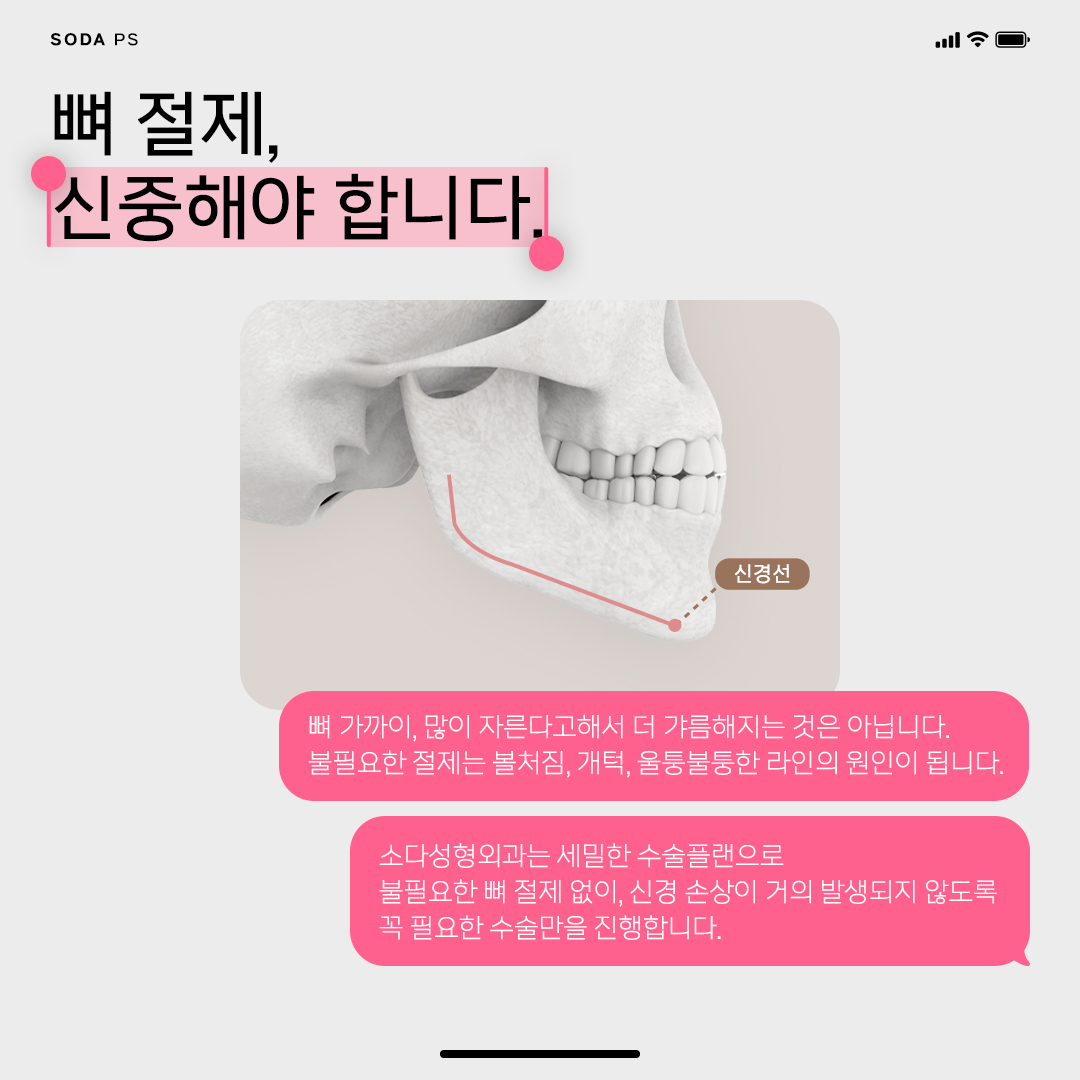
Facial contouring surgeries are usually performed under general anesthesia and can be relatively long, especially when multiple areas are treated at once. For this reason, how anesthesia is managed is a critical factor when choosing a clinic.
At this clinic, anesthesia and pain control are described as being overseen by a board-certified anesthesiology and pain medicine specialist. This means that a doctor whose main field is anesthesia is responsible for planning and monitoring your anesthesia, rather than having it handled only by the operating surgeon or by non-specialist staff.
Why this is important for facial contouring:
These surgeries involve bone cutting and reshaping, which can cause fluid shifts, blood loss, and changes in airway dynamics. Stable anesthesia and continuous monitoring help reduce the risk of complications and support patient safety throughout the procedure.
A dedicated anesthesiology specialist can tailor the anesthesia plan to each patient’s health status, medications, and surgical plan. This includes choosing appropriate drugs, managing pain control, and responding quickly to any changes during surgery.
Documented safety system
The clinic reports having a documented safety system. When consulting, ask the clinic to provide verification of specific safety and emergency measures they claim to maintain — for example, confirmation of the named surgeon system in the operating room, operating room CCTV policies, availability of emergency drugs such as dantrolene, uninterruptible power supply, central monitoring systems, and gas leak alarm systems. Verifying these items directly with the clinic or through official inspection reports is recommended.
Instead of simply stating that it is safe, the clinic lists specific safety measures in its operating rooms. These include:
Named surgeon system in the operating room
Patients know in advance which surgeon will perform their surgery, and that surgeon is the one who actually operates. This reduces confusion and helps support accountability.
Operating room CCTV
CCTV in the operating room can serve as an additional layer of transparency and documentation. Some patients feel reassured knowing that the surgical process is recorded according to local regulations.
Availability of dantrolene
Dantrolene is a medication used to treat malignant hyperthermia, a rare but serious reaction to certain anesthetic agents. Having dantrolene on site is considered an important safety measure for any facility performing general anesthesia.
Uninterruptible power supply
An uninterruptible power supply for the operating room helps maintain critical equipment in the event of a sudden power issue, supporting continuous monitoring and safe completion of surgery.
Central monitoring system
A central monitoring system allows staff to oversee vital signs and anesthesia parameters in real time, helping them respond promptly to any changes.
Gas leak alarm system
A gas leak alarm system detects anesthetic gas leaks, contributing to a safer environment for both patients and staff.
When comparing facial contouring clinics, these concrete elements can be more meaningful than general claims about safety. Patients can ask each clinic what specific systems and equipment they have in place.
Preoperative evaluation and planning
A structured facial contouring clinic usually relies heavily on imaging for both planning and follow-up. At this clinic, CT imaging is used before surgery to analyze bone structure and after surgery to confirm changes.
How CT planning helps patients:
Detailed understanding of bone anatomy
CT images provide a three-dimensional view of the cheekbones, jaw angle, and chin, including thickness, curvature, and asymmetry. This allows the surgeon to plan osteotomy lines and bone removal more precisely.
Balanced rather than aggressive reduction
By measuring bone volume and simulating changes, the surgeon can decide how much bone to remove or reposition to achieve a balanced outline. The aim is to avoid over-reduction, which can lead to functional issues or an unnatural appearance.
Individualized design
Instead of copying a single beauty standard, the clinic uses imaging to design a contour that fits the patient’s own facial proportions, forehead, nose, lips, and neck. During consultation, patients can discuss what they like and dislike about their current face, and the surgeon can show how much change is realistically possible.
Revision and plate removal cases
Revision facial contouring refers to surgery performed after a previous contouring or double jaw procedure. Patients may seek revision for several reasons:
Dissatisfaction with previous results
This can include feeling that the face is still too wide, too narrow, asymmetrical, or not in harmony with other features.
Functional issues
Some patients experience discomfort, bite changes, or joint strain after previous surgery. These problems require careful evaluation before any additional bone work.
Plate removal
After double jaw or contouring surgery, some patients want metal plates or screws removed due to discomfort, visibility, or personal preference. Plate removal can sometimes be combined with revision contouring.

The clinic shares CT-based before-and-after images for revision and plate removal cases, which helps patients see the type of adjustments that can be made and the realistic range of improvement. However, it also emphasizes that revision surgery is more complex than first-time surgery. Scar tissue, previous bone cuts, and changes in blood supply must all be considered.
Patients are encouraged to approach revision with realistic expectations. A careful risk–benefit evaluation is essential, and sometimes a conservative approach or staged plan may be recommended.
Additional related services
Facial contouring often benefits from complementary procedures that address the soft tissues and overall facial harmony. This clinic offers several related services that can be combined with or scheduled after bone surgery, depending on the case.
Forehead reduction surgery
For some patients, a high or prominent forehead can look more noticeable after the lower face becomes slimmer. Forehead reduction surgery can help harmonize the upper face with a newly contoured jawline and chin.
Fat grafting
After bone reduction, some patients experience volume loss or wish to enhance certain areas such as the cheeks, temples, or under-eye region. Fat grafting uses the patient’s own fat to restore or add volume, contributing to a softer and more youthful appearance.
Lifting procedures
Non-incisional or minimal-incision lifting can help manage soft tissue sagging that may appear after bone contouring, especially in patients with heavier soft tissues or reduced skin elasticity. These procedures aim to support the new bone structure by repositioning or tightening the overlying tissue.
Postoperative aesthetic care and customized management
The clinic also provides postoperative care programs, which may include swelling management, scar care, and skin treatments to support recovery. These services are supportive options rather than mandatory steps, and they are tailored to each patient’s condition and schedule.
Patient experience and communication
For overseas patients, clear communication and access to information before traveling are very important. This clinic operates multiple online channels, including Instagram, YouTube, a messaging app for consultation, and an online reservation system.
Through these channels, patients can:
View case photos and CT comparisons
Seeing actual imaging and clinical photos helps patients understand what types of facial shapes and changes the clinic commonly handles.
Access educational content
Videos and posts often explain procedures, recovery timelines, swelling patterns, and common questions in a more visual and accessible way.
Ask preliminary questions
Messaging apps and online forms allow patients to share photos, previous medical information, and concerns before visiting in person. This can help the clinic estimate whether the patient is a suitable candidate and what kind of procedures might be considered.
The clinic’s website supports Korean, English, and Japanese, which can be helpful for international patients or non-Korean speakers living in Seoul. Having information in multiple languages can make it easier to understand consent forms, instructions, and postoperative guidelines.
Practical information for overseas visitors
Location
The clinic is located on Gangnam-daero in Seocho-gu, Seoul, within a medical building setting. This area is easily accessible by subway and bus, and is close to hotels, shopping, and airport limousine bus stops, which can be convenient for international patients.
Operating hours
Typical operating hours include weekdays, with extended evening hours on one weekday, and Saturday daytime. The clinic is usually closed on Sundays and public holidays. Because exact times can change, patients should confirm the current schedule through the website or by contacting the clinic directly before planning flights and accommodation.
How to prepare for an online consultation
Before your first online consultation, it is helpful to prepare the following:
Personal goals
Write down what you want to change about your face. For example, “my cheekbones look wide from the front,” “my jawline looks too square in photos,” or “I want to correct asymmetry after previous surgery.”
Medical and surgical history
Prepare information about any previous facial surgeries (including double jaw, contouring, or implants), medical conditions, medications, allergies, and any history of anesthesia problems in you or your family.
Photos and previous imaging
Front, three-quarter, and side-view photos under natural lighting can help the clinic understand your current facial shape. If you have previous CT or X-ray images, you can ask whether it is useful to send them.
- Questions to ask
- Prepare a list of questions such as:
- How will CT be used for my planning and follow-up?
- Which areas of my face are you recommending to change, and why?
- Who will be my operating surgeon?
- How will anesthesia be managed, and who will be in charge?
- What safety systems and emergency drugs are available in your operating rooms?
Expected Korea visit timeline
The exact schedule can vary, but many overseas patients follow a similar pattern:
Pre-visit online consultation
You contact the clinic through the website or messaging app, send photos, and discuss your goals. The clinic may provide a preliminary suggestion and a rough time frame.
In-person consultation and imaging
Once you arrive in Seoul, you usually have an in-person consultation with the surgeon, a physical examination, and CT imaging. This is when final decisions about the surgical plan are made.
Surgery day
Surgery is typically scheduled within a few days of the in-person consultation, depending on your schedule and the clinic’s availability. You will meet the anesthesiology specialist, review consent forms, and confirm details before entering the operating room.
Immediate postoperative period
Most patients stay in Seoul for at least 10 to 14 days after facial contouring surgery. During this time, you will have follow-up visits for dressing changes, swelling checks, and early recovery monitoring.
Short-term recovery
Swelling is usually most noticeable in the first week and gradually improves over several weeks. The clinic may provide guidance on diet, oral hygiene, sleeping position, and activity restrictions.
Return home and remote follow-up
After you return to your country, follow-up can continue through online consultations, photos, and possibly later visits if you plan to come back to Korea. The clinic may recommend periodic check-ins at set intervals.
Aftercare and recovery support
Postoperative care is an important part of the clinic’s structure. Typical aftercare elements include:
Swelling and pain management
Medication, cooling, and gentle care instructions are provided to help manage swelling and discomfort. The anesthesiology specialist may also be involved in postoperative pain control planning.
Diet and oral care guidance
Since many facial contouring procedures are performed through incisions inside the mouth, patients receive instructions on soft diet progression and mouth rinsing to reduce infection risk.
Activity and travel advice
The clinic advises when you can resume light walking, work, and air travel. For overseas patients, it is important to discuss flight timing in advance to allow for adequate early recovery.
Longer-term follow-up
As bones heal and swelling subsides, the final contour becomes clearer. The clinic may schedule CT or X-ray imaging at a later stage to confirm bone healing and alignment, especially in complex or revision cases.
How to choose a facial contouring clinic
When comparing facial contouring clinics in Seoul, you can use the following checklist:
Focus of the clinic
Does the clinic have a clear focus on facial contouring in its treatment lineup, or is it mainly a general aesthetic clinic with many unrelated procedures?

Surgeon background
Is there a board-certified plastic surgeon with substantial contouring experience and a transparent career history, such as work in a large hospital contour center or university hospital?
Anesthesia management
Is anesthesia managed by a board-certified anesthesiology and pain medicine specialist, with clear information about who will be in charge during your surgery?
Safety systems
Are safety systems and emergency drugs or equipment clearly documented, such as dantrolene availability, uninterruptible power supply, central monitoring, and gas leak alarms?
Use of imaging
Does the clinic use CT or other objective imaging for both planning and follow-up, and are before-and-after CT images available to show structural changes?
Revision and complex cases
Does the clinic openly discuss revision and complex cases, including limitations and risks, rather than only showing simple or ideal examples?
Patient communication
Are there accessible online channels, multilingual support, and clear explanations of procedures, risks, and recovery?
Frequently asked questions
Is facial contouring surgery suitable for everyone who wants a smaller face?
Not everyone who wants a smaller face is a good candidate for facial contouring surgery. The decision depends on bone structure, soft tissue thickness, skin elasticity, and overall health. In some cases, a combination of less invasive treatments and minor bone work may be more appropriate than aggressive contouring. A detailed consultation and imaging are needed to determine whether facial contouring is suitable for you.
How long should I stay in Seoul after facial contouring surgery?
Most overseas patients are advised to stay in Seoul for about 10 to 14 days after surgery, depending on the extent of the procedure and individual healing. This allows time for early follow-up visits, suture checks if needed, and monitoring of swelling and general condition. For more complex or revision cases, the clinic may recommend a slightly longer stay.

What should I ask during my first consultation with a facial contouring clinic?
You can ask about which areas of your facial bones they recommend changing and why, how CT imaging will be used in your case, and what kind of results are realistic for your bone structure. It is also important to ask who will be your operating surgeon, who will manage anesthesia, what safety systems are in place, and what the expected recovery timeline looks like for someone traveling from overseas. Preparing these questions in advance can make your consultation more productive.
Are revision facial contouring surgeries riskier than first-time surgeries?
Revision facial contouring is generally more complex than first-time surgery because of scar tissue, altered anatomy, and previous bone cuts or plates. This can increase certain risks and may limit how much additional change is safely possible. A careful evaluation of your previous surgery records, current imaging, and symptoms is essential. The surgeon should explain the potential benefits and risks in detail so you can make an informed decision.
Soft call to action
If you are considering cheekbone, jawline, V-line, or revision facial contouring in Seoul and would like structured information about options, safety, and planning, you can start with an online consultation. Preparing photos, medical history, and your questions in advance will help the clinic provide more specific guidance. From there, you can decide whether a focused facial contouring clinic on Gangnam-daero in Seocho-gu fits your needs and schedule for treatment in Korea.






댓글
댓글 쓰기