Facial contouring procedures in Seoul for balanced face shape
- 공유 링크 만들기
- X
- 이메일
- 기타 앱
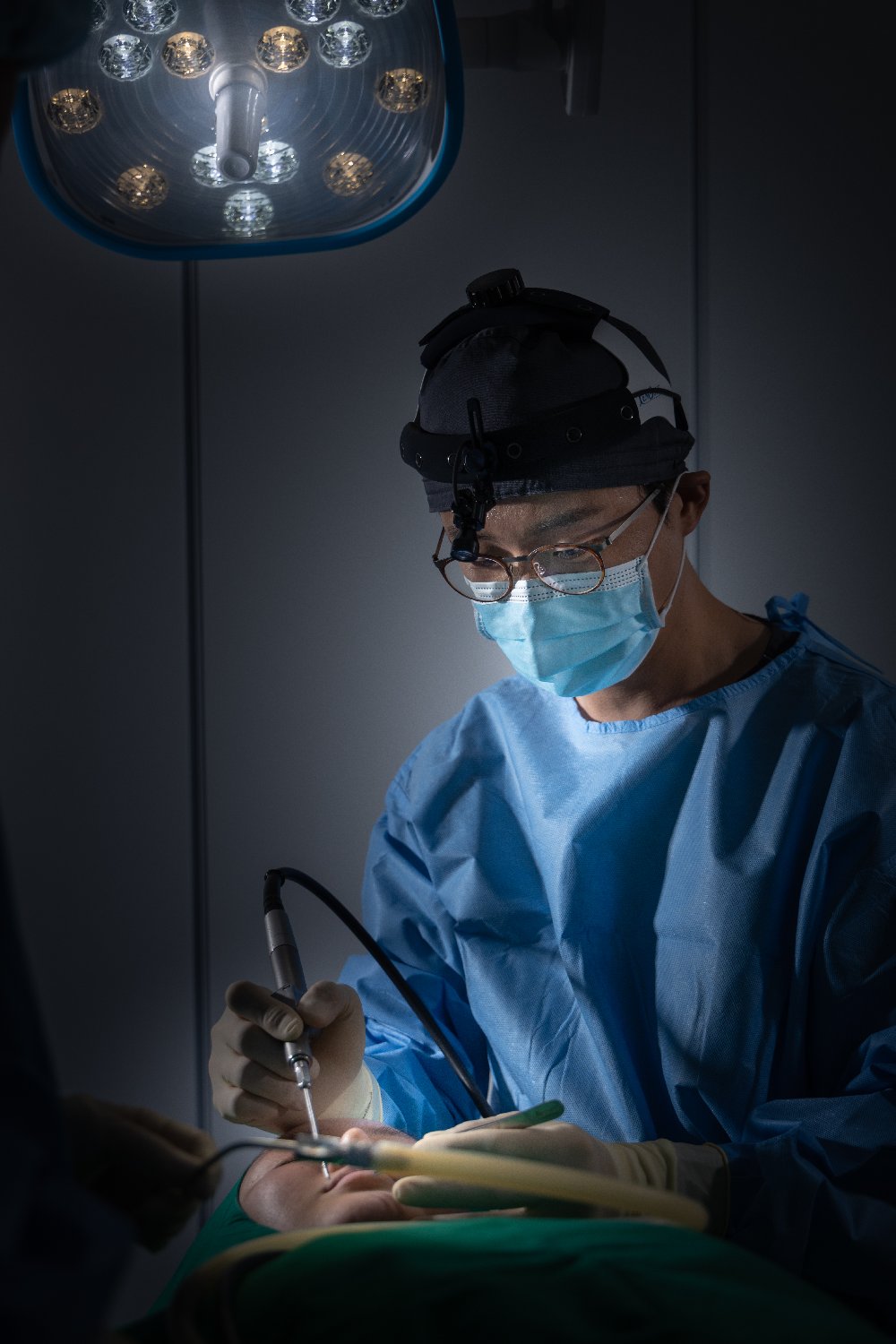
Facial contouring in Seoul for international patients
Facial contouring procedures are surgical methods that reshape facial bones to create a more balanced, refined face line. Seoul is a well-known destination for some international patients seeking facial contouring; people commonly pursue changes such as a slimmer jaw, softer cheekbones, or a more defined chin. If you are considering travel for surgery, check clinics' international patient services, credentials, and before-and-after results.
This guide explains the main facial contouring procedures available at a facial contouring focused clinic in the Gangnam-daero area of Seocho-gu, Seoul. It also covers who may consider them, how to prepare from overseas, what a typical visit timeline looks like, and what to ask during consultation.
Direct summary for overseas patients
Facial contouring procedures such as cheekbone reduction, square jaw reduction, V line surgery, mini V line surgery, and chin surgery can change the overall face shape by adjusting the facial bones. In Seoul, some clinics focus their practice on facial contouring and revision contouring, using CT imaging and structured safety systems.
If you are considering treatment from abroad, you can usually start with an online consultation, send your photos and previous medical data, plan a 1–3 week stay in Korea depending on the extent of surgery, and receive tailored aftercare instructions to continue recovery at home.
What facial contouring procedures are
Facial contouring surgery targets the underlying bones of the face rather than only the soft tissue. By carefully adjusting the cheekbones, jaw angle, and chin, surgeons aim to create a more harmonious relationship between the upper, middle, and lower face.
The goal is not simply to make the face smaller, but to design a shape that matches your individual features, profile, and desired image. For example, some patients want a softer and narrower lower face, while others want a slightly stronger chin or reduced lateral cheekbone width.
Because these procedures involve bone, they require detailed planning, precise imaging, and a clear understanding of each patient’s anatomy.
Main facial contouring procedures
Cheekbone reduction surgery
Cheekbone reduction focuses on the zygomatic bone, which forms the outer contour of the midface. When the cheekbones are wide or protruding to the side, the face can appear broad from the front and three-quarter angles.
In cheekbone reduction, the surgeon typically makes incisions inside the mouth and sometimes in the hairline area, then cuts and repositions parts of the cheekbone to bring them inward. The aim is to reduce excessive width and create a smoother curve from the forehead down to the cheeks.
Mini cheekbone reduction is a more limited approach for patients who need subtle correction rather than a large change. It can be considered when the cheekbone protrusion is mild or localized.
Square jaw reduction surgery
Square jaw reduction targets the lower jaw angle, which can make the lower face look wide or heavy. When the jaw angle is very prominent, the face can appear square from the front and side.
In this procedure, the surgeon usually accesses the jawbone through an incision inside the mouth, then reshapes or removes part of the jaw angle. The goal is to create a smoother, more tapered jaw line while maintaining a natural and stable bite.
V line and mini V line surgery
V line surgery is a combination approach to create a more slender and V-shaped lower face. It often includes jaw angle reduction, mandibular body contouring, and chin reshaping.
By adjusting both the sides of the jaw and the chin, V line surgery can change a wide or blunt lower face into a more tapered shape. It is typically chosen by patients who want a significant change in the overall lower face line.
Mini V line surgery is aimed at patients who need a smaller adjustment, such as refining the jaw angle or chin without extensive bone removal. It can be considered when the basic face shape is already relatively balanced but needs fine-tuning.
Chin surgery (genioplasty)
Chin surgery focuses on the front part of the lower jaw. A short or recessed chin can make the lower face look weak, while an overly long or protruding chin can dominate the profile.
Through an incision inside the mouth, the surgeon can move the chin segment forward, backward, up, or down, or slightly to one side if there is asymmetry. This allows more precise control of the profile and lower face balance than implants alone.
Because the chin plays a key role in the side view and in the transition between the jaw and neck, small changes here can have a large visual effect.
Revision facial contouring and plate removal
Some patients consider facial contouring in Seoul after having surgery elsewhere and feeling dissatisfied with the result, or experiencing functional or aesthetic issues.
Revision contouring can include:
- Correction of asymmetry after previous cheekbone or jaw surgery
- Adjustment of over-corrected or under-corrected areas
- Removal or replacement of plates and screws used in earlier operations
- Improvement of step-offs or irregular bone edges that show through the skin
In these cases, detailed CT imaging and careful analysis of the previous surgical method are essential. The surgeon needs to understand where and how the bone was cut, how it healed, and where the fixation plates are located.
Because revision surgery can be more complex than first-time surgery, patients should expect thorough consultation, realistic goal setting, and a clear explanation of what can and cannot be improved.
Who may consider facial contouring in Seoul
Facial contouring procedures may be considered by adults who:
- Feel that their cheekbones are too wide or prominent
- Have a square or wide lower face they wish to refine
- Want a more V-shaped jaw line
- Are concerned about a short, long, or recessed chin
- Have asymmetry of the face line
- Previously had facial bone surgery and are unhappy with the outcome
A full medical evaluation is necessary to check bone structure, occlusion (bite), general health, and any previous surgeries. Not everyone is a candidate for every procedure, and the best plan depends on individual anatomy and expectations.
n options (for example, whether jaw reduction, masseter treatment, or chin augmentation best addresses a patient's goals). Ask how your surgeon assesses these factors during planning.
A key point in modern facial contouring is moving away from a single standard of beauty. Instead, the focus is on finding a facial balance that suits each person’s unique features and cultural background.
During consultation, the surgeon should evaluate:
- Bone structure: cheekbone projection, jaw angle shape, chin position
- Soft tissue: skin thickness, fat distribution, muscle mass
- Profile: relationship between forehead, nose, lips, and chin
- Desired image: softer vs sharper, youthful vs mature, natural vs more defined
Based on this, the surgical plan is customized. For example, a patient with a naturally strong nose and forehead may benefit from a slightly stronger chin rather than an overly small one. Another patient with a petite upper face may look more balanced with a more conservative jaw reduction.
Experience and clinical background
For facial bone procedures, the surgeon’s experience with this specific field is important. Some clinics in Seoul structure their practice around facial contouring rather than offering a very broad menu of unrelated procedures.
Some clinics' lead surgeons have held leadership roles (for example, directing a facial contouring center) or completed fellowships at university hospitals; such experience can indicate broad exposure to facial bone cases, including complex or revision surgeries. When evaluating a clinic, ask to review the surgeon's CV or verified affiliations and request evidence of relevant case experience.
While titles alone do not guarantee a specific result, they can be one objective factor to consider when comparing options.
Safety and anesthesia system
Because facial contouring involves bone work and general anesthesia in many cases, safety systems should be clearly explained.
Key elements you can look for include:
Examples of safety and transparency features some clinics may offer — ask the clinic to confirm which apply: Named surgeon system: confirmation in advance of the specific surgeon responsible for your operation and their presence throughout surgery. Operating room CCTV: closed-circuit cameras used by some clinics for internal review. Emergency drug preparedness: medications and protocols to respond to rare anesthesia-related emergencies (ask which drugs and protocols are available). Uninterruptible power supply: backup power for essential equipment in case of outage. Central monitoring system: continuous monitoring of vital signs such as heart rate, blood pressure, and oxygen saturation. Gas leak detection: systems to detect and prevent anesthetic gas leaks. Always verify on-site procedures, available supplies, and maintenance records with the clinic before proceeding.
For overseas patients, it is reasonable to ask directly who will manage anesthesia, what monitoring is used, and what emergency protocols are in place.
Use of CT imaging and before–after documentation
CT imaging is a central tool in facial contouring. It allows the clinic to:
- Analyze bone thickness and shape
- Check the position of nerves and tooth roots
- Plan the cutting and repositioning lines
- Evaluate symmetry and angles
After surgery, CT scans can be used to confirm how the bones were moved and how they are healing. For revision cases, CT imaging is also important to locate existing plates and screws and to assess bone healing from previous operations.
Clinics may also provide photographic before and after comparisons, but these should be understood as individual examples rather than promises of a specific outcome. Each person’s result depends on their original anatomy, healing, and surgical plan.
Complementary procedures for overall harmony
Facial contouring focuses on bone, but overall facial harmony also depends on soft tissue and the upper face.
Some clinics offer additional procedures that can be combined with or staged after contouring, such as:
Forehead reduction surgery: adjusting the hairline or forehead contour to balance the upper face.
Fat grafting: adding volume to areas such as the cheeks, under-eye region, or temples to create a softer and more youthful look after bone reduction.
Lifting procedures: addressing soft tissue sagging that can become more noticeable after bone contouring, especially in older patients or those with heavier soft tissue.
These options are not mandatory for everyone. They are considered based on age, skin quality, and the degree of bone change planned.
Preparing for online consultation from overseas
Before you travel to Seoul, you can usually start with an online or video consultation. To make this process efficient, prepare the following:
Clear photos: front, 45-degree, and side views of your face with neutral expression, taken in good lighting.
Medical history: list of past surgeries, current medications, allergies, and any chronic conditions.
Previous records: if you had facial surgery before, any operation notes, CT images, or X-rays you can obtain.
Goals: a simple written summary of what bothers you most (for example, wide jaw, protruding cheekbones, short chin) and what kind of change you hope for.
During the online consultation, ask about:
- Recommended procedures and reasons
- Expected changes in front and side view
- Whether CT will be taken in Korea and how it will be used in planning
- Approximate recovery timeline and when you can fly home
- Whether revision is possible in the future if needed and under what conditions
Expected Korea visit timeline
The exact schedule depends on your procedures and personal situation, but a typical timeline for overseas facial contouring patients might look like this:
Day 1–2: In-person consultation, facial examination, CT imaging, blood tests, and pre-anesthesia check. Final surgical plan and consent.
Day 2–4: Surgery day (timing depends on clinic schedule). You will stay in the recovery room for monitoring after anesthesia.
First week: Frequent clinic visits for wound checks, oral hygiene guidance, swelling management, and medication prescriptions. If screws or plates are palpable or if there is any concern, imaging may be repeated.
Second week: Removal of external stitches if any, continued swelling reduction care, and check of bite and jaw function.
Third week and beyond: Many overseas patients return home after 10–14 days, but some stay longer. The clinic can provide instructions for care at home and may schedule online follow-up.
Swelling and numbness can take several weeks to months to fully improve. Bone healing continues for several months, so final contour and sensation changes are gradual.
Aftercare and recovery
After facial contouring, proper aftercare supports smoother recovery and better contour definition.
Typical aftercare includes:
Medication: antibiotics, pain control, and sometimes medication to reduce swelling.
Oral hygiene: mouth rinses and brushing instructions to keep incisions inside the mouth clean.
Diet: soft or liquid diet for a period, then gradual return to normal food as advised.
Swelling care: cold packs in the early phase, then sometimes gentle warm packs later, depending on the clinic’s protocol.
Some clinics offer additional aesthetic management such as gentle facial treatments, lymphatic drainage, or device-based therapies to support swelling reduction. These are usually started only after the initial healing phase.
It is important to follow the clinic’s instructions closely and to contact them if you experience fever, sudden pain increase, difficulty breathing, or other concerning symptoms.
What to ask and check during consultation
When you are comparing clinics or preparing for your appointment, it can help to write down questions in advance. Consider asking:
- Which facial contouring procedures do you recommend for my face, and why?
- Where will the incisions be placed, and will there be visible scars?
- How will the bones be fixed after cutting (for example, plates and screws), and what is the policy on plate removal?
- What changes do you expect to show on CT after surgery?
- How long should I stay in Korea before flying home?
- Who will perform my surgery and who will manage anesthesia?
- What is your approach to revision if I am not satisfied with the result?
When comparing clinics, look beyond price. Check the surgeon’s experience with facial contouring, the use of CT imaging, the clarity of their explanations, and the safety systems in the operating room.
Location and language support
If you are considering clinics in the Gangnam-daero area of Seocho-gu, central Seoul, note that this district is convenient for transportation, accommodation, and airport transfers. Research each clinic's location, access, and international patient services rather than assuming all nearby clinics offer the same amenities.
For international patients, multilingual website support in Korean, English, and Japanese can make it easier to understand procedures, prepare documents, and communicate questions before and after your visit. Some clinics also provide interpretation services during consultation.
Frequently asked questions
Is facial contouring surgery painful and how long does it hurt?
During surgery, you are under anesthesia, so you do not feel pain. After the operation, it is normal to experience discomfort, tightness, and swelling, especially in the first few days. Pain is usually managed with prescribed medications and tends to decrease significantly after the first week, although some residual sensitivity or numbness can last longer.
How long do I need to stay in Korea after facial contouring?
For most facial contouring procedures, a stay of about 10–14 days is commonly recommended for overseas patients. This allows time for initial recovery, wound checks, and removal of external stitches if needed. More complex or combined surgeries may require a slightly longer stay, which your clinic can advise during consultation.
Will facial contouring change my bite or ability to chew?
Standard cheekbone and jaw angle contouring are designed to avoid changing the bite. However, you will likely eat a soft diet for a period while the area heals and may feel temporary stiffness or mild difficulty chewing. If a procedure could potentially affect your bite, the surgeon should explain this clearly in advance and plan accordingly.
Can I combine facial contouring with other procedures?
Many patients combine facial contouring with complementary procedures such as fat grafting, forehead reduction, or lifting, either in the same session or in stages. Whether this is appropriate depends on your health, the total surgery time, and your recovery schedule. Your surgeon can help prioritize which procedures are best done together and which are better staged.
Soft call to action
If you are considering facial contouring in Seoul and would like a professional opinion on which procedures fit your face, you can start with an online consultation. Prepare your photos, medical history, and questions about methods, safety, and recovery, and share them with the clinic.
A structured consultation with clear imaging, explanation of options, and a realistic recovery plan can help you decide whether traveling to Korea for facial contouring is the right choice for you.


댓글
댓글 쓰기