Jaw surgery for protruding lower jaw in Seoul Gangnam-daero
Jaw surgery for protruding lower jaw in Seoul
This guide explains in practical terms what protruding lower jaw surgery is, who may benefit from it, what to expect before and after surgery, and how to prepare for a visit to a clinic in the Gangnam-daero, Seocho District area. It is written for adults who feel self-conscious about their jawline and also want to understand the functional side such as bite and jaw joint comfort.
Direct answer summary
Surgery for a protruding lower jaw (underbite correction) is typically orthognathic surgery. It repositions the upper and/or lower jaw to improve facial balance and bite function and differs from chin or jawline contouring, which only reshapes the outer bone. Not everyone with a prominent chin requires jaw repositioning, so an individual diagnosis with imaging and bite analysis is essential.
Typical pre‑operative workup often includes:
- A clinical examination of facial proportions and dental occlusion.
- Imaging such as panoramic and cephalometric X‑rays or a CT scan to evaluate bone relationships and nerve pathways.
- Dental records or impressions/intraoral scans and a discussion of medical history, risks, and expected outcomes.
For overseas patients, plan enough time for initial consultation and diagnostic testing, surgical planning (often a few weeks), the operation, at least the first 1–2 weeks of on‑site recovery, and several follow‑up visits over subsequent months.

What a protruding lower jaw is
A protruding lower jaw, often called an underbite or lantern jaw, means the lower jaw and lower front teeth sit forward compared with the upper jaw. When you look from the side, the chin and lower jaw may look more prominent than the upper lip and nose.
People with this jaw shape often describe a strong or harsh facial impression. Some find it hard to close their lips comfortably without straining. Others notice chewing problems, jaw joint discomfort, speech issues such as lisping, or visible asymmetry when looking in the mirror or photos.
It is important to understand that this condition is not just a big chin tip. In many cases, the entire lower jaw bone is positioned forward, or the upper jaw is positioned backward, or both. The relationship between the upper and lower jaws, not only the front of the chin, is what creates the underbite.
Types of jaw problems and who may consider surgery
Not everyone with a slightly forward or strong chin needs full orthognathic surgery. There is a wide spectrum of jaw and facial balance issues, and the right treatment depends on which structures are truly out of position.
In milder cases, the main issue may be a small imbalance in the soft tissues or a slightly prominent chin tip. Some people can see meaningful improvement with non-bone procedures on the face, or with limited bone contouring of the chin area. In such situations, full jaw repositioning may be unnecessary.
In true skeletal underbite, the lower jaw bone is structurally overgrown or positioned too far forward, or the upper jaw is set back. In these cases, the way the upper and lower arches meet is fundamentally affected. Simple shaving of the jawline or chin tip cannot correct how the jaws fit together, so orthognathic surgery is often considered.

Proper diagnosis usually includes several steps. The surgeon examines your face from the front and side, checks how your bite comes together, and assesses jaw movement. Imaging such as X-ray or CT scans is used to evaluate the position and size of the jaw bones, the angle of the jaw, and the location of important nerves.
Some patients visit a clinic after previous jawline or double-jaw surgery elsewhere, asking about revision or pin removal. These cases show how complex jaw problems can be, and why a clear diagnosis and realistic plan are important from the beginning.
What protruding lower jaw surgery involves
Orthognathic surgery for a protruding lower jaw is surgery on the jaw bones to move them into a more balanced position. Depending on the diagnosis, the surgeon may reposition only the lower jaw or both the upper and lower jaws.
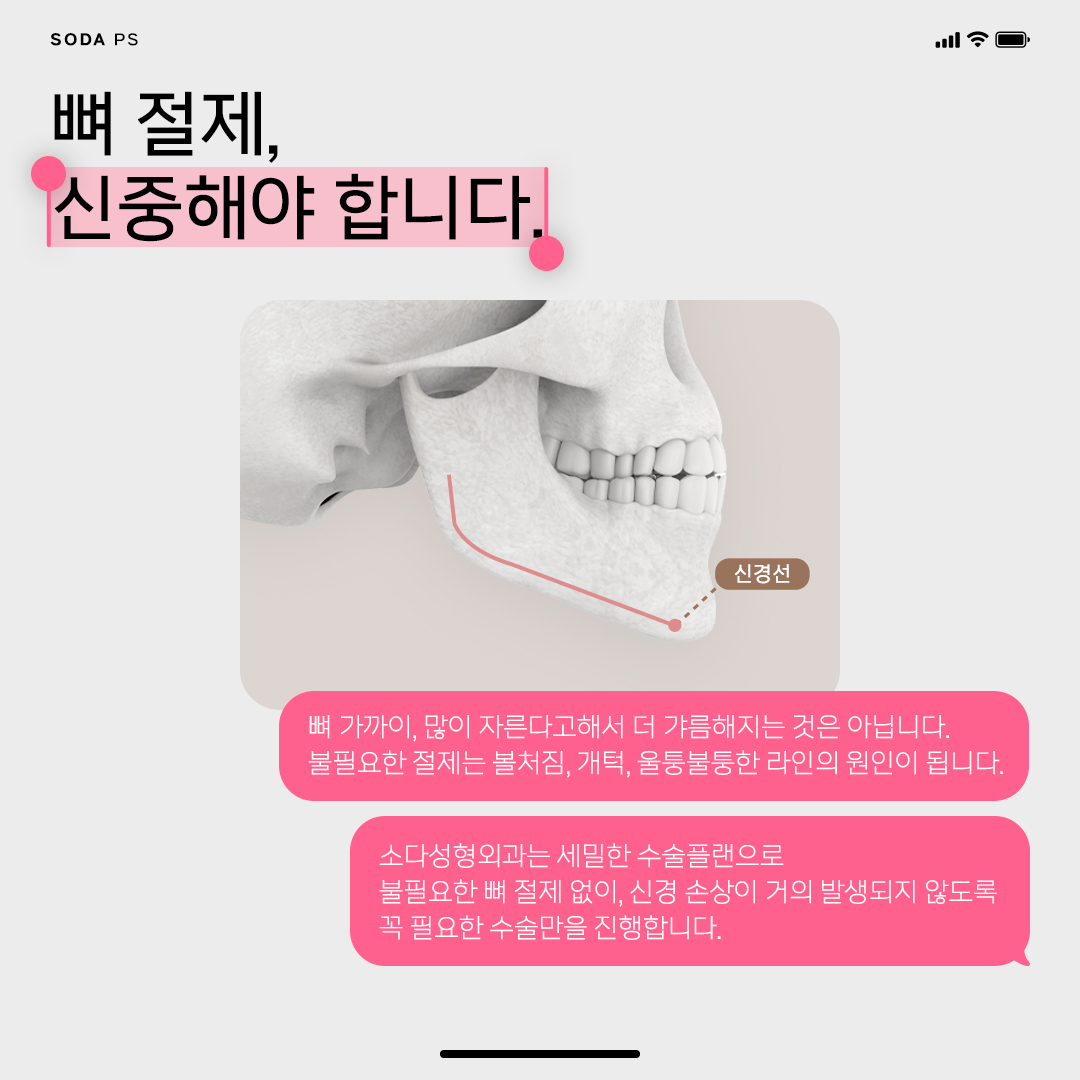
The operation is performed under general anesthesia in an operating room. The surgeon usually works from inside the mouth, so there are no visible external scars along the jawline. Bone cuts are made in controlled areas, the jaw segments are moved into the planned position, and they are fixed in place with small plates and screws.
In many cases, this bone surgery is combined with tooth alignment treatment before and after surgery to fine-tune how the bite fits. The exact sequence and duration vary by individual, and you should discuss this in detail during consultation.
The main goals of protruding lower jaw surgery are to correct the bite so that the upper and lower arches meet more properly, to soften an overly strong or protruding lower face line, to improve facial symmetry and profile, and to reduce strain on jaw joints and muscles where this is related to the jaw position.
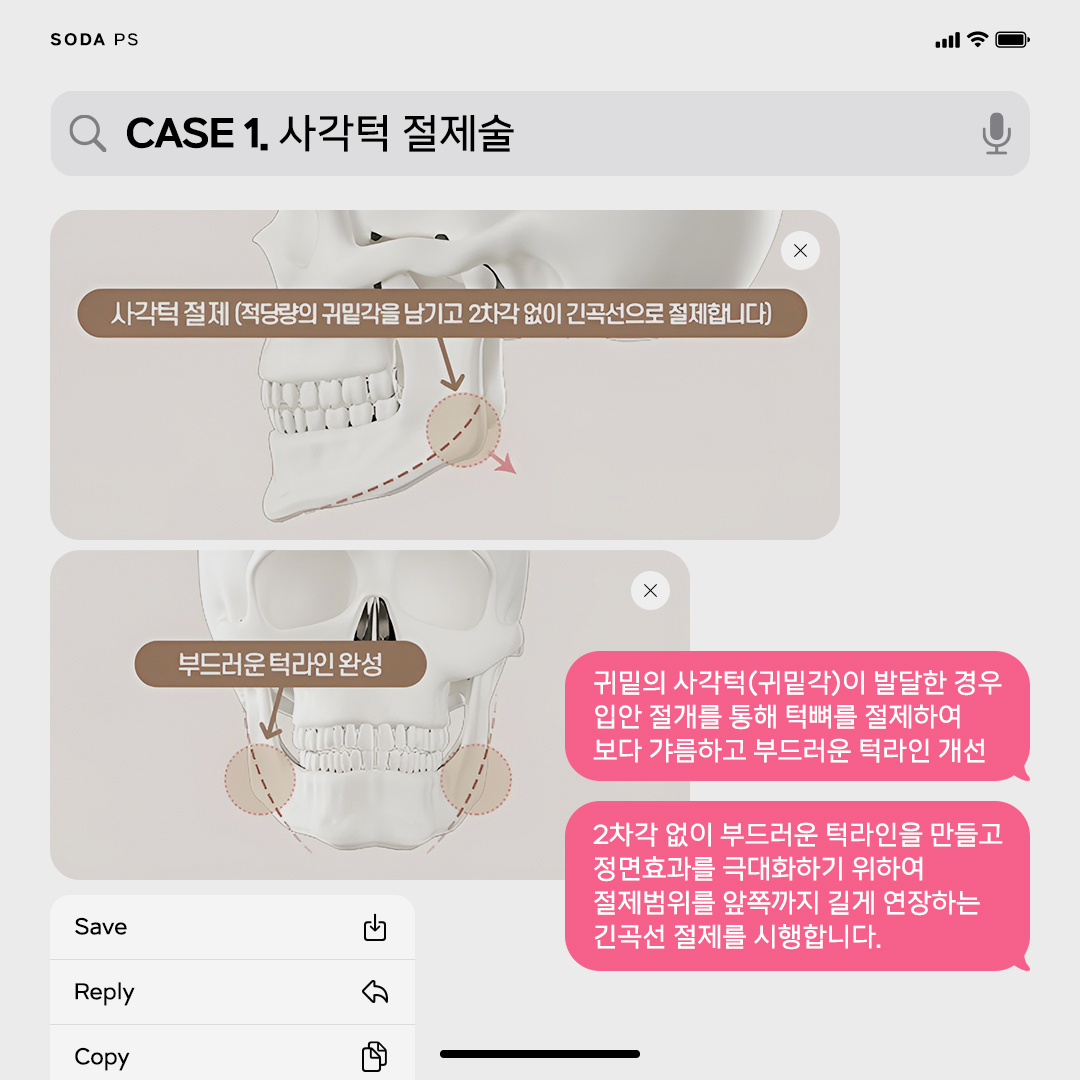
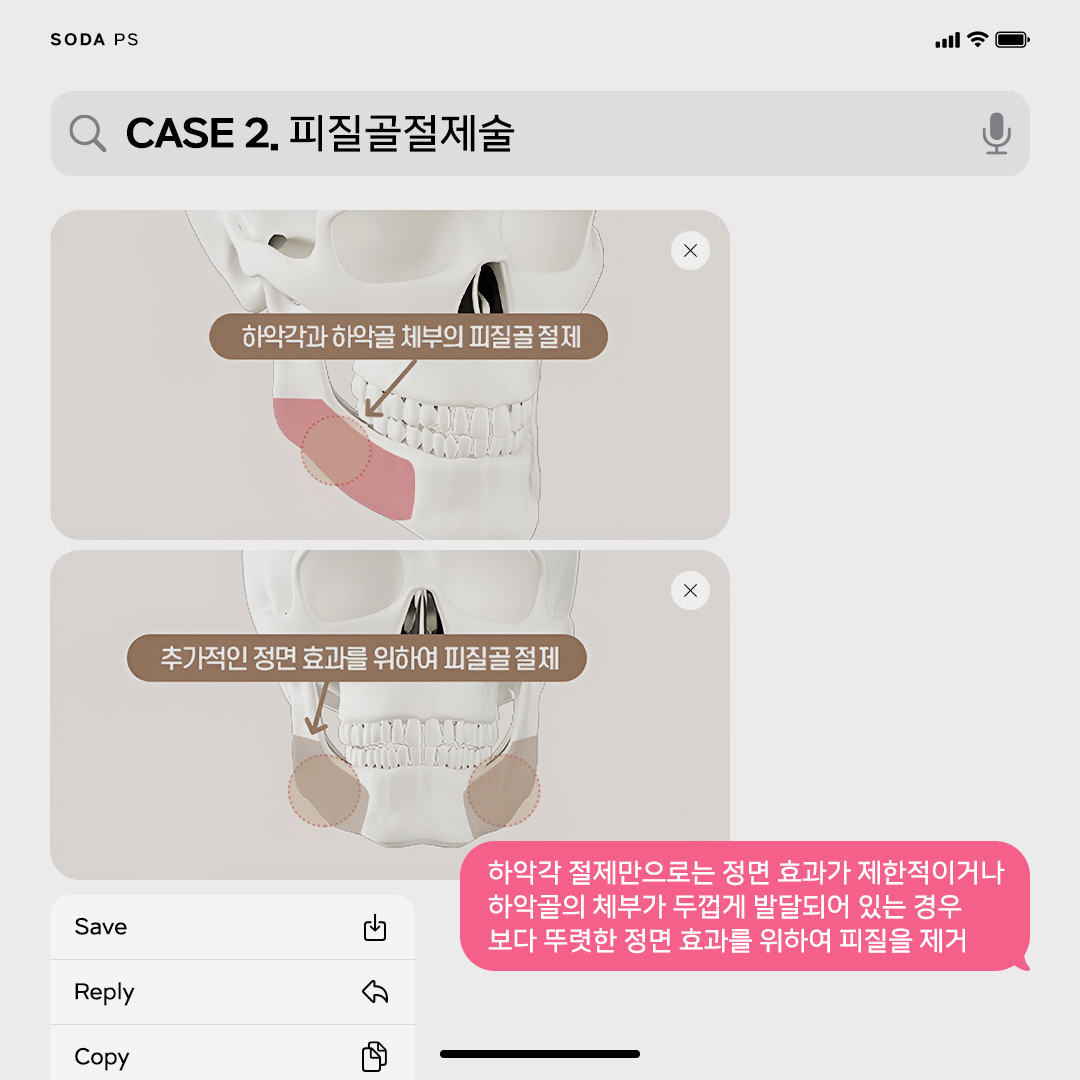
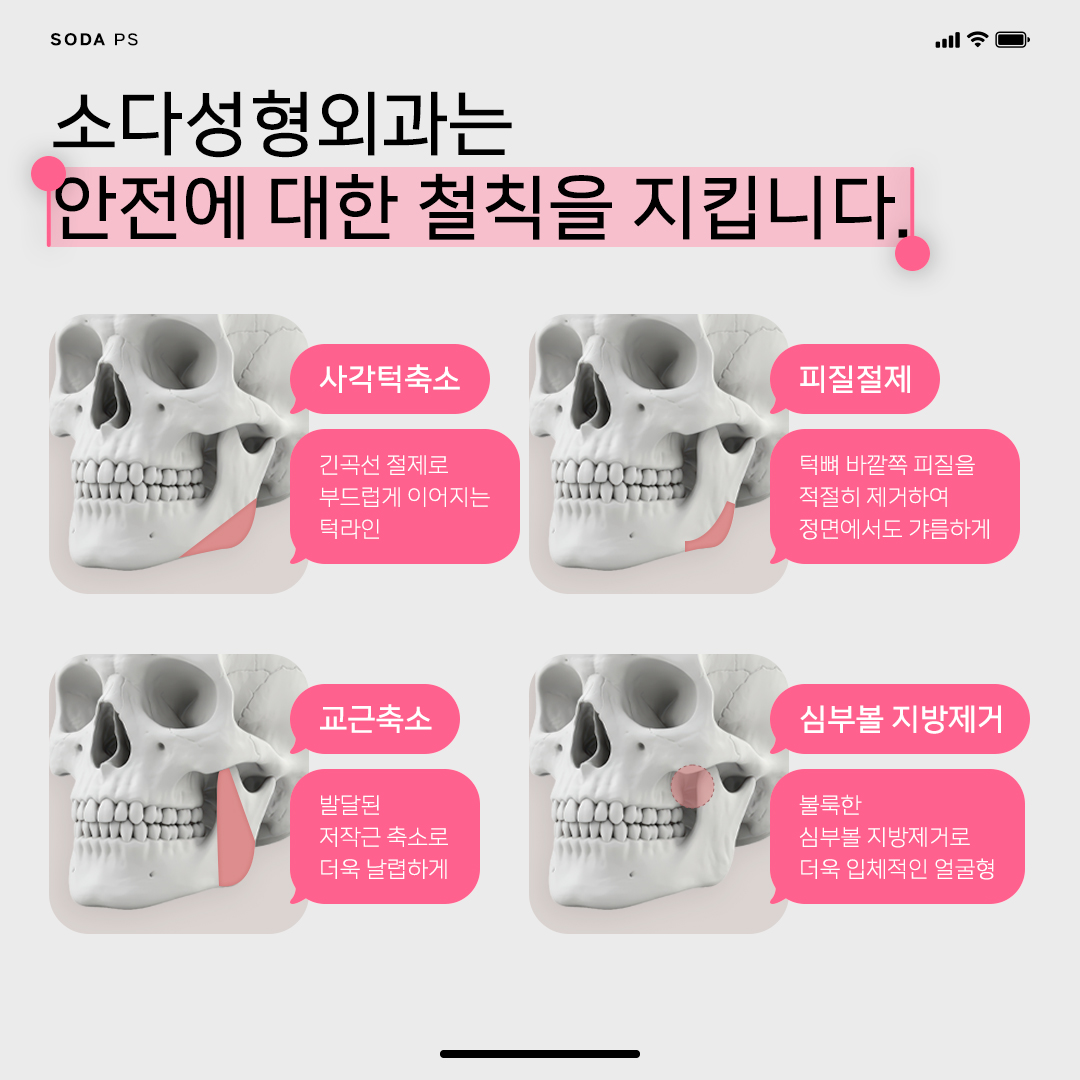
This type of surgery is different from simple jawline shaving or chin tip surgery. Contouring procedures can change the outer shape of the jaw or chin, making the face look slimmer or more V-shaped, but they do not fundamentally change how the upper and lower jaws relate to each other. For a true skeletal underbite, contouring alone usually cannot provide a stable, functional correction.
Expected changes after surgery
After successful jaw repositioning, many people notice a smoother facial profile. The lower jaw no longer dominates the side view as much, and the transition from nose to lips to chin can look more balanced. From the front, the lower face may appear less heavy, and the impression can shift from sharp or tired to softer and more relaxed.
In terms of facial proportions, the ratio between the upper, middle, and lower face often becomes more harmonious. This can also influence how other features such as the nose, lips, and cheekbones appear, even though they were not directly operated on.
Functionally, improving the jaw position can help the bite become more stable and efficient, which may make chewing more comfortable. Some people report less jaw joint or muscle discomfort when the jaw is better aligned, although this is not guaranteed and depends on the original cause of the symptoms.
Results always depend on individual factors. Bone structure, skin thickness, age, muscle habits, and cooperation with any tooth alignment treatment all influence the final outcome. Swelling can also mask the new shape for some time, so patience is required before judging the result.
Treatment planning and consultation points
Because protruding lower jaw surgery affects both appearance and function, thorough pre-operative planning is essential. A typical workup includes clinical examination of the face and bite, imaging such as CT or X-ray to analyze jaw position and nerve pathways, and a detailed discussion of medical history.
You should inform the surgeon about any jaw joint symptoms such as clicking, pain, or locking, as well as any previous facial or jaw surgeries. If you have had prior jawline or double-jaw surgery, revision contouring, or pin placement, these details are important for planning.
Before your consultation, it can be helpful to prepare a list of questions. Examples include asking whether your case is suitable for orthognathic surgery or whether contouring or chin surgery alone might be enough, whether you will need tooth alignment treatment and for how long, what changes you can realistically expect in both profile and front view, and what the main risks and possible complications are in your specific situation.
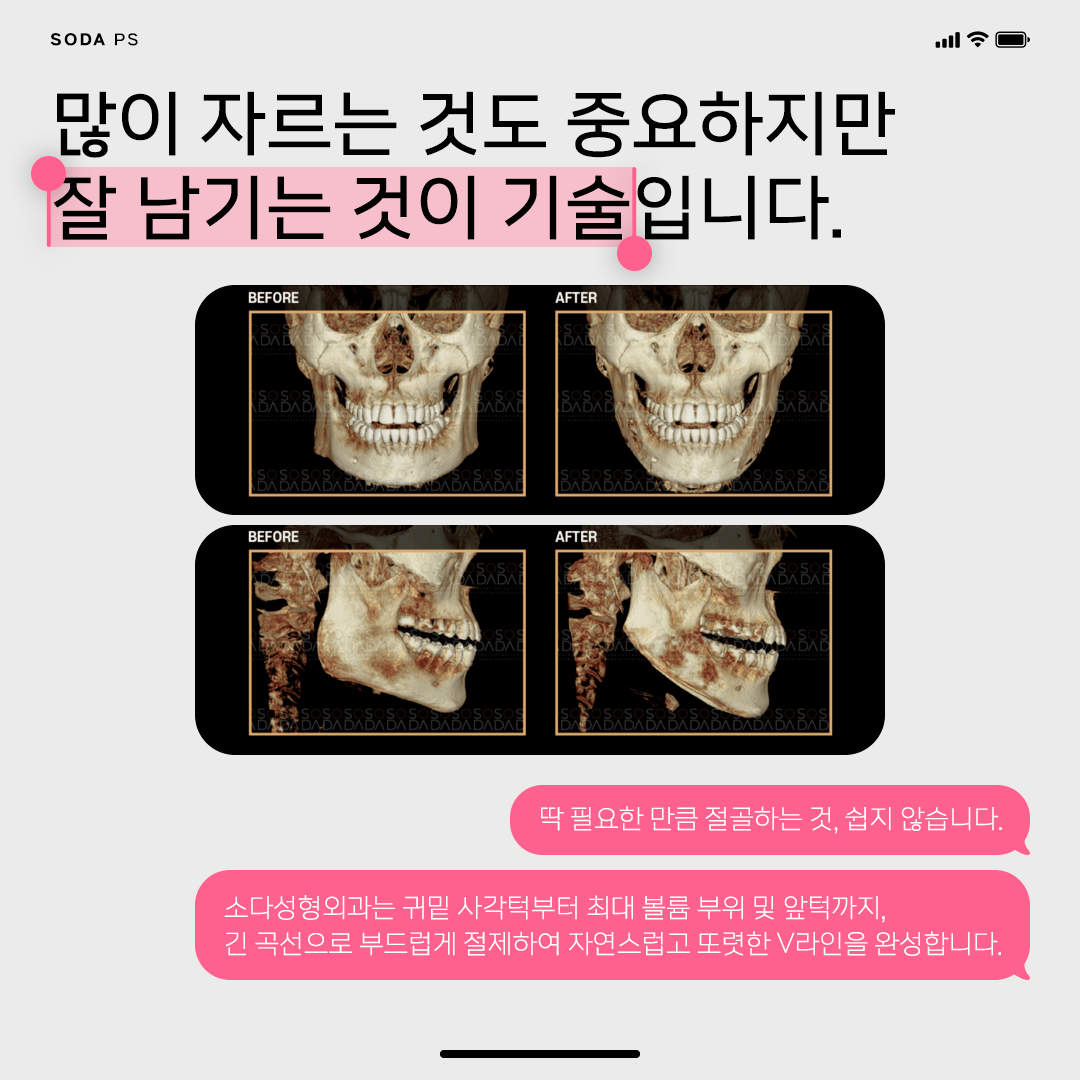
Some clinics share before-and-after CT images, with patient consent, to show bone changes, pin removal, or revision cases. These objective images can help you understand what is actually done to the bone, beyond what is visible in edited photographs.
Features of a facial contouring focused clinic in Gangnam-daero
This concentration on facial bone work can be relevant for people considering surgery for a protruding lower jaw, especially if they have complex or revision needs.
Surgeons who have held leadership roles in facial contouring centers or completed fellowships at university hospitals may bring experience with a range of facial bone techniques and complex cases. Such backgrounds can be helpful when planning underbite correction or combined contouring, but individual qualifications and case experience should be confirmed directly with the clinic.
Ask whether the clinic lists an anesthesiology and pain medicine specialist as the anesthesia director and who will be responsible for anesthesia during your procedure. For jaw surgery under general anesthesia, it is reasonable for patients to confirm the anesthesia plan, the credentials of the person providing anesthesia, and how intraoperative anesthesia and airway management will be handled.

Safety and operating room systems
When evaluating a clinic, ask about the safety measures and operating room systems they have in place. Examples of items you can inquire about include: whether operating rooms are monitored (where legally permitted) for quality review; availability of emergency medications and protocols (for example, drugs used for rare anesthesia emergencies); backup power and gas‑delivery safeguards; and documented emergency response procedures and resuscitation equipment. Clinics will vary, so requesting specific information and written policies can help you assess preparedness.
When you compare clinics, it is useful to look beyond appearance photos and consider the safety systems in place. Some clinics in the Gangnam-daero area emphasize a named surgeon system, where the surgeon responsible for your case is clearly identified and present in the operating room from start to finish.
While policies differ by clinic and region, you can ask how the clinic ensures traceability and accountability during surgery.
Technical systems such as an uninterruptible power supply help keep essential equipment running in case of power issues. Central monitoring systems and gas leak alarms support continuous tracking of patient status and equipment conditions during surgery.
When choosing a provider, you can ask whether similar systems and protocols are in place, rather than deciding based only on cost or social media images.
Recovery, downtime, and aftercare
Recovery after protruding lower jaw surgery takes time and happens in stages. Immediately after surgery, you may stay in the clinic or hospital for observation while you wake up from anesthesia and the team monitors your breathing, swelling, and pain control.
Swelling and bruising are expected and usually peak in the first days, then gradually improve over several weeks. The lower face can feel tight or numb, and temporary changes in sensation are common because of the work done near the nerves.
In the early period, a soft or liquid diet is usually recommended to protect the jaw and fixation. As healing progresses, you can slowly return to more normal foods according to the surgeon’s advice. Good oral hygiene, within the limits of your comfort and safety instructions, is important to reduce the risk of infection.
Regular follow-up visits are needed to check bone healing, nerve status, and how the bite is settling. If you are combining surgery with tooth alignment treatment, adjustments will be made over time to fine-tune the result.
Some clinics offer structured post-operative care programs, including swelling management, gentle therapies, or personalized aesthetic care to support healing. These services cannot replace the natural healing process but may help you feel more comfortable during recovery.
It is important to remember that full bone healing and nerve recovery take time. The final facial shape can only be judged after most swelling has subsided, which may take several months. Planning your expectations and travel schedule with this in mind can reduce stress.
Online consultation and pre-visit preparation for overseas patients
If you are living overseas and considering jaw surgery in Seoul, an online consultation is usually the first step. Many clinics in the Gangnam-daero, Seocho District area accept online inquiries through email, messaging apps, or their website.
To make your online consultation more productive, prepare clear front, side, and three-quarter view photos of your face in good lighting, with your jaw relaxed and teeth in a natural position. If you have any previous imaging, operation notes, or reports from other clinics, you can ask if it is helpful to send them in advance.
Write down your main concerns in order of priority. For example, you might list underbite and chewing difficulty, strong lower jawline from the side, or asymmetry when smiling. Also note any jaw joint symptoms, medical conditions, medications, allergies, and previous surgeries.
Ask the clinic what kind of visit timeline they usually recommend for international patients, including how many days before surgery you should arrive for in-person examination and imaging, and how long you should stay after surgery for follow-up.
Expected Korea visit timeline
The exact schedule will differ by clinic and individual, but many overseas patients follow a similar pattern when coming to Seoul for protruding lower jaw surgery.
You may arrive several days before the planned operation. During this time, you will have an in-person consultation, imaging such as CT or X-ray, bite and jaw movement assessment, and pre-operative tests such as blood work or heart checks if needed. The final surgical plan is confirmed at this stage.
Surgery is usually done as an inpatient or day-surgery procedure under general anesthesia. After the operation, you will stay in the clinic or hospital for monitoring for a period decided by the medical team. Once you are stable, you can move to nearby accommodation but should remain within easy reach of the clinic.
In the first one to two weeks, you will return for several follow-up visits to check swelling, healing, and bite status. Many international patients plan to stay in Korea for at least two to three weeks after surgery, but this can vary depending on the complexity of the case and any combined procedures.
After you return home, some follow-up can be done online with photos and, when needed, imaging arranged in your home country. It is wise to confirm in advance how the clinic handles long-distance follow-up and what you should do if you have concerns after leaving Korea.
Choosing a clinic and managing expectations
When selecting a clinic for protruding lower jaw surgery, try to look at several factors together. Confirm that the surgeon regularly performs facial bone and jaw surgeries, not only soft-tissue procedures. Ask to see objective case information such as imaging-based before-and-after examples, not only heavily edited photos.
If the clinic handles revision cases and hardware (pin) removal, this can indicate experience with complex situations. You can ask how often they see revision patients and how they approach planning in such cases.
Verify the presence and role of an anesthesiology specialist and ask about the safety systems in the operating room. It is reasonable to ask who will be in charge of your anesthesia and how emergencies are managed.

Keep your expectations realistic. There is no single ideal face shape that suits everyone. The goal is to bring your jaw into better harmony with your own features while improving function and long-term stability. Some degree of asymmetry is natural in all faces, and surgery aims for improvement, not absolute perfection.
Before making a decision, consider having in-depth consultations at more than one clinic, either online or in person. Compare not only the proposed surgical plan, but also the explanations you receive, the safety systems, the follow-up plan, and how clearly your questions are answered.
Frequently asked questions
What is the difference between jaw surgery and simple jawline contouring for an underbite
Jaw surgery for a protruding lower jaw repositions the jaw bones to correct the relationship between the upper and lower jaws and improve the bite. Simple jawline contouring, such as shaving the angle of the jaw or reshaping the chin tip, only changes the outer shape of the bone. For a true skeletal underbite, contouring alone usually cannot correct how the jaws meet, so it is more suitable for people who mainly want to refine the jawline rather than change jaw position.
How long do I need to stay in Seoul after protruding lower jaw surgery
The recommended stay varies by clinic and by the complexity of your case. Many international patients plan for at least two to three weeks in Seoul after surgery to allow for early recovery and several follow-up visits. Some may need longer if they have combined procedures or special healing considerations. You should confirm a personalized timeline with your clinic during the online consultation.
Will jaw surgery completely fix my jaw joint pain
Jaw surgery can reduce strain on the jaw joints when pain is related to poor jaw alignment, but it does not guarantee complete relief for every patient. Jaw joint discomfort can have multiple causes, including muscle tension, joint structure, and habits such as clenching. During consultation, discuss your symptoms in detail so the surgeon can explain how much improvement is realistically expected in your situation.

Is protruding lower jaw surgery only for cosmetic reasons
No. While many people seek this surgery because they are unhappy with their profile or facial impression, protruding lower jaw surgery also has important functional goals. Correcting the jaw position can improve how the bite fits, which may help with chewing efficiency and long-term joint and tooth wear. The best treatment plan considers both appearance and function together.
Soft call to action
Preparing clear photos, medical history, and your main questions in advance will help the medical team provide more tailored information. Taking time to compare explanations and plans from different clinics can support a safer and more confident decision about your treatment in Korea.






댓글
댓글 쓰기