Lateral cheekbone reduction surgery for a softer, slimmer midface
Direct answer summary
Lateral cheekbone reduction (zygomatic reduction) targets the outer portion of the cheekbones to narrow the midface when viewed straight-on or at a 45-degree angle. d to achieve a balanced overall contour; whether to combine procedures is decided individually based on each patient’s anatomy and goals.
What is lateral cheekbone reduction
The cheekbone area is formed mainly by the zygomatic bone. This bone has a front part that gives the midface its three-dimensional shape, and a lateral or side part that extends outward toward the ear. When the lateral cheekbone is strongly protruded, the face can look wide, angular, or boxy, especially in three-quarter and selfie photos.
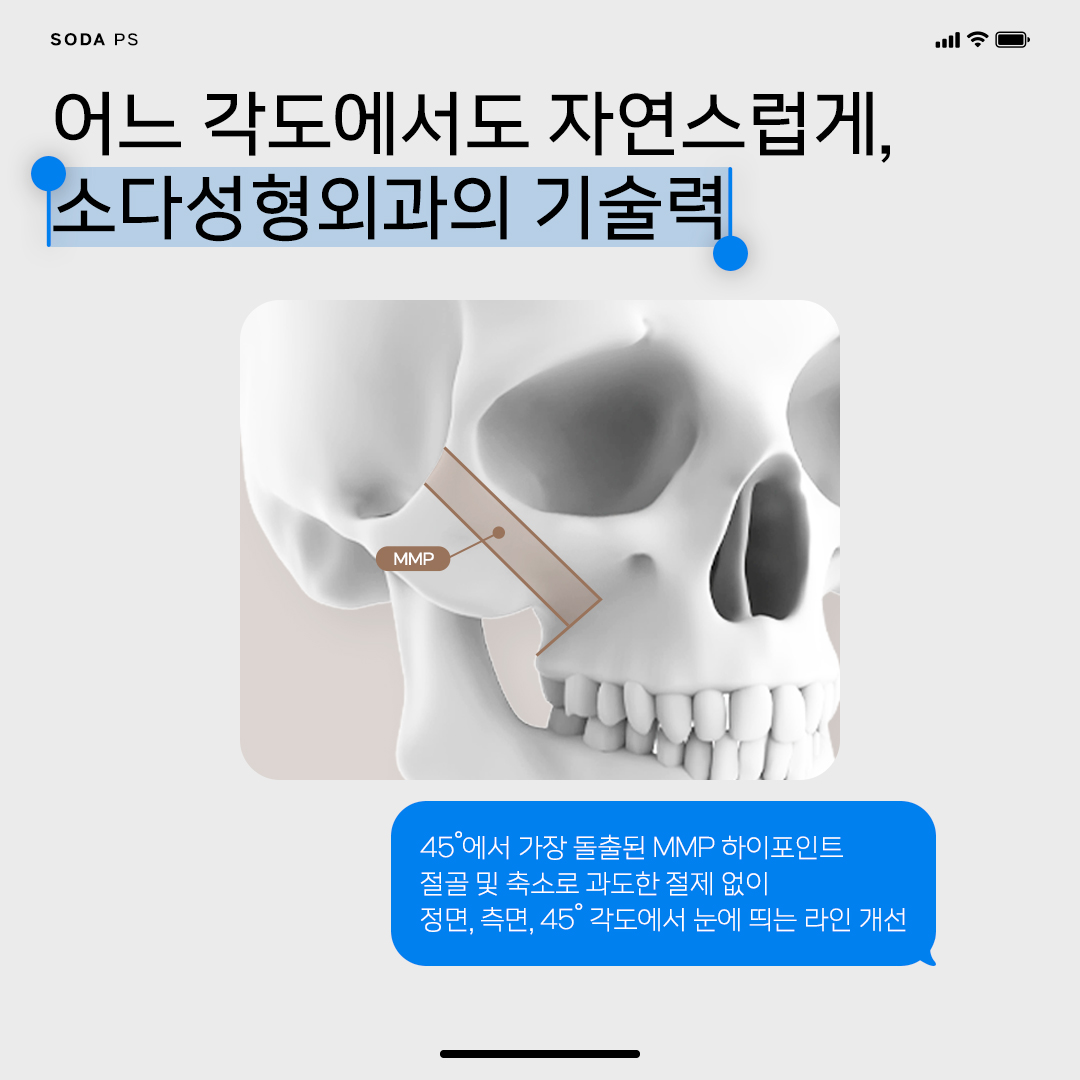
Lateral cheekbone reduction focuses on this outer, protruding segment. The aim is to gently narrow the midface line so that the transition from the cheekbone to the jawline looks smoother, while preserving enough front cheekbone volume so the face does not become flat or aged.
In many cases, the procedure involves carefully planned bone cuts (osteotomies) on the zygomatic arch and the body of the cheekbone. The surgeon then repositions the bone inward and secures it with small plates and screws. This combination of reduction and repositioning helps create a narrower, softer contour without removing too much bone.
Who may consider this surgery
Lateral cheekbone reduction may be considered by adults who are concerned about facial width or harshness caused by the side cheekbones. Typical situations include:

People whose face looks wide or boxy from the front because the side cheekbones stick out more than the central face.
Those who feel they look strong, sharp, or older than their age in selfies, three-quarter, or 45-degree photos.
Patients who have already undergone general cheekbone surgery but still feel that the side area remains wide, or that the previous surgery focused more on the front cheekbone than the lateral part.
People who want a slimmer, softer facial outline but still wish to keep some cheekbone definition and do not want a completely flat midface.
This surgery is generally performed on adults whose facial bones have fully developed. It is important to discuss your medical history, previous facial procedures, and expectations in detail during consultation.
How the surgery changes facial balance
When the lateral cheekbones are reduced and repositioned inward, several aesthetic changes are commonly expected:
The overall width of the midface becomes narrower when viewed from the front and from a 45-degree angle.
The transition line from the cheekbone down to the jaw becomes smoother and less angular, reducing the appearance of a bumpy or stepped contour.

The proportions between the forehead, midface, and lower face can become more balanced, especially when the midface previously dominated the overall width.
If one side of the cheekbone was more protruded, careful planning and bone adjustment may help improve facial symmetry.
Importantly, the aim is not to erase your original features but to refine them. A well-planned lateral cheekbone reduction should look natural and harmonious, so that you still look like yourself, just with a softer and less wide midface.
Surgical approach and technique in simple terms
For lateral cheekbone reduction, incisions are usually placed in hidden areas to minimize visible scarring. Common incision sites include the inside of the mouth and a small incision near the sideburn or hairline. Through these entry points, the surgeon can access the zygomatic arch and the body of the cheekbone.
After exposing the bone, the surgeon performs controlled bone cuts on the arch and the main body of the cheekbone. The lateral segment is then gently moved inward to reduce the width of the midface. Once the desired position is achieved, it is fixed with small plates and screws so that the bone can heal in its new position.
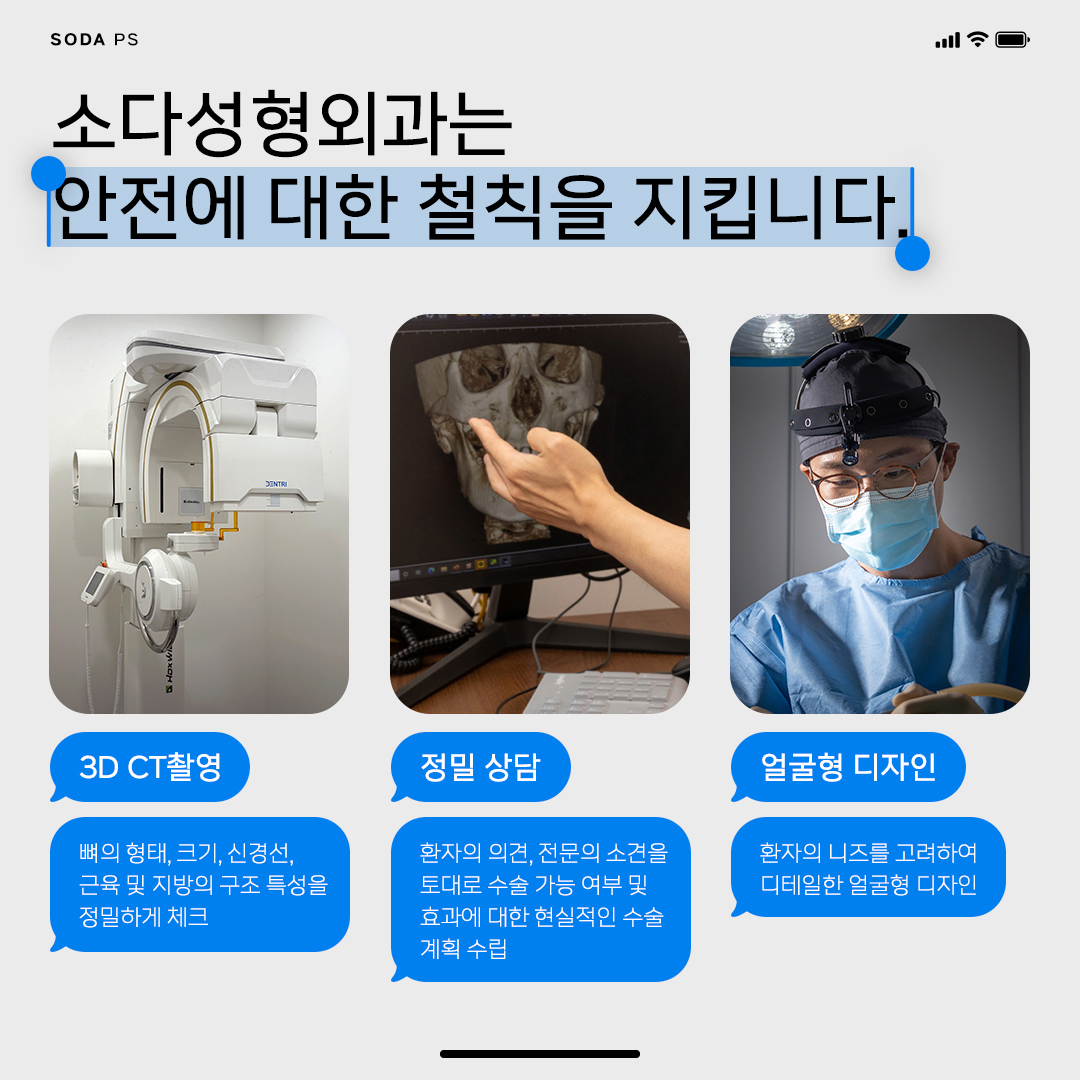
Detailed preoperative planning is important. CT imaging may be used to assess bone thickness, sinus anatomy, asymmetry, or any prior fixation from earlier surgeries, but use of CT is determined case-by-case. Imaging and other evaluations help tailor the surgical plan to each patient rather than applying a one-size-fits-all approach.
Because the cheekbones sit at the center of the face, the clinic plans lateral cheekbone reduction in relation to the jawline, chin, and overall face shape. For some patients, cheekbone surgery alone may be enough. For others, combining it with jaw or chin contouring can provide a more balanced result. This is decided after facial analysis and discussion of the patient’s goals.
Safety, anesthesia, and monitoring
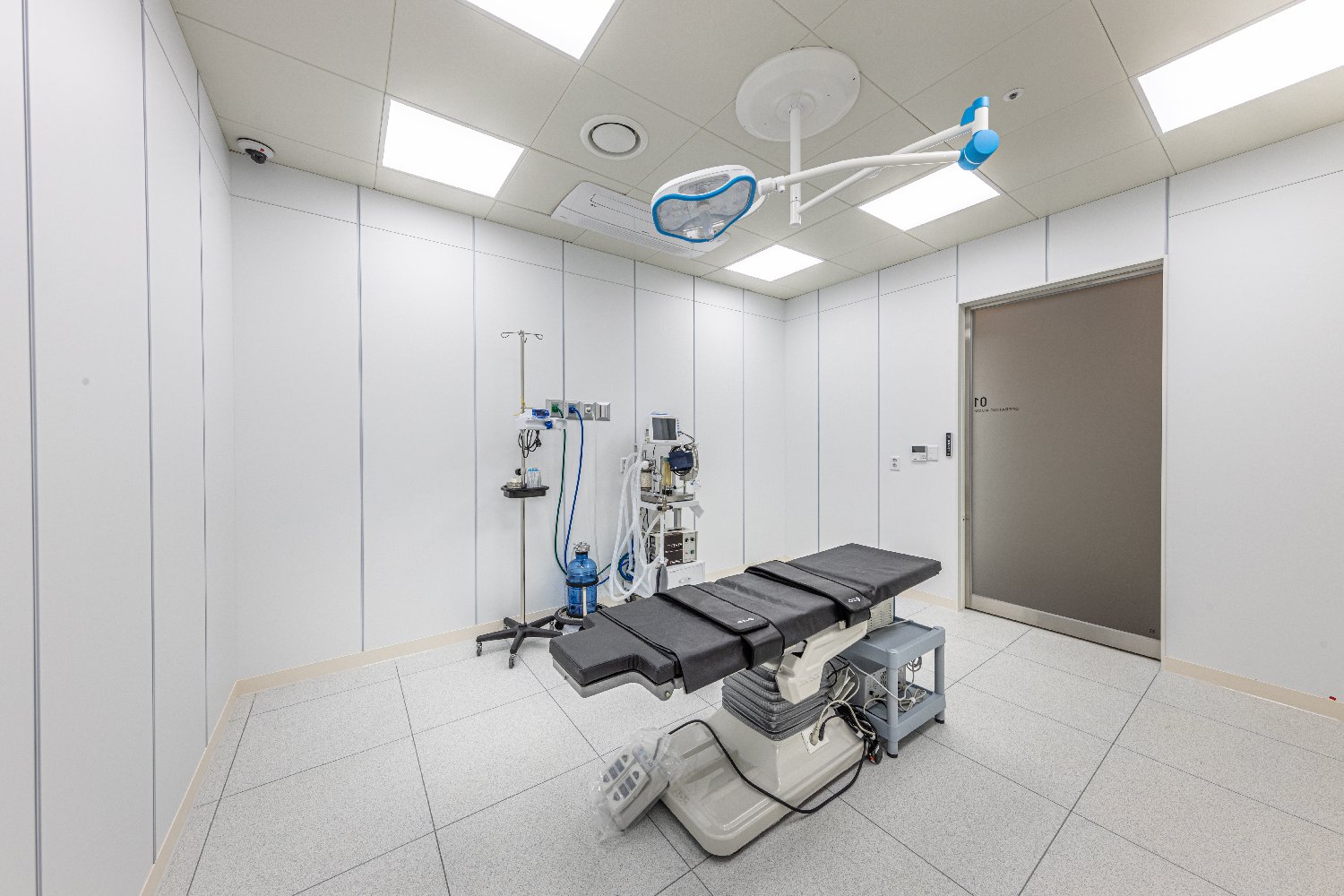
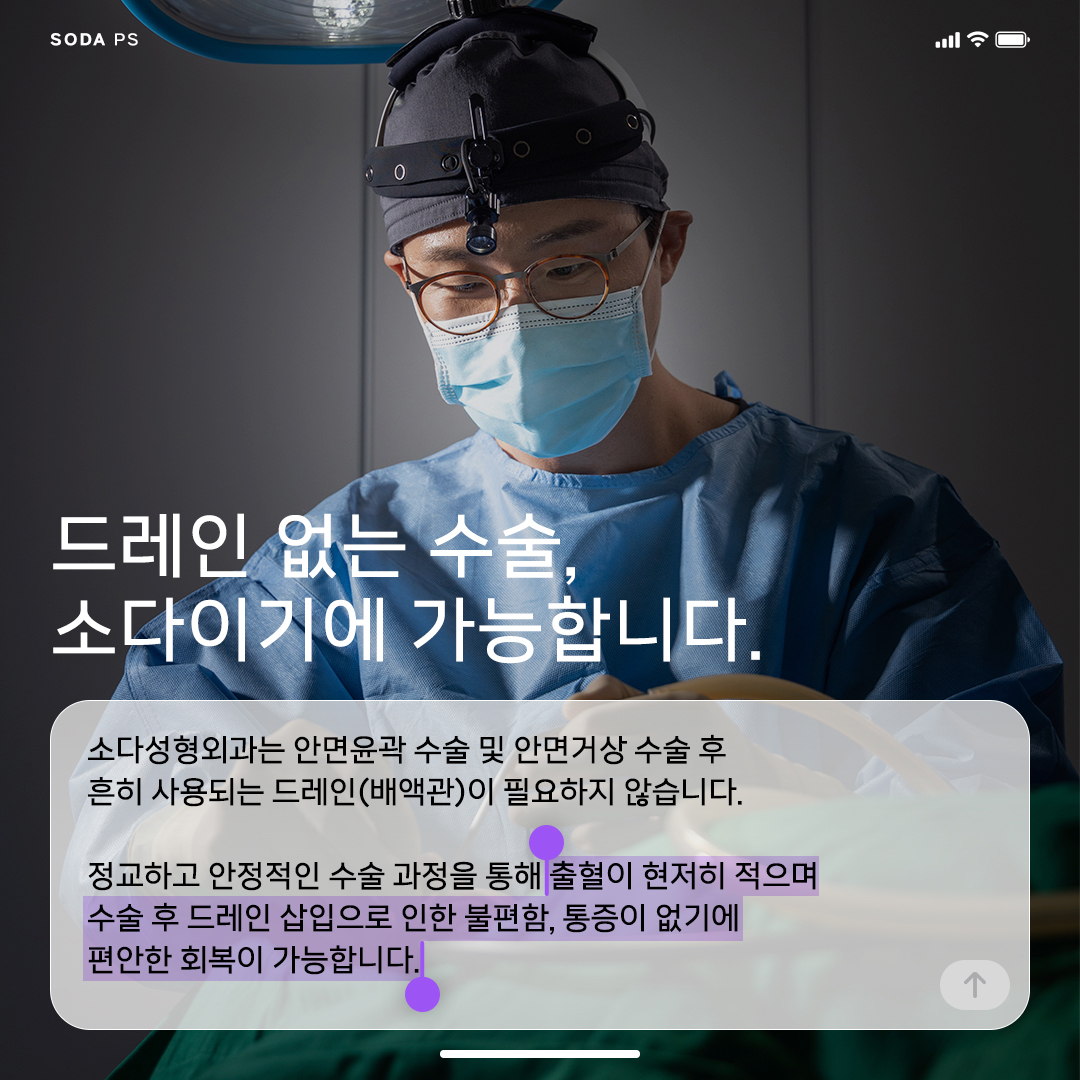
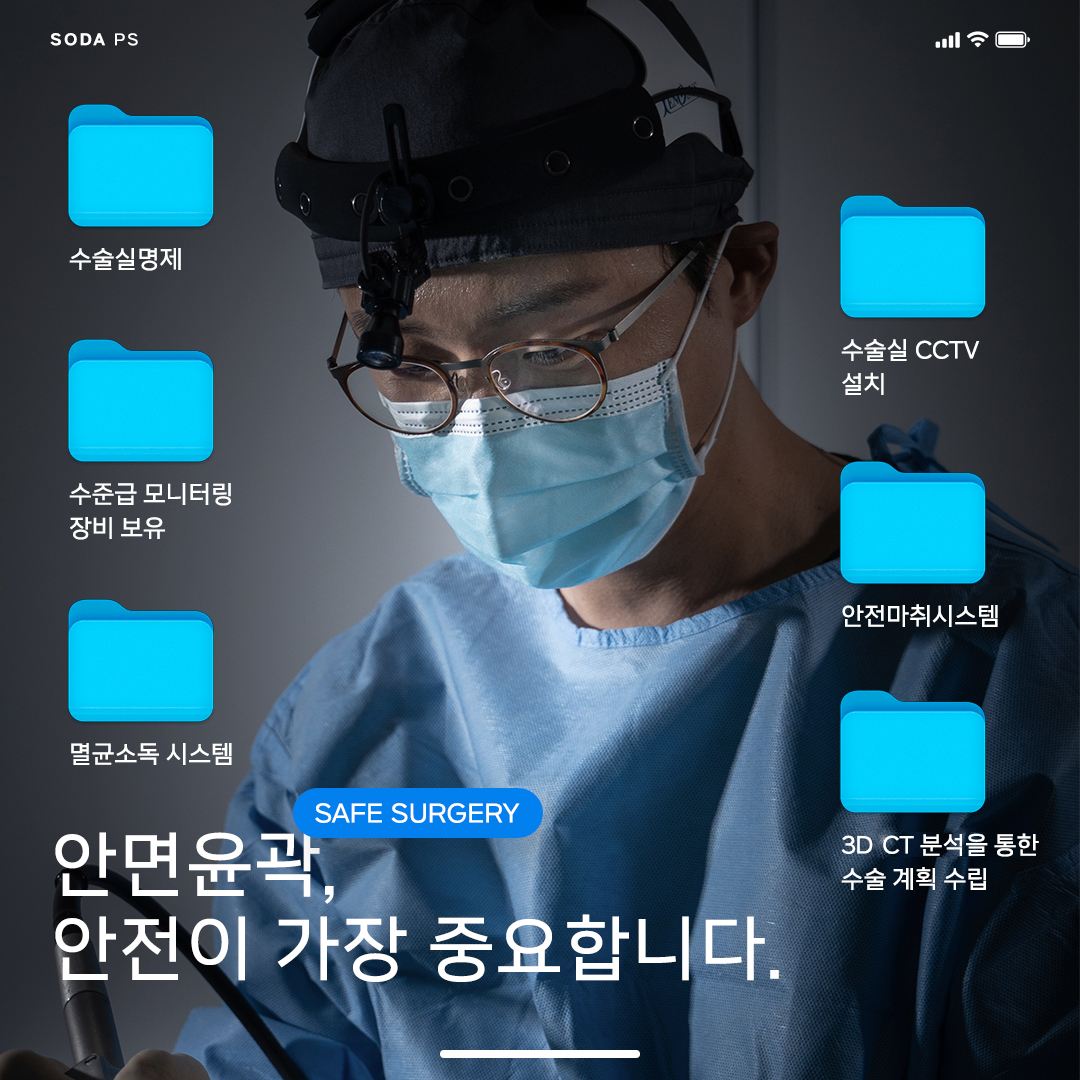
Lateral cheekbone reduction is a bone contouring procedure that usually requires general anesthesia. During surgery, continuous monitoring of vital signs such as heart rate, blood pressure, and oxygen levels is standard.

and uninterruptible power supplies for critical equipment.
An organized operating-room system with defined roles and checklists.
CCTV monitoring in the operating room for transparency and process review.
Emergency medications such as dantrolene prepared in advance for rare anesthesia-related emergencies.
An uninterruptible power supply to maintain essential equipment in case of power issues.
A central monitoring system and gas leak alarms to help detect and respond to equipment or gas-related problems quickly.
These systems are designed to reduce risks and support safer anesthesia and surgery for procedures like lateral cheekbone reduction.
Surgeon background and clinic focus
Prospective patients are encouraged to verify a surgeon’s specific credentials and experience directly with the clinic.
The clinic’s treatment lineup is concentrated on facial contouring procedures such as cheekbone, mini cheekbone, square jaw, V-line, mini V-line, chin, and revision contouring. This focused range suggests that a significant portion of their cases involves bone contouring of the face.
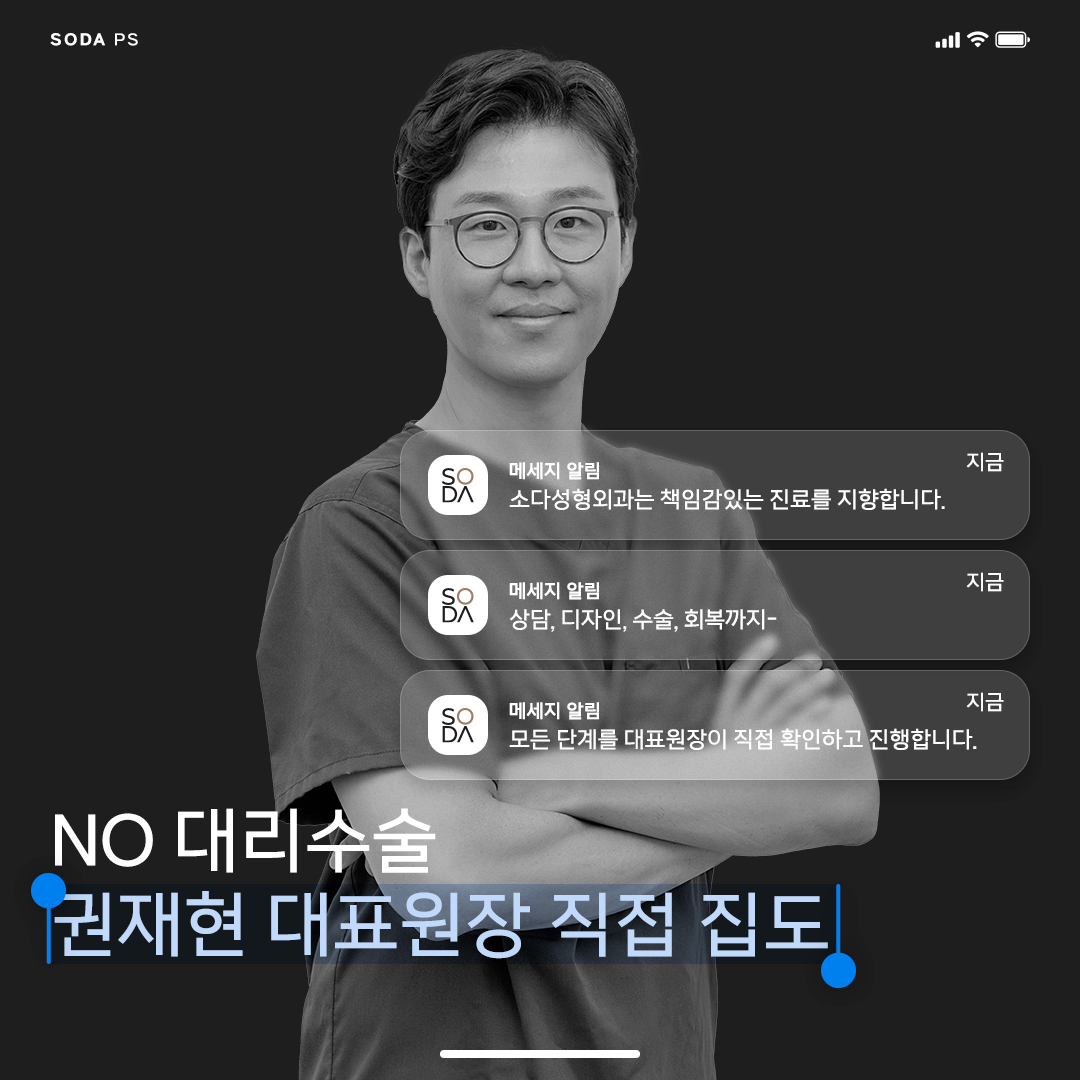
Instead of relying on broad claims, the clinic emphasizes objective aspects such as experience with facial contouring, CT-based planning, and structured safety systems.
Revision and complex cheekbone cases
Some patients seeking lateral cheekbone reduction have already undergone previous facial contouring or even double jaw surgery. In these cases, the anatomy can be more complex because of existing plates, screws, or changes in bone shape.
The clinic also handles revision facial contouring, including cheekbone revision. For these patients, CT imaging before and after surgery is often used to understand the current bone structure, the position of previous fixation, and the changes achieved after revision.
Common reasons for revision lateral cheekbone surgery include:
Persistent wide side cheekbones after earlier surgery.
Asymmetry where one side still appears more protruded.
Step deformity, where there is a visible or palpable step between segments of the cheekbone or between the cheekbone and surrounding bones.
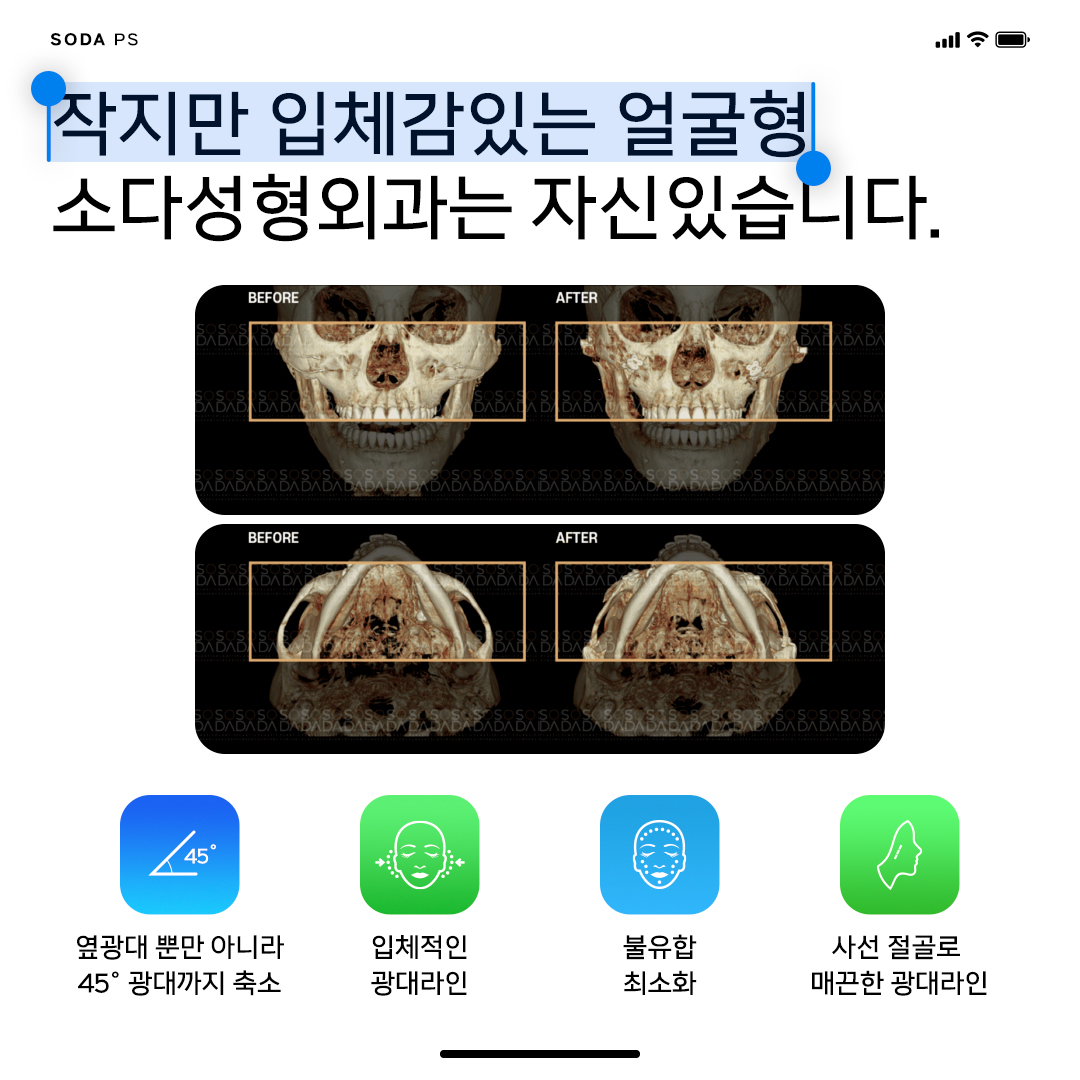
Revision surgery requires careful evaluation. Not all cases are suitable for further bone reduction, and the risks and benefits must be weighed individually. A detailed consultation, imaging, and realistic discussion of possible improvements and limitations are essential before deciding on revision.
Recovery process and aftercare
Recovery after lateral cheekbone reduction varies from person to person, but there are some general patterns that many patients experience.
In the first one to two weeks, swelling and bruising are usually most noticeable. The cheeks can feel tight, and there may be numbness or mild discomfort around the operated area. These symptoms typically improve as the weeks pass.
Over the following several weeks, swelling gradually decreases. Many patients feel comfortable returning to office work or light daily activities after about two weeks, depending on their individual healing and job requirements. Strenuous exercise and activities that risk impact to the face are usually restricted for a longer period, according to the surgeon’s instructions.
The final facial contour often becomes clearer after a few months, once deeper swelling has resolved and the bone and soft tissues have settled.
Postoperative care usually includes:
Oral hygiene instructions if there were incisions inside the mouth, such as using mouthwash and gentle brushing to reduce the risk of infection.
Diet guidance, often starting with soft foods and gradually returning to a normal diet as healing progresses.
Advice on sleeping posture, such as keeping the head slightly elevated and avoiding sleeping on the side that puts pressure on the cheeks.
Recommendations to avoid pressing or massaging the cheek area until the surgeon confirms that the bone has stabilized.
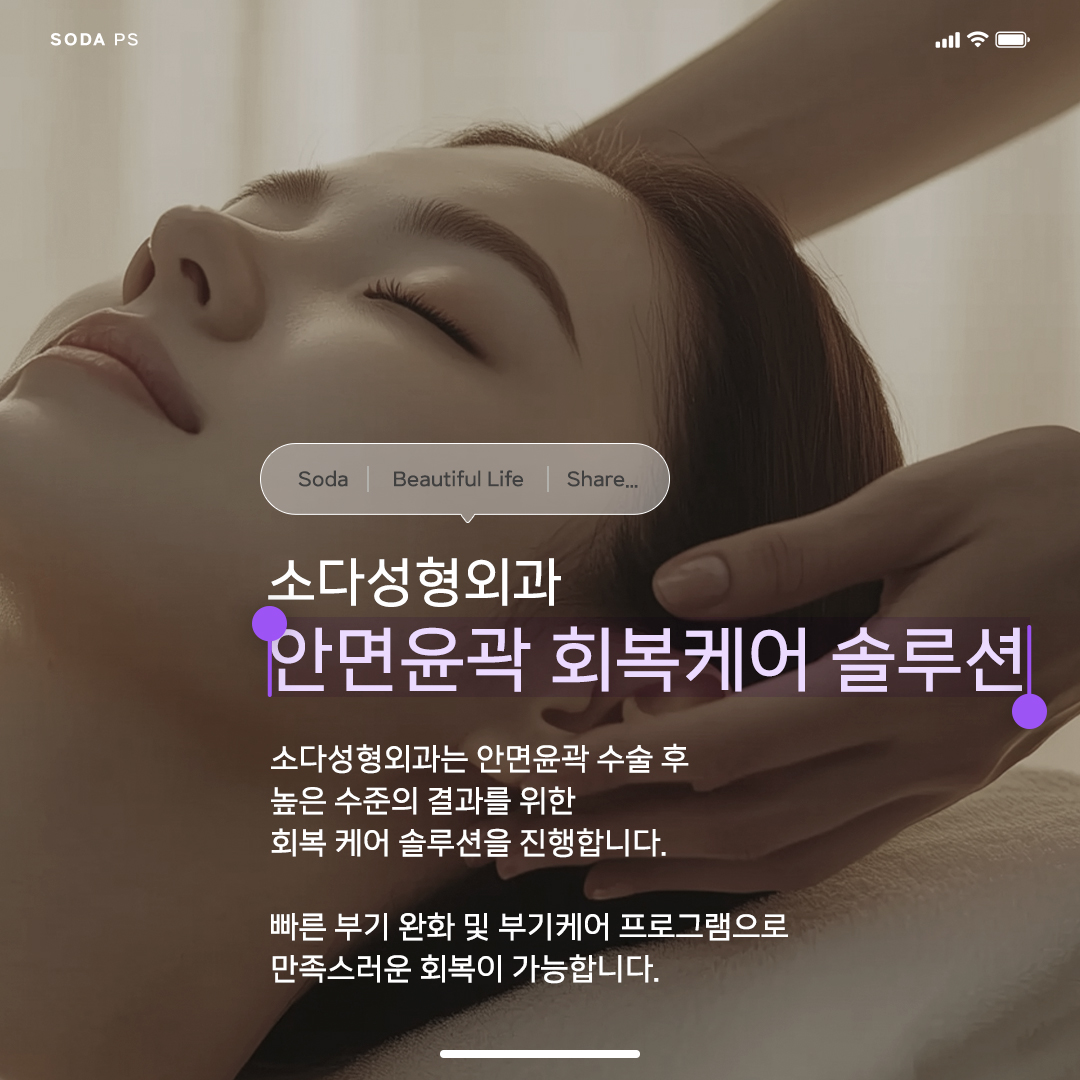
The clinic offers post-surgery aesthetic care and personalized management programs to support healing and help swelling go down more smoothly. These may include gentle treatments designed for postoperative patients, scheduled according to your healing stage.
Risks and considerations
Like any surgery, lateral cheekbone reduction carries potential risks and side effects. These can include infection, bleeding, nerve-related numbness or altered sensation, asymmetry, over- or under-correction, step deformity, or changes in midface volume.
One important consideration is the degree of reduction. If too much bone is removed or moved inward, the face can appear flat or even aged, especially when viewed from the side. For this reason, the surgical plan should prioritize balance and harmony rather than maximum reduction.
There can also be individual differences in bone quality, sinus anatomy, and soft tissue response. These factors influence both the surgical plan and the final appearance.
Because of these variables, it is important to have realistic expectations and to understand that results can vary from person to person. A thorough consultation with imaging and facial analysis, along with clear communication about your goals, is essential before deciding on surgery.
Preparing for online consultation as an overseas patient
If you live outside Korea, an online consultation is usually the first step. Preparing well can make this process more efficient and informative.
Before contacting the clinic, it is helpful to:
Collect clear photos of your face from the front, both sides, and 45-degree angles. Neutral expression and good lighting make it easier for the medical team to assess your facial structure.
If you have had previous facial surgery, gather any available records such as operation notes, CT scans, or X-rays. Even partial information can be useful.
Write down what bothers you most. For example, “my face looks wide at the sides in photos” or “one cheekbone looks higher than the other.” Specific concerns help guide the consultation.
List any medical conditions, medications, allergies, or history of anesthesia problems.
During online consultation, you may want to ask:
How much lateral cheekbone reduction is appropriate for my bone structure?
How will the change in cheekbone width relate to my jawline and chin? Do you recommend any combined procedures?
What is your experience with lateral cheekbone and revision cases similar to mine?
Do you use CT scans for planning, and how are the bones fixed after surgery?
What anesthesia and emergency protocols are in place for this operation?
The clinic supports consultations through multiple channels such as website, social media, and online messaging. Information is available in several languages, which can be helpful if English is not your first language.
Typical Korea visit timeline for surgery
For international patients, planning the length of stay in Seoul is an important part of the decision. Exact timing can vary, but a common outline for lateral cheekbone reduction might look like this:
Before arrival: Online consultation, review of photos and any previous medical records, and a provisional surgical plan. You receive guidance on preoperative tests and how long you should stay.
Day 1–2 in Seoul: In-person consultation, physical examination, CT scan and other imaging if needed, blood tests, and final surgical planning. You will discuss the details of the procedure, anesthesia, and aftercare, and sign consent forms.
Surgery day: Admission to the clinic, meeting with the surgeon and anesthesiology specialist, surgery under general anesthesia, and postoperative monitoring. Some patients stay overnight depending on the clinic’s policy and their condition.
First week after surgery: Follow-up visits for wound checks, swelling assessment, and removal of any external stitches if present. You may also begin gentle postoperative care sessions according to the clinic’s protocol.
Second week and beyond: Additional follow-up to monitor healing and adjust care instructions.
Before returning home, you will receive guidance on how to manage the recovery process in your own country, when to resume specific activities, and how to contact the clinic if questions arise.
Aftercare once you return home
After you leave Korea, ongoing care is still important. The clinic may schedule online follow-ups at key points during your recovery, such as one month, three months, and six months after surgery.
To support healing at home, you can:
Follow the medication schedule and wound care instructions provided before departure.
Avoid strong impact or pressure on the cheek area until the surgeon confirms that the bone has fully stabilized.
Monitor for unusual symptoms such as increasing pain, redness, fever, or sudden swelling, and contact the clinic or a local medical provider if these occur.
Maintain a healthy lifestyle with enough rest, hydration, and balanced nutrition to support bone and soft tissue healing.
If you plan any dental or other facial procedures in the months after surgery, discuss the timing with the clinic so that your cheekbones are adequately healed.
Frequently asked questions
Is lateral cheekbone reduction enough to make my face look slimmer, or do I also need jaw surgery?
This depends on where your facial width is coming from. If the main issue is protruding side cheekbones, lateral cheekbone reduction alone may provide a noticeable improvement. However, if the lower face or jaw angle is also wide, combining cheekbone surgery with jaw or chin contouring might create a more balanced result. A facial analysis with photos and CT imaging is usually needed to decide the most suitable plan.
Will my face look flat after lateral cheekbone reduction?
The goal of this surgery is to reduce excessive width at the sides while maintaining three-dimensional volume in the midface. The plan focuses on the lateral segment of the cheekbone rather than aggressively shaving the front cheekbone. When reduction is done in a balanced way, the face should look slimmer and softer, not flat. During consultation, you can discuss how much reduction is appropriate for your features.
How long does it take to see the final result?
Initial swelling and bruising usually improve significantly within one to two weeks, and many people feel presentable with makeup after this period. However, deeper swelling and tissue adaptation take longer. The contour continues to refine over several months, and the final result is often assessed around six months to one year after surgery. Individual healing times can vary.
Is lateral cheekbone reduction safe for international patients who travel home after surgery?
Many international patients undergo facial contouring in Seoul and then return to their home country. Safety depends on proper preoperative evaluation, experienced surgical and anesthesia teams, structured safety systems, and careful postoperative monitoring during your stay. It is important to stay in Korea for the period recommended by the clinic, attend all follow-up visits before departure, and maintain communication with the clinic during your recovery at home.
Does cheekbone reduction affect facial aging?
Cheekbones provide structural support to the midface. If too much bone is removed, the face may look flat or aged sooner. This is why the surgical plan aims for moderate, balanced reduction rather than extreme changes. By preserving central cheekbone volume and focusing on the lateral protrusion, the procedure seeks to refine the contour while respecting long-term facial support. Individual aging patterns still depend on genetics, lifestyle, and skin quality.
Soft call to action
If you are considering lateral cheekbone reduction surgery and would like to understand how it might work for your facial structure, you can start with an online consultation. Preparing clear photos and a brief summary of your concerns will help the medical team provide more specific guidance. Through step-by-step planning, imaging, and discussion of both benefits and risks, you can decide whether a visit to the Gangnam-daero area in Seocho-gu, Seoul for this procedure is right for you.



댓글
댓글 쓰기