Protruding Mouth Surgery and Square Jaw Reduction in Seoul
- 공유 링크 만들기
- X
- 이메일
- 기타 앱
Direct answer: protruding mouth surgery cost and square jaw reduction
When people search for protruding mouth surgery cost, they are usually hoping to improve their side profile: lips that seem to stick out, a heavy mouth area, or a blunt, square lower face. In many of these cases, the issue is not only around the lips. The jaw angle, jawline width, and chin shape often play a big role in how protruding the mouth appears.
For some patients, square jaw reduction surgery, also called mandibular angle contouring, becomes an important part of improving a protruding mouth look. Instead of focusing only on the front teeth or the bite, this surgery reshapes the lower jawbone to create a slimmer, more balanced lower face. Because each person’s bone structure and treatment plan are different, the cost can vary widely, especially when combined with chin contouring or other facial procedures.
This guide explains how square jaw reduction relates to protruding mouth concerns, what affects pricing, how the treatment process usually works for international patients coming to areas such as Gangnam-daero in Seocho-gu, Seoul, and how to choose a safe, well-organized clinic.
What is square jaw reduction surgery?
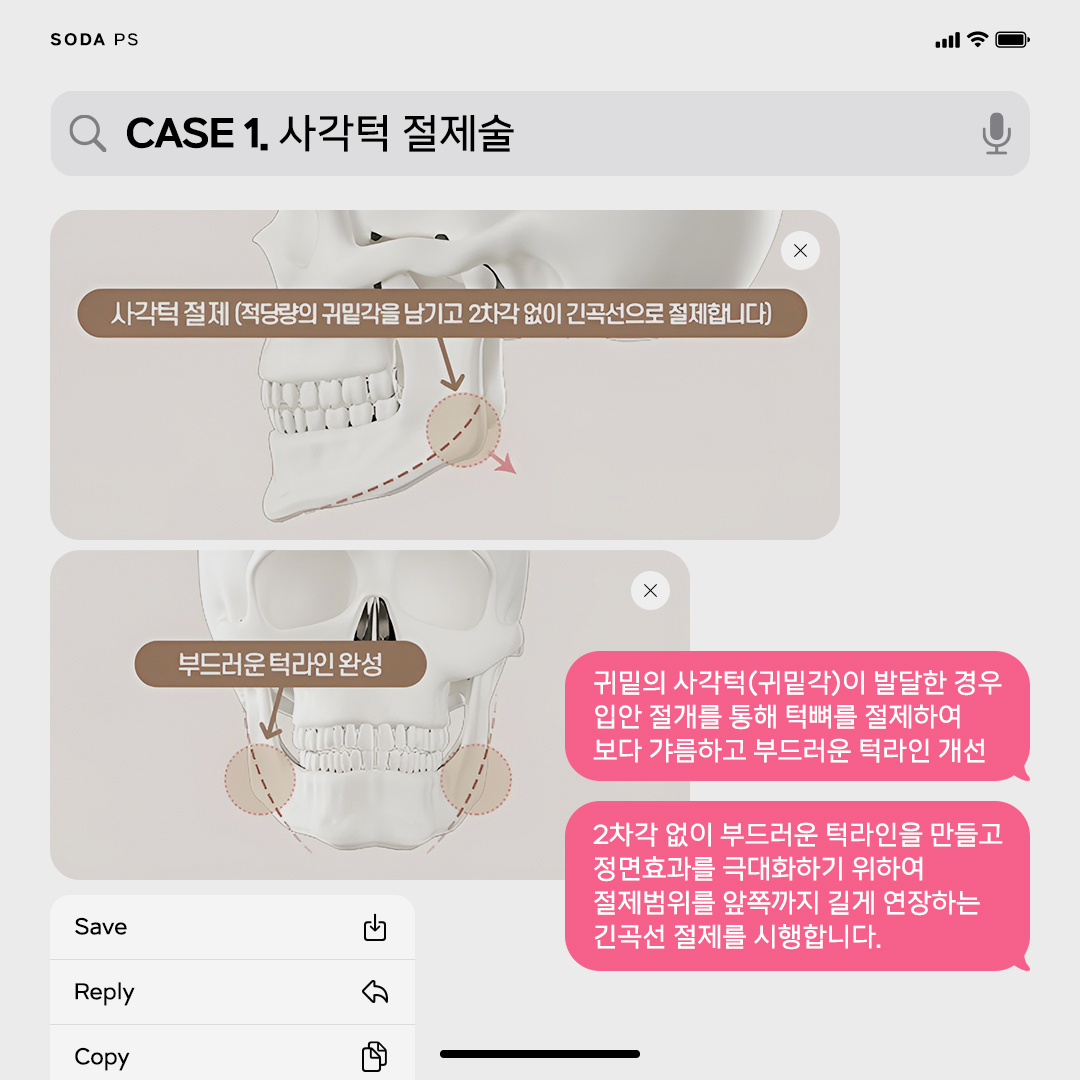
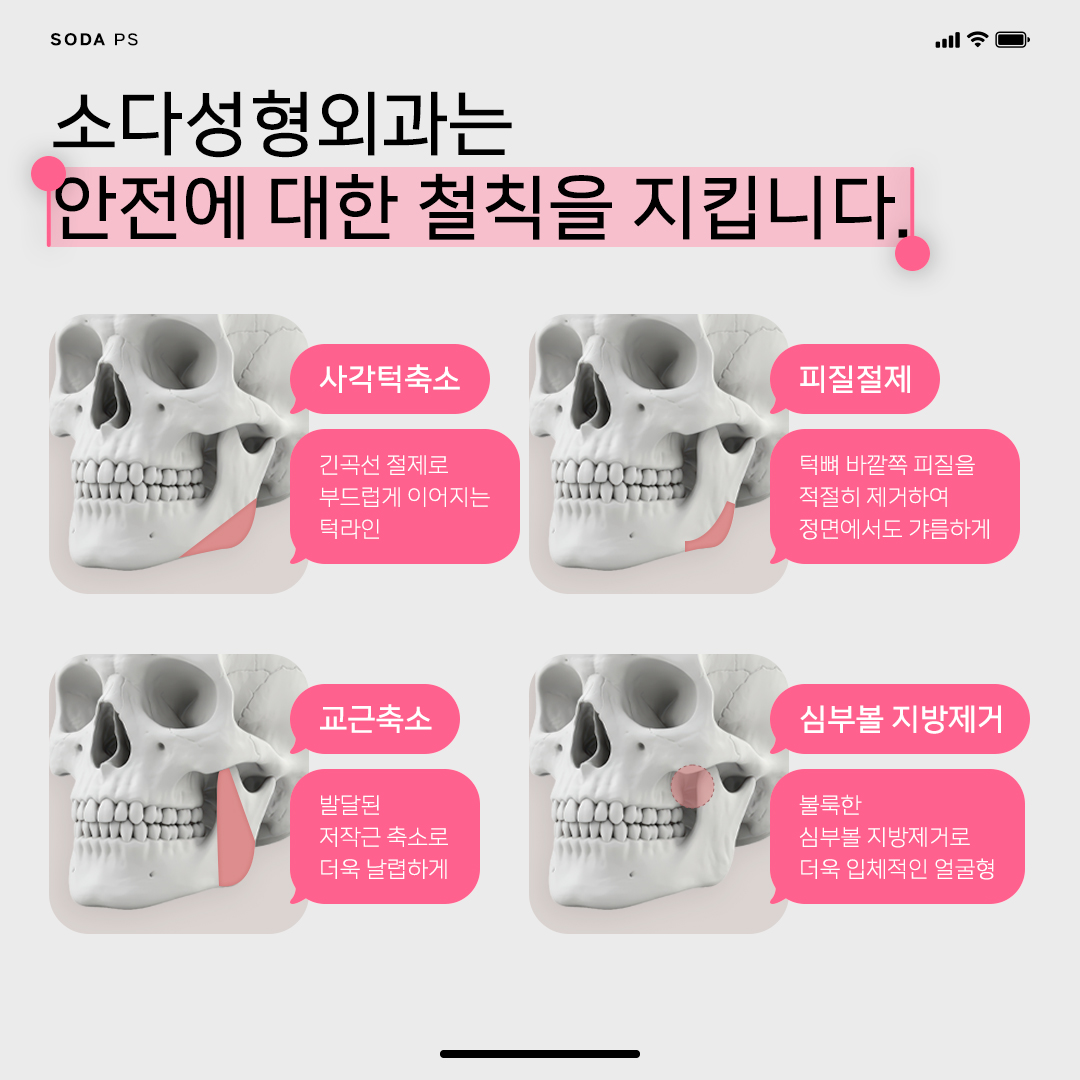
Square jaw reduction surgery is a bone contouring procedure focused on the mandibular angle and the lower border of the jaw. The goal is to reduce the width and sharpness of a square or heavy jawline and create a smoother, more tapered lower face.
In simple terms, surgeons access the jawbone from inside the mouth, reshape the angle where the jaw turns upward toward the ear, and may also refine the lower border that runs from the chin to the angle. This can soften a strong, square appearance and make the mouth and chin area look more balanced from the side.
There are different levels of square jaw surgery.

Simple angle shaving
This is a more limited procedure where only the most prominent corner of the jaw angle is shaved down. It mainly targets the back corner of the jaw, just in front of the ear. This can be suitable for people whose main concern is a slightly sharp angle, without a thick or wide lower border.
Extended jawline contouring
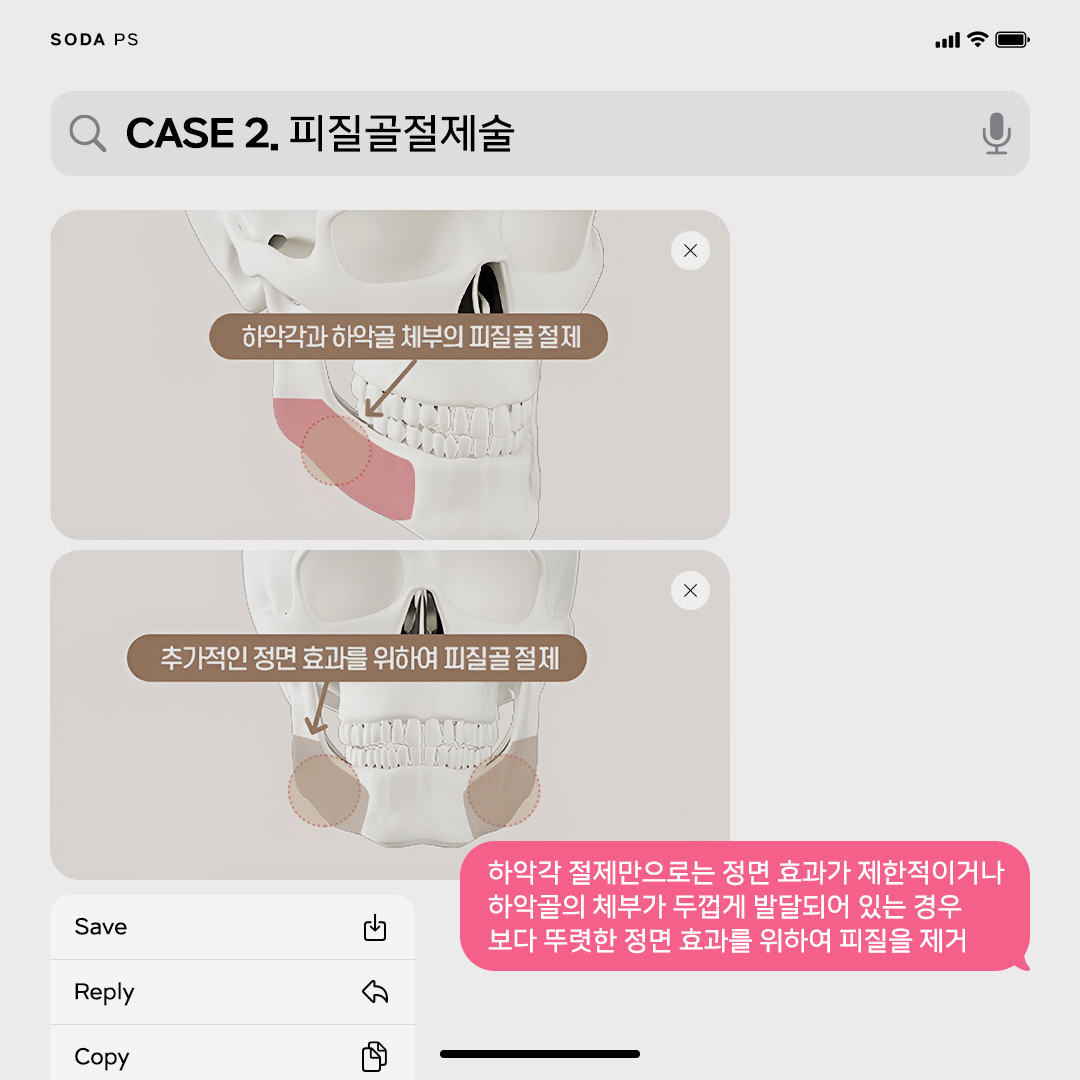
In extended cortical resection or full jawline contouring, the surgeon reshapes not only the angle but also the lower border of the jaw from the angle toward the chin. This is more comprehensive and can create a smoother, continuous line instead of a single shaved point. For patients who feel their entire lower face looks wide or heavy, this extended approach is often more relevant.
Square jaw reduction versus double jaw surgery
Square jaw reduction focuses on the outer shape of the lower jawbone. It changes the contour but does not reposition the upper and lower jaws in space.
Double jaw surgery, also called orthognathic surgery, is a different type of procedure. It repositions the upper and lower jaws to correct significant skeletal misalignment, such as a true bony protrusion of the mouth or a severe bite problem. This is usually planned with detailed bite analysis and long-term treatment plans.
For some people with a protruding mouth look, the main problem is the jaw shape and width, not a major jaw position problem. In those cases, square jaw reduction can soften the mouth area and side profile even if the bite is relatively acceptable.
When is square jaw surgery relevant for a protruding mouth look?
Not everyone who searches for protruding mouth surgery cost actually needs their jaws repositioned. Many have a complex lower face pattern where the jaw angle, jaw width, chin shape, and lip position all interact. Square jaw reduction becomes relevant when the lower face structure itself makes the mouth look more protruding than it really is.
Typical candidates
You may be a potential candidate for square jaw reduction in the context of a protruding mouth impression if:
You have a wide, square lower face that makes your lips look more forward in photos, even if your bite is not severely out of line.
Your mandibular angle is strong and the lower border of the jaw is thick, creating a heavy frame around the mouth and chin.
You have been told that simple dental alignment alone will not change the shape of your lower face or jawline.
Your side profile shows that the jaw angle and lower face width dominate the look more than the lips themselves.

When square jaw surgery is not the main solution
Square jaw reduction is not always the right answer. It may not be the main treatment if:
The issue is pure dental protrusion, where the front segment is clearly pushed forward compared with the rest of the face. In such cases, treatments that focus on repositioning or aligning the front segment may be more appropriate.
The main concern is soft tissue, such as lip posture, habits like mouth breathing, or muscle tension, without a significant bony imbalance.
There is a clear skeletal discrepancy that affects function and bite, where a more comprehensive jaw repositioning plan may be required.
Why imaging matters
From the outside, it can be hard to tell whether your protruding mouth look comes mainly from the jawbone, the front segment, or soft tissue. This is why imaging is essential.
CT scans and X-ray studies allow the surgeon to see:
The thickness of the jaw angle and lower border.
The position and length of the chin.
The relationship between the front segment and the rest of the face.
Any asymmetry between the left and right sides of the jaw.
With this information, the surgeon can explain whether square jaw reduction alone is likely to improve your profile, or whether it should be combined with other treatments.
Cost factors for square jaw surgery when you are worried about a protruding mouth
It is not responsible to quote a fixed price without examining your bone structure and imaging. Instead, it is more useful to understand what usually affects cost.
Surgical scope
Angle only versus full jawline: A limited angle shave is usually less complex than extended contouring that runs from the angle toward the chin. Extended contouring takes more time and planning and may influence the cost.
Jawline plus chin: If your chin is short, long, or off-center, the surgeon may recommend chin contouring or repositioning along with square jaw reduction. Combined procedures are usually priced differently from a single-area surgery.
Complexity of the case
Primary versus revision: Revision surgery after previous bone contouring is often more complex. Scar tissue, altered anatomy, or existing plates and screws can make the operation more demanding.
Asymmetry correction: If one side of your jaw is longer, thicker, or more angled than the other, the surgeon may need to perform more detailed contouring to create symmetry. This can affect operating time and cost.
Imaging and surgical planning
3D CT scans, cephalometric analysis, and digital planning tools help design a balanced jawline and predict how changes will affect your side profile. Clinics that invest in detailed planning may structure their pricing to include this work.
Anesthesia
This professional setup is reflected in the overall cost.
Hospital systems and safety equipment
complications (for example, drugs used to treat malignant hyperthermia may be available at some facilities). Availability and the exact set of devices or medications vary by clinic; confirm with any facility you consider what equipment and emergency medications they maintain and how they handle surgical emergencies. Clinics with more extensive infrastructure and emergency preparedness may have different cost structures than minimal setups.
Customization for protruding mouth concerns
When the goal is specifically to improve a protruding mouth impression, the surgery is rarely a simple, one-size-fits-all angle shave. The surgeon may tailor the contouring to your cheekbones, chin, and neck line so that the mouth area looks more balanced. This customization can make the procedure more complex than a standard angle reduction, and the cost may reflect that.
Treatment process overview for international patients
If you are considering traveling to Seoul, including areas such as Gangnam-daero in Seocho-gu, for square jaw reduction related to a protruding mouth concern, it helps to understand the typical treatment journey.
Pre-operative assessment
Initial online consultation: Before you book flights, many clinics offer online consultations. You can send front, 45-degree, and side-profile photos, along with any previous imaging if you have it. Explain what you dislike: for example, “From the side, my lips and mouth area look heavy,” or “My jawline looks very wide in photos.”
In-person consultation and imaging: Once in Korea, you will usually have CT and X-ray imaging. The surgeon will examine your jaw angle, lower border thickness, chin position, and the relationship of your front segment to the rest of your face.
Treatment planning: Based on these findings, the surgeon will discuss whether:
Square jaw reduction alone is suitable.
Square jaw reduction should be combined with chin contouring.
You may benefit from staged treatment, where one procedure is done first and another later.
Surgery steps in simple language
Incisions: For most square jaw reduction procedures, incisions are made inside the mouth along the lower gum area. This avoids visible scars on the skin.
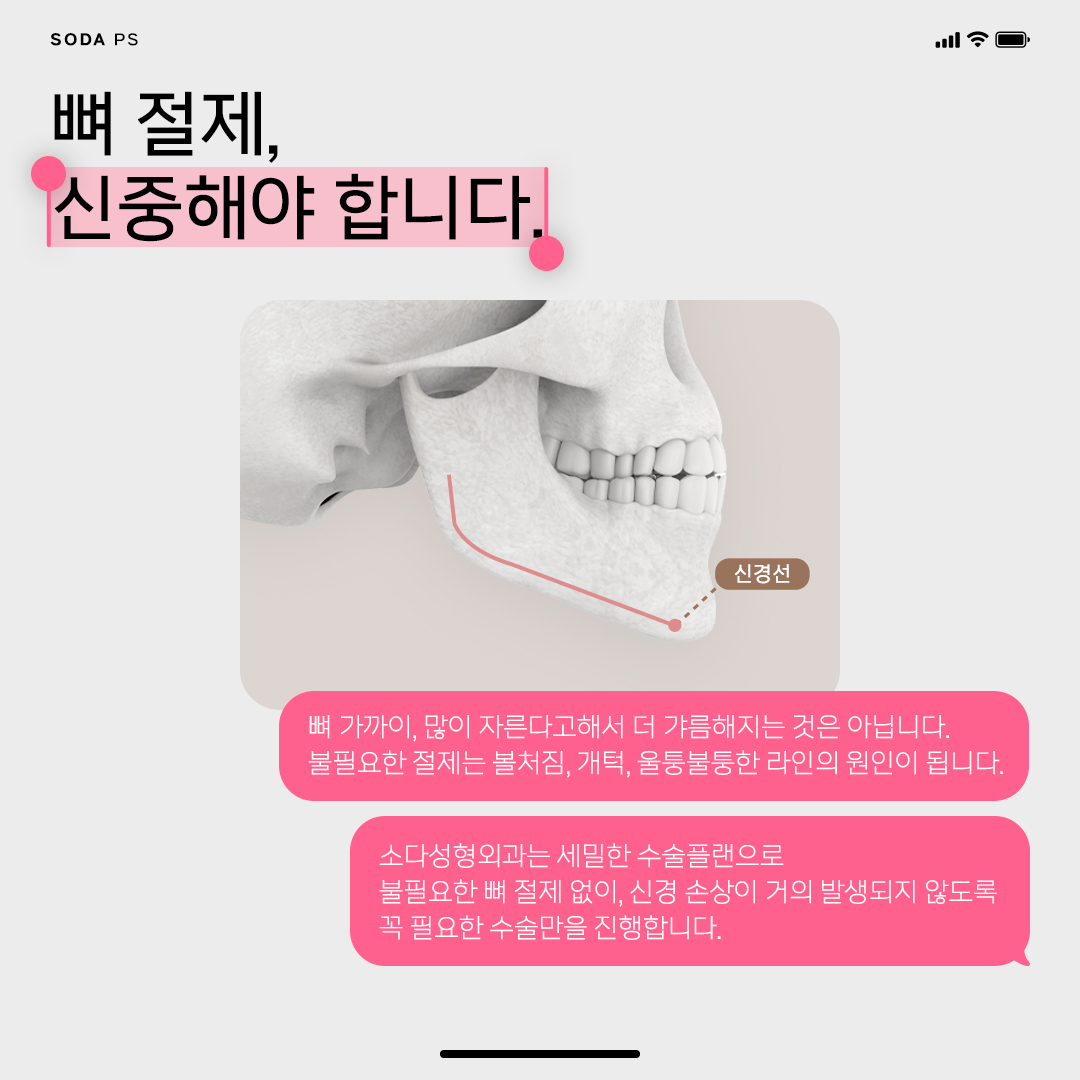
Bone contouring: Through these incisions, the surgeon exposes the mandibular angle and lower border. Using specialized tools, the surgeon reshapes the angle and, if planned, the lower border toward the chin. The goal is to follow the pre-planned design to create a smoother, more refined jawline.
Smoothing and checking: After the main resection, the surgeon smooths any irregularities to avoid a stepped or bumpy contour. The left and right sides are checked for balance.
Closure: The incisions inside the mouth are closed with sutures that usually dissolve over time.
Recovery basics
Swelling: Recovery varies. Swelling often peaks in the first week and generally decreases over time, but individual timelines differ. Some patients feel socially comfortable within 2–3 weeks, while others take longer; residual swelling can continue to improve for several months. Discuss your expected recovery timeline and follow-up plan with your surgeon so you have realistic expectations.

Numbness: Temporary numbness or altered sensation along the jawline or lower lip can occur because the surgery is near sensory nerves. This often improves gradually, but recovery speed varies.
Daily activities: Light daily activities are usually possible within a few days, depending on your general health and the extent of surgery. Strenuous exercise is typically delayed for several weeks.
Oral care and diet: Because incisions are inside the mouth, careful oral hygiene is important. Rinsing as instructed and avoiding hard or very chewy foods helps protect the surgical area. A soft diet is often recommended in the early period.
Follow-up: You will have follow-up visits to check healing, remove any remaining sutures if needed, and review post-operative imaging if it is part of the clinic’s protocol.
Who may consider square jaw reduction for a protruding mouth impression
You may consider this surgery if:
Your main concern is the overall lower face shape and width, rather than only the front segment.
Photos show that your jaw angle and lower border create a strong frame that makes the mouth area look heavy.
You have been advised that simple front-segment alignment alone will not significantly change your jawline.
You are willing to undergo bone surgery under general anesthesia and understand the associated recovery.
On the other hand, you may need a different approach if:
Your main problem is a clear front segment protrusion with a relatively narrow jawline.
You have significant functional issues with chewing or jaw joint pain that require a different type of planning.
You are not comfortable with the idea of bone contouring and prefer non-surgical or limited approaches, even if the change is smaller.
Online consultation and pre-visit preparation
Before you travel to Korea, it is helpful to prepare carefully so your consultation time is used efficiently.
Photos and medical information
Prepare clear photos: front, both 45-degree angles, and both full side profiles. Relax your face and lips in a natural position.
Write down your concerns: For example, “My mouth looks too forward from the side,” “My jaw looks too wide,” or “My chin looks small compared with my mouth.” This helps the surgeon understand what bothers you most.
Share your history: Mention any previous facial surgeries, injuries, or medical conditions. List any medications you take regularly.
Questions to ask during consultation
How much of my protruding mouth look is from the jawbone, and how much is from the front segment or soft tissue?
Will square jaw reduction alone significantly change my side profile, or do you recommend combining it with chin contouring or other treatments?
What kind of imaging will you use to plan my surgery, and can you show me how the jawline will change?
What is the expected recovery timeline for someone visiting from overseas, and how long should I stay in Korea after surgery?
What safety systems are in place during anesthesia and surgery?
Expected Korea visit timeline
While every clinic has its own schedule, a common timeline for international patients might look like this:
Day 1: In-person consultation, CT and X-ray imaging, detailed discussion of the plan, pre-operative tests.
Day 2 or 3: Surgery under general anesthesia, followed by monitoring in the clinic or hospital.
First week: Early recovery, swelling management, follow-up checks, and wound care instructions.
Second week: Additional follow-up, confirmation that you are safe to fly, and guidance for care after returning home.
Many patients stay in Korea for about 10 to 14 days after surgery, but this can vary based on the complexity of the procedure and individual healing.
Aftercare and long-term follow-up
After you return home, you will continue to heal over several months. It is important to:
Follow the clinic’s instructions on diet, exercise, and oral hygiene.
Monitor for any unusual symptoms such as persistent severe pain, fever, or sudden changes in sensation, and contact the clinic if they occur.
Send follow-up photos or imaging if the clinic requests them, so they can check your progress remotely.
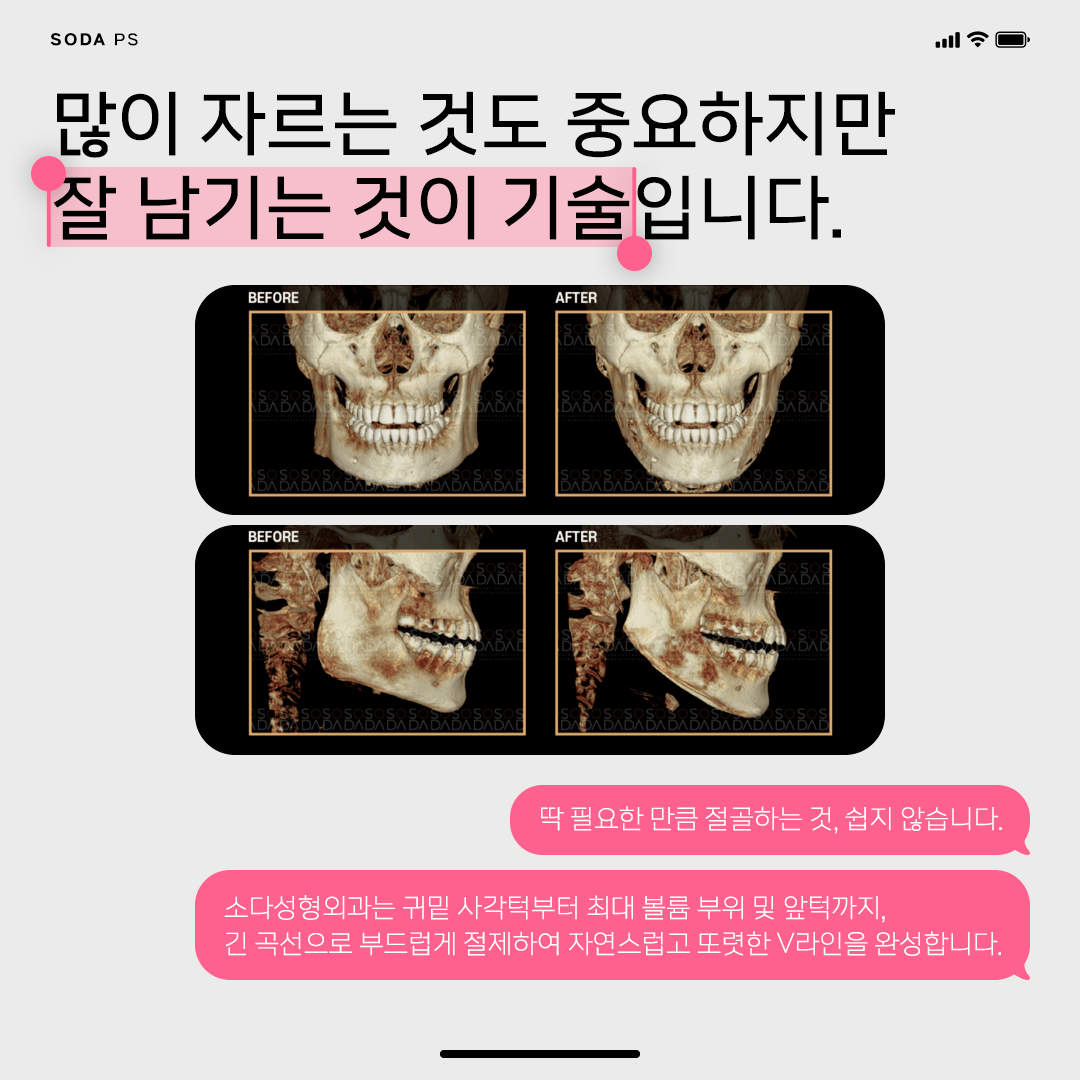
Some clinics provide before-and-after CT images for contour and revision cases. This can help both you and the surgeon objectively confirm the bone changes.
Safety and how to choose a clinic
When you compare clinics in areas like Gangnam-daero, Seocho-gu, consider the following points.
Focus on facial contouring
A clinic that regularly performs various facial contouring procedures, including jawline and revision surgeries, is more likely to have accumulated experience with complex jaw work. Look for a practice structure where facial contouring is a major field, rather than a rare or occasional procedure.
Surgeon background
Check whether the surgeon has experience leading or working in facial contour centers or large hospitals. Long-term experience with jaw contouring and complex cases can be a positive sign. Ask to see examples of similar case types, while understanding that individual results vary.
Anesthesia and safety system
Ask who will manage your anesthesia. A board-certified anesthesiology specialist dedicated to anesthesia care is an important safety factor.
Inquire about the safety system, such as:
Named operating surgeon system, so you know exactly who will operate on you.
Operating room CCTV, if the clinic uses it as part of transparency and safety.
Availability of emergency drugs such as dantrolene.
Uninterruptible power supply and central monitoring systems.
Gas leak alarms and other equipment to maintain a safe environment.
Objective evaluation tools
Clinics that use before-and-after CT imaging for contour and revision cases show that they value objective assessment of bone changes. This can help ensure that the planned contour was actually achieved.
Managing expectations about results and cost
Improving a protruding mouth impression through square jaw reduction is not about making the jaw as small as possible. It is about achieving balance between the jawline, chin, lips, and the rest of the face.
Over-resection of the jawbone can lead to functional issues, such as weakness or discomfort, and may create an aged or unnatural look. A safe, balanced design is more important than aggressive bone removal.
When you discuss cost, remember that:
A plan tailored to your bone structure and profile may cost more than a simple, standardized angle shave, but it is more likely to match your goals.
Sometimes a staged approach is recommended, where one treatment is done first and another later. While this can spread costs over time, it also requires long-term planning.
How to communicate your goals clearly
Ask specifically:
How will the proposed jaw contouring change my side profile and the way my mouth looks from the front and side?
What are the realistic limits in my case, and what changes might not be possible or safe?
What is the range of possible outcomes, and how might swelling and soft tissue adaptation affect the final look over time?
FAQ about protruding mouth surgery cost and square jaw reduction
Is square jaw surgery enough to fix a protruding mouth look?
In some patients, yes. If your protruding mouth impression is mainly caused by a wide, strong jaw angle and thick lower border, square jaw reduction can significantly soften your profile. However, if the main problem is a true front segment protrusion or a major jaw position issue, jawline contouring alone may not be sufficient. Imaging and a face-to-face consultation are necessary to decide whether square jaw surgery alone, or in combination with other treatments, is more appropriate.
Why do cost estimates for protruding mouth correction vary so much between clinics?
The term protruding mouth surgery covers many different situations, from simple jaw angle shaving to complex combined facial contouring and staged treatment plans. Costs vary based on the extent of bone contouring, whether the chin or other areas are included, the complexity of the case, and the clinic’s safety and anesthesia systems. Clinics that use detailed imaging, 3D planning, and have robust safety structures may have different pricing than clinics that offer only basic procedures.
How can CT imaging change the surgical plan and price for square jaw reduction?
CT imaging shows the true thickness and shape of your jawbone, as well as any asymmetry or previous changes. Sometimes, what looks like a simple square jaw from the outside turns out to involve a thick lower border, uneven angles, or a chin that needs adjustment. In these cases, the plan may shift from a limited angle shave to extended contouring or combined chin work, which can change both the surgical steps and the cost. Imaging helps the surgeon avoid under- or over-correction and supports a more precise quote.
What are the main risks of square jaw surgery, and how does a safety system help reduce them?

Main risks include swelling, bruising, temporary or sometimes longer-lasting numbness, infection, and asymmetry. Because the surgery is performed under general anesthesia, there are also anesthesia-related risks. A structured safety system with a dedicated anesthesiology specialist, continuous monitoring, emergency drugs, and reliable power and gas systems helps manage these risks. Clear protocols, careful planning, and experienced surgical and anesthesia teams all contribute to safer surgery.
How long does swelling last, and when will I see the final change in my mouth and jawline?
Swelling is usually most intense in the first week after square jaw surgery and then gradually decreases over the next several weeks. Many patients feel comfortable returning to daily social activities after about two to three weeks, depending on individual healing. However, subtle changes and refinement of the jawline can continue for several months as swelling fully settles and soft tissues adapt. The final contour is often assessed around six months to one year after surgery.
Soft call to action
If you are considering traveling to Seoul, including areas such as Gangnam-daero in Seocho-gu, to address a protruding mouth and square jawline, an online consultation is a practical first step. By sharing your photos, concerns, and any previous imaging, you can receive a more personalized explanation of whether square jaw reduction is suitable for you, what kind of changes are realistic, and how the treatment schedule and costs might look in your case.
Use this guide as a checklist for questions to ask and points to compare between clinics, and always prioritize safety, clear communication, and realistic planning over headline prices alone.


- 공유 링크 만들기
- X
- 이메일
- 기타 앱


댓글
댓글 쓰기