Revision cheekbone reduction surgery in Seoul for secondary facial contouring
- 공유 링크 만들기
- X
- 이메일
- 기타 앱
Direct answer summary
Revision cheekbone reduction—also called revision zygoma contouring or cheekbone revision—is a secondary operation performed after an earlier cheekbone or other facial bone procedure. Common reasons for revision include visible asymmetry, over- or under-reduction, step-like irregularities, or functional complaints such as discomfort or difficulty chewing. Because the bone has already been cut and healed, revision surgery is generally more complex than the initial operation and typically requires careful imaging, detailed planning, and a realistic discussion of which issues can be improved and which limitations remain.
In the Gangnam-daero area of Seocho-gu in Seoul, some clinics focus on facial contouring and revision procedures and receive overseas patients who are unhappy with the result of their first cheekbone surgery and are looking for a structured, cautious approach to revision.
What revision cheekbone reduction surgery is
Revision cheekbone reduction surgery is a secondary facial contouring procedure performed on the zygoma (cheekbone) after a previous cheekbone reduction or other facial bone operation such as jaw or double-jaw surgery. The goal is not simply to repeat the first surgery, but to re-analyze the current bone structure, fixation plates and screws, and soft tissue condition, and then design a plan to restore better facial balance and function.

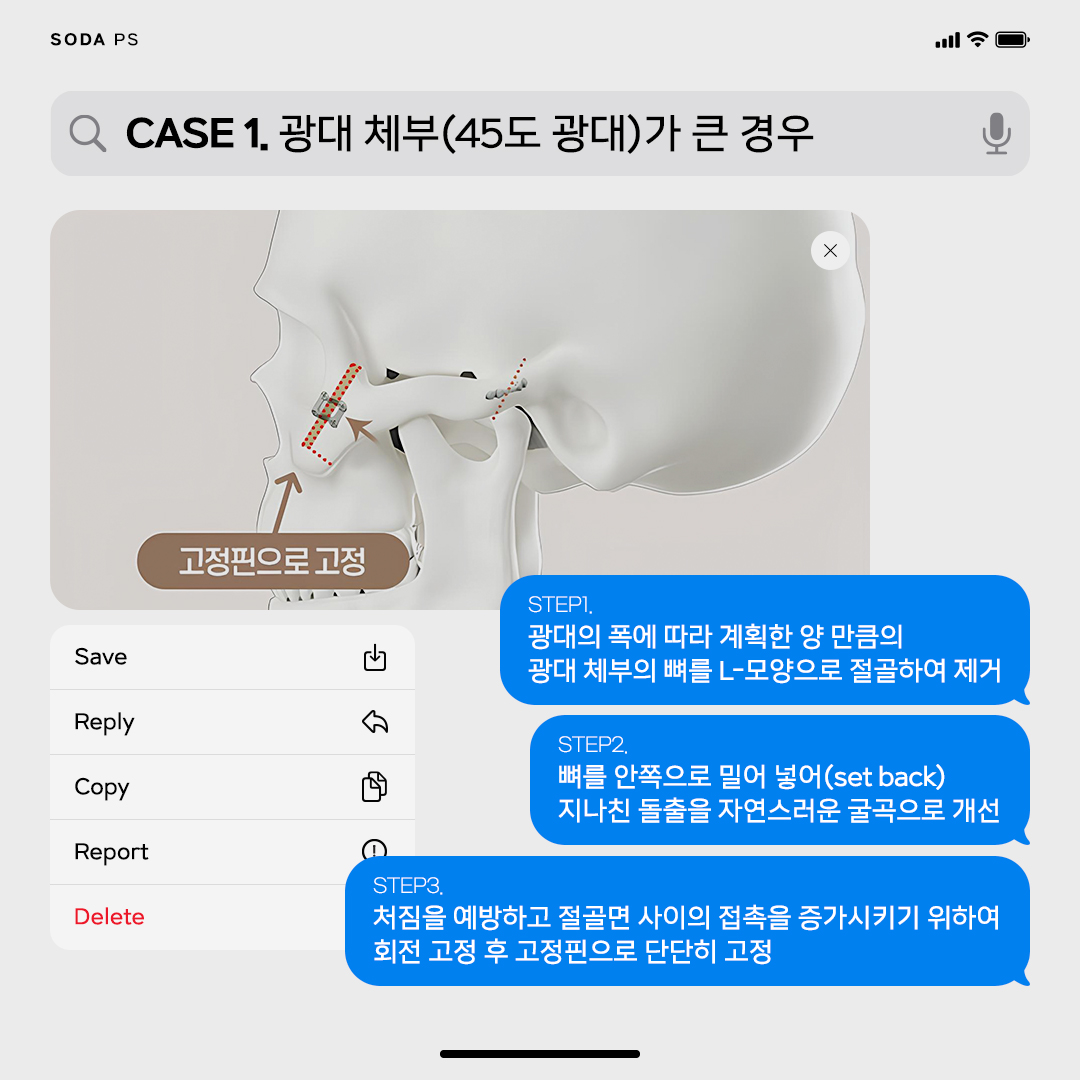
In revision zygoma surgery, the surgeon may remove old plates and screws, re-cut and reposition parts of the cheekbone, smooth step deformities, or adjust projection so that the midface looks more harmonious from the front, side, and 45-degree angles. In some cases, the focus is mainly on plate removal and contour smoothing; in others, a full repositioning of the cheekbone complex is needed.
Who may consider revision cheekbone reduction
People usually start searching for revision cheekbone reduction when they feel that something is wrong with the shape or function of their face after the first surgery. Common reasons include aesthetic, functional, and psychological aspects.
Aesthetic concerns that may lead to cheekbone revision
Typical aesthetic issues after primary cheekbone surgery include:
Asymmetry between left and right cheekbones, noticeable from the front or 45-degree view.
Over-reduction, where the midface looks sunken or aged, with hollow cheeks and loss of three-dimensionality.
Under-reduction, where the face still looks wide from the front or diagonal angle, and the cheekbones remain prominent, especially when smiling.
Step deformity, a visible or palpable step where the bone was cut and fixed, sometimes seen as a line or bump in certain lighting.
Unnatural contour from the front, side, or 45-degree angle, with disharmony between the cheekbone, jawline, nose, and forehead.
Functional and structural issues
Some patients also experience functional or structural problems such as:
Pain or discomfort around plates and screws, especially in cold weather or when touching the area.
Clicking, tightness, or discomfort when chewing, yawning, or making strong facial expressions.
Sensory changes such as numbness or tingling in the cheek area. Mild changes can sometimes improve over time, but long-standing or severe symptoms should be evaluated.
Psychological impact and expectations
An unnatural facial line or persistent dissatisfaction after surgery can affect confidence and social life. At the same time, it is important to recognize that no face is perfectly symmetrical and that revision surgery also has limits. Before deciding on revision cheekbone reduction, patients should carefully consider their expectations, discuss them openly with the surgeon, and understand which issues are realistically improvable and which may only be partially corrected.
Assessment and candidacy for revision cheekbone surgery
Because revision facial contouring is high-difficulty surgery, thorough assessment is essential before any decision.
Consultation and clinical examination
During consultation, the surgeon will usually:
Ask in detail what specifically bothers you: from which angle, in which expressions, and whether it is mainly a shape or function issue.
Examine facial proportions, soft tissue thickness, skin elasticity, and scar condition inside the mouth or along previous incisions.
Check for tenderness, palpable steps, or irregularities along the cheekbone arch.
Imaging and structural analysis
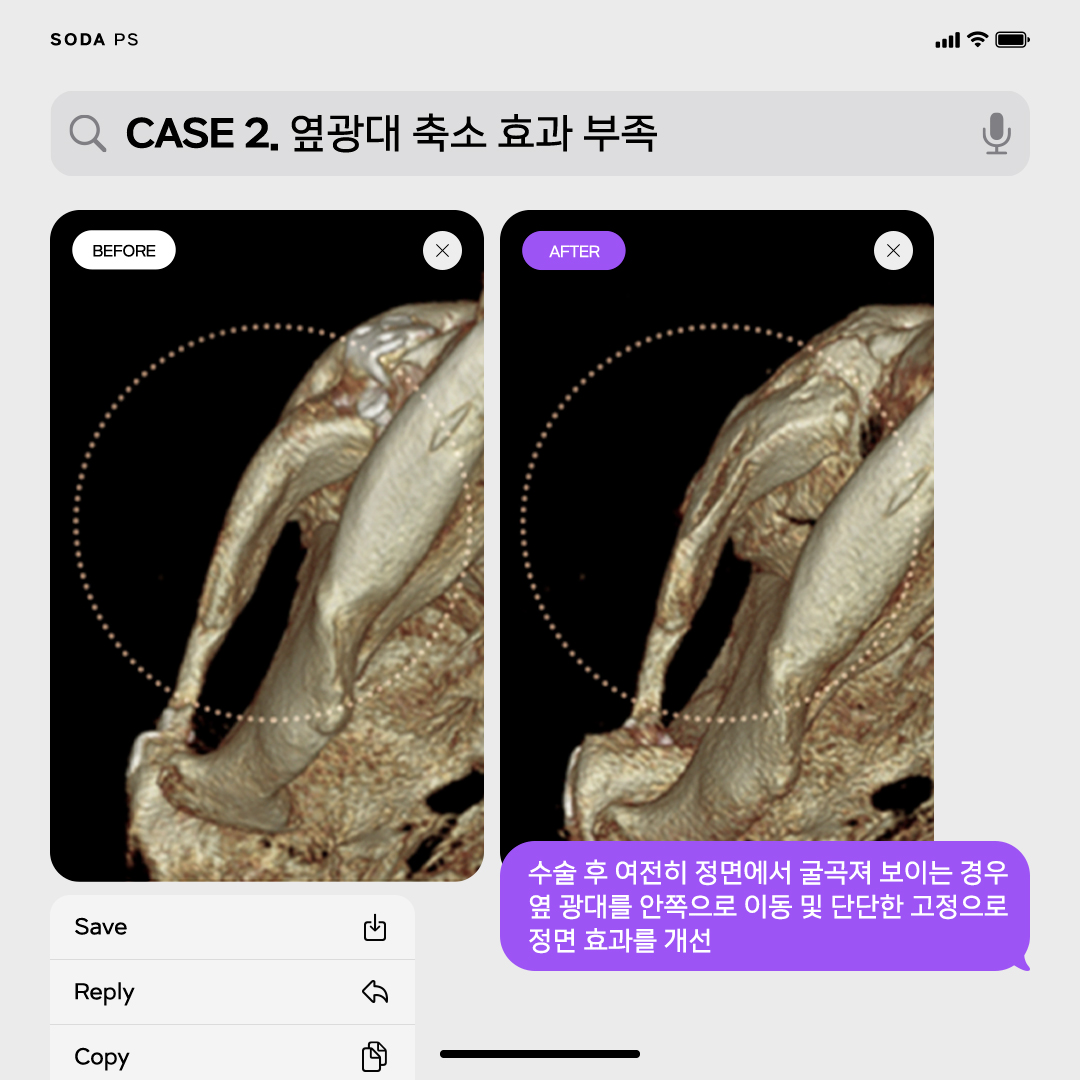
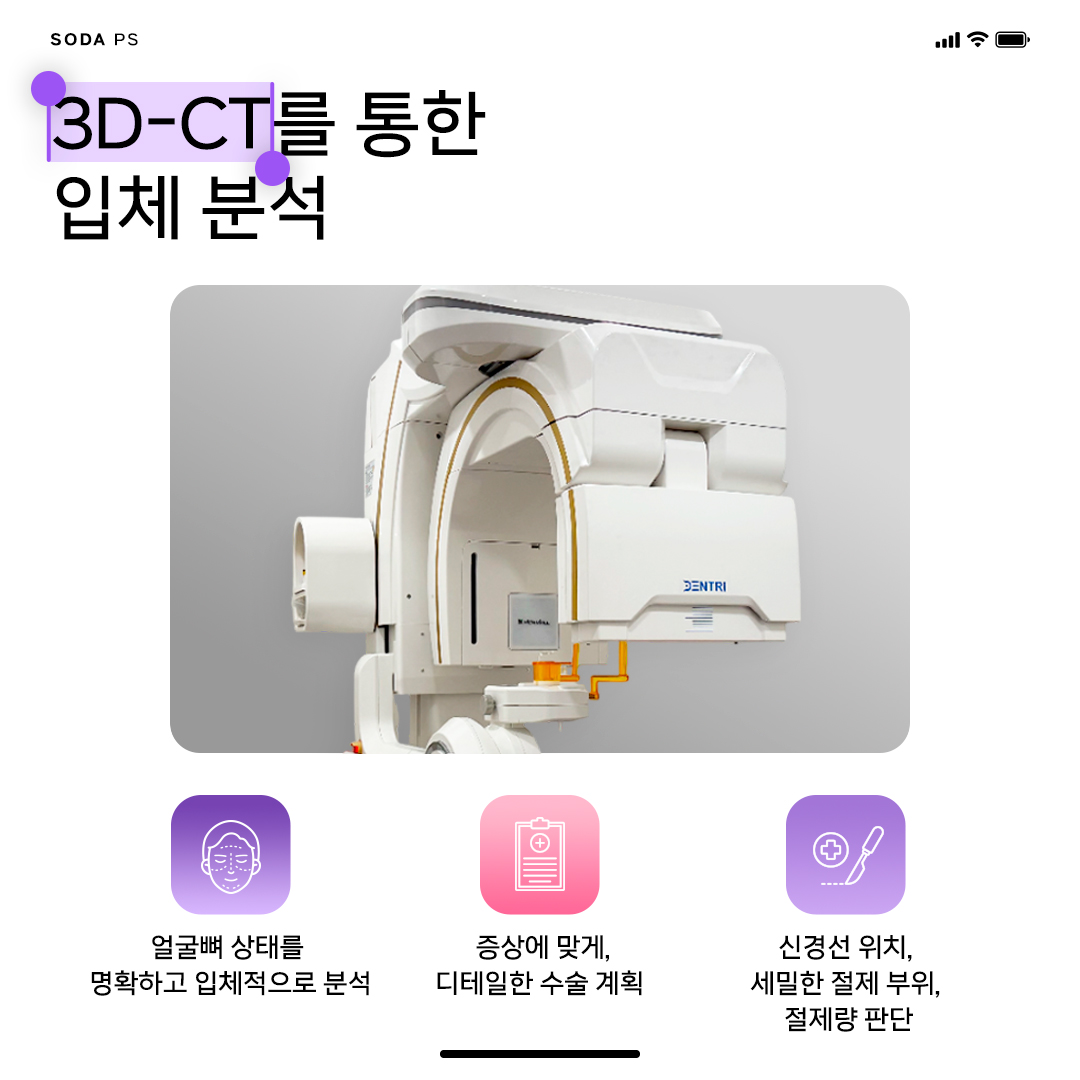
CT scans are a key part of revision zygoma evaluation. They help to:
See the current shape and position of the cheekbone.
Identify previous osteotomy lines (where the bone was cut) and how the bone has healed.
Locate fixation plates and screws and see whether they interfere with possible new positioning.
Evaluate the relationship between the cheekbone, maxilla, and surrounding structures such as the infraorbital nerve.
In the Gangnam-daero area of Seocho-gu, some facial contouring clinics may present CT-based before-and-after images for revision and plate removal cases. For overseas patients, these can be useful if evaluated properly. rather than isolated examples. These steps help you assess how the clinic documents bone-level changes in addition to surface photos.
Timing and general health
This allows swelling to resolve and bone healing to stabilize, so that the surgeon can accurately judge the true contour and safely re-operate if needed.
Candidacy also depends on overall health and ability to undergo another general anesthesia. Patients with chronic illnesses or on long-term medications may need additional clearance from their local doctor before traveling.
When non-bony options may be better
Not every problem after cheekbone reduction requires full revision osteotomy. In some cases, minor asymmetry, mild hollowness, or soft tissue sagging can be improved with non-bony procedures such as fat grafting, fillers, or lifting. A careful surgeon will explain when these options are more appropriate than re-cutting the bone, especially if the underlying bone structure is already stable and reasonably balanced.
How revision cheekbone surgery is generally performed
The exact method of revision cheekbone reduction depends heavily on how the first surgery was done and what the current problems are. However, the general approach can be described in broad steps.
Removal of previous plates and screws
If fixation plates and screws are causing discomfort or are located where new bone movement is needed, they may be removed during revision. Plate removal alone can sometimes relieve localized pain or tightness, but it usually does not dramatically change the overall face shape unless combined with additional bone work.
Re-cutting and repositioning the cheekbone
If the cheekbone position itself needs correction, the surgeon may perform a new osteotomy, meaning re-cutting part of the cheekbone so it can be moved. Depending on the problem, this may involve:
Bringing an over-reduced cheekbone slightly outward or downward to restore volume and three-dimensionality.
Moving an under-reduced or still-wide cheekbone inward or backward to narrow the facial width.
Rotating or shifting the bone to correct asymmetry between the two sides.
Smoothing step deformities and irregular edges to create a more continuous contour.

Adjusting projection and harmony with other facial structures
During secondary cheekbone contouring, the surgeon aims to harmonize the midface with the jawline, chin, nose, and forehead. The 45-degree view is especially important, as many patients notice problems most clearly from this angle. The goal is to achieve a smoother line from the temple through the cheekbone to the jaw, without abrupt steps or flat, collapsed areas.
Ensuring stable fixation
After repositioning, the cheekbone must be fixed securely in the new position, usually with plates and screws or other fixation methods. Stable fixation is important to reduce the risk of relapse, shifting, or new irregularities. Because the bone has already been operated on once, preserving remaining bone strength and soft-tissue support is a key part of planning.
Different levels of revision
Some patients only need plate removal and contour smoothing. Others require full repositioning of the cheekbone complex. The decision is based on CT findings, physical examination, and the patient’s goals. A responsible clinic will explain which level of intervention is truly necessary and avoid overly aggressive surgery when a more conservative approach is safer.
Risks, difficulty, and realistic expectations
Revision cheekbone surgery is inherently more complex than primary cheekbone reduction. Patients should understand the reasons and the potential risks.
Why revision is more difficult
The bone has already been cut and healed in a new position, which can limit how much it can safely be moved again.
Scar tissue may be present around the bone and soft tissues, making dissection more challenging.
Blood supply and nerve pathways may be altered, so the tissues can be more vulnerable.
Potential risks and side effects
As with any facial bone surgery, revision zygoma surgery can involve:
Swelling and bruising, usually most noticeable in the first one to two weeks.
Temporary numbness or altered sensation in the cheek or upper lip area.
Prolonged or, in some cases, permanent sensory changes.
Residual asymmetry or contour irregularity, even after careful planning.
Need for additional minor procedures, such as fat grafting or soft-tissue refinement, to optimize the final appearance.
Importance of honest communication
Because of these factors, it is crucial to have an honest discussion with the surgeon about what can realistically be improved and what cannot be fully corrected. Safety and function, including chewing and nerve health, should be prioritized over aggressive cosmetic change.
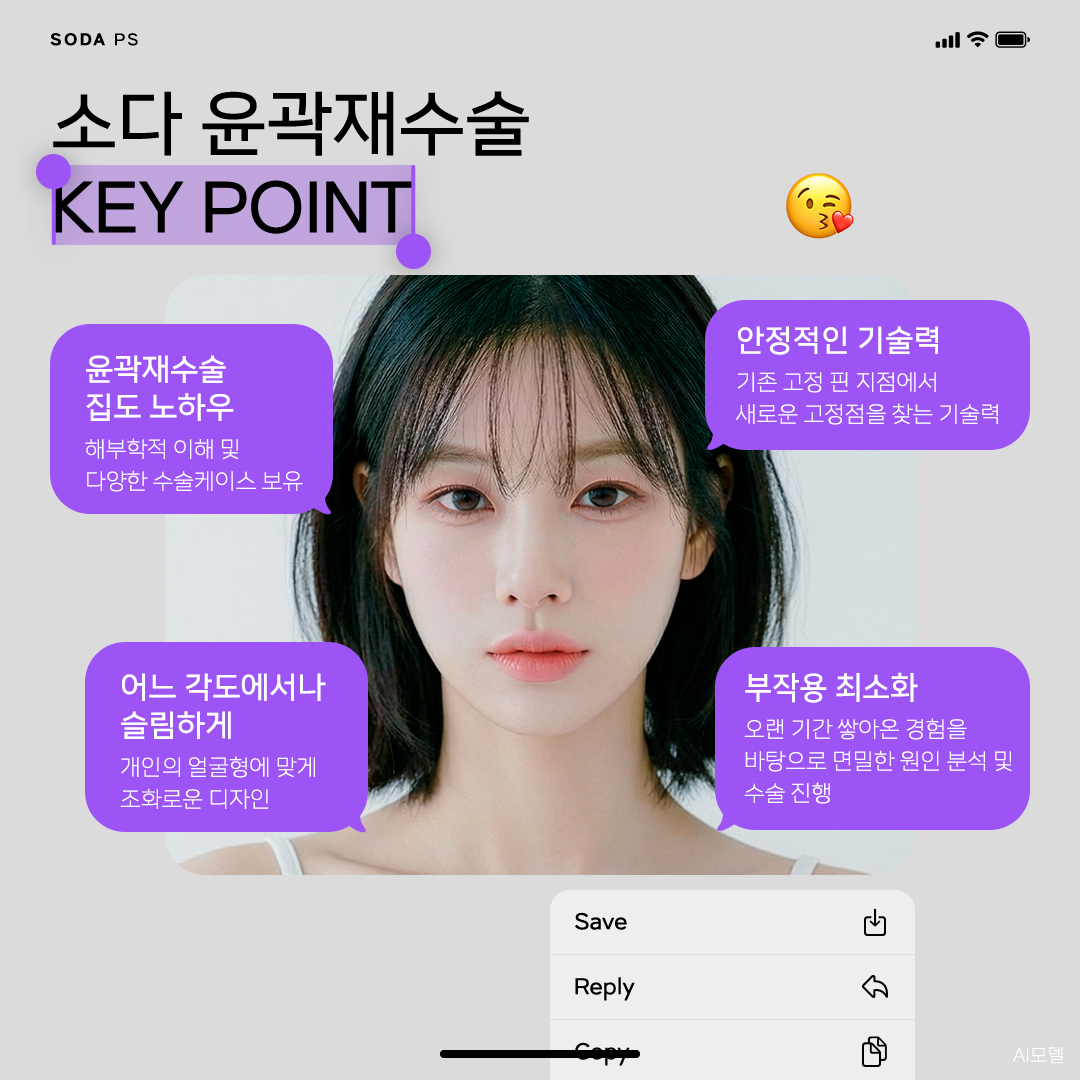
Choosing a surgeon who regularly handles facial contouring revisions, not only primary cases, can be helpful. In Seoul’s Gangnam-daero area, there are clinics whose treatment lineup is focused on facial contouring and contouring revision, including cheekbone, jaw angle, V-line, mini V-line, chin, and forehead reduction.
Clinic positioning and safety system in Gangnam-daero, Seocho-gu
Some facial contouring centers in the Gangnam-daero area focus on contouring and revision procedures. Clinics may employ surgeons with prior hospital or fellowship experience; when evaluating a surgeon for complex revision cheekbone cases, patients should verify the surgeon’s credentials and clinical background directly (for example, by requesting professional profiles or institutional affiliations). Such experience can be relevant for cases that require detailed CT analysis and careful planning.
Some clinics may share CT-based before-and-after case examples for revision and plate removal to illustrate how bone-level changes correspond to external contours. These examples can be informative, but they do not guarantee individual results; patients should view such materials critically and confirm that appropriate documentation and patient consent are in place.

Rather than assuming the presence of specific equipment or medications, patients should ask clinics directly about anesthesia staffing, monitoring systems, emergency preparedness, and any relevant accreditation or safety policies.
Online consultation and pre-visit preparation for overseas patients
For international patients considering revision cheekbone reduction in Seoul, a well-prepared online consultation is very important.
What to prepare before online consultation
Before contacting a clinic, it is helpful to prepare:
Previous medical records, including operation notes if available.
Any CT scans, X-rays, or 3D imaging from your first surgery, preferably in a format that can be shared online.
Recent photos of your face from the front, both sides, and 45-degree angles, both at rest and while smiling.
A clear list of what you dislike about your current result, separated into shape issues (for example, wide from the front, flat from the side) and functional issues (for example, pain, numbness, chewing discomfort).
Questions to ask during consultation
During online consultation, you may want to ask:
Whether your main problems seem related to bone position, soft tissue, or both.
If plate removal alone could help, or if full repositioning of the cheekbone is likely needed.
How the surgeon plans to use CT imaging to analyze your case.
What degree of improvement is realistic, and what limitations they foresee.
Expected length of stay in Korea and approximate recovery milestones.
A clinic that is comfortable with complex revision cases will usually explain when revision is not advisable, for example if the risk is high compared with the expected benefit, or if the issue is very minor and better handled with non-surgical options.
Expected Korea visit timeline for revision cheekbone surgery
The exact schedule will vary by clinic and by the complexity of the case, but the following is a general outline for overseas patients.
First days: in-person consultation and imaging
After arrival in Seoul, you will usually have an in-person consultation and CT imaging. The surgeon will compare the new CT with your previous records, confirm the plan, and discuss details such as incision approach, fixation, and whether any additional procedures are recommended.
Surgery day
Revision cheekbone surgery is typically done under general anesthesia. You will spend some time in the recovery area afterward and may stay in the clinic for monitoring depending on the clinic’s policy and your condition.
First week after surgery
Swelling and bruising are usually most intense in the first few days. Follow-up visits are scheduled to check the incision sites, manage swelling, and monitor for any early complications. Many patients are advised to stay on a soft diet during this period to protect the bone and fixation.
Second week and beyond
Swelling gradually decreases, and bruising fades. Stitches inside the mouth, if used, may dissolve or be removed according to the clinic’s protocol. Some patients can travel back home about 10 to 14 days after surgery, but this depends on the complexity of the procedure and the surgeon’s advice.
After returning home, you may have online follow-up consultations and possibly repeat imaging at a later stage to confirm bone stability.
Recovery and aftercare overview
Recovery after revision cheekbone reduction is individual, but some general points apply to many patients.
Early recovery
Expect noticeable swelling and some bruising for one to two weeks, with gradual improvement. Pain is usually manageable with prescribed medications. A soft diet is often recommended for a period to minimize stress on the cheekbone area while it heals.
Activity and lifestyle
Most clinics advise avoiding strong chewing, smoking, and alcohol during the early healing period, as these can affect bone healing and swelling. Strenuous exercise is usually postponed for several weeks, and you should follow your surgeon’s specific instructions.
Follow-up and long-term changes
Regular follow-up visits are important to monitor healing, check for any signs of infection or instability, and adjust aftercare as needed. In some cases, additional imaging is performed to confirm that the bone is stable in its new position.
The facial contour continues to refine over several months as swelling fully resolves and soft tissues adapt to the new bone structure. Some patients may later benefit from individualized post-operative care such as swelling management, skin treatments, or soft-tissue procedures, but only after the surgeon confirms it is safe.
FAQ about revision cheekbone reduction surgery
When is the right time to consider revision after cheekbone surgery?
In general, it is advisable to wait at least 6 to 12 months after your first cheekbone surgery before seriously considering revision. This allows swelling to subside and the bone to heal fully, so that both you and the surgeon can see the true final contour. In cases of severe functional problems or complications, earlier evaluation may be needed, but the timing of any re-operation should be decided carefully with your surgeon.
Can over-reduced cheekbones be rebuilt or only partially improved?
Over-reduced cheekbones can sometimes be improved by repositioning the existing bone or combining bone work with soft-tissue procedures such as fat grafting. However, the degree of restoration depends on how much bone was removed in the first surgery, the current bone shape, and the condition of the surrounding soft tissues. In many cases, improvement is possible but may not fully recreate your original cheekbone structure. A CT-based evaluation is essential to understand what is realistically achievable.
Is plate removal alone enough to change the face shape?
Plate removal alone can relieve localized discomfort, tightness, or sensitivity if these symptoms are related to the hardware. However, it usually does not significantly change the overall face shape, because the bone has already healed in its current position. Noticeable contour changes typically require repositioning the bone itself. During consultation, the surgeon will explain whether your concerns are likely to improve with plate removal only, or if a more extensive revision is needed.
How long until I can see the final result after revision cheekbone surgery?
For this reason, surgeons often recommend waiting several months before judging the final result or considering any further procedures.
Is revision cheekbone surgery more dangerous than the first surgery?
Revision cheekbone surgery is generally more complex than a first-time operation because the bone has already been cut and healed, and there may be scar tissue and altered anatomy. This can increase technical difficulty and certain risks. However, with careful planning, detailed imaging, and an experienced facial contouring revision surgeon, many patients undergo revision safely. A well-structured safety system, including specialist-led anesthesia and emergency preparedness, also plays an important role. It is still important to understand that no surgery is without risk and to weigh potential benefits against those risks.
Soft call to action for online consultation
If you are an overseas patient considering revision cheekbone reduction in Seoul and feel uncertain about your current facial contour, an online consultation can be a practical first step. By sharing your previous records, CT scans, and photos, you can receive a more personalized assessment of whether revision zygoma surgery, plate removal, or non-bony options might be appropriate for you.
A calm, thorough discussion with a clinic experienced in facial contouring revision in the Gangnam-daero area of Seocho-gu can help you understand your options, set realistic expectations, and plan your visit to Korea if you decide to proceed.



댓글
댓글 쓰기