Short or recessed chin? Chin augmentation surgery in Seoul for a more balanced profile
How chin augmentation in Seoul can help with a short or recessed chin
If you are looking for chin augmentation in Seoul because your chin feels short or recessed, this guide will help you understand your options. Chin augmentation (also called surgery for a short or recessed chin) is a procedure that brings the lower face into better balance with the rest of the features. Along Gangnam-daero in Seocho-gu, facial contouring clinics design the chin in harmony with the forehead, nose, lips, and jawline. Depending on your bone structure, this may involve moving the chin bone itself (sliding genioplasty), placing a chin implant, or combining chin work with other jawline contouring. For international patients, it is important to understand the options, safety systems, expected recovery, and how to prepare your visit to Korea.
What is a short or recessed chin
A short or recessed chin means the chin sits too far back or is too small compared with the nose, lips, and jawline. From the side, the lower face can look weak or set back. From the front, the face may appear rounder and less defined.
People with this concern often notice that their chin looks flat or pushed back in profile photos. The jawline is not clearly separated from the neck, and a double chin can look more prominent even in relatively slim people. The side profile may feel unbalanced, with more attention drawn to the nose or mouth.
In many cases this is mainly a skeletal or proportional issue, not just a matter of skin, fat, or muscle. Skincare, weight loss, or facial exercises cannot move the chin bone forward, so they usually do not solve the underlying problem.

A short chin can also appear together with other facial contour issues, such as a wide jaw angle or prominent cheekbones. Because of this, a good clinic does not look at the chin in isolation. Instead, the entire lower face and midface are evaluated to see how each part contributes to overall harmony.
Chin augmentation and short chin correction
Chin augmentation is a facial contouring procedure that adds projection, length, or width to the chin to create a more balanced lower face and side profile. The goal is not simply to make the chin bigger, but to design a chin that suits your unique facial proportions.
There are three main approaches commonly used in Seoul facial contouring clinics.
Sliding genioplasty
In sliding genioplasty, the surgeon makes an incision, usually inside the mouth, and carefully cuts the lower part of the chin bone. This bone segment is then moved forward, and sometimes slightly up or down, depending on the design. It is fixed in its new position with small plates and screws.
This method uses your own bone, so it can be very useful when a significant forward movement or vertical adjustment is needed. It also allows fine-tuning of the chin shape and can be combined with contouring of the lower jaw.
Chin implant surgery
Chin implant surgery involves placing a specially shaped implant on the front of the chin bone to add projection or width. The incision may be inside the mouth or under the chin, depending on the case and the surgeon’s preference.
Implants can be helpful when moderate enhancement is needed and the underlying bone structure is otherwise stable. The implant is chosen and shaped to match your facial proportions and is fixed securely to the bone.

Combination and jawline contouring
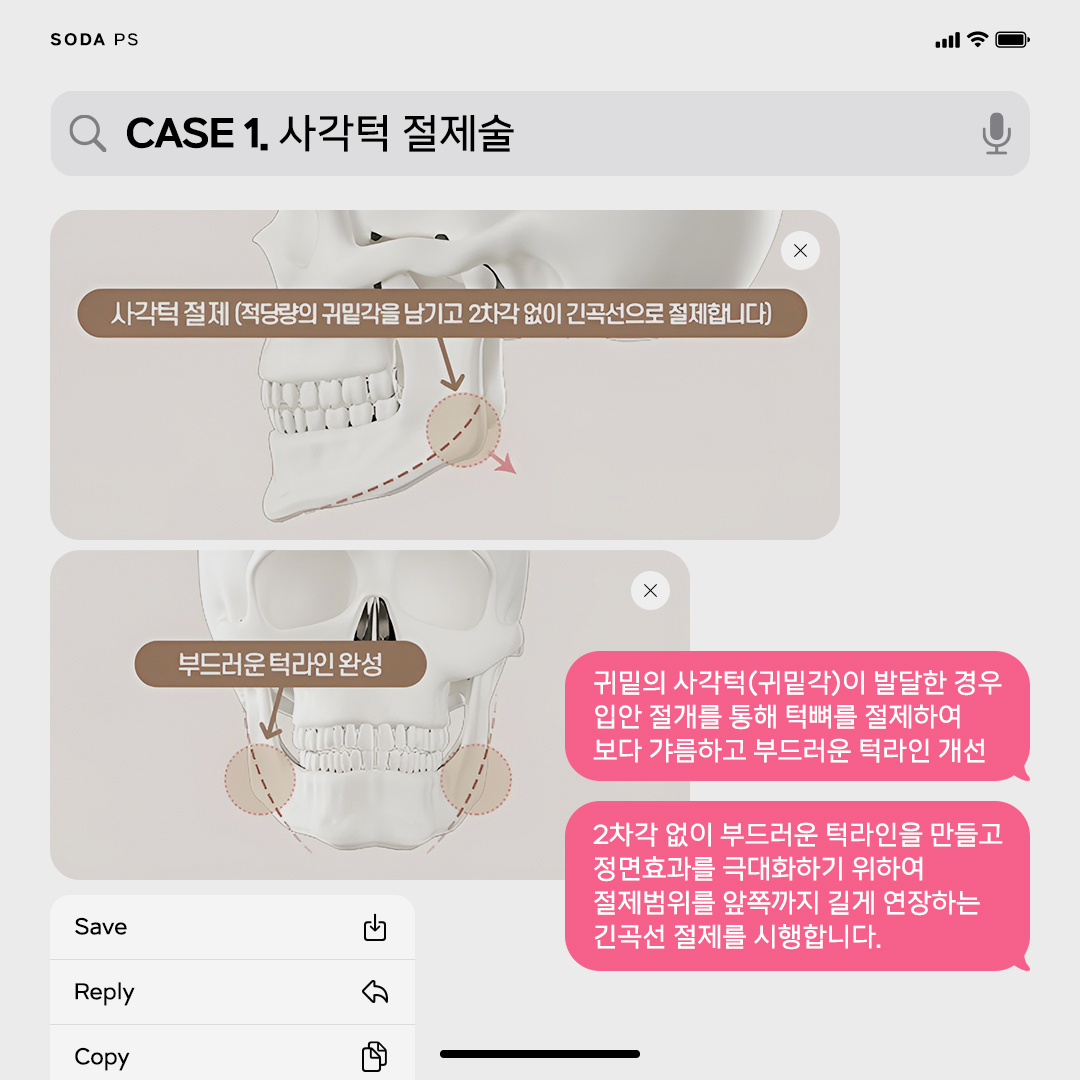
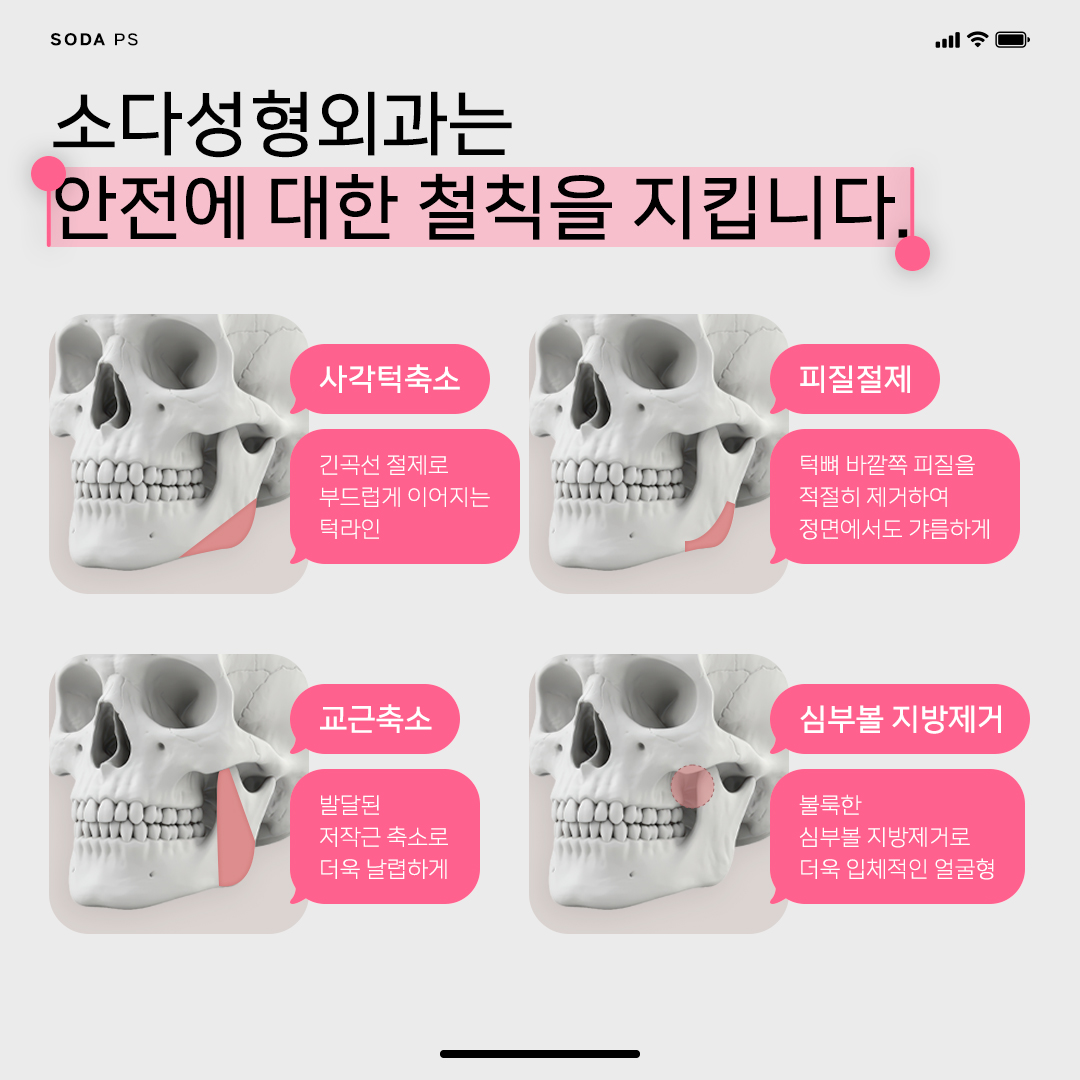
In some patients, the best result comes from combining chin surgery with contouring of surrounding areas, such as the jaw angle or lower border of the jaw. This can create a smoother transition from chin to jawline and reduce heaviness or squareness in the lower face.
Clinics along Gangnam-daero that focus on facial contouring often perform cheekbone, jaw angle, V-line, and chin procedures together or in stages. Chin surgery is then planned as part of the entire lower face design, not as a stand-alone change.
Who may consider chin augmentation
Many people who come in for consultation say things like, “My chin looks like it disappears in photos,” or “From the side, my chin seems to sit too far back compared to my lips and nose.” Others feel their face looks shorter or rounder than they would like, even if their weight is stable.
If you often notice these points in the mirror or in profile photos, and it bothers you enough that you avoid certain angles or hairstyles, short chin correction or chin augmentation can be an option to discuss with a specialist.
Chin augmentation or short chin correction is often considered by people who feel their lower face lacks definition or balance with the rest of their features.
Some people feel their chin sits a bit far back in profile, or that their jawline blends into the neck so that a double chin shows easily in photos. Others simply feel their lower face looks shorter or less defined than they’d like. If you have similar concerns, chin augmentation can be one of the options to explore with your surgeon.
surgery, but still feel your chin is too weak.
During consultation, the medical team typically performs a detailed facial proportion analysis from both front and side views. They assess the bone structure, often using imaging such as CT scans, especially when planning facial contouring.
If there is any suspicion of bite problems or jaw misalignment, your bite and jaw function will also be checked. When a serious skeletal bite problem is present, full jaw surgery at a different type of center may be required, and simple chin surgery alone would not be enough.
Throughout this process, individualized design is essential. Chin length, projection, and width are adjusted differently for each person. There is no single ideal chin; the right design depends on your facial shape, gender, age, and personal preferences.
How treatment is designed and planned
Before surgery, the surgeon studies your forehead–nose–lips–chin line from the side and your face shape from the front. The aim is to bring the chin into a natural alignment with the nose and lips, so that the side profile looks harmonious rather than pushed back or overly sharp.
Gender and age are taken into account. For example, some patients prefer a softer, slightly rounded chin, while others want a more defined or angular look. The existing face shape, whether V-line, square, round, or heart-shaped, also guides the design.
A key point is to avoid overcorrection. An excessively long or pointy chin can look artificial and may draw too much attention. To prevent this, surgeons check how far the chin projects compared to the lower lip in profile, how the chin line connects with the jaw angle, and whether the new chin length stays within a natural range for your overall facial proportions.
Many clinics in the Gangnam area use before-and-after imaging and CT-based case examples to explain possible changes. While these are not guarantees, they can help you understand how bone movement or implants affect the overall structure.
How the surgical procedure generally flows
For international patients, it helps to have a simple picture of what actually happens on the day of surgery.
ion.
Once you are asleep, the surgeon makes a small incision inside the mouth or under the chin, creates a space for the implant or bone movement, and adjusts the chin according to the plan made from your X-rays and facial analysis. The area is then closed carefully and bandaged.
After surgery, you are moved to a recovery area where your vital signs are monitored until you are fully awake. Before you leave, the staff explains how to care for the incision, what swelling or discomfort to expect, and when to return for follow-up visits.
For international patients, it can be reassuring to know what your visit will feel like from start to finish. Typically, you first have a detailed consultation where the surgeon examines your face, reviews imaging, and discusses the surgical plan with you.
On the day of surgery, you come to the clinic, complete any remaining checks, and receive anesthesia. The surgeon then makes a small incision inside the mouth or under the chin, performs the planned bone work or implant placement, and closes the incision. After surgery, you rest in a recovery area while the medical team monitors you and makes sure your pain and swelling are under control before you go back to your accommodation.
First, you have a pre-operative consultation and planning session. This includes facial analysis, imaging such as CT when indicated, and a detailed design discussion. You can ask questions about methods, expected changes, and recovery.
Second, anesthesia is administered. You can ask whether anesthesia is managed by a board-certified anesthesiology and pain medicine specialist who is part of the in-house team. This doctor focuses on monitoring and maintaining your safety throughout the operation.
Third, the surgeon makes a small incision, usually inside the mouth or sometimes under the chin, depending on the chosen method. Through this, the chin bone is accessed.
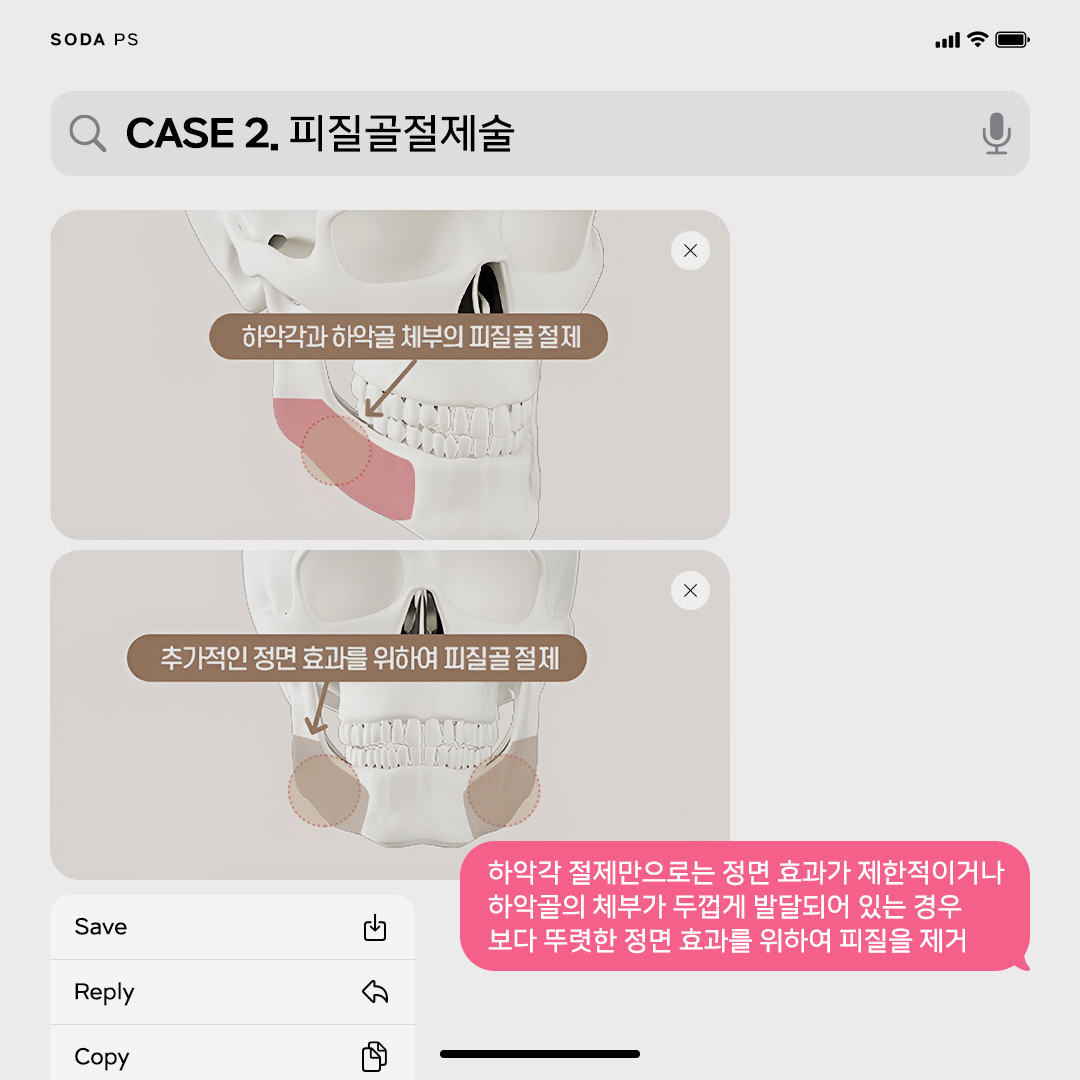
Fourth, the planned bone movement or implant placement is performed. In sliding genioplasty, the bone is moved and fixed with plates and screws. In implant surgery, the implant is positioned and secured to the bone. The surgeon may also contour surrounding bone for a smoother line.
Finally, the incision is closed and dressings are applied. You are then monitored in a recovery area until you are stable and awake. The operating surgeon, who focuses on facial contouring, personally performs the procedure rather than delegating it to non-surgeons.
Safety and anesthesia systems
In chin augmentation, safety systems such as anesthesia monitoring and emergency preparedness directly affect patient safety.
When comparing clinics on Gangnam-daero, check whether anesthesia is managed by a dedicated anesthesiology and pain medicine specialist. This means your vital signs are continuously monitored by a doctor whose main role is anesthesia and safety.
Concrete safety measures may include a named surgeon system in the operating room so you know exactly who is operating, operating room CCTV, and the availability of emergency medications such as dantrolene for rare conditions like malignant hyperthermia.
Additional systems can include an uninterruptible power supply for surgical equipment, central monitoring systems, and gas leak alarm systems. As a patient, you can ask the clinic what backup power, monitoring, and emergency alert systems are in place so you understand how they prepare for and manage potential risks.

Revision and complex chin cases
Some patients visit Seoul after having had facial contouring or chin surgery elsewhere. In these cases, revision or additional chin correction may be considered.
Clinics that share CT-based before-and-after cases for facial contouring revision, such as jaw angle or cheekbone revision and hardware removal, usually have experience working with altered anatomy and existing plates or screws.
For a patient, this implies that the team is familiar with evaluating previous operations and planning around existing hardware. However, not every case is suitable for revision. Careful imaging, realistic goal setting, and detailed consultation are required to decide whether further chin surgery is appropriate.
Recovery, downtime, and aftercare
After chin augmentation, initial swelling and bruising around the chin and lower face are common. Swelling is usually most noticeable in the first few days and then gradually decreases over several weeks.
If the incision is inside the mouth or bone work has been done, a soft diet may be recommended for a period to reduce strain and support healing. You may also be asked to use mouth rinses and maintain careful oral hygiene.
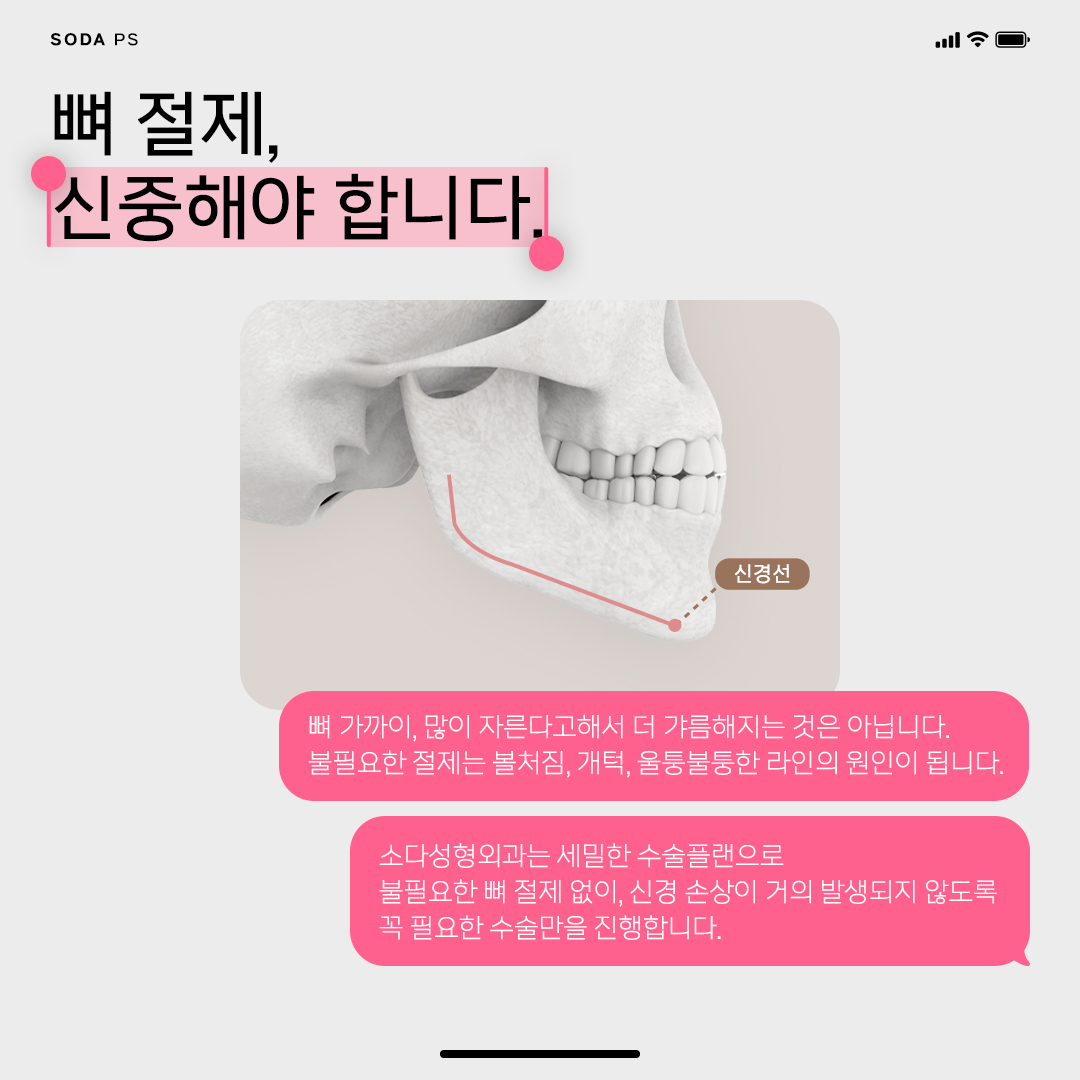
Temporary numbness or tightness in the chin area can occur as nerves recover. In many patients, this improves over time, but the exact course can vary from person to person.
Clinics in Seoul often provide structured post-operative care programs. These can include regular check-ups, guidance on swelling management, and, when appropriate, gentle aesthetic care to support healing and refine the final contour.
Following medical instructions is crucial. This includes advice on sleeping posture, activity restrictions, medication use, and timing of follow-up visits. International patients should discuss how long they need to stay in Korea after surgery and what kind of remote follow-up is available once they return home.
Expected results and realistic limitations
Possible improvements after chin augmentation may include a more defined jawline, a clearer border between the face and neck, and better balance between the nose, lips, and chin in side profile. However, results vary from person to person depending on bone structure, skin elasticity, and any previous surgeries, so these changes cannot be guaranteed for everyone.
Many people feel that after chin augmentation, the impression of a weak or receding chin is reduced, and their overall facial balance looks more confident and refined.
At the same time, it is important to keep expectations realistic. Chin surgery refines facial balance but does not completely change who you are. The final result depends on your existing bone structure, skin thickness, and individual healing response.
Perfect symmetry is not achievable in any face, and some degree of natural asymmetry usually remains. Focusing on overall harmony and proportion, rather than extreme changes, tends to lead to higher satisfaction.
Online consultation and pre-visit preparation
If you live overseas, your first step is usually an online consultation. Most clinics along Gangnam-daero in Seocho-gu provide contact options such as phone, website forms, messaging apps, and social media.
To make the most of online consultation, prepare clear photos of your face from the front, 45-degree angle, and side. Neutral lighting and a relaxed expression help the medical team see your actual proportions. If you have previous imaging or surgery records, mention them and share files if requested.
It is also helpful to write down your main concerns and goals in advance. For example, whether you are more focused on side profile, jawline definition, or balancing with a previous nose or jaw procedure.
Before confirming surgery, you may want to ask specific questions, such as which method is likely to be recommended for you, how long you should stay in Korea, what kind of anesthesia will be used, and what safety systems are in place.
Expected Korea visit timeline for chin augmentation
On day one or two, you have an in-person consultation, facial analysis, and any necessary imaging such as CT scans. The surgeon reviews your online plan, examines you directly, and confirms or adjusts the design.
Surgery is usually scheduled within a few days of the first visit, depending on your travel schedule and the clinic’s availability. On the day of surgery, you complete pre-operative checks, sign consent forms, and meet the anesthesiology specialist if present.
The first few days after surgery are mainly for rest and short follow-up visits. Swelling is most noticeable during this time. Stitches, if external, are often removed within about a week, but this can vary.
Many overseas patients stay in Korea for around one to two weeks after chin surgery, but your surgeon will advise you based on your specific procedure and healing. Longer stays may be recommended for more complex combined facial contouring.
Clinic context and accessibility in Seoul
The area around Gangnam-daero in Seocho-gu is a well-known medical district in Seoul, with many clinics located in modern medical office buildings. Access from major subway lines and bus routes is usually convenient, and there are many accommodation options nearby.

Some clinics provide information on their websites in multiple languages, such as Korean, English, and Japanese. This can be helpful for international and foreign-resident patients who prefer to read about procedures and safety systems in their own language.
Contact and booking channels typically include phone calls, online reservation forms, messaging app consultations, and social media inquiries. Through these, you can arrange online evaluations, confirm schedules, and plan your visit.
How to choose a clinic for chin augmentation in Korea
When comparing clinics for chin augmentation, it can be useful to look beyond price alone and focus on several key points.
Check that the operating surgeon is a board-certified plastic surgeon with clear experience in facial contouring and chin surgery. Many clinics share the surgeon’s training background and main fields of practice on their websites.
Look for structured safety systems, including the presence of an anesthesiology specialist, detailed monitoring protocols, and emergency preparedness. Ask directly about anesthesia management, operating room equipment, and post-operative observation.
Review before-and-after photos and, when available, imaging-based cases that show bone changes, not only surface appearance. This can give you a better idea of the surgeon’s approach to structural balance.
During consultation, pay attention to whether the design is personalized and whether potential risks and limitations are explained clearly. A thorough discussion of options, rather than a quick focus on discounts, is usually a positive sign.

A facial contouring-focused clinic with documented safety protocols and experienced staff is one type of place you may want to consider. When choosing a clinic, it can be helpful to check the surgeon’s qualifications and experience with chin surgery, and to ask specific questions about their safety systems and how they handle complications.
There are also some practical points many patients are curious about, such as how long they should stay in Korea after surgery, when they can safely fly back home, and how to manage the early recovery period once they return. These details are usually discussed in advance so you can plan your schedule and accommodation with more confidence.
Many patients are curious about how long they need to stay in Korea after chin augmentation, especially if they are flying in from overseas. In general, clinics will recommend staying long enough for early swelling to settle and for at least one follow-up visit; the exact period can vary, so it is best to confirm this during your initial inquiry.
Scarring is another common concern. Depending on whether the incision is made inside the mouth or under the chin, the scar can be hidden or positioned in a natural crease. During consultation, you can ask the surgeon to show you where the incision will be and what the expected scar line looks like in the long term.
What is the difference between sliding genioplasty and a chin implant
Patients often wonder which option is more suitable for their specific concerns. In simple terms, sliding genioplasty reshapes and repositions your own chin bone, while a chin implant adds a prefabricated implant on top of the bone. Your surgeon will recommend one or the other based on how much movement is needed, whether vertical length should change, and how your overall jaw and bite look.
Sliding genioplasty moves your own chin bone forward, up, or down and fixes it in place with plates and screws. It is often chosen when a larger movement or vertical adjustment is needed, or when the surgeon wants to fine-tune the bone shape.
A chin implant adds projection or width by placing a shaped implant on the chin bone. It may be suitable for moderate enhancement when the underlying bone is otherwise well positioned. The right choice depends on your anatomy, goals, and the surgeon’s assessment.
How long do I need to stay in Korea after chin augmentation
Many international patients stay in Seoul for about one to two weeks after chin surgery. This allows time for early healing, management of swelling, and at least one or two follow-up visits.
If you are combining chin surgery with other facial contouring procedures, your surgeon may recommend a longer stay. The exact schedule should be discussed in advance during online consultation so you can plan flights and accommodation comfortably.
Will chin augmentation leave visible scars
In many cases, the incision is made inside the mouth, so there is no visible external scar. When an incision under the chin is used, it is usually placed in a natural crease to make it less noticeable.
Scar appearance can vary depending on individual healing and aftercare. Your surgeon will explain where your incision will be and how to care for the area to support good healing.

Is chin augmentation painful and what is recovery like
During surgery, you are under anesthesia, so you do not feel pain. After the procedure, it is common to experience some discomfort, swelling, and tightness around the chin and lower face. Pain is usually manageable with prescribed medication.
Most people can move around carefully within a day or two, but visible swelling can last for several weeks. Strenuous exercise and heavy lifting are normally restricted for a period recommended by your surgeon. Final refinement of the contour can take a few months as swelling fully settles.
If you are considering chin augmentation surgery in Seoul and want to know which method suits your face, you can start with an online consultation to receive a personalized assessment of your chin and jawline.
If you are considering chin augmentation surgery in Seoul and would like to know which method might suit your face, an online consultation can be a helpful first step. By sharing your photos and concerns in advance, you can receive a more personalized explanation of options, safety systems, and expected recovery before planning your trip to Korea.






댓글
댓글 쓰기