Square jaw facial contouring guide for a softer, balanced lower face in Seoul
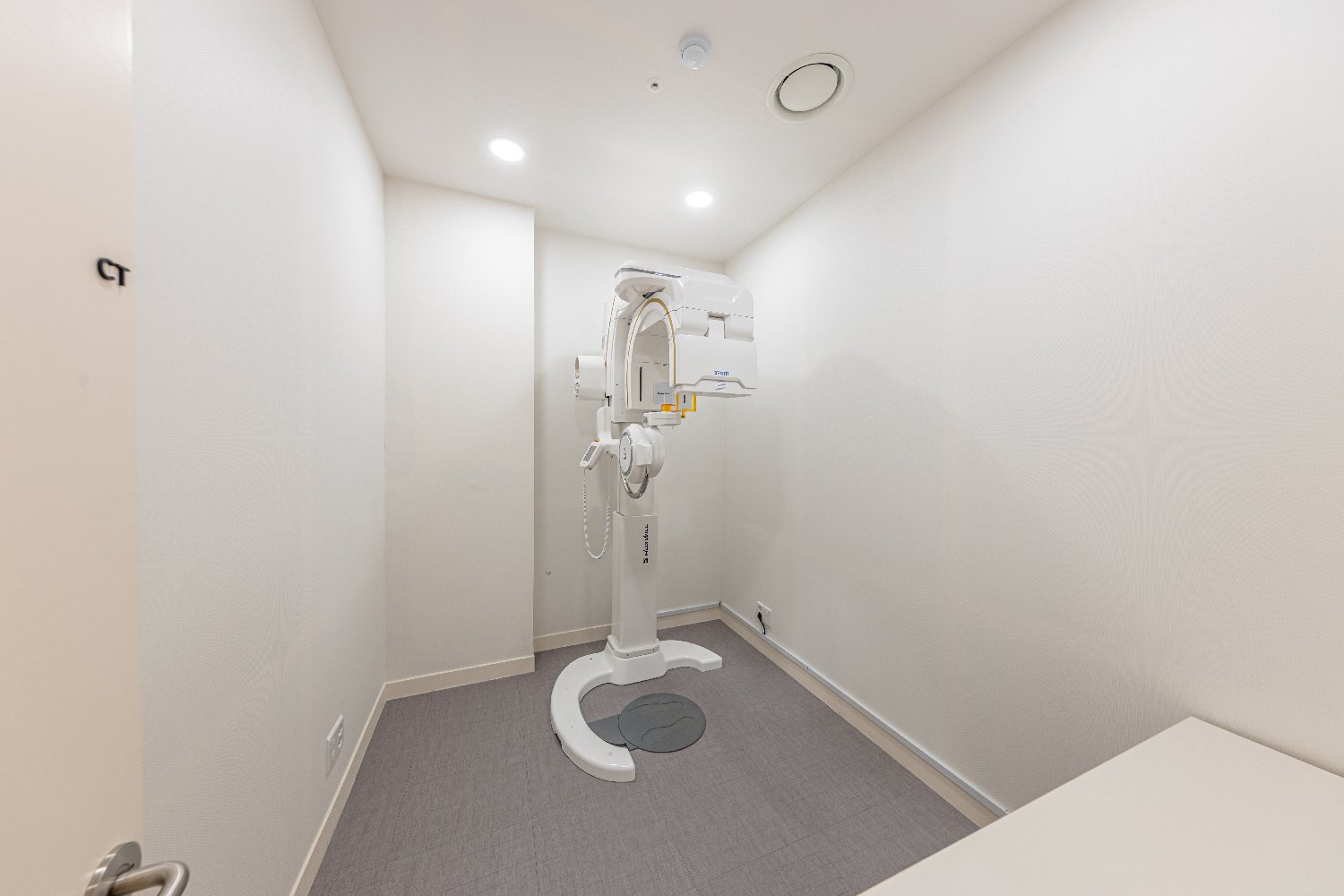
Square jaw facial contouring at a glance
It usually involves reducing the mandibular angle and refining the jawline from the back of the jaw to the chin, sometimes together with chin reshaping. The goal is not to make the jaw as small as possible, but to create a natural contour that suits your overall face.
This guide is written for international patients considering a trip to Seoul, especially to the Gangnam and Seocho area, for jaw reduction or V-line style contouring. It explains what creates a square jaw, how the surgery is planned and performed, what safety systems to look for, and how to prepare if you are coming from overseas.
What creates a square jaw appearance
A square or broad lower face can come from several different structures, often in combination.
In many people, the mandibular angle, which is the corner at the back of the jaw, is prominent or flared outward. This creates a strong horizontal line when viewed from the front. In others, the jawbone itself is thick along the lower border, making the lower face look heavy.

Jaw muscles can also play a role. The masseter muscle, which helps you chew, can become enlarged from genetics, strong biting habits, or teeth grinding. When this muscle is thick, the lower face can look wider, even if the bone is not very large.
Soft tissue and fat distribution around the jaw and neck can add to this effect. When there is more volume in the lower face compared with the midface, the overall impression is a broader, sometimes more masculine contour.
Because bone, muscle, and soft tissue all contribute differently, proper diagnosis is important. A square jaw caused mainly by bone usually needs bone contouring surgery, while a jaw that looks wide mostly from muscle or soft tissue may be managed with non-surgical or less invasive options. Many patients have a mix of causes, so a tailored plan is essential.
What is square jaw facial contouring
Square jaw facial contouring is a set of surgical techniques that reshape the mandible from the angle to the chin. The aim is to create a smoother jawline, a gentle curve or line from the ear toward the chin, and a natural transition from the cheekbone area down to the lower face.
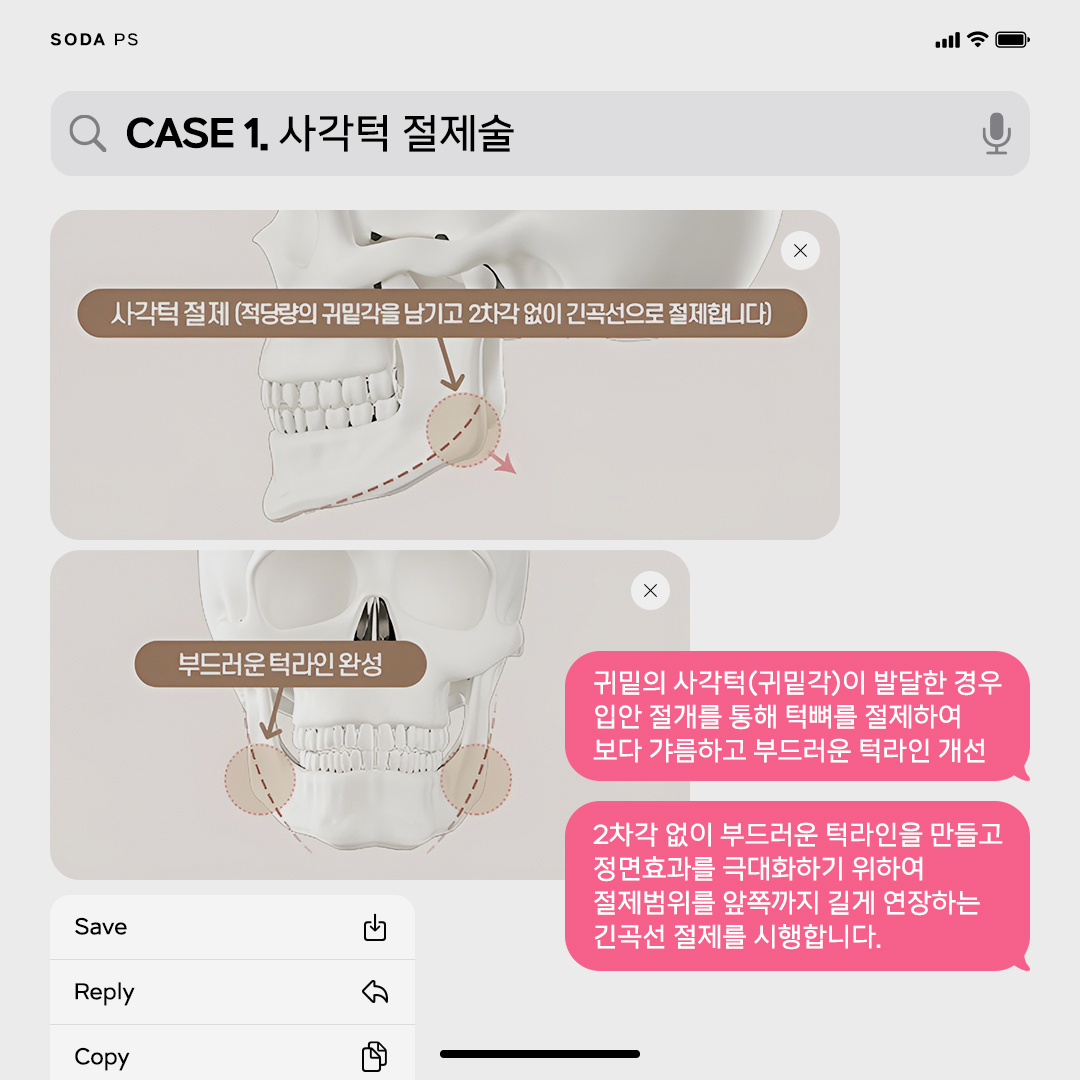
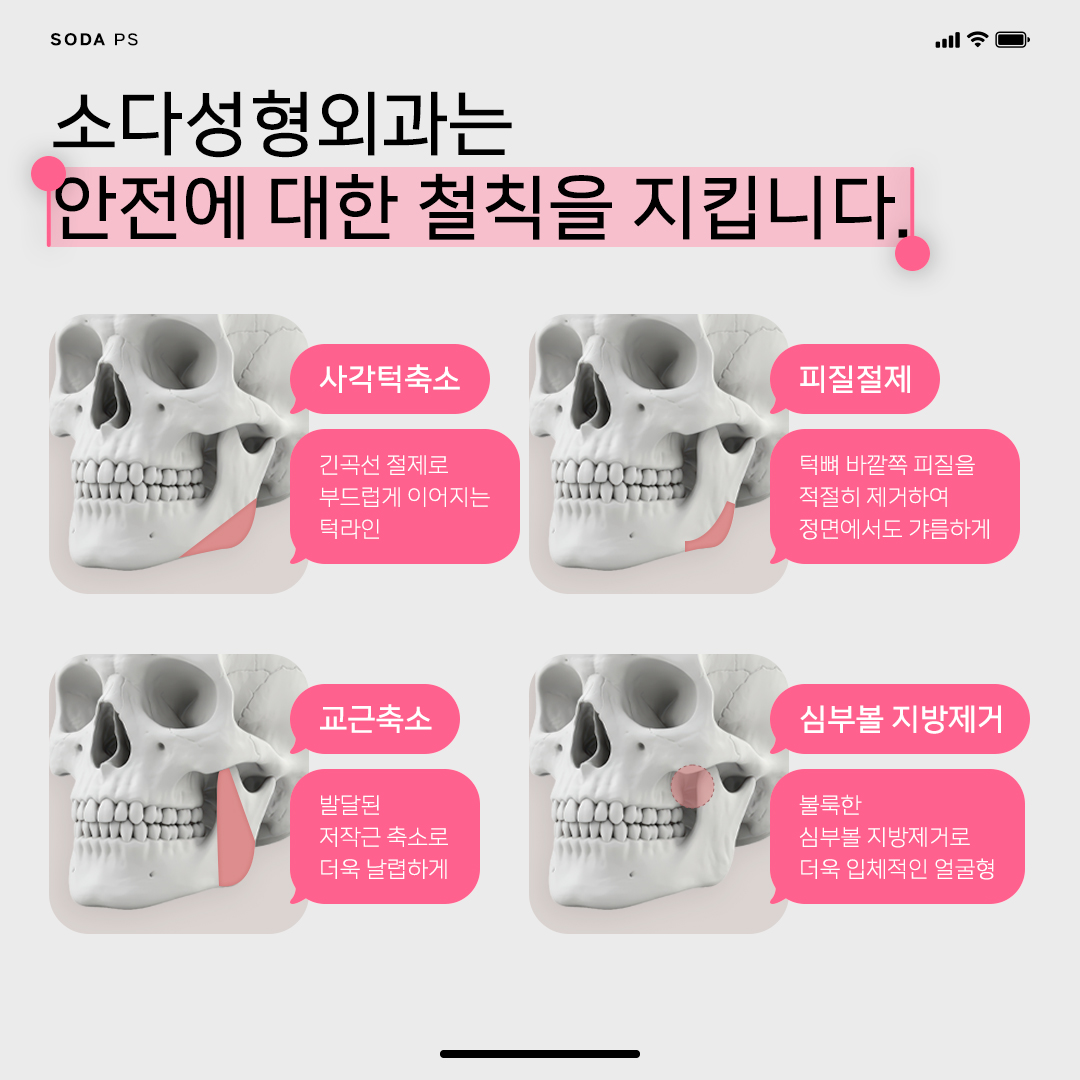
Typical procedures can include mandibular angle reduction, where the flared angle at the back of the jaw is reduced; cortical bone shaving, which thins the outer layer of the jawbone to slim the lower border; jawline contouring, which connects the back angle smoothly to the front part of the jaw; and V-line style surgery, which refines both the jawline and chin for a more tapered look.
Chin reshaping is often combined with square jaw surgery. If the chin is too long, too short, or asymmetric, it can affect how the new jawline looks. Adjusting the chin height, width, or projection can help achieve better overall balance.

A facial contouring focused clinic in Gangnam-daero, Seocho-gu, Seoul, may structure its services around these procedures, offering a lineup that includes cheekbone contouring, mini cheekbone surgery, square jaw reduction, V-line and mini V-line procedures, chin contouring, and revision contouring. In such a setting, square jaw surgery is not an isolated service but part of a comprehensive approach to facial bone balance.
Who may consider square jaw facial contouring
Adults who are bothered by a wide or angular lower face are typical candidates. You may consider this surgery if you feel your jaw looks too square or masculine, your lower face appears heavier than your upper face, or you have strong angles that show clearly in photos.
Some people seek surgery because of asymmetry, where one side of the jaw looks larger or lower than the other. Others may have already had facial contouring or jaw surgery elsewhere and feel that the angles are still prominent, the line is uneven, or there is discomfort around plates or screws.
Good candidates are usually in stable general health, with realistic expectations and a clear understanding that bone structure, soft tissue, and skin elasticity all influence the final appearance. A detailed consultation with an experienced surgeon is important to decide whether square jaw contouring, chin surgery, or a combination is suitable.
How a contouring focused clinic is structured
ng.
This structure supports a focused system instead of a broad cosmetic menu. The operating team, imaging protocols, and aftercare programs are organized around bone surgery, which can be reassuring for patients who are considering a more complex procedure.
Medical staff and expertise
When evaluating a facial contouring surgeon, request documented information about their training and experience rather than assuming specific titles or past positions. Ask for details such as prior roles, fellowship or residency training, the number and types of facial bone or revision cases they have performed, and examples or verified case records when available. This helps you confirm whether a surgeon’s background matches the complexity of your procedure.
For square jaw contouring, general anesthesia is commonly used, and anesthesia management is an important part of safety. Having a board-certified anesthesiologist in charge of anesthesia and intraoperative monitoring adds another layer of reliability, especially for longer operations.
Safety system you should look for
When you travel abroad for facial contouring, safety should be one of your main selection criteria. A structured safety system is more than a simple statement that the clinic is safe. It includes specific elements you can ask about.
A named surgeon system in the operating room means you know exactly which surgeon will perform your surgery, and that this surgeon is responsible for your planning, operation, and follow-up.
Some clinics may use video monitoring in operating areas as one transparency measure, but practices and legal/privacy rules vary by clinic and jurisdiction. If transparency measures are important to you, ask the clinic what policies they follow (for example, whether any form of video monitoring is used, how recordings are handled, and what patient privacy protections are in place).
These are examples of safety measures you can inquire about; availability and standards vary between facilities.
These details may sound technical, but they show that the clinic has thought through emergency scenarios and invested in systems rather than relying only on individual skill.
Diagnostic process and imaging
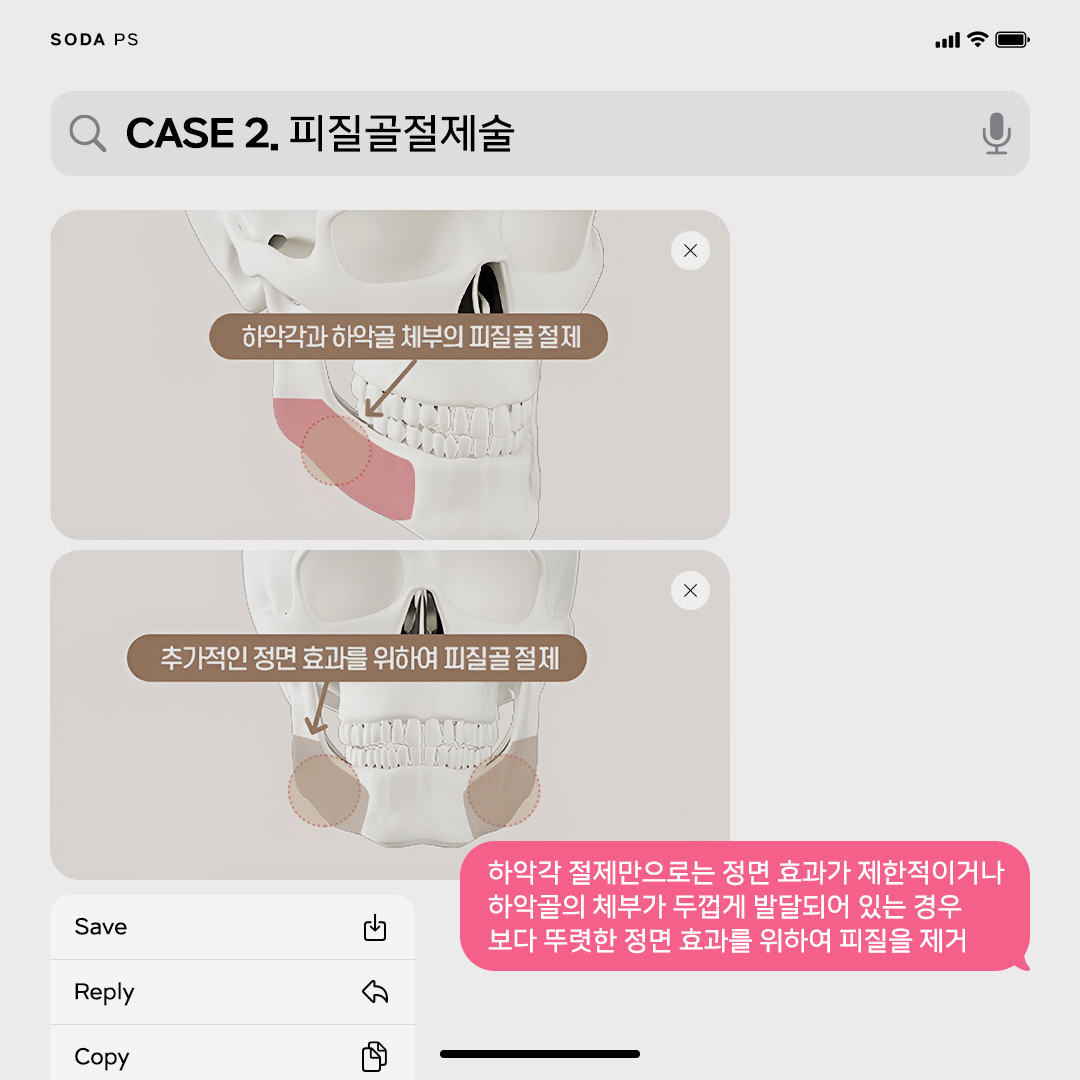
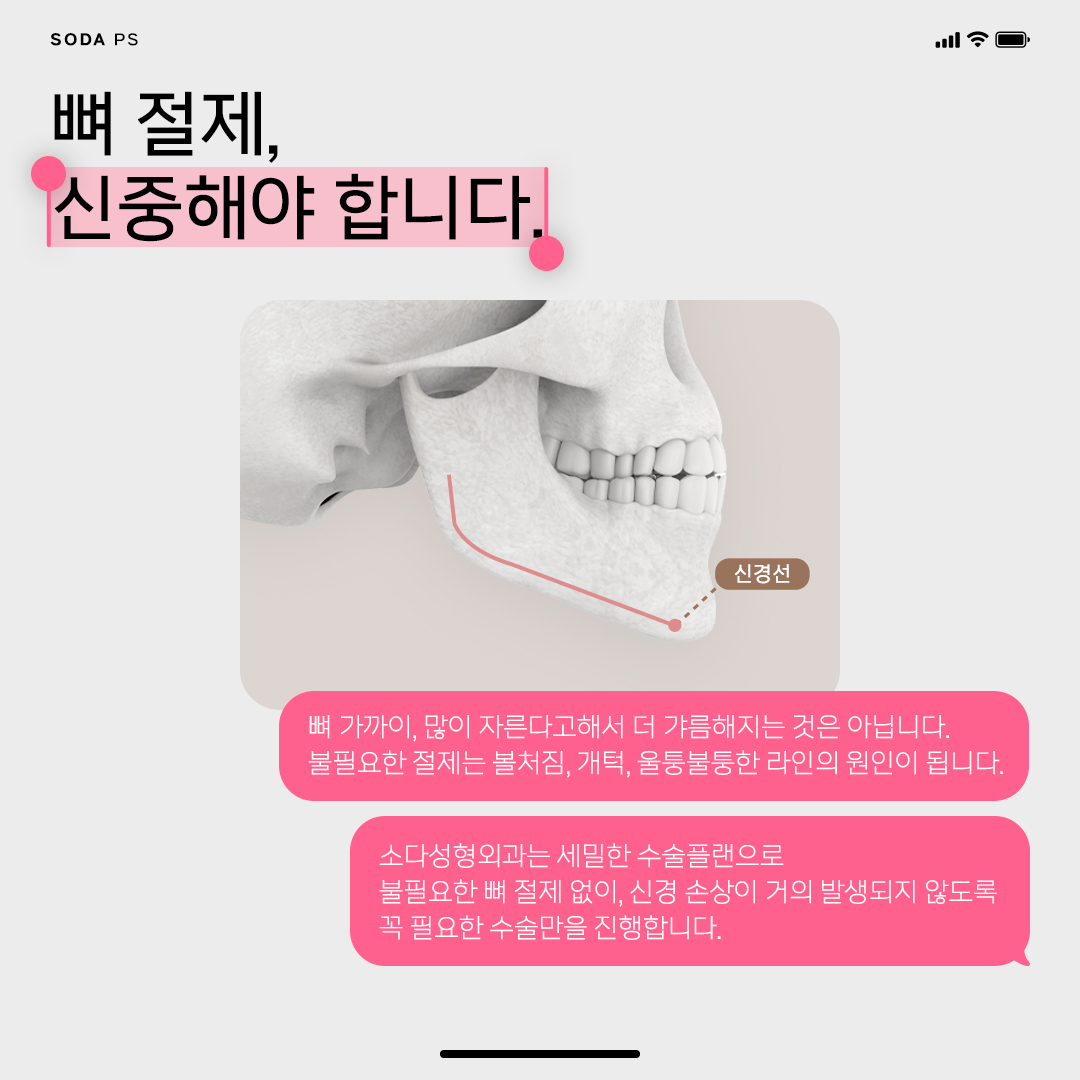
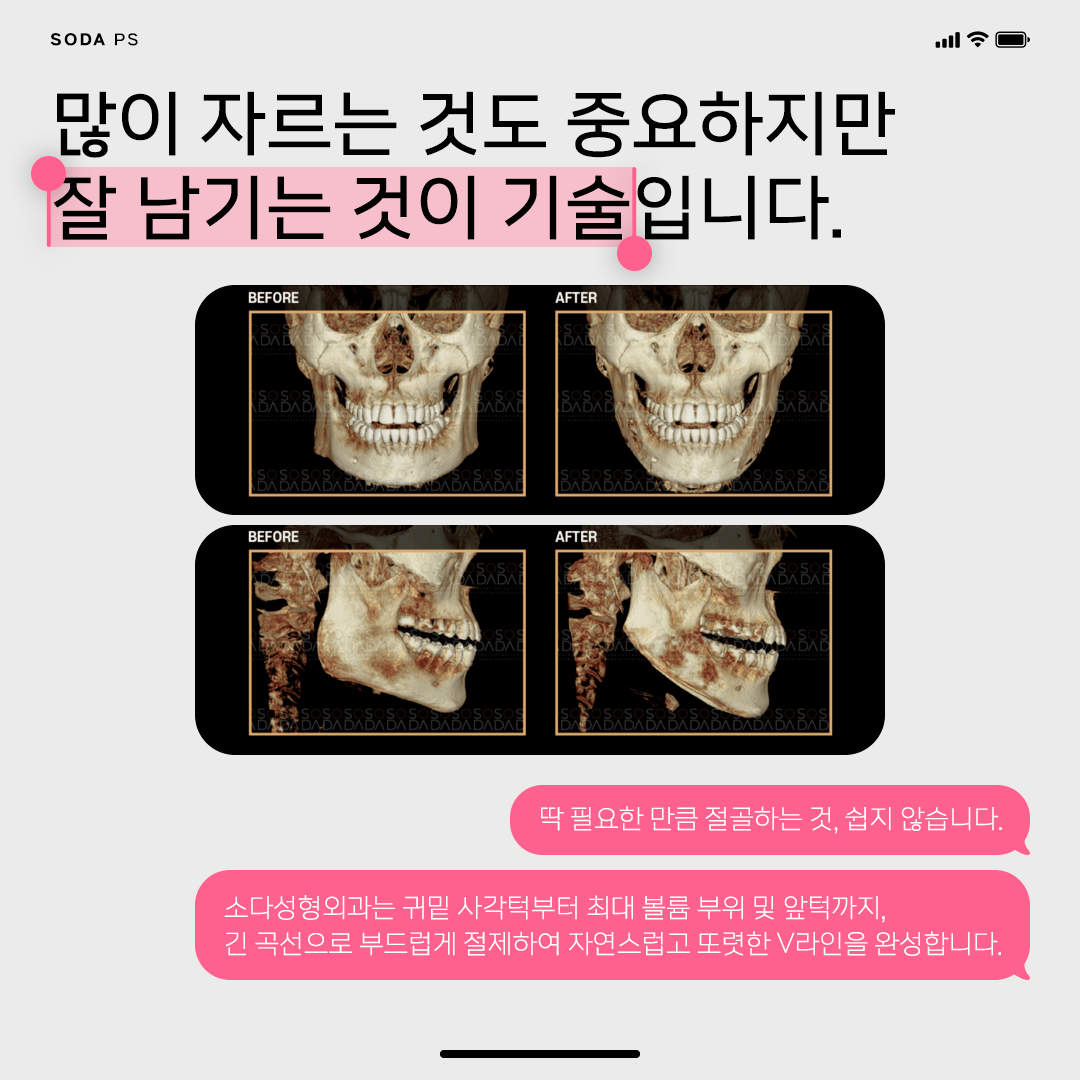
Accurate diagnosis and planning are essential for square jaw facial contouring. Imaging is commonly used in planning; CT scans in particular can give detailed views of bone thickness, the mandibular angle, and the course of the inferior alveolar nerve, which is relevant for lower lip and chin sensation. Because CT involves radiation and may be most useful in complex cases, other modalities (panoramic x-rays, cone-beam imaging, or clinical assessment) may be appropriate depending on the situation. Ask your surgeon which imaging modality they recommend for your case and why.
If you have had previous jaw or facial contouring surgery, CT is also used to locate existing plates, screws, and any irregular bone surfaces. In revision and hardware removal cases, pre and post operative CT comparisons can be helpful to objectively show what has changed in the bone structure.
During consultation, you can ask the surgeon to explain the CT images, show where the nerve lies, and outline the planned bone line. This helps you understand what will be removed and what will be preserved.
Primary surgery versus revision contouring
Primary square jaw surgery is performed on patients who have not had previous jaw contouring. The main goals are to reduce the width or angularity of the jaw, improve proportions with the cheekbones and chin, and maintain a natural three dimensional shape.
Revision contouring is more complex. Patients may come with residual angles that were not sufficiently reduced, asymmetry between the two sides, step deformities where the bone line is uneven, or discomfort from plates and screws used in earlier surgery.
Scar tissue, altered anatomy, and previous bone removal all need to be considered. Revision and hardware removal require careful CT based planning and experience with complex cases. Not every clinic accepts revision surgery, so if you are in this situation, look specifically for a team that explains their approach to revisions in detail.
Individualized surgical planning and design
A key point in modern square jaw contouring is individualized design. Rather than following a single standard shape, the surgeon analyzes your overall face: cheekbone projection, chin length and width, lip position, and neck line.

For example, if your cheekbones are already narrow and your chin is short, too much jaw reduction can make the middle of the face look relatively wide or the profile look flat. If your neck line is not very defined, a very aggressive jaw reduction might reduce the structural support for the lower face and lead to more visible soft tissue sagging.
The surgeon plans how much to reduce the mandibular angle, how to connect the angle to the front part of the jaw, and whether to adjust the chin to create a smooth, continuous contour. The goal is balance, not maximum reduction.
Natural-looking results depend on controlled, conservative bone reduction combined with attention to soft-tissue support. Overly aggressive removal can create visible problems — for example, a hollowed or aged appearance, loss of soft-tissue support, or altered facial balance. Before surgery, discuss with your surgeon the limits they plan to follow, ask to see examples of subtle outcomes, and confirm how they balance aesthetic goals with long-term structural support.
It can also contribute to sagging in the lower face and jowl area.
In addition, extreme reduction can affect the function of the jaw or bring the nerve too close to the bone edge, increasing the risk of altered sensation.
A controlled, planned reduction focuses on preserving structural support while refining the contour. Rather than creating a flat, straight line, the surgeon aims for a gentle, three dimensional curve that looks natural from the front, side, and oblique angles.
Anesthesia and intraoperative monitoring
Square jaw contouring is usually performed under general anesthesia. For international patients, it is important to know who is responsible for anesthesia and how your vital signs are monitored.
If you are nervous about anesthesia, you can ask during online consultation how the clinic screens for anesthesia risk, what preoperative tests are required, and how they handle rare complications.
Recovery and aftercare
Many clinics use compression bandages or garments around the lower face to help control swelling and support the tissues. You may be asked to wear these for a certain number of hours per day during the early recovery period.
Because the incisions are often made inside the mouth, oral hygiene is very important. You will be advised to rinse regularly, follow specific brushing instructions, and sometimes use prescribed mouthwash to reduce infection risk.
A soft or liquid diet is usually recommended at first, then gradually returning to a normal diet as chewing becomes more comfortable. You should avoid very hard or chewy foods during the early healing phase.
Follow up visits will be scheduled to check healing, remove any stitches if needed, and take post operative imaging in selected cases. Some clinics also offer post surgical aesthetic care and personalized management programs, such as gentle treatments to help reduce swelling and support skin condition.
Risks and considerations
Like any bone surgery, square jaw contouring has potential risks. Common temporary effects include swelling, bruising, and discomfort. There may be temporary numbness or changes in sensation around the lower lip and chin as nerves adapt.
Other possible risks include infection, bleeding, asymmetry, contour irregularities, and in rare cases, damage to the inferior alveolar nerve that can cause longer lasting changes in sensation. There is also the possibility that you may not be satisfied with the result and consider revision.
Because individual anatomy and healing vary, no clinic can guarantee a specific result. It is important to discuss your goals, limitations, and risk tolerance with your surgeon, and to follow all pre and post operative instructions carefully.
Online consultation and pre visit preparation
For overseas patients, the process usually begins with online consultation. Many Seoul clinics provide information and communication in more than one language, which can be reassuring if English is not your first language.
Before your online consultation, prepare clear photos of your face from the front, 45 degree, and side views, both at rest and with a natural smile. If you have previous CT scans, X rays, or operation records, ask whether you can send them in advance, especially if you are considering revision surgery.
Make a list of questions, such as how much bone is expected to be removed, how the surgeon protects the nerve, what imaging will be used, and how long you should stay in Korea for safe follow up. It is also helpful to ask whether the clinic recommends additional procedures, such as cheekbone or chin contouring, to achieve overall balance.
During consultation, pay attention to how clearly the surgeon explains the planned bone line, shows imaging examples, and discusses both benefits and limitations. This will help you compare clinics based on more than just photos or price.
Expected Korea visit timeline for international patients
Every case is different, but a typical visit schedule for square jaw contouring might look like this.
You may arrive in Seoul one or two days before surgery. On the first clinic visit, you usually have an in person consultation, physical examination, and imaging such as CT. The surgeon confirms the plan with you and finalizes details.
Surgery is often scheduled for the next day or shortly after. You will spend several hours at the clinic on the day of surgery, including preparation, anesthesia, the operation itself, and initial recovery.
Most patients stay in Korea for at least one to two weeks after surgery. The first few days are focused on rest, managing swelling, and short check ups. Stitches, if any are visible, may be removed around one week. Some patients choose to stay a bit longer for additional follow up or post surgical care sessions.
When planning your trip, consider hotel location, access to the clinic, and support for daily needs during the first days after surgery. Many clinics in the Gangnam and Seocho area are used to working with international patients and can give guidance on stay duration and timing.
Questions to ask before you decide
When comparing clinics for square jaw facial contouring, it can be helpful to look beyond before and after images. Consider asking the following types of questions.

Ask who will actually perform your surgery and whether that surgeon will be responsible for your planning and follow up. Ask what imaging is included in the evaluation and how the CT findings influence the surgical design.
Inquire about the safety system, including anesthesia management, emergency drugs such as dantrolene, power backup, and monitoring equipment. Ask whether the clinic has experience with revision cases if you have had previous surgery.
Finally, ask for a clear explanation of the expected recovery timeline, what aftercare is provided, and what support is available once you return to your home country. Writing these questions down before your online consultation can help you compare clinics more objectively.
Frequently asked questions
Is square jaw facial contouring only for women who want a V line face
No. While many women seek a slimmer or more V shaped lower face, square jaw contouring is also chosen by men who feel their jaw is too wide or unbalanced. The design is individualized. For some men, the goal is to soften an overly flared angle while maintaining a masculine profile. For others, it may be to correct asymmetry or a heavy lower face. The key is to discuss your personal goals so the surgeon can plan a contour that fits your gender identity and preferences.
How long does it take to see the final result after surgery
Initial swelling usually improves significantly within a few weeks, and many patients feel comfortable returning to social activities during this time. However, bone and soft tissue continue to settle for several months. The final contour can take three to six months or more to fully appear, especially in the lower face where swelling can linger. Patience is important, and regular follow up helps monitor your progress.
Can square jaw contouring fix facial asymmetry
Square jaw surgery can improve many types of asymmetry caused by differences in jawbone width, angle shape, or chin position. By reshaping each side according to the CT findings, the surgeon can often reduce visible unevenness. However, perfect symmetry is not realistic, and other structures such as the cheekbones, teeth alignment, and soft tissue also influence facial balance. During consultation, the surgeon should explain which parts of your asymmetry can be improved and which may remain.

Is it safe to travel home soon after square jaw surgery
Most international patients are advised to stay in Korea for at least one to two weeks after surgery, depending on the complexity of the case and their general health. This allows time for early healing, management of swelling, and detection of any immediate issues. Long flights soon after surgery can be tiring and may increase discomfort. Before booking your ticket, discuss your travel plans with the clinic so they can recommend a safe timeline based on your specific situation.
Soft call to action
If you are considering square jaw facial contouring in Seoul and would like a more personalized assessment, you can start with an online consultation. By sharing your photos, medical history, and concerns in advance, the clinic team can outline possible options, explain the imaging and safety systems they use, and help you plan a realistic treatment and travel schedule.
Taking the time to understand the procedure, ask detailed questions, and choose a contouring focused clinic with structured safety and imaging based planning can make your journey to a softer, more balanced lower face more informed and more comfortable.






댓글
댓글 쓰기