Square jaw reduction surgery guide for a slimmer lower face in Seoul
- 공유 링크 만들기
- X
- 이메일
- 기타 앱
Direct answer summary
ual healing. Careful preoperative planning — often using CT imaging and detailed facial analysis — helps guide what changes are realistic. For overseas patients visiting Seoul, the process commonly involves a short hospital stay, several days of local recovery, and structured follow-up; online consultation is often used for early planning and some follow-up, but exact arrangements vary by clinic and case.
What is square jaw reduction
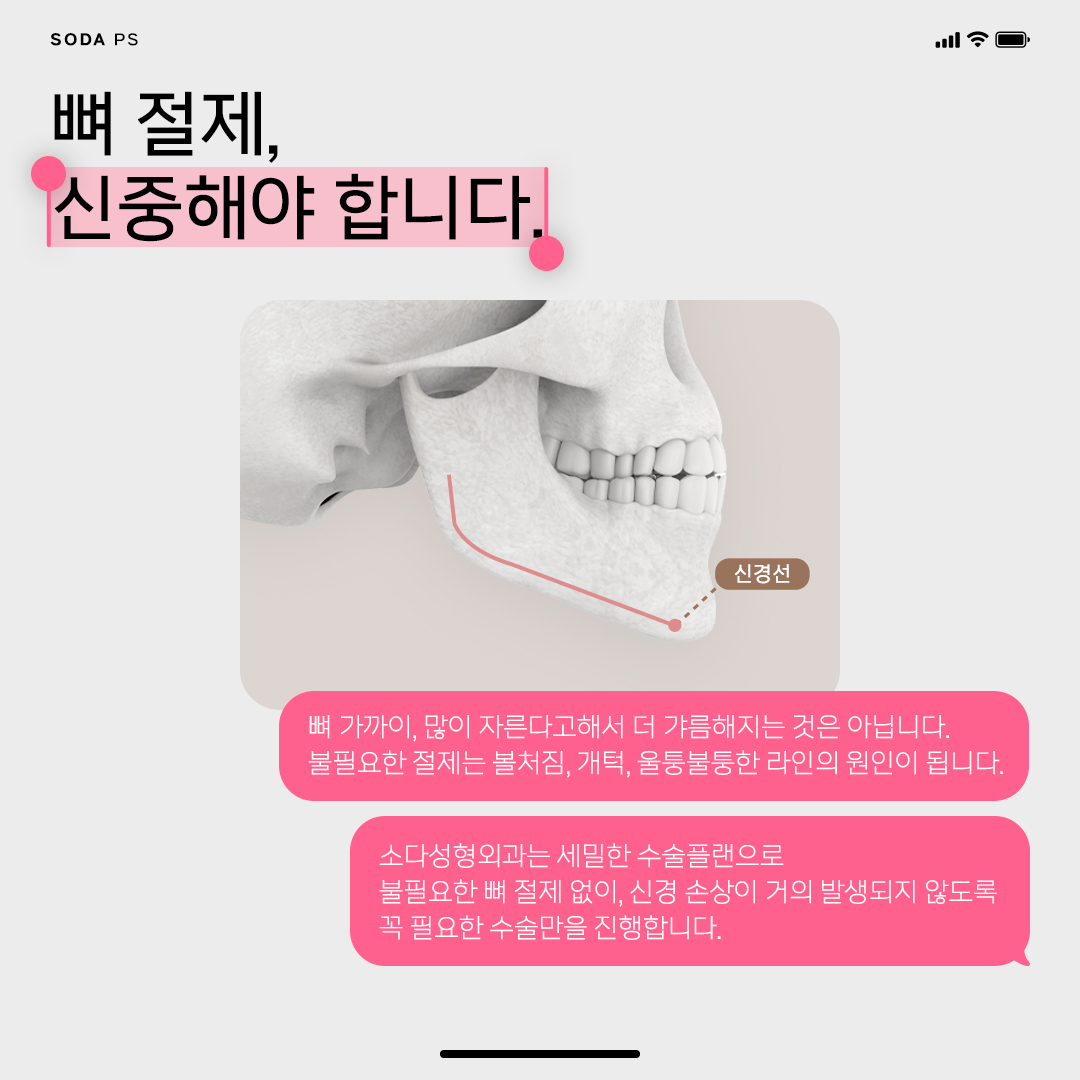
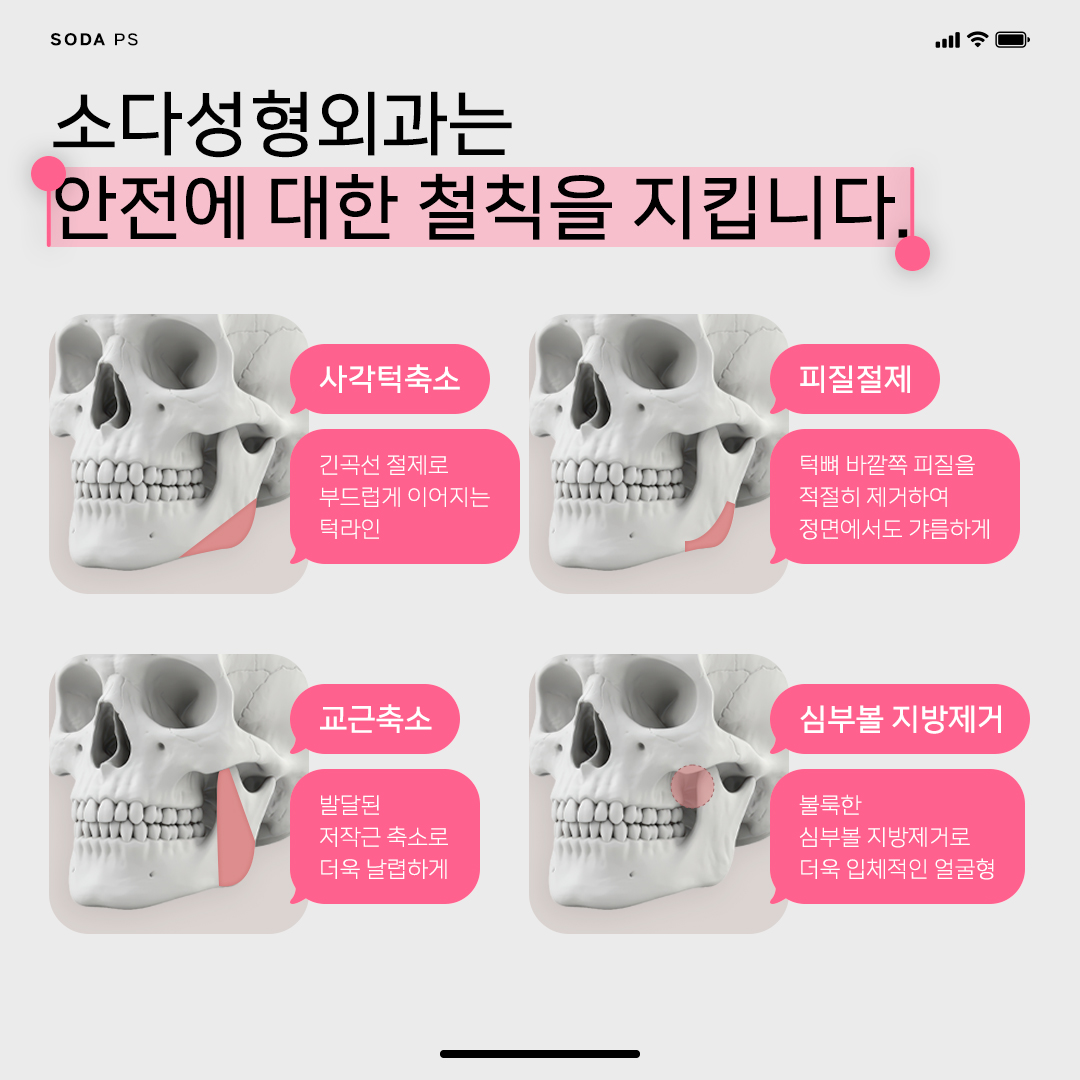
Square jaw reduction, also called mandibular angle contouring, is a facial bone surgery that reduces and reshapes the back and lower border of the jawbone.
Instead of working on the chewing muscles, this procedure focuses on the bone itself. The surgeon accesses the mandibular angle, shaves or cuts the bone, and smooths the lower border so that the jawline looks less square and bulky. When needed, it can be combined with chin contouring or a V-line procedure to create a continuous, natural curve from ear to chin.

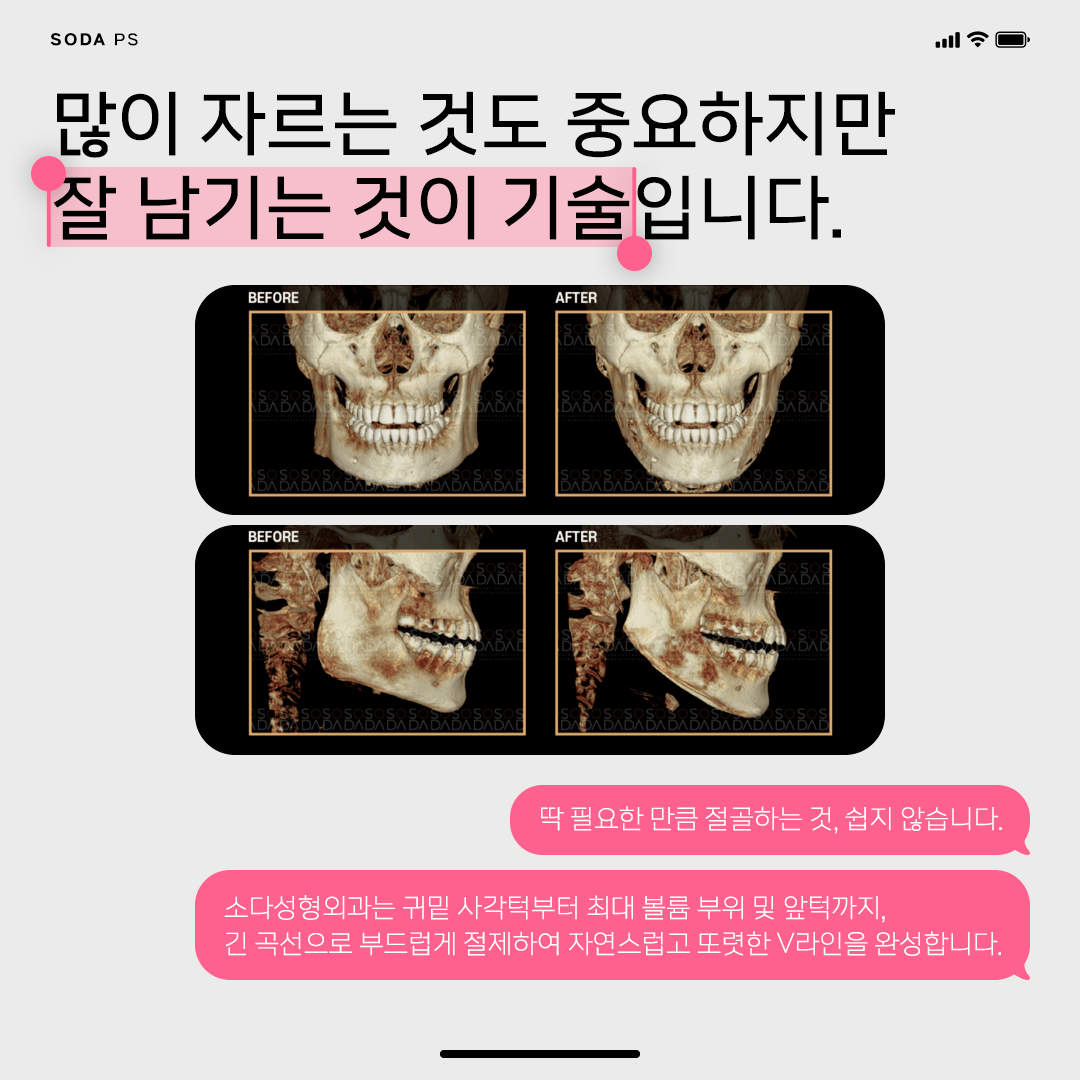
Typical changes after square jaw reduction include a softer jaw angle when viewed from the side, a less boxy lower face from the front, and a more refined, slimmer jawline that connects better with the cheekbones and chin. The goal is not to give every patient the same V-line, but to design a jawline that suits each person’s bone structure, soft tissue thickness, and overall facial balance.
How it differs from masseter injections
Many people first try to slim the lower face with botulinum toxin injections to the masseter muscles. These injections relax the chewing muscles so they become thinner over time. This method can help when the lower face looks wide mainly because of strong muscles.
However, if the lower face looks square due to the shape or thickness of the jawbone, injections alone cannot change the bone. In such cases, CT scans often show a prominent mandibular angle or a thick lower border of the jaw. Square jaw reduction is designed for this type of bony prominence.
In some patients, both muscle and bone contribute to a wide jaw. Then, a combination of square jaw reduction and selective masseter treatment may be considered, based on a detailed diagnosis.
Who may consider square jaw reduction
You may be a potential candidate for square jaw reduction if:
You see a clearly visible square or protruding jaw angle when you look at your face from the front or at a 45 degree angle.
Your lower face looks thick or bulky and CT or X-ray images show that the main cause is bone, not only muscle or fat.
There is asymmetry between the left and right jaw angles, making the lower face look uneven.
You have an unbalanced lower face line after previous jaw-related surgery and wish to refine the contour.
You tried non-surgical options such as masseter injections but still see a strong bony angle.

A proper CT-based diagnosis is essential. Only by checking the bone, muscle, and fat layers together can the surgeon decide whether square jaw reduction alone is enough, or whether it should be combined with chin contouring or a full V-line procedure. For some patients, a smaller change in the chin can make a big difference in overall harmony, while others need only angle contouring.
CT-based assessment and individualized planning
Before planning surgery, a detailed facial bone analysis is performed using CT scans and standardized photographs. This assessment looks at:
The thickness and shape of the mandibular angle.
The length and slope of the lower border of the jaw.
Any asymmetry between the left and right sides.
The relationship between the jaw, chin, and cheekbones.
Previous surgeries, fixation plates, or screws if present.
Surgeons who focus on facial contouring evaluate the entire facial outline, not just the jawbone. For example, reducing the mandibular angle without addressing a prominent chin can leave the profile unbalanced. Procedures that may be considered alongside jaw reduction include cheekbone contouring, V-line or mini V-line procedures, chin reshaping, and, when necessary, revision contouring to refine the overall balance.
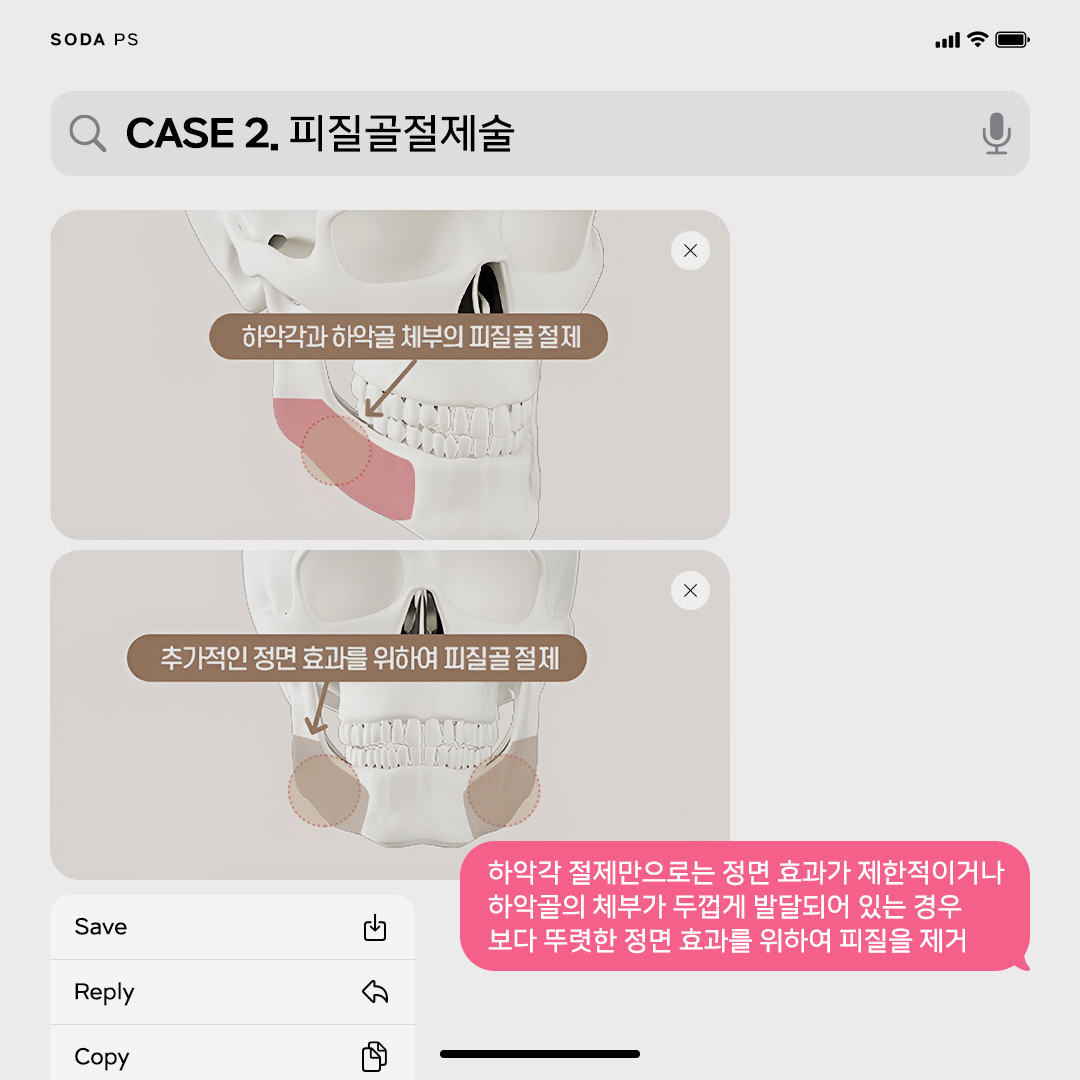
The resection line, which is the planned line of bone removal, is carefully designed to avoid over-resection. Removing too much bone can create a hollow or aged look, especially in patients with thinner soft tissue. It can also affect jaw stability if functional structures are not respected. The aim is to achieve a smoother, slimmer jawline while maintaining strength and natural support for the soft tissues.
If you have had previous orthognathic surgery or earlier contouring, the CT scan will show the position of any fixation plates and screws. These cases require more advanced planning, because the anatomy has already been altered and scar tissue may be present. Plate removal and revision contouring can often be performed together, but the exact plan depends on the CT findings.
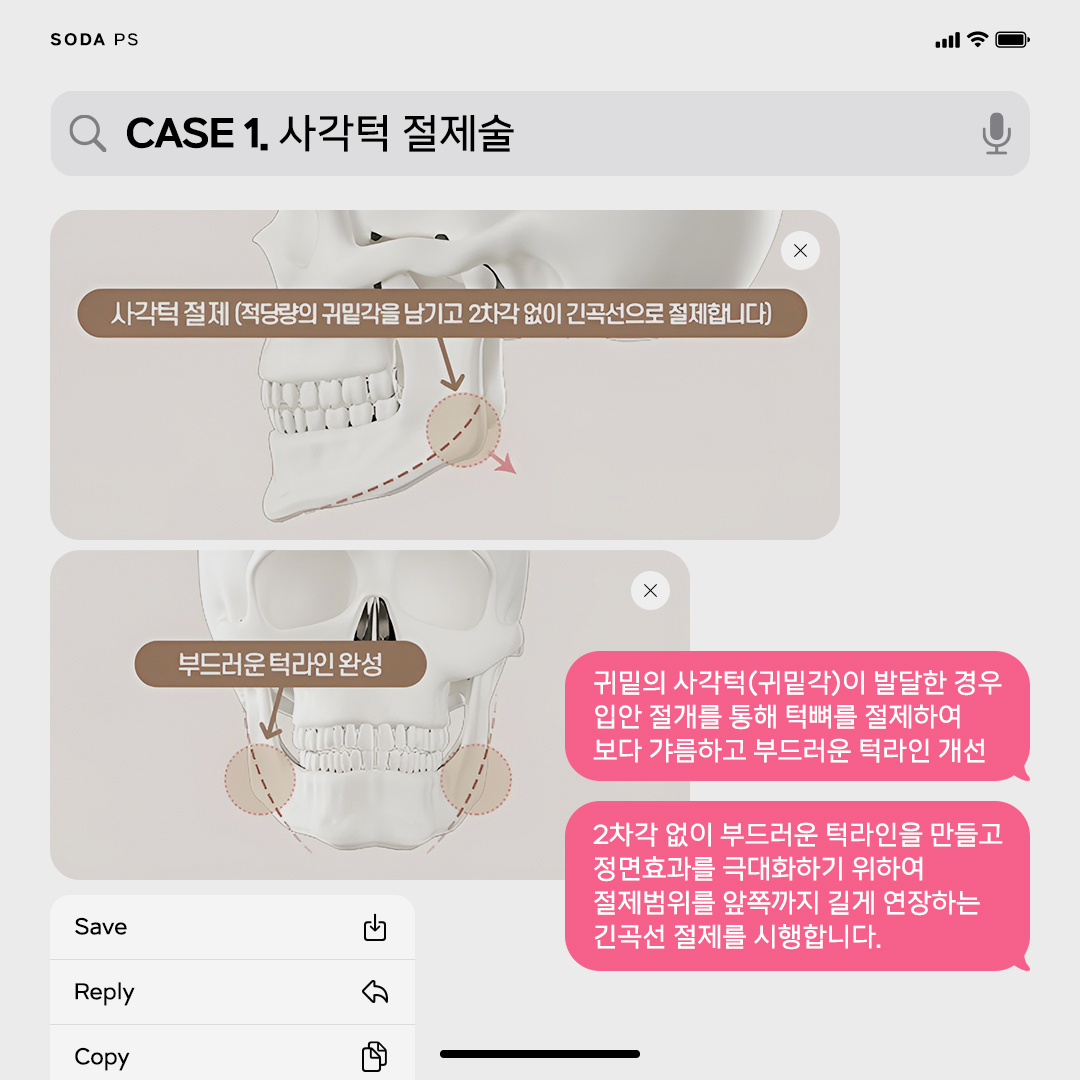
How square jaw reduction is performed
For most patients, the incision is made inside the mouth, along the inner cheek or lower gum area. This approach avoids visible external scars. Through this incision, the surgeon accesses the mandibular angle and lower border of the jawbone.
Bone contouring may include:
Shaving or cutting the prominent angle to reduce the width.
Smoothing the lower border to remove step-like irregularities.
Blending the transition from the angle toward the chin for a continuous curve.
The amount and pattern of bone removal are customized for each patient. Instead of simply cutting off the angle in a straight line, the surgeon uses the CT-based plan to decide how much to remove at each point. In some faces, a gentle slope is more suitable; in others, a slightly straighter line may match the existing soft tissue better.
In certain cases, square jaw reduction is combined with chin or V-line surgery. This combination can prevent a disconnected appearance where the angle is slim but the chin remains wide or blunt. By planning the full jawline from ear to chin, the surgeon can create a more natural V-line that fits your facial proportions.
Safety, anesthesia, and monitoring
Square jaw reduction is usually performed under general anesthesia.
This means that during surgery, a dedicated anesthesiologist continuously monitors your vital signs, adjusts anesthesia levels according to your condition, and is prepared to respond quickly if any issue arises. For overseas patients, this can be an important reassurance, especially if you are nervous about general anesthesia.
A structured safety system may include:
When comparing clinics, consider asking whether they provide a named-surgeon system so you know who is responsible for your surgery, and whether certain safety measures are in place. . Request written confirmation from the clinic about any specific equipment or medications you consider important.
When comparing clinics, it is reasonable to ask specifically about these safety measures and whether a dedicated anesthesiologist will be present for your procedure.
Surgeon background and facial contouring focus
For bone contouring surgery, the surgeon’s training and experience with facial skeletal anatomy are important. Desirable qualifications may include board certification in plastic surgery, experience leading facial contouring programs, and fellowship or attending experience in facial or craniofacial surgery at reputable hospitals. Always verify a surgeon’s specific credentials and case experience with the clinic.
Board-certified plastic surgeon.
Former head of a facial contouring center at a large plastic surgery hospital.
Previous fellowship or attending experience at a major university hospital.

This type of background is relevant because it usually means the surgeon has dealt with a wide range of facial bone cases, from primary contouring to complex revision surgery. It also suggests familiarity with both aesthetic goals and functional aspects such as bite, jaw movement, and nerve protection.
A clinic whose main service line is facial contouring and revision contouring often structures its menu around cheekbone contouring, square jaw reduction, V-line and mini V-line surgery, chin surgery, and revision procedures. This focused practice can be helpful for patients who want a team that regularly handles similar cases rather than a very broad, general cosmetic menu.
Revision and complex square jaw cases
Some patients seek treatment after previous jaw surgery if they feel the result is still too wide, too narrow, uneven, or unnatural. Revision square jaw reduction is usually more complex than first-time surgery because:
The anatomy has been changed already, and the original bone shape is no longer present.
Scar tissue may obscure normal landmarks.
Fixation plates and screws may be in place and need to be removed or repositioned.
There may be areas of over-resection that require careful contouring around weakened bone.
Clinics experienced in revision work often share CT-based before-and-after images of square jaw revision, cheekbone revision, and plate removal cases. These examples can help you understand what is realistically possible in complex situations. For overseas patients who are unhappy with earlier jaw surgery results, choosing a team familiar with revision contouring can be an important factor.
Recovery, downtime, and aftercare
Recovery after square jaw reduction varies from person to person, but there are some common patterns.
In the first few days, you can expect noticeable swelling around the lower face and sometimes the neck. Mild bruising may appear under the jawline or along the lower cheek. Pain is usually manageable with prescribed medication, but tightness and heaviness are common sensations.
Swelling gradually decreases over several weeks. Many patients feel comfortable returning to office-type work or light daily activities after about one to two weeks, depending on their job and personal comfort. The more refined contour generally becomes clearer over a few months as deep swelling resolves.
Temporary numbness or altered sensation along the jawline or lower lip can occur because the sensory nerves run near the surgical area. In most cases, this improves over time, but the recovery speed differs between individuals.
Postoperative care usually includes:
Regular follow-up visits to monitor healing, jaw function, and nerve status.
Oral hygiene instructions, such as gentle mouth rinsing and careful brushing, to keep the intraoral incision clean.
Diet guidance, often starting with soft foods and gradually returning to a normal diet as healing progresses.
Personalized aesthetic care and post-surgery management programs, which may include swelling management, skin care, and tissue support treatments to encourage smoother recovery.
For international patients, the clinic will typically schedule key follow-ups within your stay in Seoul and then arrange remote check-ins by video or photo once you return home.
Preparing for an online consultation
If you live overseas, most of your initial planning can be done through online or video consultation. To make this process more accurate and efficient, it helps to prepare the following:
Clear front, 45 degree, and side photos of your face with neutral expression and good lighting.
Any previous CT scans, X-rays, or medical reports related to your jaw or face.
Information about prior surgeries, including dates and what was done.
A list of your main concerns, such as “my jaw looks too wide from the front” or “my left side looks lower than the right.”
Any reference photos that show the general style of jawline you prefer, while understanding that your own bone structure sets the limits.
During the online consultation, the surgeon or consultant will usually explain whether your jawline issue seems to be mainly bone, muscle, or fat related, and what type of imaging is required. They may suggest square jaw reduction alone, or a combination with chin or V-line surgery, depending on your facial balance.
Expected visit timeline for treatment in Korea
While exact schedules vary, a typical visit plan for square jaw reduction in Seoul might look like this:
Day 1: In-person consultation, CT scan, photographs, and final surgical planning. Preoperative tests such as blood work and basic health checks are done.
Day 2: Surgery day. You are admitted, undergo surgery under general anesthesia, and stay in the recovery area or ward for monitoring.
Day 3 to 5: Early postoperative care. Swelling is most noticeable during this period. The clinic checks your condition, adjusts medications, and guides you on oral hygiene and diet.
Day 6 to 10: Continued recovery in Seoul. Follow-up visits are used to monitor swelling, incision healing, and jaw function. Some patients may be able to travel home after about one week, depending on their condition and flight duration.
Your exact stay may be shorter or longer based on your health status, the complexity of the surgery, and your comfort level with flying while still swollen. It is recommended to avoid very tight schedules and allow some flexibility for an extra day or two if needed.
Design philosophy and realistic expectations
There is no single ideal jawline that suits everyone. A design that looks attractive on one person may not match another person’s facial proportions or bone structure. A careful surgeon will discuss with you what is realistically achievable and what may not suit your face.
You are encouraged to bring reference photos to show your preferences, but it is important to remain open to professional guidance. Overly aggressive bone removal might create a dramatic change in the short term, but it can also lead to functional issues or an aged, hollow appearance later, especially as soft tissues naturally thin with age.
A balanced, conservative design that respects both aesthetics and function is often safer and more sustainable. The aim is usually a natural-looking, slimmer lower face that still looks like you, just more refined and harmonious.
Common worries and how to address them
Many overseas patients share similar concerns about square jaw reduction:
Fear of looking too different: Preoperative simulations and CT-based planning help the surgeon target a moderate, balanced change rather than an extreme transformation. You can discuss how much reduction you feel comfortable with.
Fear of nerve damage: The sensory nerves in the jaw area are carefully mapped on CT scans, and the surgical plan is designed to avoid them as much as possible. Temporary numbness is relatively common and usually improves over time, but permanent changes are less common. Your surgeon should explain these risks clearly.

Concerns about anesthesia: Knowing that a board-certified anesthesiologist will manage your anesthesia and that the clinic has structured safety systems can provide reassurance. You can ask about monitoring equipment, emergency protocols, and medications like dantrolene.
Anxiety about revision: If you already had jaw surgery and are unhappy with the result, it is natural to feel cautious. A clinic experienced in revision and plate removal can review your CT scans, explain what is realistically possible, and outline a step-by-step plan.
Frequently asked questions
What is the difference between square jaw reduction and V-line surgery
Square jaw reduction focuses mainly on the mandibular angle and the lower border of the jaw near the back of the face. V-line surgery usually includes both angle reduction and chin contouring to create a more pronounced V-shaped lower face. Some patients need only square jaw reduction, while others benefit from combining it with chin surgery for a smoother, continuous line.
How long does it take to see the final result after surgery
You may notice an immediate change in bone shape, but early swelling often obscures the full contour. Many patients begin to see a clearer, slimmer jawline within about four to six weeks as swelling decreases; the final, refined appearance can take several months as deeper tissues settle. Individual recovery timelines vary, so follow your surgeon’s instructions and ask your clinic for personalized estimates.
Can I return home soon after square jaw reduction if I live overseas
Many international patients return home about one week after surgery, once the clinic has confirmed that early healing is stable. However, the exact timing depends on your health, the complexity of the procedure, and the length of your flight. It is advisable to discuss your travel plan with the medical team in advance and avoid booking fixed, non-changeable tickets too close to the surgery date.

Is square jaw reduction suitable for everyone with a wide lower face
Not always. Some people have a wide lower face mainly because of strong masseter muscles or fat distribution rather than bone shape. In such cases, non-surgical options or different procedures may be more appropriate. A CT-based diagnosis is essential to determine whether your jawbone is the main cause and whether square jaw reduction, with or without additional procedures, is suitable for you.
Soft call to action
If you are considering square jaw reduction in Seoul and would like to know whether your jawline is suitable for bone contouring, an online consultation can be a practical first step. By sharing clear photos and any existing scans, you can receive a CT-based treatment plan, learn about the expected changes, and understand the timeline for a visit to Korea. Taking time to ask detailed questions and review your options will help you choose a safe, well-planned approach that fits your face and your lifestyle.





댓글
댓글 쓰기