Square jaw reduction surgery in Seoul for a slimmer, balanced lower face
- 공유 링크 만들기
- X
- 이메일
- 기타 앱
Direct answer summary
Square jaw reduction surgery is a facial bone contouring procedure that reshapes the jaw angle and lower border to reduce a wide, square appearance. For overseas patients, the process often includes detailed online consultation, a planned visit schedule, and organized postoperative follow-up.
What is square jaw reduction surgery
Square jaw reduction surgery focuses on the lower part of the face, especially the mandibular angle where the jaw turns from the side to the chin. When this angle is wide or very pronounced, the face can look square or heavy from the front and side.
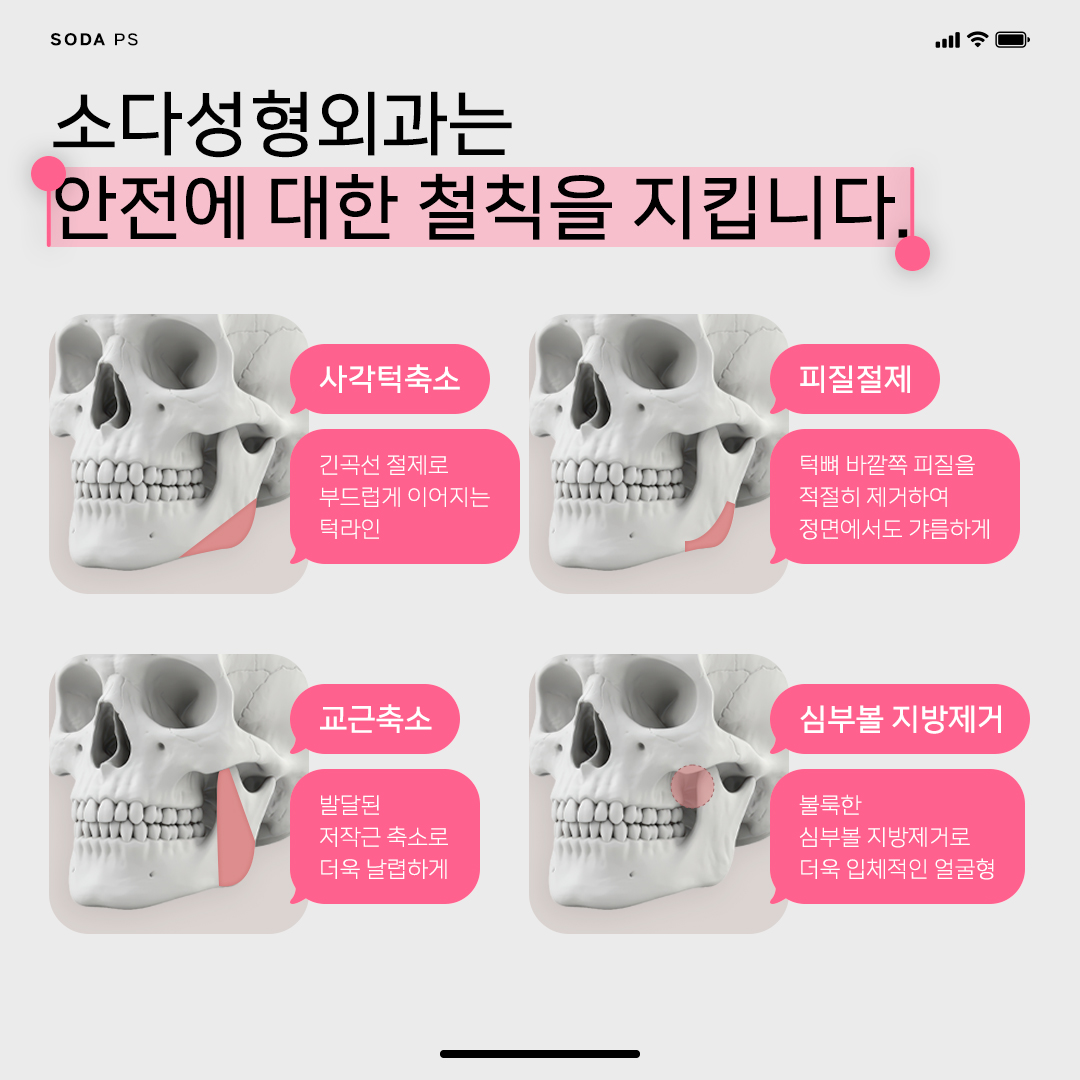
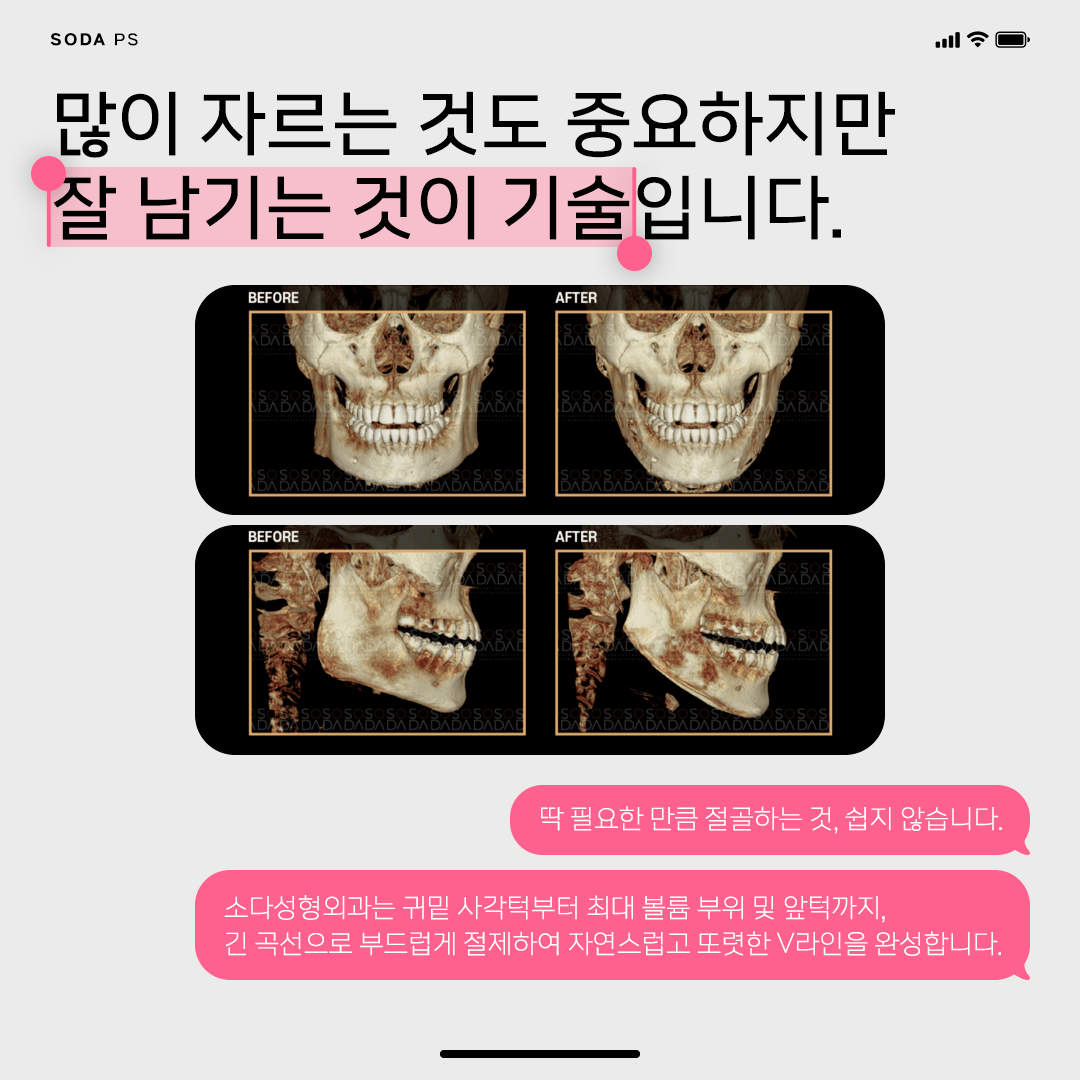
During surgery, the surgeon reshapes the jawbone by shaving or resecting the angle and sometimes the lower border of the mandible. The goal is a smoother, more continuous line from the ear area toward the chin, not an extreme or artificial V-line. Depending on your bone structure, the procedure can be combined with chin contouring or reduction of bulky jaw muscles.
The aim is to soften a strong square jaw, improve facial proportions, and create a slimmer lower face that still looks natural from all angles.

Who may consider square jaw reduction
Square jaw reduction may be considered if you are bothered by one or more of the following features.
A wide lower face that looks heavy in photos or from the front.
A strong, angular jaw angle that is visible from the side.
A square or boxy jawline that does not match a relatively slim upper face.
A lower face that looks wide even at a stable body weight.
There are two main patterns.
Bone dominant square jaw: The jawbone itself is wide or the angle is very pronounced. In this case, bone contouring surgery is usually needed for a clear change.
Muscle dominant square jaw: The masseter muscles at the back of the jaw are thick and bulky. In mild cases, botulinum toxin injections to the masseter may help slim the lower face without surgery.
Many patients have a combination of bone and muscle factors. CT imaging and physical examination help distinguish which is more important in your case. For some, non-surgical options can be tried first; for others, surgery is the more effective solution.
Preoperative evaluation and planning
Before square jaw reduction, careful planning is essential, especially for overseas patients who may have less time in Korea.

Facial proportion analysis
The surgeon will assess your face from the front, 45-degree angle, and profile. Key points include the width of the cheekbones, jaw width, chin length and position, and overall harmony with the nose and forehead. The goal is not only to make the jaw smaller, but to match the lower face to the rest of your features.
CT imaging of facial bones
Three-dimensional CT scans are used to see the exact thickness and shape of your jawbone, the position of important nerves, and any previous plates or screws if you had earlier jaw or double jaw surgery. For revision cases or pin removal, before-and-after CT comparisons are especially important to plan safe bone resection.
Bite and jaw function check
Your bite, jaw movement, and any history of joint symptoms are evaluated. Square jaw reduction usually does not change the bite like double jaw surgery, but the surgeon still needs to understand your jaw function to avoid unnecessary risk.
Discussion of desired face shape
Some patients want a very slim, V-shaped lower face, while others prefer a softer, natural narrowing that still keeps some strength in the jawline. During consultation, you can discuss.
How much change you expect from the front and side.
Whether you prefer a gentle curve or a more defined angle.
How the lower face should match your cheekbones and chin.
The surgeon uses this information, together with CT data, to design a resection line that aims to avoid a flat or hollow look.
Surgical methods for square jaw reduction
There are several techniques, and the final plan is customized to your anatomy.
Basic angle shaving
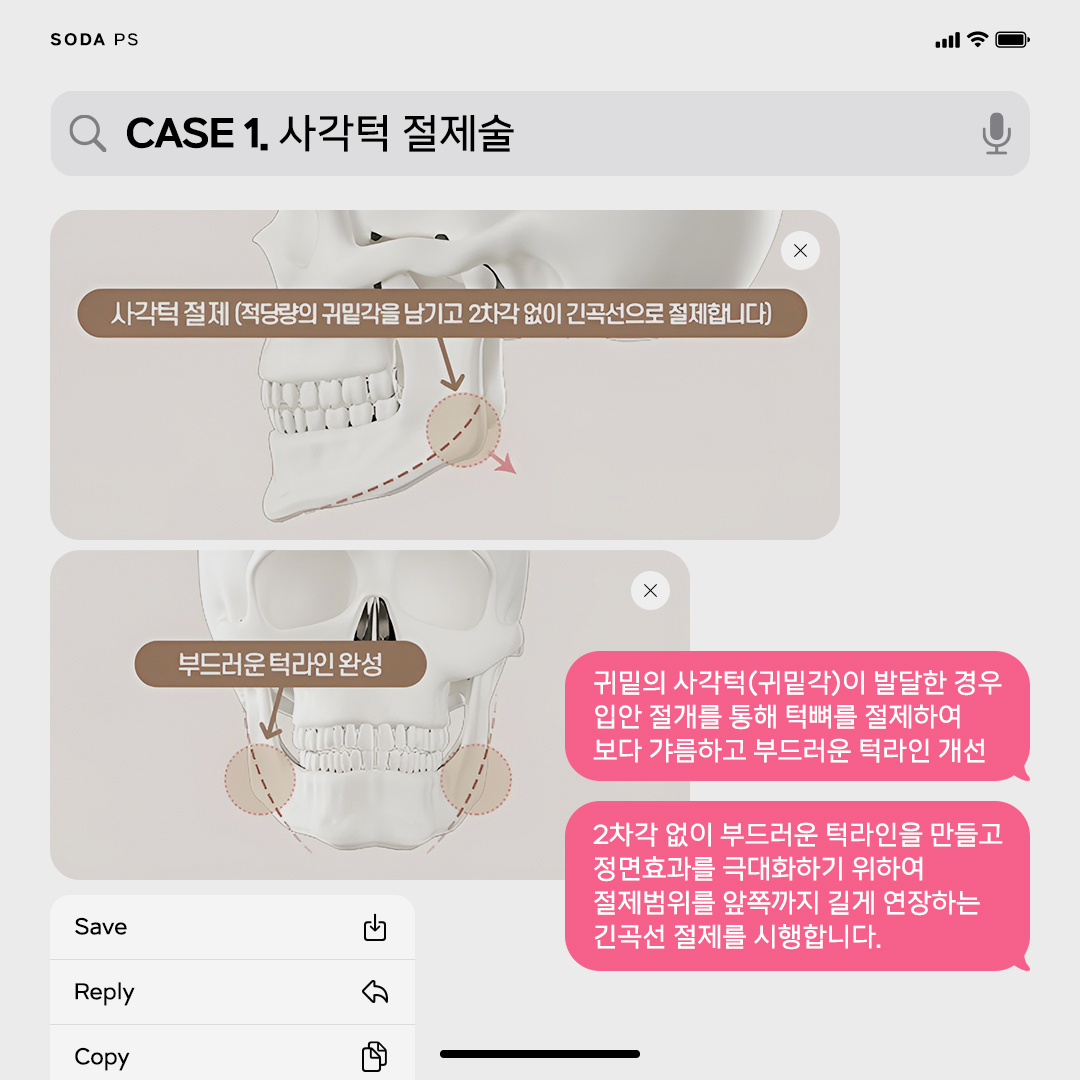
For patients whose main concern is a prominent corner at the back of the jaw, localized angle shaving may be enough. Through an incision inside the mouth, the surgeon removes the sharp angle and smooths the bone to create a softer transition. This is suitable when the lower border of the jaw is not overly thick.
Long curve mandibular contouring
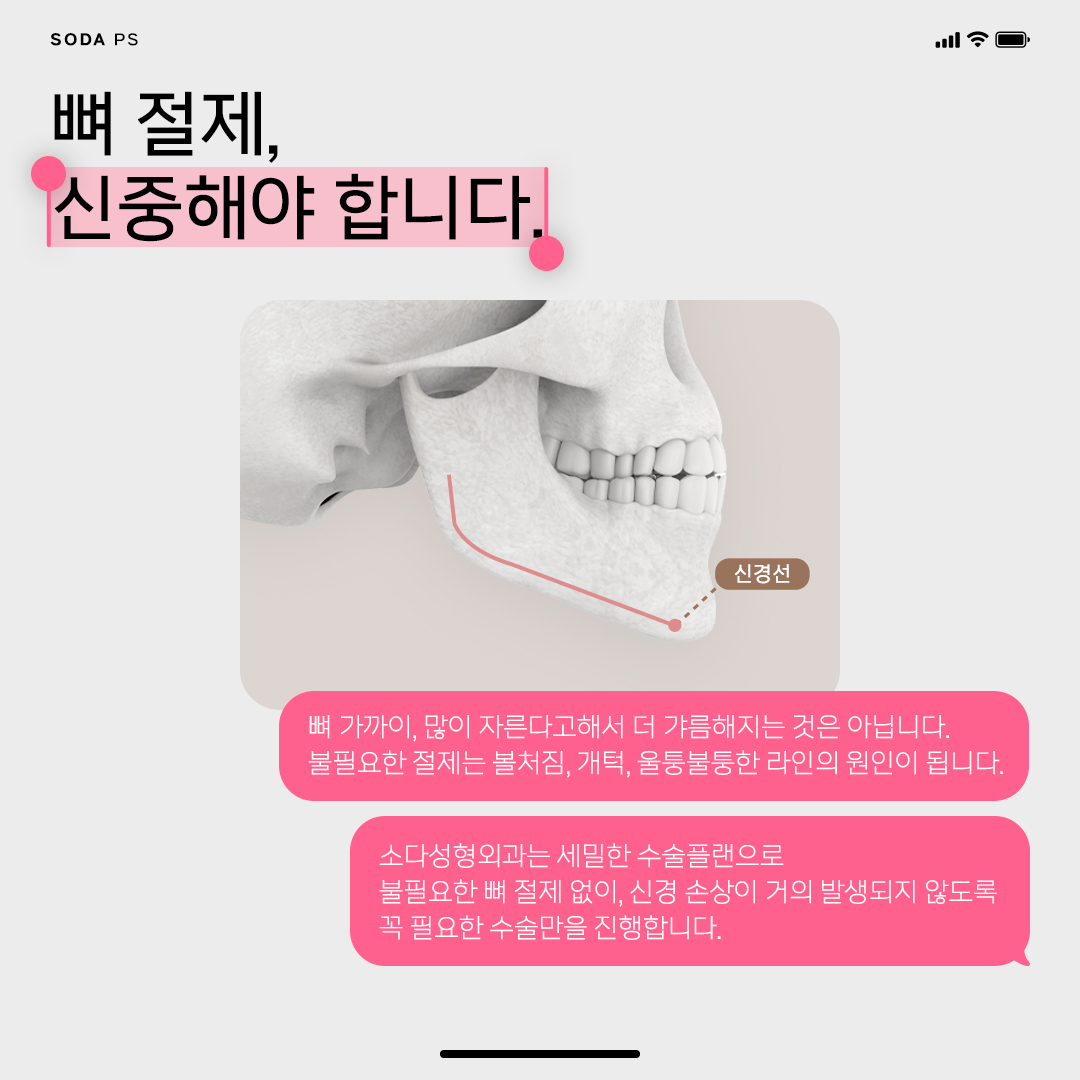
For a wide jawline that extends toward the chin, long-curve contouring is often used. Instead of only cutting the angle, the surgeon reshapes a longer segment of the lower border, from the angle toward the front, to create a continuous, gentle curve. This can give a more natural, slender look from the front view.
Combination with chin surgery
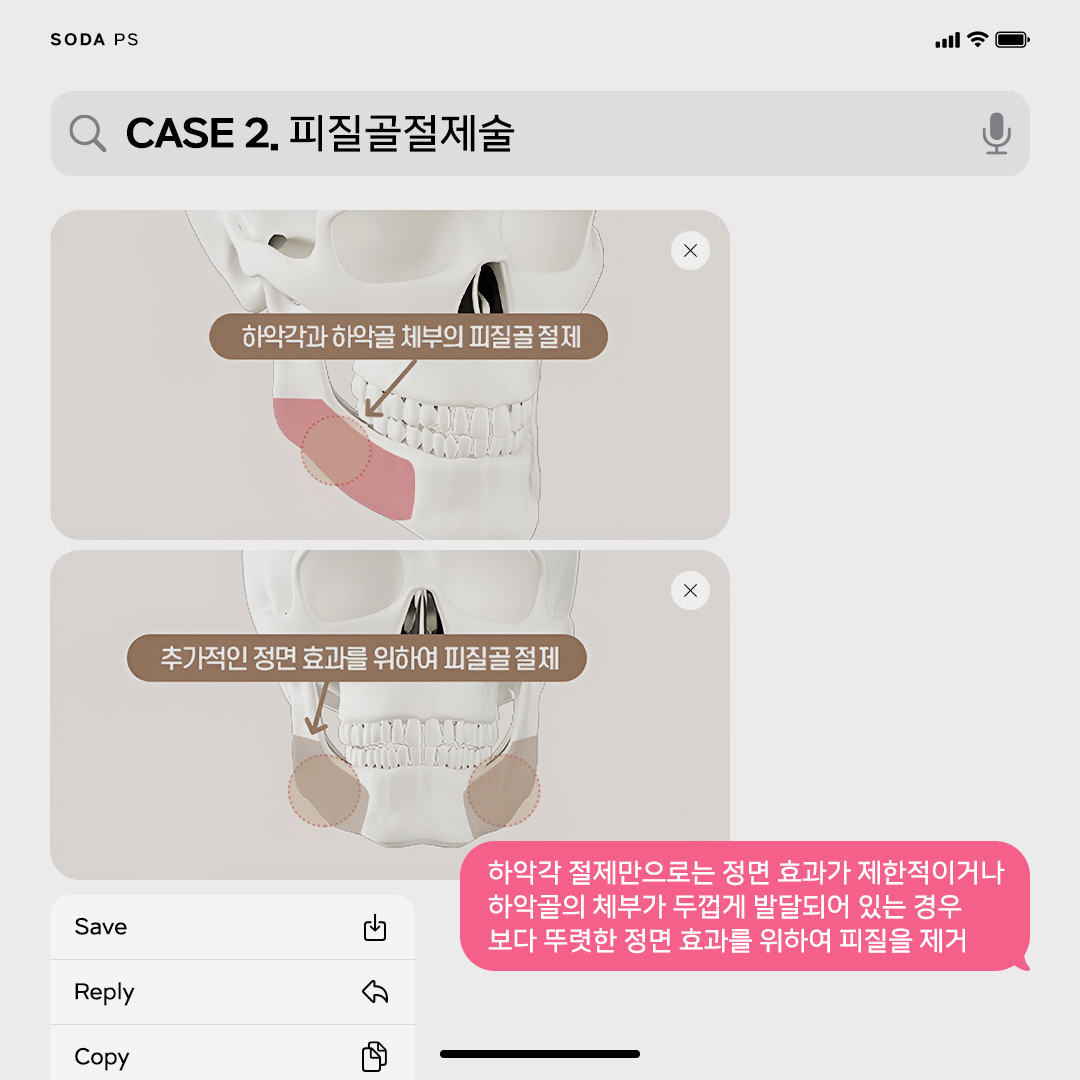
If the chin is short, long, or deviated, square jaw reduction may be combined with chin contouring. Options include narrowing a wide chin, slightly advancing a retruded chin, or correcting asymmetry. Balancing the chin with the newly contoured jawline often makes the overall result more harmonious.
Muscle reduction considerations
In patients with very thick masseter muscles, the surgeon may discuss additional methods to address muscle bulk. For many, non-surgical masseter botulinum toxin injections after bone surgery can help refine the contour over time. The choice depends on your baseline muscle thickness and expectations.
Anesthesia and how surgery is performed
Square jaw reduction is usually performed under general anesthesia because it involves bone contouring and requires stable, comfortable conditions for both patient and surgeon.
Role of the anesthesiology specialist
Some clinics employ anesthesiologists to manage anesthesia for facial bone procedures. An anesthesiologist typically monitors vital signs, adjusts anesthesia depth, and responds to changes during surgery—confirm with your clinic in advance about the anesthesia team's qualifications and who will be present. Having trained anesthesia staff is an important part of perioperative safety for bone-contouring operations.
General steps of the procedure
Incision: The surgeon typically makes incisions inside the mouth along the lower gum line, so there are no visible external scars in most standard cases.
Exposure: Soft tissue is gently elevated to expose the jawbone while protecting nerves and blood vessels.
Bone contouring: Using specialized instruments, the surgeon resects or shaves the planned areas of the mandibular angle and lower border, and smooths the edges to avoid irregularities.
Chin or additional contouring: If planned, chin reshaping or other contouring is performed in the same session.
Closure: The incisions are closed with dissolvable sutures inside the mouth.
Operation time varies depending on whether only the angle is treated or if long-curve contouring and chin surgery are added, but it often ranges from about one to several hours.
Safety system in facial bone surgery
Because square jaw reduction involves bone and general anesthesia, a structured safety system is important. Some clinics in Seoul emphasize concrete measures rather than only aesthetic results.
Named surgeon system
A named surgeon system means the surgeon you consult with is the one who operates on you, rather than an unknown doctor. For overseas patients, this can provide clarity about who is responsible for planning and performing the surgery.
CCTV in operating rooms
Some centers use CCTV in operating rooms for transparency and internal quality control. This is part of a broader effort to standardize procedures and monitor safety.
Emergency drug preparedness
Ask your clinic what emergency protocols, medications, and staff training they have in place for bone surgery.
Power and monitoring systems

For international patients, asking about these specific safety elements during online consultation can help you compare clinics in a practical way.
Recovery process and expected timeline
Recovery after square jaw reduction is gradual. Planning your stay in Korea with realistic expectations will make the process smoother.
Immediately after surgery
You are usually monitored in a recovery area until you wake up fully from anesthesia. Some clinics keep patients for observation for several hours or overnight, depending on the extent of surgery and your condition.
Swelling and discomfort
Swelling is most noticeable in the first week, often peaking around days 2 to 4. The face may feel tight and heavy. Pain is usually manageable with prescribed medication, but you should expect some discomfort, especially when opening the mouth.
Oral hygiene and diet
Because the incisions are inside the mouth, careful oral hygiene is essential. You may be advised to rinse with antiseptic mouthwash and brush gently, avoiding the incision area at first. A soft or liquid diet is commonly recommended in the early days to reduce strain on the jaw.
Return to daily life and work
Many patients can return to light daily activities within about one week, depending on their job and swelling tolerance. For office work, around 1 to 2 weeks is a common guideline, but this varies by individual and the extent of surgery.
Final contour visibility
Noticeable change in jaw width is often visible after the initial swelling subsides, usually within a few weeks. However, residual swelling, especially around the lower face, can take several months to fully resolve. Most patients see the more defined final contour around 3 to 6 months after surgery.
Lifestyle precautions
Sleep with your head elevated in the early period to help reduce swelling.
Avoid smoking and alcohol during initial healing, as they can slow recovery.
Avoid strong pressure or trauma to the jaw area.
Follow all instructions about physical activity, diet, and medications.
Risks, complications, and limitations
Like any surgery, square jaw reduction has potential risks. Understanding them helps you make an informed decision.
Nerve-related issues
The inferior alveolar nerve runs inside the lower jawbone and provides sensation to the lower lip and chin. If it is stretched or injured, temporary or, rarely, longer-term numbness can occur. CT-based planning and experienced technique aim to keep bone resection within a safe distance from the nerve.
Asymmetry
Most faces have some natural asymmetry. After surgery, slight differences between the left and right sides may remain or become more noticeable. Precise planning and intraoperative checking help reduce this, but perfect symmetry is not realistic.
Over-resection or under-correction
If too much bone is removed, the face may look too narrow or hollow. If too little is removed, the change may feel insufficient. Detailed preoperative discussion about your goals and careful design of the resection line are important to reduce this risk.
Infection and healing problems
Because the incisions are inside the mouth, bacteria are present. Good oral hygiene, appropriate antibiotics when indicated, and following aftercare instructions help lower the chance of infection.
Revision and pin removal experience
Some patients come to Seoul for revision facial contouring after previous jaw or double jaw surgery done elsewhere. Common issues include persistent width, asymmetry, or dissatisfaction with the shape.
In such cases, CT-based before-and-after comparisons are used to understand what bone has already been removed, where plates or screws are located, and what can safely be adjusted. Pin or plate removal may be performed together with contouring revision if needed. These cases are more complex and require detailed planning and realistic discussion about what improvements are possible.
Preparing for surgery from overseas
If you are planning square jaw reduction from abroad, good preparation before you travel can save time and reduce stress.
Online consultation
You may be asked to send.
Front, 45-degree, and side photos with hair pulled back.
Information about your age, medical history, and any previous facial surgery.
Your main concerns and example photos that show the kind of contour you prefer.
Some clinics can review outside CT scans if you already have them, although final planning usually uses CT taken on site in Seoul.
Questions to prepare before contacting a clinic
What type of square jaw do I have mainly, bone or muscle dominant, based on my photos and CT.
Is long-curve contouring recommended or only angle shaving.
Is chin surgery advised in my case, and why.
How many days in Korea are recommended for my specific plan.
What safety systems are in place for anesthesia and emergency situations.
Expected Korea visit timeline
The exact schedule depends on the clinic and your plan, but a common structure for overseas patients is as follows.
Day 1: Arrival and rest, or initial in-person consultation if timing allows.
Day 2: Detailed consultation, facial photos, CT scan, laboratory tests, and confirmation of surgical plan.
Day 3: Surgery day, followed by recovery and observation.
Days 4 to 7: Follow-up visits for swelling check, dressing changes if needed, and guidance on oral care and diet.
Days 8 to 10 or longer: Additional follow-up, suture check if required, and final clearance for flying home.
Some patients stay about 7 to 10 days, while others choose a slightly longer stay for more follow-up. Discuss this in advance so you can plan flights and accommodation accordingly.
Aftercare once you return home
After you leave Korea, you will continue healing for several months. Many clinics provide online follow-up through messaging or video calls.
You may be asked to send updated photos at certain time points.
If you have questions about swelling, sensation, or bite, you can usually contact the clinic for advice.
If any urgent issue arises, you should also see a local doctor in your country.
Keeping a simple record of your symptoms, photos, and any medications taken can help both you and your surgeon track your recovery.

How to choose a clinic for square jaw reduction in Seoul
When comparing clinics, look beyond photos and price. Consider these practical points.
Is the clinic’s main surgical lineup focused on facial contouring procedures such as cheekbone reduction, square jaw surgery, V-line surgery, and chin surgery, including revision cases.
Does the lead surgeon have a background in facial contouring, for example experience as head of a facial contouring center at a large hospital or as a fellow at a major university hospital.
Is CT-based planning routinely used for square jaw and revision cases.
Is anesthesia managed by an anesthesiology and pain medicine specialist.
Are safety systems such as named surgeon policy, operating room CCTV, emergency medications, uninterruptible power supply, central monitoring, and gas leak alarms clearly described.
Does the clinic offer clear, realistic explanations rather than only dramatic before-and-after images.
For international patients, it is also helpful if the clinic provides support in your language and is located in an accessible area such as Gangnam-daero in Seocho-gu, which is well connected by public transport.
FAQ about square jaw reduction surgery
Difference between square jaw reduction and V-line surgery
Square jaw reduction focuses mainly on the back and lower border of the jaw, softening a wide or angular lower face. V-line surgery is a broader term that often includes both jaw angle reduction and chin reshaping to create a more tapered lower face. Not everyone needs a full V-line procedure; some patients achieve their goals with square jaw reduction alone, while others benefit from combining it with chin contouring.
Are there visible scars after square jaw reduction
In standard square jaw reduction, incisions are made inside the mouth along the lower gum line, so there are usually no visible external scars. In some complex or revision cases, additional small external incisions may be considered, but this is less common and would be discussed with you in advance.
How long does swelling last and when can I fly home
Initial swelling is usually most intense in the first week and then gradually decreases over several weeks. Some patients may be cleared to fly about 7–10 days after surgery, but travel timing should be decided case-by-case by your surgeon and take into account your healing, any complications, and relevant airline or medical guidelines. Residual swelling can continue to improve for several months, so your face may keep refining after you return home.

Will square jaw reduction affect chewing or sensation
Square jaw reduction is designed to preserve normal chewing function and protect important nerves. Some temporary changes in sensation, such as numbness or tingling in the lower lip or chin, can occur as tissues heal. In most cases, these symptoms improve over time, but there is a small risk of longer-term changes. A careful CT-based plan and experienced technique help reduce this risk.
Can non-surgical options replace surgery for a square jaw
For patients whose square jaw is mainly due to thick masseter muscles, non-surgical options such as botulinum toxin injections can sometimes provide a noticeable slimming effect. However, if the main cause is bone width or a very pronounced angle, injections alone will not change the bone shape. In those cases, surgery is usually needed for a significant and lasting contour change.
Soft call to action
If you are considering square jaw reduction surgery in Seoul and would like a personalized assessment, you can start with an online consultation. By sharing your photos, medical history, and goals, the facial contouring team can suggest whether bone surgery, non-surgical options, or a combination may suit you, and help you plan a realistic treatment and travel schedule tailored to your needs as an overseas patient.

- 공유 링크 만들기
- X
- 이메일
- 기타 앱


댓글
댓글 쓰기