Square jaw reduction surgery in Seoul: what international patients should know
- 공유 링크 만들기
- X
- 이메일
- 기타 앱
Direct answer summary
Square jaw reduction, also called mandibular angle reduction, is a bone-contouring surgery that reshapes the posterior and lower border of the jaw to slim a wide or angular lower face. It is typically performed under general anesthesia via incisions inside the mouth and planned from imaging (such as CT or 3D scans) to map bone and nerve locations. If you're traveling from abroad to Gangnam-daero in Seocho-gu, Seoul, remember this is true bone surgery—not a simple injection—so confirm the surgical plan and aftercare in advance. For online consultations, prepare clear photos (full-face front and both profiles, relaxed and smiling), any prior imaging or operation reports, and a list of medications and medical history. Ask concrete questions during consultation: what changes to bone are expected, the typical recovery timeline, who will manage anesthesia, the follow-up schedule, and what postoperative care is included.
What is square jaw reduction surgery
A square or wide lower face can be caused by several factors. In many people, the mandibular angle bone at the back of the jaw is thick or protruding, making the jawline look strong and angular from the front and side. In others, the masseter muscle at the side of the jaw is enlarged, so the lower face looks bulky even if the bone is not very wide. Quite often, both bone and muscle contribute to the square appearance.
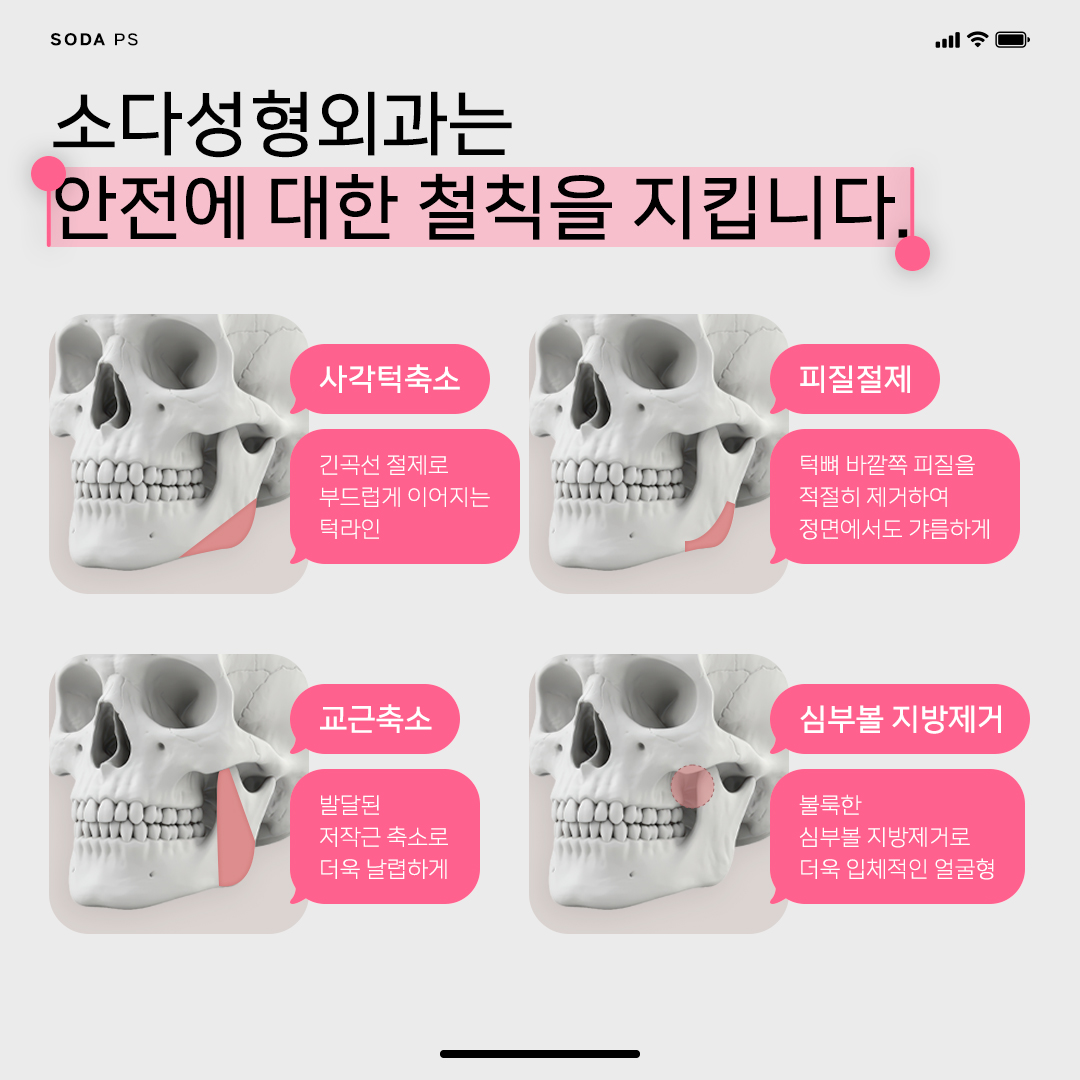
Square jaw reduction focuses on the bone. The surgeon reshapes and reduces the mandibular angle and the lower border of the jaw to create a slimmer, softer jawline and a more V-shaped effect when viewed from the front. Depending on CT findings and facial balance, this may be combined with chin contouring or V-line surgery if the chin is too long, short, or asymmetric.

This procedure is different from simple jaw-slimming injections. Masseter injections target the muscle only and cannot remove bone. Thread lifting tightens skin but does not change the skeletal structure. Square jaw reduction is bone surgery, usually performed under general anesthesia, and requires careful imaging and planning.
Who may consider square jaw reduction
People usually start researching square jaw surgery when they feel their lower face looks wider or heavier than they would like, especially in photos or video calls.
Typical candidates include those whose lower face looks broad from the front or side, even when they are at a healthy weight. If you have a strong, angular jawline that does not change much with weight loss, the underlying bone may be the main cause. Some patients have already tried masseter injections and noticed that while the muscle became a little smaller, the hard bony angle is still visible. In such cases, bone contouring may be needed for a clear change in shape.
From a medical point of view, basic candidacy usually includes adults with completed facial growth, without serious systemic disease that would make general anesthesia unsafe. It is also important to have realistic expectations. Square jaw reduction can refine the jawline and improve facial balance, but it does not completely change your identity or guarantee a specific celebrity look.
Final candidacy should always be confirmed after consultation, physical examination, and imaging such as CT. CT scans allow the surgeon to check bone thickness, the exact shape of the mandibular angle, and the location of important nerves.

Types and design of square jaw reduction
There is no single method that fits everyone. The design is individualized based on your bone structure, soft tissue, and overall facial proportions.
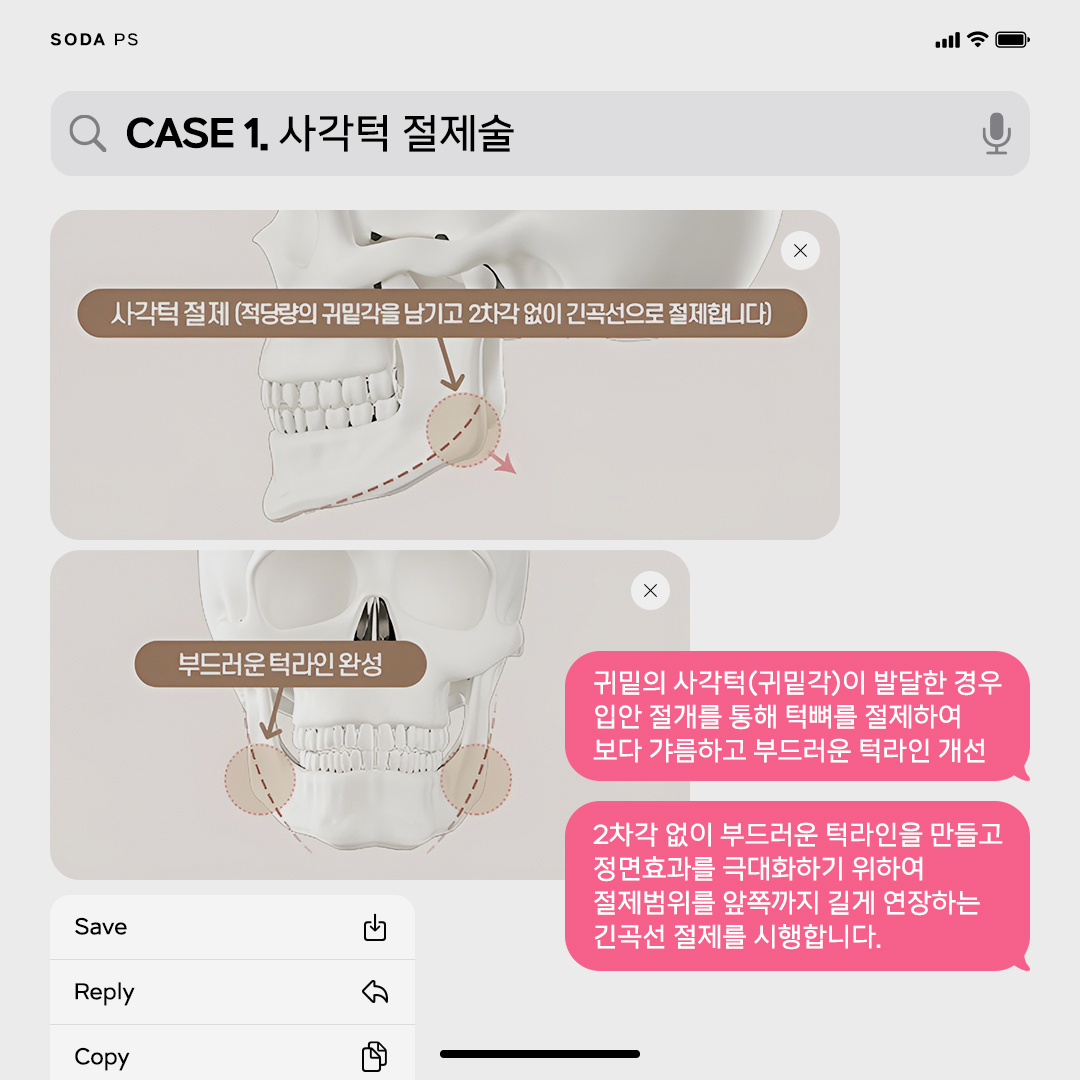
Mandibular angle reduction focuses on the back corner of the jaw. The surgeon reduces or cuts the prominent angle to soften the sharp corner that makes the jawline look square. This can make a big difference in the side view and the 45-degree view.
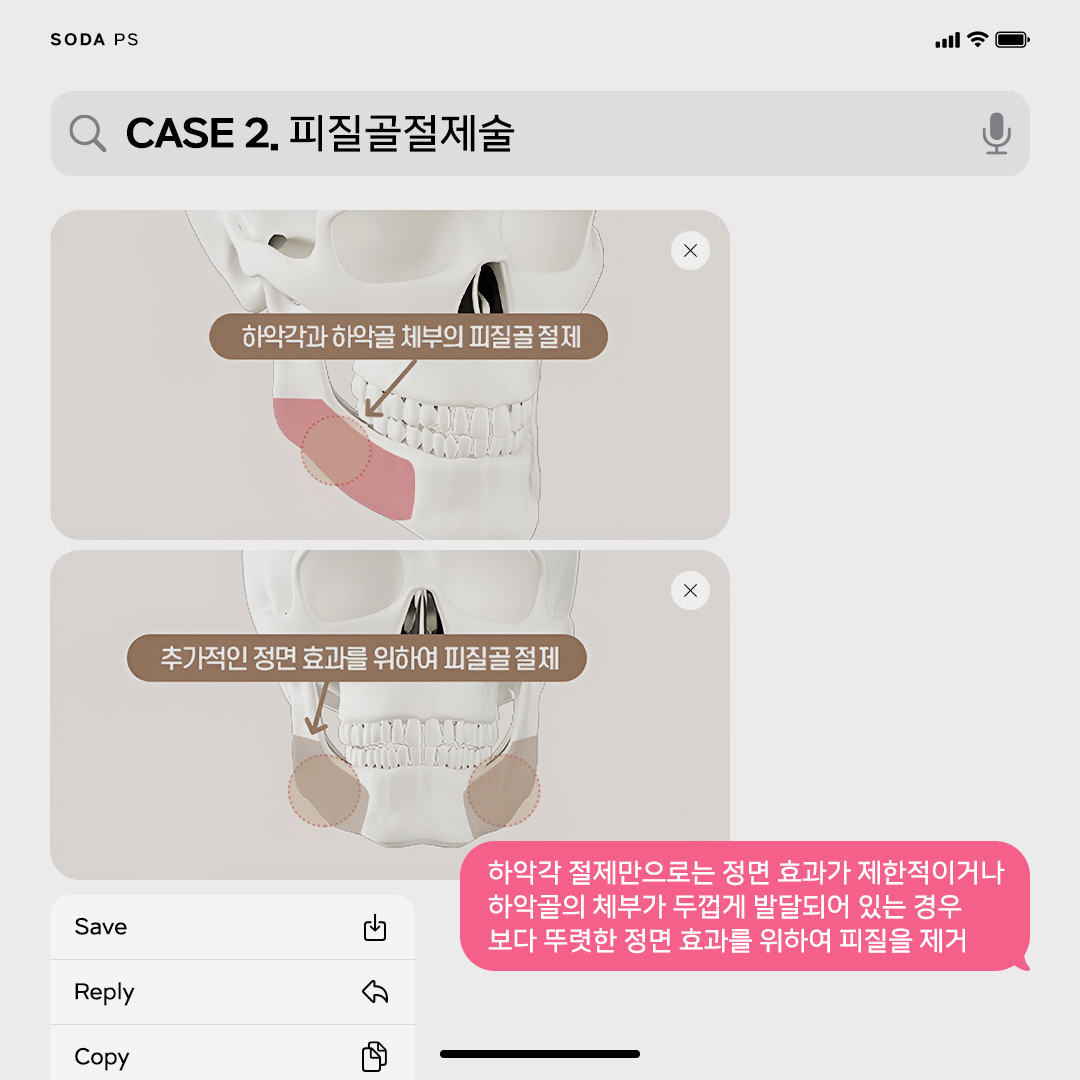
Cortical bone shaving along the lower border can be added when the lower edge of the jaw is thick or irregular. By smoothing the bone from the angle toward the chin, the surgeon creates a more continuous, flowing line rather than a step-like or blocky contour.
In some cases, chin surgery (genioplasty) or V-line surgery is combined with square jaw reduction. For example, if the chin is long and heavy, only reducing the angles may not achieve a balanced look. If the chin is short or asymmetric, adjusting it together with the jaw angles can create a more harmonious front view.
A key point is that the goal is not to make every face look the same. Different patients have different bone thickness, jaw width, and facial width. The surgeon should evaluate the front view, 45-degree view, and side view, and design a plan that suits your own facial balance, not just reduce as much bone as possible.
How the surgical process usually works
Before surgery, you will go through a preoperative evaluation. This typically includes a detailed medical history, physical examination, and facial proportion analysis. CT imaging is used to assess bone thickness, the exact shape of the mandible, nerve location, and any asymmetry between the left and right sides.
For international patients, knowing that a doctor specifically monitors anesthesia may provide added reassurance—ask the clinic for details during your consultation.
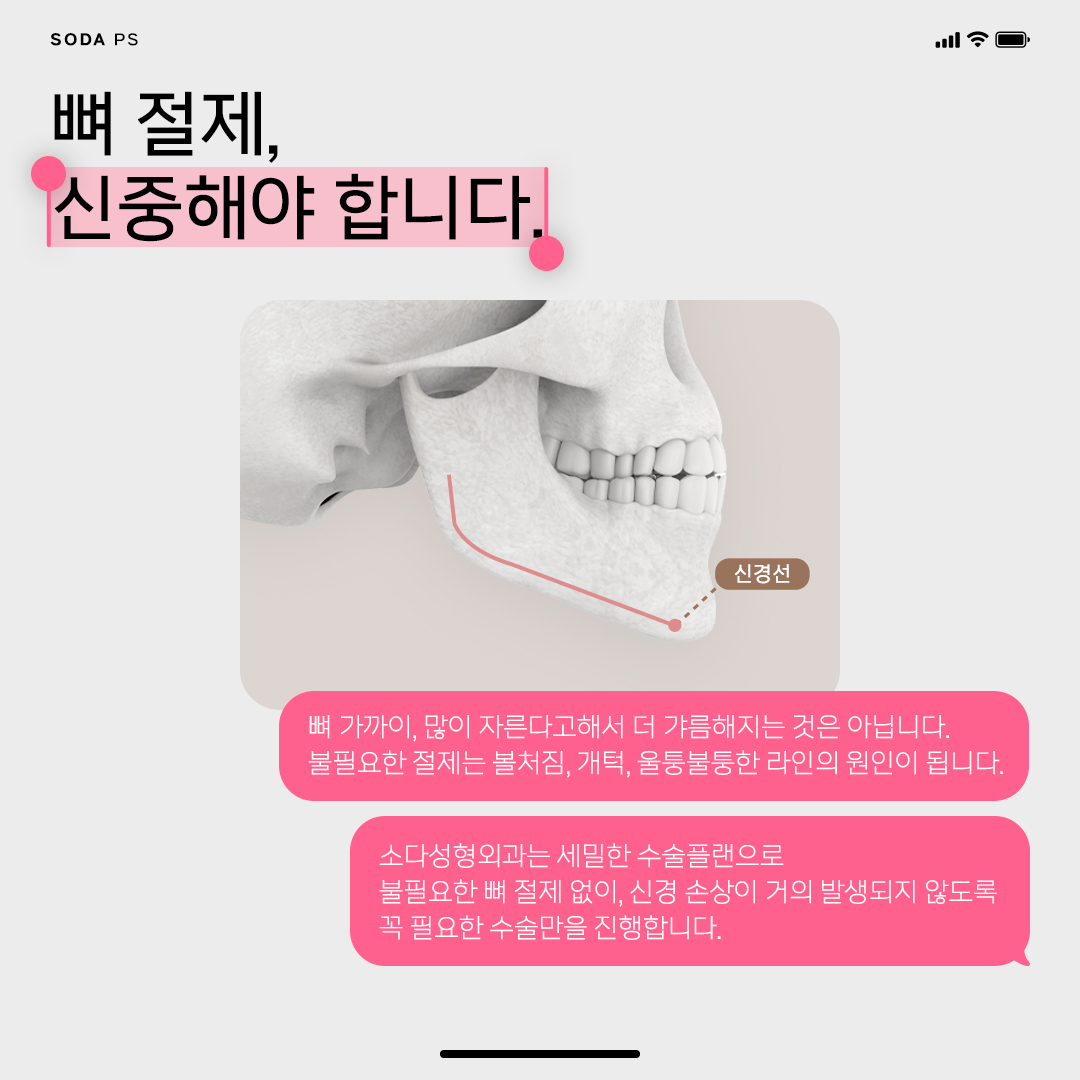
During the surgery, the incision is usually made inside the mouth near the back molars, so there are no visible scars on the skin. The surgeon carefully exposes the mandibular angle and lower border of the jaw, then performs bone cutting and shaving according to the pre-planned design. Throughout this process, protecting the inferior alveolar nerve, which runs inside the jawbone and affects sensation in the lower lip and chin, is a major priority.
After reshaping, the bone edges are smoothed and the area is irrigated. The incision is closed, and small drains may be placed temporarily to help remove fluid and reduce swelling.
Recovery, downtime, and aftercare
Right after surgery, you may stay in the clinic or hospital for short-term observation, depending on the extent of the procedure and the clinic’s policy. Swelling and some bruising are expected, especially during the first week. The lower face can feel tight, and talking or chewing may be uncomfortable at first.
During the first one to two weeks, most patients experience the peak of swelling and discomfort. A soft or liquid diet is usually recommended to avoid putting pressure on the jaw and to protect the intraoral incision. Pain is generally manageable with prescribed medication, but you should plan for real downtime during this period.
Around three to four weeks after surgery, daily activities become more comfortable for many patients. Swelling gradually decreases, and you may feel more confident returning to light work or social activities, depending on your job type and your own comfort level. Heavier exercise and very active social events may need to wait longer.
The final contour of the jawline takes time to show. Deep swelling in the tissues around the bone can take several months to fully settle. Many people see a clear change by three months, with further refinement up to six months or more. These timelines are approximate and not guaranteed, as individual healing varies.
Because the incision is inside the mouth, oral hygiene is very important. You will usually be instructed to use mouth rinses and to brush carefully, avoiding trauma to the incision area. Hard or chewy foods should be avoided for a certain period to reduce stress on the jaw and protect healing tissues. Follow-up visits are important to monitor healing, check nerve sensation, and confirm that the bone contour is stable.
Risks, side effects, and safety considerations
Like any bone surgery under general anesthesia, square jaw reduction carries potential risks. Common temporary side effects include swelling, bruising, and discomfort. Some patients experience temporary numbness or altered sensation in the lower lip or chin due to irritation of the nerve. This usually improves over time, but the course can vary.

Other possible complications include infection, bleeding, or hematoma. There is also a risk of asymmetry or dissatisfaction with the final contour, especially if preoperative expectations were not clearly aligned with what is surgically realistic. Rare but more serious complications can involve significant nerve injury or anesthesia-related events.
To reduce these risks, careful planning is essential. Preoperative CT helps prevent excessive bone removal and allows the surgeon to understand the exact position of the inferior alveolar nerve. During surgery, gentle technique and constant awareness of the nerve path are crucial.
The clinic states it emphasizes a structured approach to safety. Ask whether an anesthesiologist oversees anesthesia management and whether the facility uses a named-surgeon system so you know who is responsible for your procedure. Also request specifics about safety systems and emergency preparedness—examples you might ask about include emergency drugs (for example, dantrolene), power backups, monitoring systems, gas leak detection, and video monitoring—and request written confirmation of what is available. These measures do not guarantee outcomes, but documented safety systems can indicate organized safety management.
Clinic positioning and experience
If the surgeon's prior roles or training are important to you, ask the clinic for documentation of the surgeon's professional background, affiliations, and case history so you can assess their experience with jaw and facial bone procedures.
If you have had prior facial bone surgery, ask whether the clinic handles more complex situations such as revision contouring and hardware removal, and request anonymized case examples or references. Ask specifically whether the clinic can provide CT-based before-and-after documentation to illustrate changes in bone structure. Experience with higher-difficulty cases may be relevant for patients seeking correction or refinement after previous surgeries, so confirm scope and examples during your consultation.
Preparing for an online consultation and your visit
If you are overseas and planning to travel to Seoul for square jaw reduction, it is helpful to prepare before your online consultation. Clinics usually ask for clear front, 45-degree, and side-view photos of your face, taken in good lighting without heavy makeup or filters. If you have had any previous facial surgery or injections, gather that information, including dates and any available imaging.
Make a list of your main concerns. For example, you might note whether you are more bothered by the width from the front, the angle from the side, or asymmetry between left and right. Also think about what you hope to achieve: a softer jawline, a more V-shaped face, or a more balanced profile.
During the online consultation, you can discuss whether your square jaw seems more related to bone, muscle, or both. The surgeon can explain what type of imaging will be done when you arrive, and outline a tentative plan and expected visit schedule. This is also the time to ask about anesthesia, hospitalization, follow-up, and how long you should stay in Korea after surgery.
Expected Korea visit timeline for square jaw surgery
While details vary by clinic and individual case, many international patients follow a similar pattern when coming to Seoul for square jaw reduction.
On day one or two, you usually have an in-person consultation, physical examination, photographs, and CT imaging. The surgeon confirms the surgical plan, explains the design in detail, and discusses risks and recovery. Preoperative tests for anesthesia safety are also done.
Surgery is often scheduled within a few days after the initial visit, depending on your travel schedule and the clinic’s availability. You will need to fast for a certain period before anesthesia. After surgery, you may stay for observation, then return to your accommodation with instructions for medication, diet, and oral care.
Most overseas patients are advised to stay in Korea for at least one to two weeks after surgery for early follow-up visits and to manage the initial swelling phase. If possible, a slightly longer stay can be helpful, especially if you are combining procedures. When you return home, online follow-up using photos and, if needed, local check-ups can support your long-term recovery.
What to check when choosing a square jaw reduction clinic
When comparing clinics in Seoul, it helps to use a practical checklist rather than focusing only on price.
First, check whether facial contouring is a main focus of the clinic, not just an occasional procedure. A clinic that regularly performs square jaw, cheekbone, and V-line surgeries is more likely to have established protocols and experience.
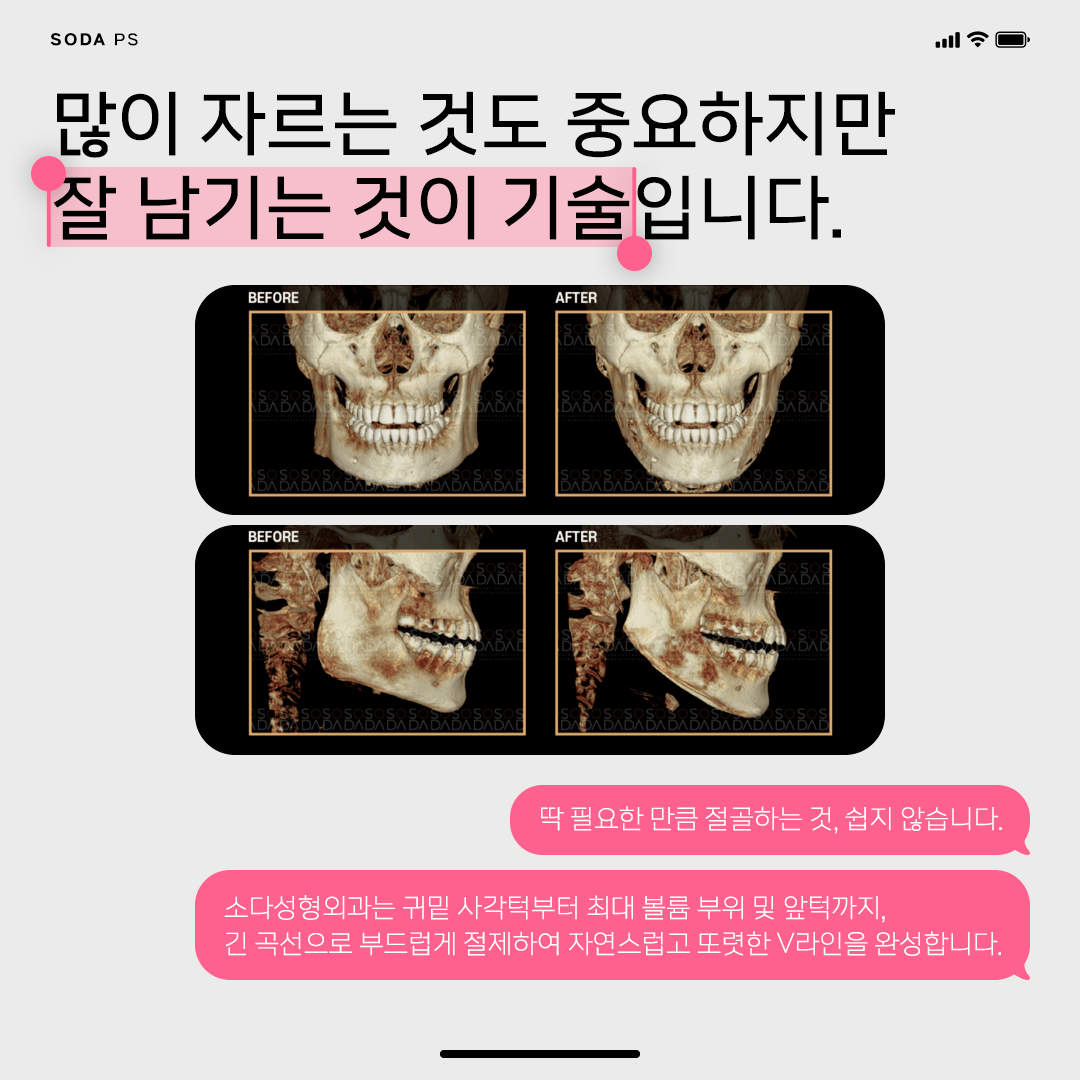
Second, confirm that CT-based diagnosis and planning are available for jaw surgery. CT imaging is important to understand your bone and nerve anatomy and to plan safe bone removal.
Third, ask who will actually perform your surgery. Knowing the name of the plastic surgeon and their training background can give you a clearer picture of their experience. You can ask about their previous roles, such as work at large hospitals or university centers.
Fourth, check whether a board-certified anesthesiologist manages anesthesia. For bone surgery under general anesthesia, having a dedicated anesthesia specialist is a significant safety factor.
Fifth, look for transparency about safety systems and emergency preparedness. Ask about monitoring systems, emergency drugs, power backup, and whether there is CCTV in operating rooms.
Finally, ask to see real, CT-supported before-and-after cases for procedures similar to what you are considering. While every patient is different, such examples can help you understand the range of achievable changes and the clinic’s approach to design.

Common questions about square jaw reduction
Is square jaw reduction the same as V-line surgery
Square jaw reduction and V-line surgery are related but not identical. Square jaw reduction focuses mainly on the mandibular angle and lower border of the jaw, reducing the width and angularity of the back part of the jaw. V-line surgery usually includes both angle reduction and chin reshaping to create a more tapered, V-shaped lower face. Depending on your current jaw and chin shape, your surgeon may recommend angle reduction alone or a combination with chin contouring.
Will my face look too small or unnatural after surgery
The aim of modern square jaw surgery is balanced facial proportions, not extreme reduction. During planning, the surgeon considers your overall face width, cheekbones, chin, and even neck line to design a contour that suits you. Over-reduction can lead to an unnatural look or functional issues, so responsible surgeons avoid removing bone beyond what is safe and harmonious. Clear communication about your preferences and reviewing example cases during consultation help align expectations.
How painful is the recovery
Most patients experience discomfort rather than sharp pain. The first few days can feel tight and sore, especially when moving the mouth or chewing. Pain is usually controlled with prescribed medications, and swelling often causes more discomfort than pain itself. As the first one to two weeks pass, discomfort typically decreases. Individual pain tolerance varies, so it is important to discuss pain management options in advance.
When can I return to work or social activities
This depends on your job type and how visible swelling is acceptable to you. Many people with desk-based work can consider returning in about one to two weeks, when the most intense swelling has started to subside. However, some residual swelling and stiffness are common for longer. If your work involves heavy physical activity or if you are often in front of a camera, you may want to allow more time. Your surgeon can give a more tailored estimate based on your planned procedure.
Are the results of square jaw reduction permanent
However, soft tissues and muscles can change over time with aging, weight fluctuations, and lifestyle. For example, if the masseter muscle is very strong and not addressed, it may still influence the contour to some degree. Maintaining a stable weight and healthy habits can help support a long-lasting result.

Soft call to action
ation may be appropriate, and what kind of visit schedule to expect in Korea.
A well-planned square jaw reduction is a bone-contouring procedure aimed at creating a slimmer, softer lower face when the jawbone itself is the main cause of width. Safe surgery depends on detailed imaging, an experienced facial contouring surgeon, and structured anesthesia and safety systems. Taking time to ask questions and compare clinics will help you find a jawline design and treatment plan that fit your own facial balance and travel plans.



- 공유 링크 만들기
- X
- 이메일
- 기타 앱


댓글
댓글 쓰기