Square jaw surgery recovery time guide for overseas patients in Seoul
- 공유 링크 만들기
- X
- 이메일
- 기타 앱
Square jaw surgery recovery time: week‑by‑week guide
If you are thinking about square jaw reduction surgery in Seoul, one of your biggest questions is probably how long recovery will take. Recovery timelines vary widely between individuals. Many patients notice major swelling reduction within a few weeks, while fuller soft‑tissue settling and jawline refinement can continue for several months. Discuss your likely timeline, return‑to‑work plan, and cosmetic goals with your surgeon so you can plan appropriately.
The exact timeline is different for everyone. It depends on how much bone is reshaped, whether other facial contouring procedures are combined, your general health, and how well you follow aftercare instructions. This guide explains the usual stages of recovery so you can plan your trip and time off more realistically.
What square jaw surgery does and why recovery takes time
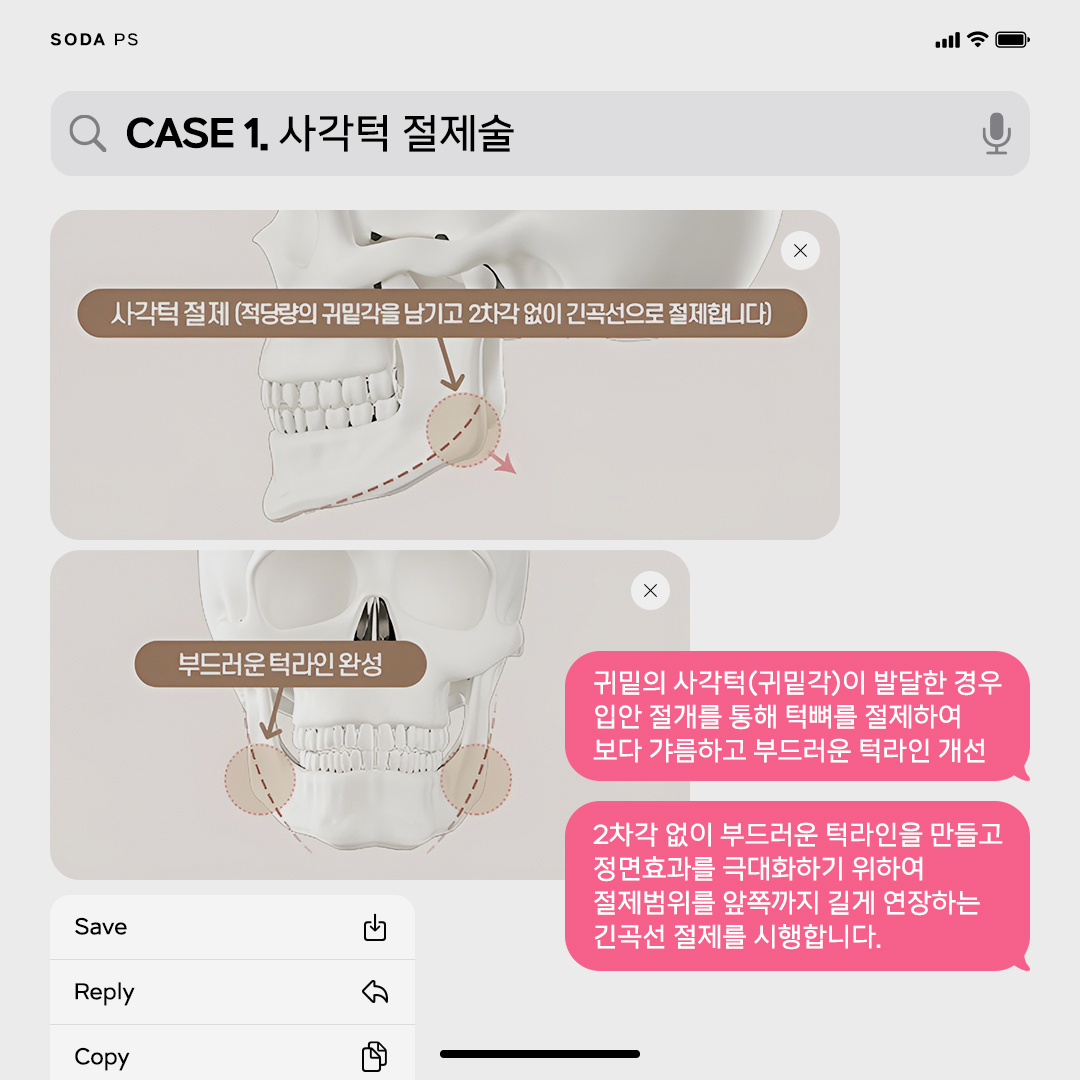
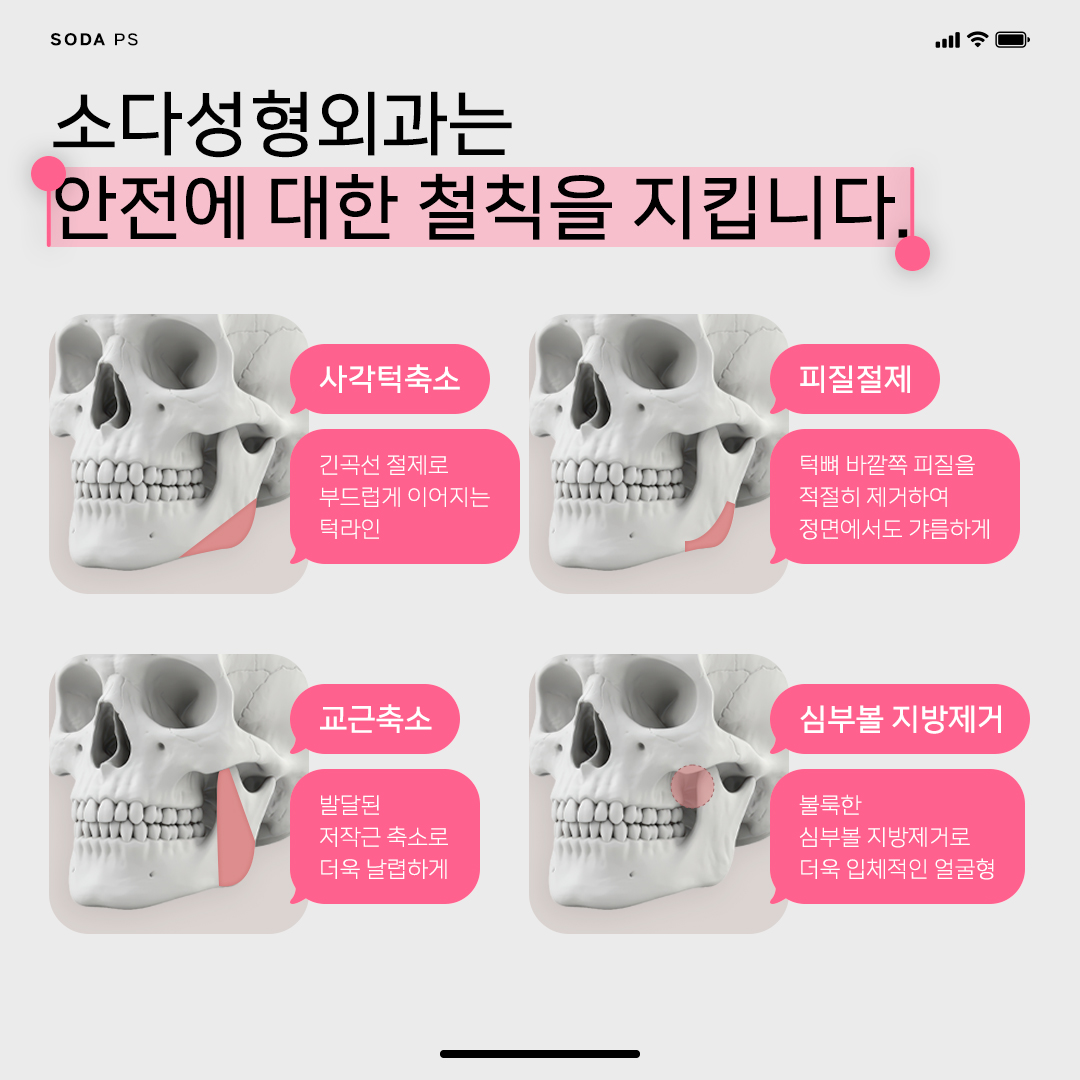
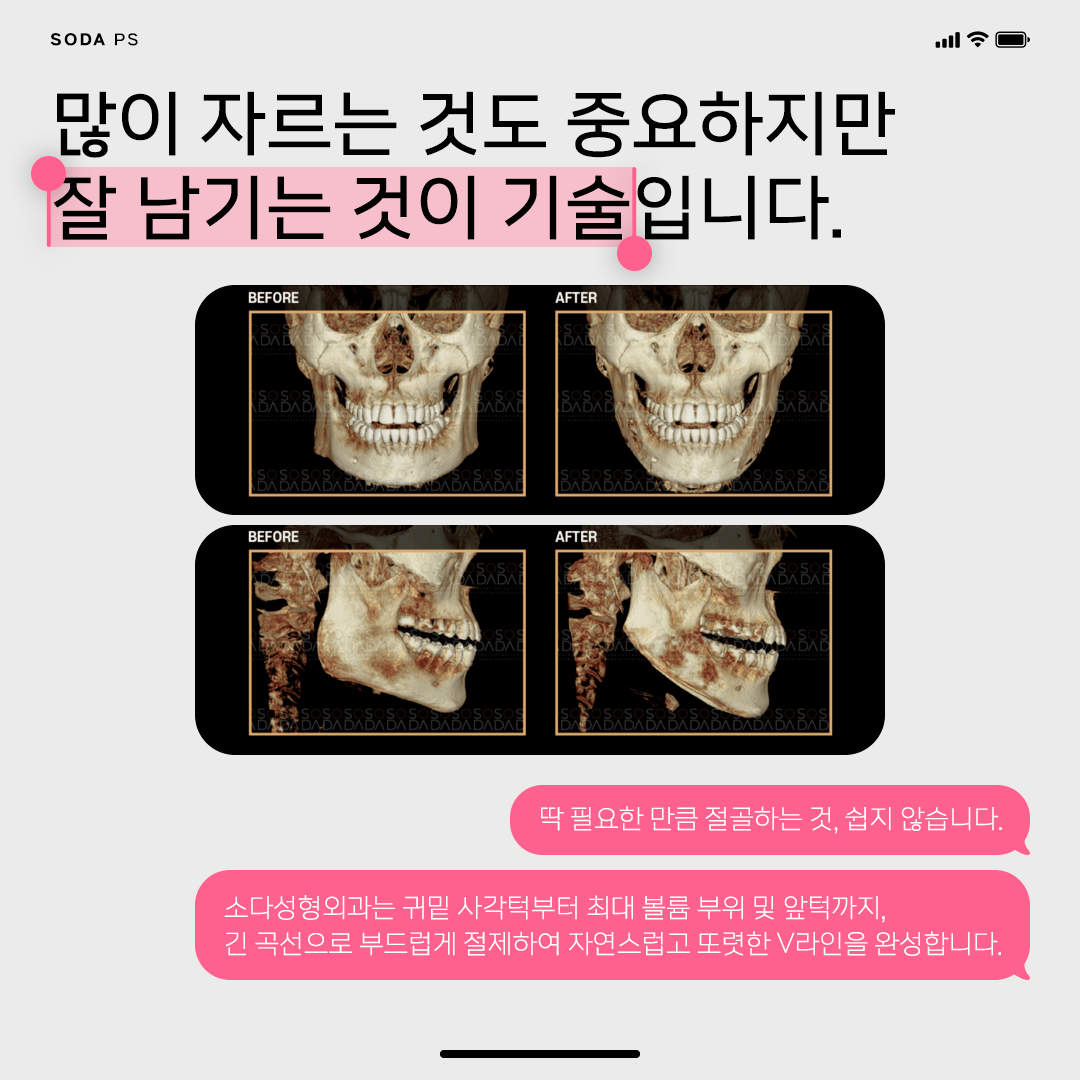
Square jaw reduction surgery, also called mandibular angle contouring, is a facial contouring procedure that reshapes the back and lower border of the jaw. The goal is usually to reduce a wide or angular lower face and create a smoother jawline.
Often the incision is placed inside the mouth along the lower gum line, which avoids an external skin scar in many cases. However, some techniques or combined procedures may require a small external incision. Ask your surgeon which approach they plan to use and what scarring you can expect.

Through this incision, the surgeon shaves or cuts the bone at the mandibular angle and along the lower border of the jaw. Sometimes it is combined with chin contouring or a so‑called V‑line procedure to balance the whole lower face. When more areas are treated in one session, swelling and recovery time can be longer.
Because the surgery involves bone reshaping, muscle detachment and re‑attachment, and work on deep tissues, your face will look more swollen and sometimes even larger than before in the first days. This is a normal part of the healing process and not a sign that something went wrong.
Square jaw surgery recovery timeline at a glance
Every patient heals at a different speed, but there are common patterns. The following timeline is a typical example, not a promise. Your own surgeon’s instructions and your body’s response should always guide your expectations.
Day of surgery to day 3
Square jaw surgery is usually done under general anesthesia. Depending on the clinic’s policy and how extensive the bone work is, you may stay in the clinic for one night or go home the same day after monitoring.
Your lower face and jaw may feel puffy, tight, or pressured. Mild to moderate pain is common and is typically managed with prescribed pain relief—follow your surgeon's instructions and contact them if pain or symptoms worsen.
You may find it difficult to open your mouth widely. A liquid or very soft diet is recommended during this time. Some patients notice drooling or difficulty rinsing the mouth because of swelling and numbness. Nurses or staff will monitor your vital signs, help manage pain, and watch for any early signs of bleeding or severe swelling.
Week 1 (days 4–7)
After the peak around day 2–3, swelling slowly begins to decrease, but it is still very noticeable during the first week. Bruising can appear around the jaw and sometimes move downward toward the neck and chest because of gravity.
If you have stitches inside the mouth, you will be given instructions on how to keep the area clean. Antiseptic mouth rinse and careful oral hygiene are important to reduce infection risk. You will usually be advised to avoid brushing directly over the incision line at first but to keep the rest of the mouth as clean as possible.

Most patients prefer to stay indoors during this period because of swelling and some discomfort. If you go outside, wearing a mask, scarf, or high‑neck clothing can make you feel more comfortable.
Weeks 2–3
During weeks 2 and 3, many patients feel well enough to return to light daily activities or desk work, depending on their job type and how self‑conscious they feel about residual swelling.
Swelling is significantly reduced compared with the first week, but it is still visible, especially around the lower cheeks and jawline. The face can look rounder or softer than expected. This is because deeper swelling takes longer to disappear.
Your diet can usually progress from liquids and very soft foods to slightly firmer foods, such as soft rice, pasta, or tender fish, as guided by your surgeon. Hard, chewy, or crunchy foods are usually restricted for a while to protect the healing bone and joints.
You may still feel tightness when opening your mouth, and mild numbness or tingling around the chin or lower lip can persist. These sensations are usually temporary and improve gradually.
One to three months
Between one and three months after surgery, most of the visible swelling continues to settle. Your face begins to look more natural, and the new jawline shape becomes clearer.
By this stage, many people feel comfortable meeting friends, taking photos, and joining social activities without feeling that their face looks obviously swollen. However, some subtle puffiness, especially in the lower face, can still remain, and the contour can continue to refine.
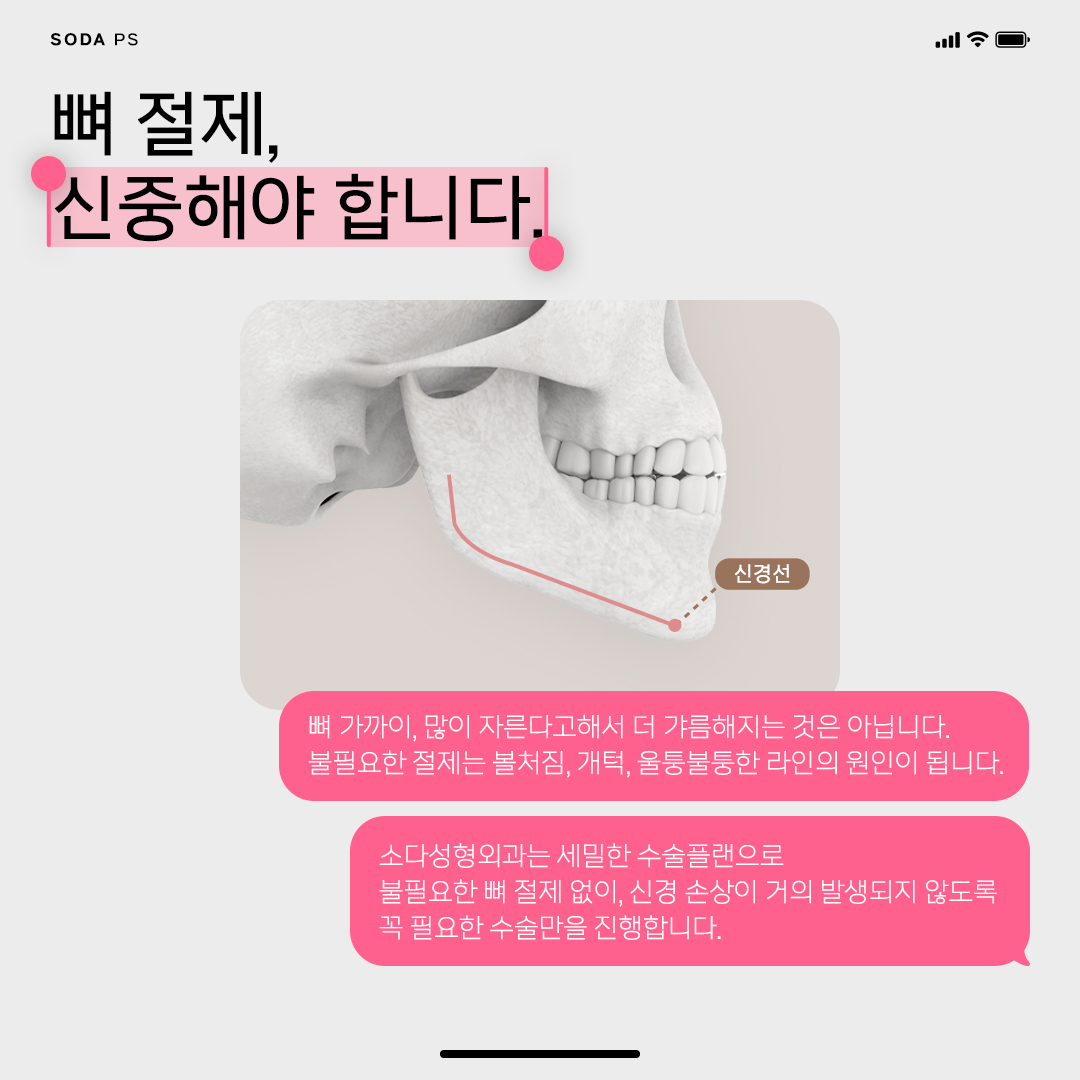
If you experienced numbness around the chin or lower lip, it often improves slowly over several months. Nerves heal gradually, and it is common to notice changes in sensation over time.
Light exercise, such as walking, may be allowed after a few weeks, while more intense or high‑impact sports are usually delayed longer. Your surgeon will give you a specific schedule based on your surgery and health status.
Three to six months and beyond
From three to six months, deep tissue swelling continues to resolve. The jawline contour becomes closer to the final result, and bone healing is largely complete by this time.
Small changes can still occur up to a year after surgery as tissues soften and adapt to the new bone shape. This is why surgeons usually evaluate any remaining asymmetry or contour concerns over the long term rather than in the early swollen phase.
If there are any persistent issues, such as ongoing numbness, bite changes, or visible irregularities, your surgeon will assess them in follow‑up visits and discuss options if needed.
Factors that affect square jaw surgery recovery time
Several factors influence how quickly and smoothly you recover from square jaw reduction surgery.
Surgical factors
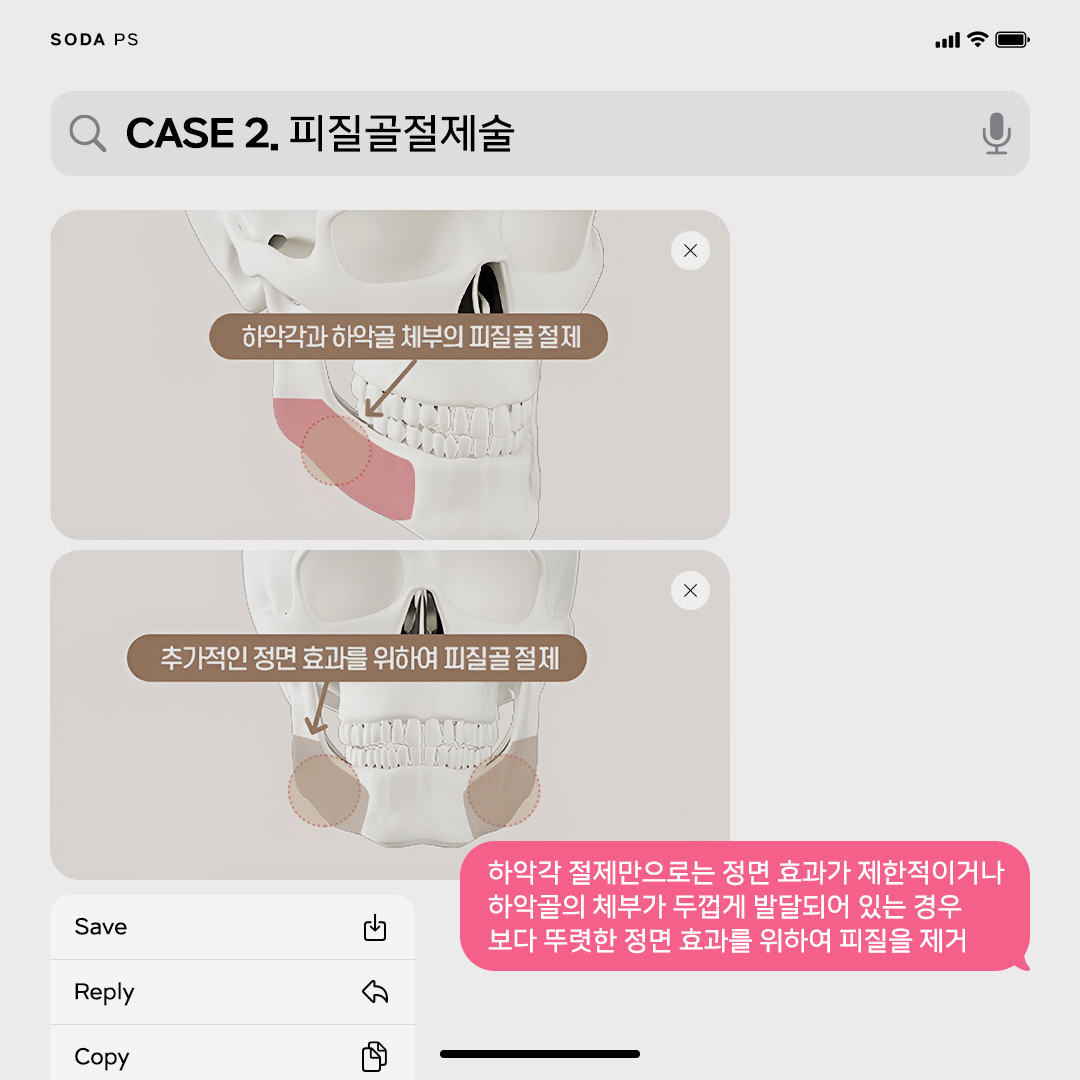
Recovery is usually longer when more bone is removed or when the lower border of the jaw is extensively contoured. Combining square jaw surgery with other facial contouring procedures, such as chin reshaping or cheekbone contouring, can increase swelling and extend the healing period.
Surgical technique and how gently the soft tissues and muscles are handled also affect swelling and bruising. Less trauma to the tissues can support a smoother early recovery, although some swelling is always expected.
Patient factors
Your age, general health, and lifestyle habits play a major role. Non‑smokers with good overall health often heal faster than those with chronic illnesses or smokers. Smoking and heavy alcohol use can slow healing and increase the risk of complications.
How carefully you follow postoperative instructions also matters. Keeping to the recommended diet, maintaining good oral hygiene, wearing compression bands if advised, and sleeping with your head elevated can all support better recovery.
Clinic and system factors
Preoperative evaluation and planning help reduce unexpected issues during and after surgery. Careful imaging and analysis of your jaw shape guide the surgical plan.
Safe anesthesia management and intraoperative monitoring are important for a stable operation and smoother immediate recovery. A clinic that uses structured safety protocols can detect and manage rare complications more quickly.
Pain, swelling, and numbness: what is normal and what is not
Understanding what you might feel after surgery can reduce anxiety and help you know when to contact your clinic.
Normal range of symptoms
Swelling that peaks around days 2–3 and then slowly decreases over several weeks is typical. It is also normal for the face to look larger than before surgery in the early phase.
Mild to moderate pain, controlled with prescribed medication, is expected in the first days. Discomfort usually becomes more of a dull ache or tightness rather than sharp pain as days pass.

Temporary numbness, tingling, or altered sensation around the jaw, chin, or lower lip is common because nerves run close to the surgical area. These symptoms often improve gradually, but they can take months to fully settle.
Warning signs
You should contact your clinic immediately or seek emergency care if you notice any of the following warning signs:
A sudden increase in pain or swelling on one side, especially if it appears after an initial improvement.
Fever, foul odor from the mouth, or discharge that suggests infection.
Difficulty breathing, severe bleeding, or inability to swallow properly.
Rapidly worsening asymmetry, problems with your bite that make it hard to close your teeth together, or difficulty opening your mouth that suddenly becomes much worse.
Returning to daily life after square jaw surgery
Work and school
For office or desk‑based work, many patients plan to take about 1 to 2 weeks off. Some return earlier if they can work from home and feel comfortable with visible swelling. For physically demanding jobs, a longer break may be necessary, and you should discuss this with your surgeon in advance.
When returning to work or school, many people choose to wear a mask or adjust their hairstyle to cover residual swelling. This is a personal choice and not a medical requirement.
Eating and speaking
Your diet usually progresses in stages. In the first days, you will likely be on liquids or very soft foods such as soups, smoothies, yogurt, and porridge. As healing progresses, you can move to soft, easy‑to‑chew foods, and then gradually return to a more normal diet.
It is important to maintain good nutrition during recovery, even if chewing is limited. High‑protein, soft foods and nutritional drinks can help. Avoid very hot, spicy, or hard foods early on, as they can irritate the surgical site.
Speech may feel slightly different at first because of swelling, limited mouth opening, or numbness. This usually improves as swelling goes down and movement becomes easier.
Exercise and lifestyle
Heavy lifting and intense exercise are usually restricted for several weeks to avoid increasing swelling or blood pressure in the surgical area. Light walking is often encouraged once you feel stable, as it can support circulation and general recovery.
Alcohol and smoking are typically discouraged in the early healing period because they can interfere with blood flow and tissue repair. Your surgeon will give you specific timing for when these activities can be resumed.
How to support a smoother recovery
You can play an active role in your own healing by following practical aftercare steps.
In the very early phase, cold compresses around the cheeks and jaw (avoiding direct pressure on the incision area) may help reduce swelling, if your surgeon approves. After a few days, some clinics recommend switching to warm compresses to support circulation. Always follow the specific instructions you receive.
Sleeping with your head elevated on extra pillows or in a slightly upright position helps reduce swelling. Avoid lying flat for long periods in the first days.
If your surgeon prescribes a compression garment or bandage, wearing it as directed can help control swelling and support the tissues. It may feel tight at first, but many patients find it helpful.
Strict oral hygiene is essential when the incision is inside the mouth. Use the antiseptic mouth rinse as instructed, and brush your teeth gently while avoiding direct contact with the incision line at first. Good hygiene lowers the risk of infection and bad breath.
Attending all scheduled follow‑up visits is important. Your surgeon may use imaging, such as X‑ray or CT, to confirm bone position and healing. These visits are also a chance to discuss any concerns and adjust your aftercare plan.
Safety and monitoring in a facial contouring‑focused clinic
In the Gangnam‑daero area of Seoul, there are clinics that focus their treatment lineup on facial contouring procedures, including square jaw reduction, cheekbone contouring, V‑line surgery, and revision cases. When a clinic has concentrated experience in these procedures, it can be helpful in planning complex jaw contouring and managing different recovery patterns.
Some clinics employ surgeons who have held leadership roles in hospital facial contouring programs or completed fellowship training at university hospitals. Such backgrounds can contribute to experienced planning and case management, but credentials and experience vary—ask to review a surgeon's CV, board certifications, and before/after results during consultation.
Anesthesia is an important part of safety. When anesthesia is handled by a board‑certified anesthesiology and pain medicine specialist, it can contribute to safer intraoperative management and more stable immediate recovery.
These measures are designed to support early detection and management of rare but serious complications.
Postoperative care programs, including swelling management and individualized follow‑up schedules, can further support your recovery and comfort after surgery.
Preparing for square jaw surgery in Seoul as an overseas patient
If you are traveling from overseas for square jaw surgery, planning ahead will make your experience smoother.
Before your visit, you can usually arrange an online consultation by sending photos of your face from the front, side, and 45‑degree angles, along with information about your medical history and any previous facial procedures. This helps the clinic understand your jaw shape and discuss realistic options and timelines.
You should prepare a list of questions before the consultation, such as:
How many days should I stay in Korea after surgery before flying home?
When can I return to work based on my job type?
What is the expected pattern of swelling for my specific surgical plan?
What aftercare services are available during my stay, such as dressing changes, swelling treatments, or check‑ups?
For your trip, bring any regular medications, comfortable clothing that is easy to put on and take off, and items that make resting easier, such as a neck pillow or eye mask. Plan your accommodation close to the clinic if possible, especially for the first few days.
A typical Korea visit timeline for square jaw surgery might look like this, though it can vary:
Arrival 2–3 days before surgery for in‑person consultation, imaging, and preoperative tests.
Surgery day, followed by monitoring and possible overnight stay.
Several follow‑up visits over the next 7–10 days for wound checks and early aftercare.
Frequently asked questions about square jaw surgery recovery time
When will I look normal after square jaw surgery?
Most patients notice that the major swelling decreases within 2 to 4 weeks. Around this time, many feel comfortable going out with makeup or a mask. However, some residual swelling can remain for several months, and the near‑final jawline contour usually appears between 3 and 6 months. Full maturation of tissues can continue up to a year.
How long do I need to wear a mask after surgery?
Wearing a mask is mainly for your comfort and privacy, not a strict medical requirement. Many patients choose to wear a mask for about 2 to 3 weeks when going outside, as swelling is most visible during this period. You can stop whenever you feel confident with your appearance and your surgeon agrees that healing is progressing well.
Is numbness after square jaw surgery permanent?
Temporary numbness or tingling around the chin, lower lip, or jaw is common because nerves are close to the surgical area. In many cases, sensation improves gradually over several months. However, there is a small risk that some degree of altered sensation may last longer, depending on nerve proximity and individual healing. Your surgeon should explain these risks before surgery.
Can I combine square jaw surgery with other facial contouring procedures, and how does that affect recovery?

It is possible to combine square jaw reduction with other procedures such as chin contouring or cheekbone surgery in one session. Combined surgery can offer a more balanced facial change but usually results in more swelling and a slightly longer recovery period. You may need extra time off work and a longer stay in Korea if you are traveling from overseas.
How soon can I fly after square jaw surgery?
For short flights, some patients can travel after the initial recovery period of about 7 to 10 days, once the surgeon confirms that there are no early complications. For long‑haul flights, many surgeons recommend waiting at least 10 to 14 days, or longer if there are combined procedures or individual risk factors. Always follow your surgeon’s specific advice before booking flights.
ve follow‑up (number of in‑person visits, who to contact for complications), and available language or aftercare support for overseas patients.
If you are considering square jaw reduction surgery in the Gangnam‑daero area of Seoul and want to understand your personal recovery timeline, an online consultation can be a helpful first step. By sharing your photos and medical history in advance, you can receive more tailored information about expected swelling, time off work, and how long you should plan to stay in Korea. This allows you to make a calmer, more informed decision about your treatment and travel schedule.

- 공유 링크 만들기
- X
- 이메일
- 기타 앱


댓글
댓글 쓰기