Square Jaw Surgery Review: My Recovery and How I Chose a Facial Contouring Clinic in Seoul
- 공유 링크 만들기
- X
- 이메일
- 기타 앱
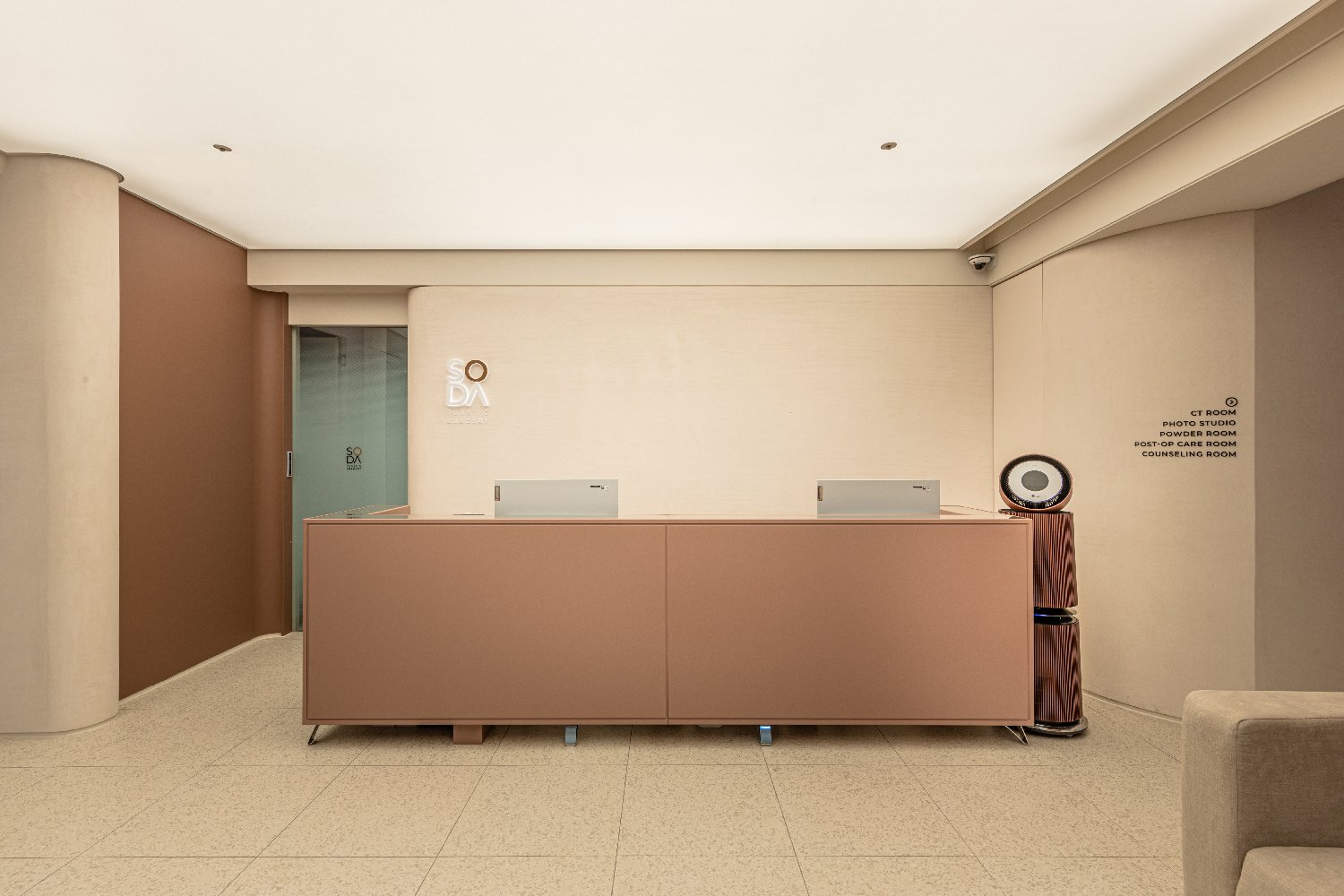
If you're looking for firsthand square jaw surgery reviews, this guide offers a practical, experience-style account relevant to international patients. Square jaw reduction (mandibular angle contouring) is a bone procedure used to slim a wide or angular lower face. Expect noticeable swelling in the first weeks, with gradual changes over several months; recovery requires planning, especially if you are flying to Seoul.
Below I walk through why someone might decide on square jaw surgery, how the procedure is typically done at a facial contouring–focused clinic in the Gangnam-daero area of Seocho-gu, what the first week, one month, and three to six months really feel like, and what to look for when reading online reviews. At the end, you will find a short FAQ and a suggestion for how to start with an online consultation.
What square jaw surgery is
Square jaw surgery, often called square jaw reduction or mandibular angle contouring, is a facial contouring procedure that reshapes the back and side of the lower jaw. The goal is to reduce a wide, angular, or bulky jawline and create a smoother, slimmer lower face.
Instead of only shaving a small part of the bone, modern square jaw surgery usually involves:
- Reshaping the jaw angle at the back of the mandible
- Smoothing the lower border of the jaw so there is no obvious step
- Balancing both sides to improve symmetry
Because this involves bone work, it is commonly performed under general anesthesia, though practices vary by surgeon, clinic, and patient. It is sometimes combined with other facial contouring procedures like cheekbone reduction or chin contouring; here we will focus on the jaw angle itself.
Why I decided on square jaw surgery
My main concern was that my lower face looked wide and heavy from the front and very angular from the side. Even when I lost weight, my jawline still looked strong and square. Makeup and hairstyle changes helped a little in photos, but not in real life.
I also tried non-surgical options like facial slimming injections and muscle-relaxing injections to the masseter muscles. They softened the look slightly, but the bony angle of my jaw was still very visible. I realized that my issue was more about bone structure than soft tissue.
After looking at many before and after CT images and case explanations, I learned that square jaw surgery targets the actual bone at the mandibular angle. That is when I started to seriously consider a trip to Seoul, especially the Gangnam-daero area in Seocho-gu, where many facial contouring–focused clinics are located.
Who usually considers square jaw surgery
From what I saw in consultations and case galleries, people who consider square jaw surgery often have:
- A wide or boxy lower face from the front
- A very sharp or protruding jaw angle when viewed from the side
- A lower face that feels too masculine or bulky compared to the upper face
- Jawline asymmetry, where one side looks lower or wider
- Disappointment after non-surgical treatments that did not change the bone
Some people also come for revision when previous jaw surgery did not match their expectations or left them with step deformities or uneven angles.
Consultation and CT analysis in Seoul
When I started my research, I focused on clinics in the Gangnam-daero area of Seocho-gu that mainly deal with facial contouring. The clinic I chose was structured around jawline and cheekbone contouring, including square jaw, cheekbone, V-line, chin contouring, mini contouring, and revision and pin removal cases, rather than offering a very wide mix of unrelated procedures.
The first detailed step was an online consultation, followed by an in-person consultation with CT imaging when I arrived in Seoul.
Online consultation and pre-visit preparation
Before flying to Korea, I sent the clinic:
- Front, 45-degree, and side photos with a neutral expression
- A short description of what I disliked about my jawline
- Any previous surgery or major medical history
- My planned travel dates and how many days I could stay
In return, I received:
A basic explanation of square jaw surgery and whether I seemed like a possible candidate
An estimated stay time in Korea for surgery and follow-up
Information about anesthesia, hospital stay, and aftercare
This online step was useful to check if my expectations were realistic and if my travel schedule was possible. It also gave me a sense of how clearly the staff communicated in English.
In-person consultation and CT scan
Once in Seoul, the consultation started with a facial CT scan. The surgeon described having experience in facial contouring and reviewed the CT images with me.
He explained:
- The thickness and shape of my mandibular angle
- The location of the inferior alveolar nerve canal that must be protected
- How much bone could be safely reduced and where
- How the new jawline could be designed to match my cheekbones and chin
I appreciated that the clinic shared CT-based before and after cases, including revision and pin-removal cases. Seeing bone-level changes helped me understand what is realistic, beyond what photos alone can show.
How the surgery was done
The surgery day started with meeting the anesthesia team. The clinic told me they have an in-house anesthesia director, whom they described as board-certified in anesthesiology and pain medicine. This doctor was responsible for managing my general anesthesia from start to finish.
Anesthesia and safety systems
During the pre-op briefing, the staff explained their safety systems in simple language. These included:
The clinic reported the following safety and monitoring measures:
- Named surgeon system: I was told which surgeon would operate on me.
- Operating room CCTV: The surgery room was reported as monitored for transparency.
- Availability of dantrolene: The clinic said this emergency drug for malignant hyperthermia was available.
- Uninterruptible power supply: To keep essential equipment running during power issues.
- Central monitoring system: Continuous monitoring of vital signs.
- Gas leak alarms: To detect problems with anesthetic gas systems.
I recommend confirming these safety features directly with the clinic before booking.
When you read online square jaw surgery reviews, it is worth checking whether clinics mention these kinds of systems. Many reviews focus only on photos and swelling, but safety and anesthesia are just as important as design.
Surgical steps in patient-friendly terms
After I was asleep under general anesthesia, the surgeon made incisions inside my mouth along the lower gum line. This means there were no visible scars on the outside.
Through these incisions, the surgeon accessed the mandibular angle. Using the CT plan as a guide, he:
- Marked the area of bone to be reduced
- Cut and reshaped the jaw angle
- Smoothed the lower border of the jaw to avoid any step
- Checked both sides to keep them as symmetrical as possible
In some cases, fixation with small plates and screws is used, especially for more complex contouring. In simpler angle reductions, fixation may not be necessary. This depends on the design and the amount of bone work.
Once the bone contouring was complete, the incisions were closed with dissolvable stitches inside the mouth. A compression bandage was placed around my face to help with swelling.
First week review: pain, swelling, and daily life
Pain level
Immediately after surgery, my jaw felt tight and heavy rather than sharply painful. With pain medication managed by the clinic, the pain was generally tolerable, more like strong pressure and soreness. The first two to three days were the most uncomfortable.
Swelling and bruising
By the second day, my face was noticeably swollen, especially around the cheeks and lower jaw. From the front, I looked round and puffy, which is very common in square jaw surgery reviews. Bruising was mild and mostly hidden under the swelling.
Eating and speaking
For the first few days, I was on a liquid or very soft diet. Soups, smoothies, and yogurt were easiest. Chewing solid food was difficult and uncomfortable. Speaking was possible but felt stiff, and I tried not to talk too much to avoid strain.
Oral hygiene
Because the incisions were inside the mouth, the clinic explained how to rinse gently with antiseptic mouthwash and how to brush carefully without irritating the surgical area. This part felt a bit awkward at first, but it became easier after a few days.
Hospital stay and monitoring
Depending on the case, some patients stay one night in the clinic, while others go home the same day. I had close monitoring in the early hours after surgery, including vital sign checks and pain management. The presence of an anesthesiology specialist and central monitoring gave me some reassurance.
One month review: visible changes and returning to normal
Swelling status
By the end of the first week, the most dramatic swelling had started to go down, but my face was still noticeably puffy. At around two to three weeks, I could see the outline of a slimmer jawline under the remaining swelling.
By one month, most of the obvious swelling had resolved, especially from the front. However, the lower face still felt a bit firm and slightly swollen to the touch, which is common after bone surgery.
Pain and numbness
Pain was much less by this point, more like occasional soreness when chewing or yawning. Mild numbness along the lower lip and chin area can happen in square jaw surgery because of the nearby nerve. In my case, there was some reduced sensation, which slowly improved over the following months.
Daily activities
At around two weeks, many people feel comfortable going out with a mask or hairstyle that covers some swelling. By three to four weeks, returning to work or school is usually possible, especially for desk-based jobs. Heavy exercise is typically delayed longer, according to the surgeon’s advice.
Follow-up visits
The clinic scheduled follow-up visits to check healing, remove any external bandages, and review the CT or X-ray if needed. These visits were also a chance to ask about numbness, chewing, and when to resume normal activities.
Three to six month review: near-final results
Face shape and jawline definition
Between three and six months, the remaining swelling gradually fades and the final or near-final jawline becomes visible. In my case, the lower face looked noticeably slimmer and the sharp square angle was softened. The jawline looked smoother from the side and more balanced with my cheekbones and chin.
Chewing comfort
Chewing felt almost normal by three months, though I still avoided very hard or chewy foods for a while. Any stiffness in the jaw muscles continued to improve with time.
Symmetry and satisfaction
Perfect symmetry is not realistic for any face, but the overall balance between left and right sides improved. My expectations were based on the pre-op CT explanation, so I was satisfied that the result matched what had been discussed.
Risks and side effects to understand
When reading square jaw surgery reviews, it is important to remember that experiences can vary. Possible risks and side effects include:
- Temporary or sometimes longer-lasting numbness around the lower lip and chin
- Asymmetry or uneven contour if healing differs between sides
- Over- or under-correction compared with expectations
- Chewing discomfort or stiffness for a period after surgery
- Infection or delayed healing inside the mouth
- The need for revision surgery in some cases
A careful consultation, CT-based planning, and clear communication with a facial contouring–focused surgeon can help reduce these risks, but they cannot be completely removed. Individual healing and anatomy play a big role.
How to read and interpret online square jaw surgery reviews
When I was researching, I learned to look beyond just before and after photos. Useful reviews usually mention:
CT or X-ray images: These show actual bone changes, not just angles or lighting differences.
Swelling timeline: How the patient looked at one week, one month, and several months.
Communication with the surgeon: Whether the surgeon explained the bone structure, nerve position, and realistic limits.
Safety explanations: Whether the clinic discussed anesthesia management, emergency drugs like dantrolene, monitoring systems, and operating room policies.
Aftercare: How pain, swelling, and follow-up were handled.
If a review only shows a pretty photo without mentioning any of these points, it is harder to judge what the real experience was like.
Expected Korea visit timeline for overseas patients
Every case is different, but a typical visit schedule for international patients might look like this:
Day 1: Arrival in Seoul, rest.
Day 2: In-person consultation, CT scan, lab tests, and surgery planning.
Day 3: Surgery day, with possible overnight stay depending on the clinic.
Days 4–7: Early recovery, follow-up visits for checks and dressing changes.
Days 8–10: Continued recovery, lighter swelling, possible final check before flying home.
Some clinics recommend staying in Korea for about 7 to 10 days after square jaw surgery so they can monitor early healing and manage any issues. Always confirm the recommended stay directly with the clinic based on your individual case.
Aftercare once you return home
Once you are back in your home country, you will usually continue:
- Soft or easy-to-chew diet until your surgeon says harder foods are safe
- Gentle oral hygiene with careful brushing and mouthwash
- Avoidance of smoking and heavy alcohol during early healing
- Limiting very intense exercise until cleared
It is also helpful to keep in touch with the clinic by email or messaging apps. Many facial contouring–focused clinics in Seoul are used to overseas patients and can review your progress photos and answer questions remotely.
What I learned about choosing a square jaw surgery clinic
From comparing clinics and reading many reviews, some key points stood out:
Facial contouring focus: I preferred a clinic whose main lineup was facial contouring, including square jaw, cheekbone, chin, and revision, rather than a place that only occasionally did bone surgery.
Surgeon’s background: I looked for a surgeon with long-term experience specifically in facial contouring, with a history of leading a facial contouring center at a large hospital and experience at a university hospital.
CT-based planning: Detailed CT analysis and sharing of CT-based before and after cases helped me understand what was possible.
Anesthesiology specialist: Having an in-house anesthesia director who is a board-certified anesthesiology and pain medicine specialist was a major safety factor for me.
Documented safety system: Named surgeon system, operating room CCTV, dantrolene availability, uninterruptible power supply, central monitoring, and gas leak alarms were all clearly explained.
When you read square jaw surgery reviews, you can use this as a checklist. If a clinic provides clear answers on these points, it may indicate a more structured and safety-conscious environment.
FAQ about square jaw surgery for overseas patients
Is square jaw surgery very painful?
Pain is usually strongest in the first few days and is often described as pressure, tightness, and soreness rather than sharp pain. With proper pain medication, most patients find it manageable. Discomfort gradually decreases over one to two weeks, though mild stiffness can last longer.
How long does swelling last after square jaw surgery?
The most dramatic swelling appears in the first three to five days and then slowly improves. Many people feel comfortable going out with light makeup after two to three weeks. However, subtle swelling and firmness can continue to improve for three to six months as the bone and soft tissues heal.
When can I return to work or school after surgery?
For desk-based work or school, many patients return after about two weeks, depending on how visible they are comfortable being and whether they can wear a mask. Jobs that involve heavy physical activity or sports may require a longer break, according to the surgeon’s advice.
Will the result look natural?
A natural-looking result depends on matching the new jawline to the rest of your facial features and not over-reducing the bone. CT-based planning and a surgeon experienced in facial contouring can help design a jawline that suits your individual bone structure. It is important to clearly discuss your goals and listen to the surgeon’s explanation of what is realistic for your face.
Soft call to action
If you are considering square jaw surgery in Seoul and want to understand whether it fits your face and lifestyle, an online consultation is a good first step. You can prepare clear front and side photos, a short description of your concerns, and your planned travel dates. A facial contouring–focused clinic in the Gangnam-daero area of Seocho-gu can then review your case, explain possible options, and outline a safe treatment and recovery schedule tailored to overseas patients.


댓글
댓글 쓰기