What to Look For in a Chin Surgery and Square Jaw Contouring Clinic (Mutheok Surgery Well-Performing Clinic)
- 공유 링크 만들기
- X
- 이메일
- 기타 앱
If you are considering chin surgery, concerns often extend beyond the chin to the entire lower-face profile. Some people with a receding or weak chin also have a wide or angular jaw; others have had previous jaw contouring but still feel their profile looks short or unbalanced. In these situations, combining square jaw surgery with chin correction can create a more harmonious appearance than a chin-only procedure. For example, a person with a weak chin and a broad jawline may benefit from both jaw contouring and chin adjustment so the lower face looks more proportionate.
For overseas patients, a contouring-focused clinic can provide integrated planning for both the jaw angle and chin, using detailed imaging and a structured safety system.
What square jaw surgery does for a weak or receding chin
Square jaw surgery, sometimes called mandibular angle contouring, is a procedure that reshapes the lower part of the jawbone. The main goal is to reduce excessive width at the back and sides of the jaw and to create a smoother, slimmer, and more defined jawline.

The surgeon usually works along the mandibular angle and the lower border of the jaw. By shaving, cutting, and contouring these areas, the lower face can look less square and more balanced from the front and three-quarter views.
For people with a receding or weak chin, square jaw surgery alone is often not enough. If the chin is set back or too short, the side profile can still look flat even after the jaw angle is reduced. In such cases, chin surgery is added to move the chin forward, lengthen it slightly, or refine the shape of the chin tip.
A common method is chin osteotomy, also called sliding genioplasty. In this procedure, the surgeon cuts the chin bone, moves it forward or slightly down, and fixes it in place with small plates and screws. This allows relatively precise control over projection and vertical length, and it can be combined with contouring of the chin tip to match the new jawline.
This combined approach is different from simple chin-only procedures such as filler injections, small implants, or minor shaving of the chin bone. Those methods may improve the front view slightly but often cannot fully address a recessed chin in relation to the whole jaw and neck. It is also different from double jaw surgery, which mainly targets bite problems and large skeletal discrepancies of both upper and lower jaws.
Square jaw vs. simple chin procedures: which is right for you
Many people search for chin surgery because they notice their profile looks weak or their chin disappears when they smile. However, the real issue may involve the entire lower jaw.
You may be a potential candidate for combined square jaw and chin surgery if you have a wide or angular lower face from the front and a short or recessed chin from the side. The jaw angle may be prominent, giving a square or heavy look, while the chin does not project enough to balance the nose and lips.

Some people have a relatively normal width from the front, but their side profile still looks flat because the chin is set back. In these cases, chin surgery alone might be considered, but a careful check of the jaw angle and lower border is still important. If the jaw angle is too strong or the lower border is thick, a small amount of square jaw contouring may create a more harmonious line from ear to chin.
There are also patients who previously had jaw contouring but remain unhappy with chin length or projection. They may feel the jawline is slimmer, yet the chin still looks short, or the lower face seems older or saggy because too much bone was removed at the angle without balancing the chin. These revision cases require especially careful planning.
Simple chin-only procedures such as filler or a small implant can be suitable if your jaw width and angle are already relatively well balanced and only a mild increase in chin projection is needed. However, fillers are temporary and implants have fixed shapes, so they may not be ideal for complex asymmetry or combined width and length issues.
Step-by-step process: from CT diagnosis to surgical design
The process usually starts with a full facial analysis. This includes front, side, and three-quarter photographs, as well as a check of your bite and occlusion. The surgeon evaluates how your upper and lower teeth meet, whether there is any functional problem, and how the lower jaw moves.
Next, 3D or CT imaging is used to study the bone structure in detail. These images show bone thickness, the exact shape of the mandibular angle, the position of the mandibular nerve, and any asymmetry between left and right sides. For patients who have had previous surgery, CT also reveals existing plates, screws, or irregular bone surfaces.
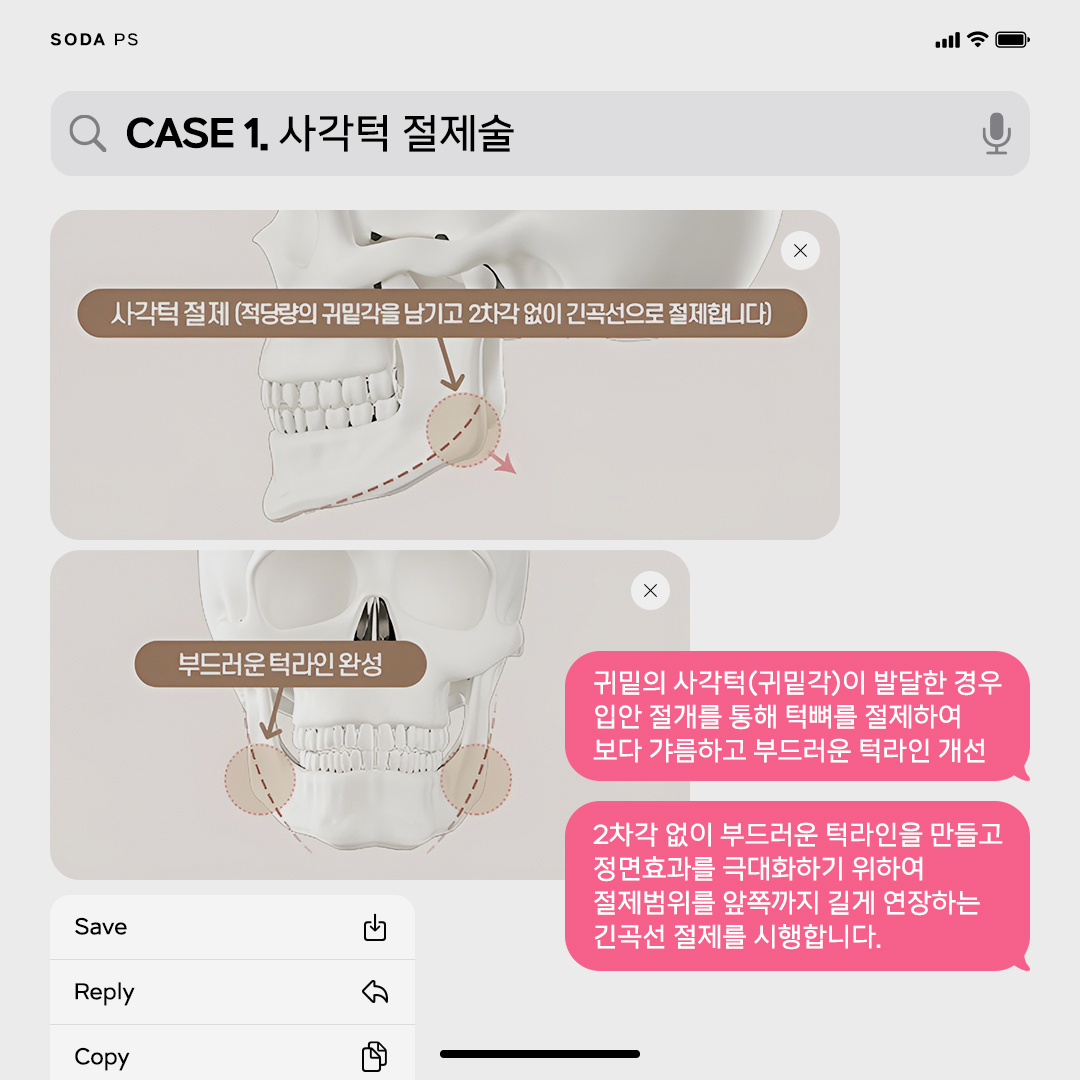
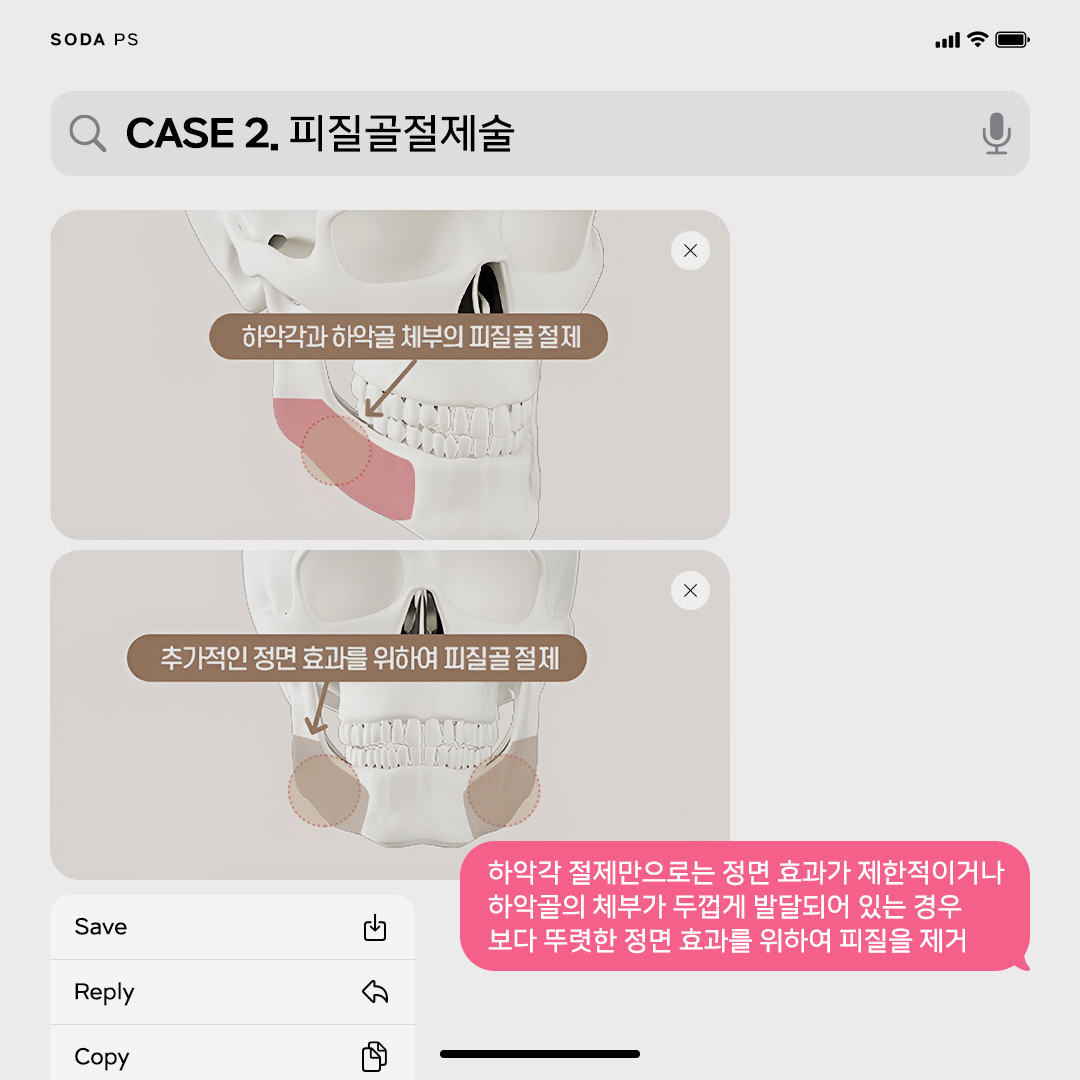
Based on this information, the surgeon decides whether you may benefit from square jaw shaving only, chin surgery only, or a combined approach. The key is to design the lower face from both the front and side views at the same time. Over-reduction of the jaw angle without considering the chin can make the lower face look empty, droopy, or older. On the other hand, moving the chin too far forward without adjusting a very wide jaw can create an unbalanced or heavy look.
A balanced design considers the line from the ear, along the jaw angle, to the chin tip, as well as the relationship of the chin to the lips, nose, and neck. At SODA Plastic Surgery, the lead surgeon reports experience in complex facial contouring, including revision and hardware removal cases, which may be relevant for patients who need more than a simple primary procedure.
Surgical methods in patient-friendly terms
Square jaw surgery is usually performed under general anesthesia. Incisions are commonly made inside the mouth along the lower gum line, which helps hide scars. In some techniques, a small external incision may be added near the back of the jaw to improve access or control, but this depends on the individual plan.
Through these incisions, the surgeon exposes the mandibular angle and lower border. The bone is then cut, shaved, and smoothed to reduce width and create a more flowing line. Care is taken to preserve the mandibular nerve, which runs inside the jawbone and affects sensation of the lower lip and chin.
For chin surgery, there are several options. In sliding genioplasty, the chin bone is cut and moved forward, downward, or slightly upward, depending on the desired profile. The bone segment is then fixed with small plates and screws to maintain stability. In some cases, the chin is also narrowed or reshaped to match the new jawline. The aim is to improve projection and harmony without making the chin look artificial.
Nerve preservation and stable fixation are important for safety and long-term outcomes. Proper fixation helps the bone heal in the intended position and may reduce the risk of movement or irregularity. When both jaw angle and chin are addressed in one surgery, careful coordination of these steps is essential.
Recovery timeline and what to expect after jaw and chin contouring
For overseas patients, planning the recovery period is very important. After combined square jaw and chin surgery, some clinics keep patients for one night of hospitalization, while others discharge patients on the same day once they are stable. This depends on the clinic’s protocol and the extent of surgery.
Swelling usually peaks within the first three to five days. The face may look very swollen and feel tight, especially around the cheeks and lower face. Bruising can appear along the jawline and neck. Most people notice a gradual reduction of swelling over two to four weeks, with more subtle changes continuing for several months.
Common early symptoms include temporary numbness or tingling around the lower lip and chin, tightness when opening the mouth, and mild discomfort when chewing. These symptoms usually improve as nerves recover and swelling decreases, but the exact timeline varies from person to person.
Light daily activities such as walking and gentle movements are often possible within a few days. Many patients can return to office-type work or school in about two weeks, depending on how visible the swelling is and how comfortable they feel. Strenuous exercise and heavy lifting are usually postponed for at least four to six weeks, or according to the surgeon’s advice.
If incisions are inside the mouth, oral hygiene is very important. Patients are often instructed to rinse with antiseptic solutions after meals and to avoid hard or spicy foods for a certain period. Soft foods are recommended at first, gradually returning to a normal diet as healing progresses.
Risks, precautions, and why experience matters
Like any bone surgery under general anesthesia, square jaw and chin surgery carries potential risks. These can include nerve injury leading to prolonged or, in rare cases, persistent numbness, asymmetry between the left and right sides, over- or under-correction of bone, infection, and issues with bite if planning is inadequate.

Because of these possibilities, choosing a clinic experienced in both primary and revision facial contouring is important. Surgeons who regularly handle revision and hardware removal cases are accustomed to dealing with irregular bone surfaces, scar tissue, and complex asymmetries. This background can be valuable even for first-time patients, as it reflects familiarity with the anatomy and potential challenges of the lower face.
It is also essential to understand that not everyone is a suitable candidate for every type of surgery. Individual suitability must be confirmed through in-person consultation, physical examination, and imaging. The information in this article is general and cannot replace a personalized medical opinion. No clinic can promise specific results, and realistic expectations should be discussed openly during consultation.
Safety checklist for choosing a square jaw surgery clinic
When you are searching for a clinic for chin surgery, it helps to look beyond photos and marketing phrases. For bone contouring of the jaw and chin, several key criteria can guide your choice.
First, check whether the clinic focuses on facial contouring rather than offering a very wide range of unrelated procedures. A contouring-focused clinic tends to build experience in lower face design, including square jaw surgery, V-line surgery, and chin surgery, rather than performing these only occasionally.
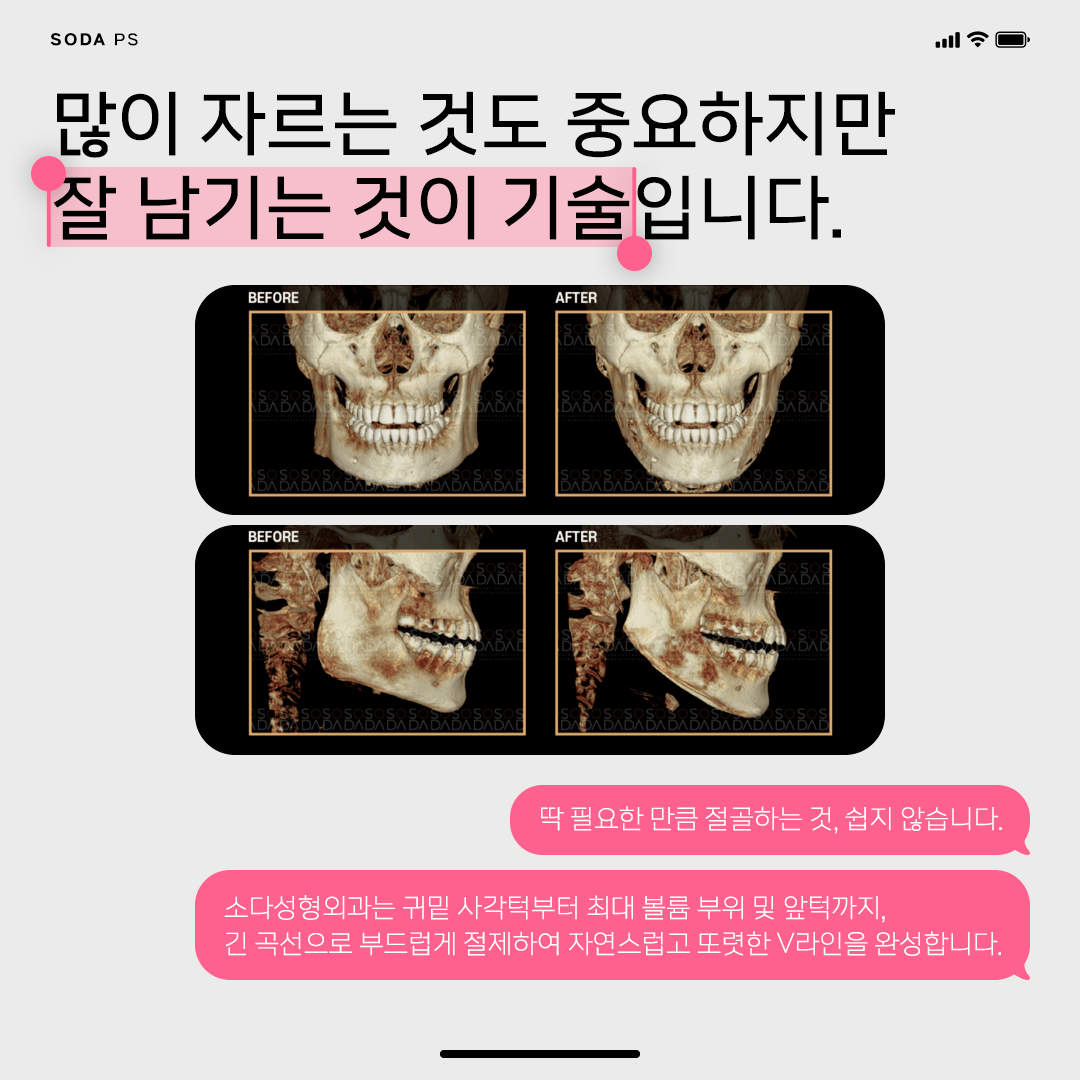
Second, ask about CT-based planning and imaging. A clinic that routinely uses CT or 3D imaging before surgery, and that can show before-and-after CT images of bone changes, is more likely to base its planning on objective data. This is especially important for revision cases or when nerve position and bone thickness are critical.
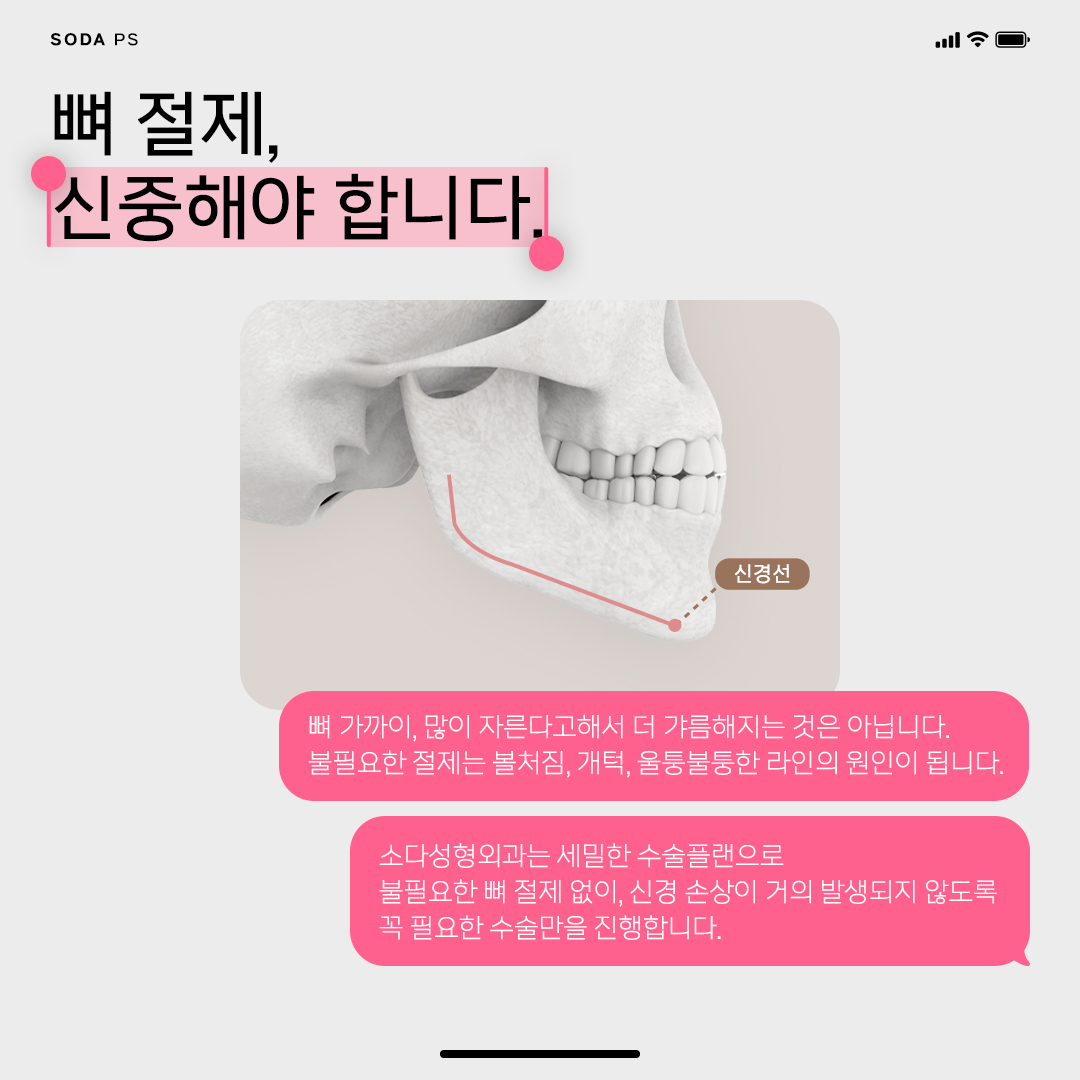
Third, pay attention to how clearly the surgical plan is explained. The surgeon should be able to describe how the jaw angle and chin will be balanced from both front and side views, how much bone is expected to be removed, and how the chin will be moved or reshaped. If explanations remain vague or focus only on simple slogans, you may want to consult elsewhere.
Fourth, confirm the presence of an anesthesiology specialist dedicated to anesthesia management. For bone surgery under general anesthesia, continuous monitoring and rapid response to any changes are important.
Why a contouring-focused system and anesthesiology specialist matter
SODA Plastic Surgery, located on Gangnam-daero in Seocho-gu, Seoul, is structured around facial contouring. The clinic focuses on square jaw surgery, V-line surgery, chin surgery, and related revision procedures. This concentration allows the team to build experience in complex lower-face design rather than spreading attention over many unrelated treatments.
The clinic states that this background informs its approach to both primary and revision jaw and chin contouring, including cases that involve removal of prior hardware or re-contouring previously operated bone. Prospective patients are encouraged to request specific credentials or references during consultation.
To confirm safety arrangements, patients should ask during consultation about the anesthesiology specialist’s qualifications and the specific role they will play in monitoring vital signs, airway management, and overall intraoperative stability.
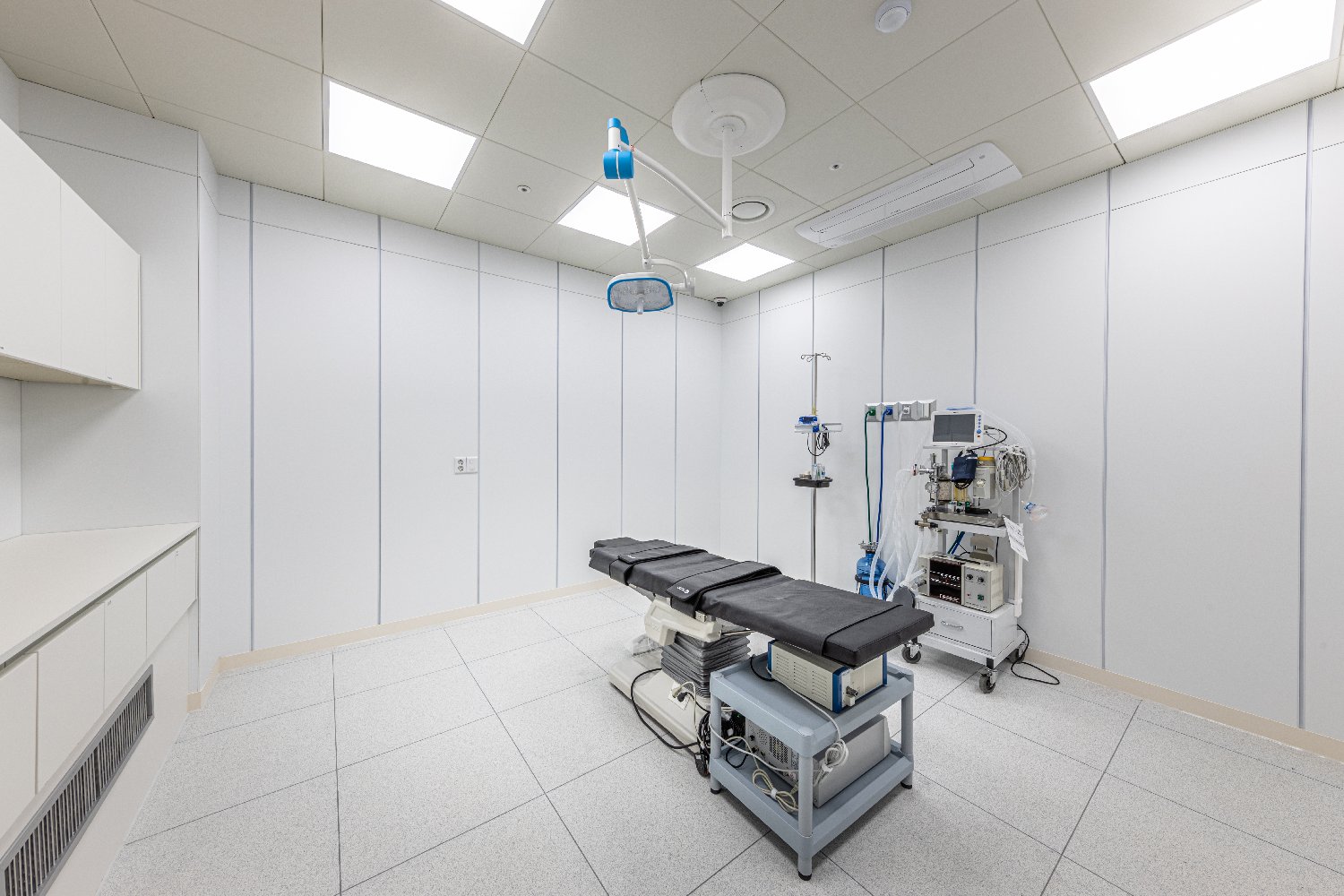
The clinic also indicates that standard operating-room emergency preparedness measures are in place. Because square jaw and chin surgery is performed under general anesthesia and involves bone work, patients are advised to request detailed information about on-site emergency protocols, medications, and equipment during their consultation.

Imaging and revision cases at a contouring clinic
A clinic that regularly handles revision facial contouring often presents before-and-after CT images for various cases, including hardware removal and re-contouring. At SODA Plastic Surgery, such imaging is used to show not only surface changes but also how the bone itself has been reshaped.
For patients who have had previous jaw surgery elsewhere, CT imaging can reveal remaining plates and screws, uneven bone edges, or areas where too much or too little bone was removed. This information is used to design a revision plan that aims to improve symmetry and balance as much as possible within safe limits.
Even for first-time patients, access to CT-based planning and follow-up imaging can offer reassurance that the surgery is guided by measurable data. It also allows the surgeon to monitor bone healing and confirm that fixation remains stable.
Online consultation and pre-visit preparation for overseas patients
If you are considering traveling to Seoul for square jaw and chin surgery, an online consultation is usually the first step. Most clinics that work with international patients will ask you to send clear front, side, and three-quarter photos, as well as information about your medical history and any previous facial procedures.
During online consultation, you can discuss your main concerns, such as a receding chin, wide jaw, or dissatisfaction after previous contouring. The clinic may provide a preliminary opinion on whether you are more likely to need square jaw surgery, chin surgery, or a combination. However, final decisions are usually made after in-person examination and CT imaging.
Before your visit, it is useful to prepare a list of questions. For example, you may want to ask how the clinic will balance your jaw angle and chin, what type of anesthesia will be used, how long you should stay in Korea after surgery, and what kind of follow-up is available once you return home.
Expected Korea visit timeline for jaw and chin surgery
For international patients, a typical schedule might look like this, although details vary by clinic and individual case.
On day one or two, you arrive in Seoul and visit the clinic for in-person consultation, physical examination, photographs, and CT imaging. The surgeon reviews the images with you, explains the surgical plan, and answers your questions.
Surgery is often scheduled within a few days after imaging, depending on your travel dates and the clinic’s availability. After surgery, you may stay in the clinic for observation for several hours or overnight. Many patients remain in Korea for at least 10 to 14 days after surgery to allow for early follow-up visits, suture checks if needed, and monitoring of swelling and healing.
During this period, you will receive instructions on medication, oral hygiene, diet, and activity level. The clinic may provide written guidelines in English and, in some cases, assistance with arranging transportation or translation.
Aftercare and long-distance follow-up
Once you return to your home country, follow-up is usually done through online communication. You may be asked to send periodic photos and updates about your symptoms. If CT or X-ray follow-up is needed, the clinic may advise you to obtain imaging locally and share the results.
It is important to keep realistic expectations about the timeline of healing. While major swelling improves in the first month, the contour of the jaw and chin can continue to refine over six months to a year. Numbness and tightness also tend to improve gradually.

If any unusual symptoms occur, such as persistent severe pain, fever, or sudden changes in sensation or bite, you should contact the clinic promptly and, if necessary, seek local medical attention.
Frequently asked questions
Can square jaw surgery alone fix a receding chin?
Square jaw surgery alone mainly reduces width and reshapes the angle of the jaw. It can make the lower face look slimmer from the front, but it does not significantly bring the chin forward. If your main concern is a receding chin or flat side profile, chin surgery such as sliding genioplasty is often considered in addition to jaw angle contouring.
How long does swelling last after square jaw and chin surgery?
Swelling is usually most noticeable during the first week and then gradually decreases over the next two to four weeks. Many patients feel comfortable returning to daily activities after about two weeks, although some residual swelling can remain. The contour continues to refine for several months, and subtle changes may be seen up to a year after surgery.
Is numbness after jaw surgery permanent?
Temporary numbness or tingling around the lower lip and chin is common after square jaw and chin surgery because the nerves are close to the surgical area. In many cases, sensation improves over weeks to months as the nerves recover. However, there is a small risk of longer-lasting or permanent changes in sensation. This risk should be discussed in detail with your surgeon before deciding on surgery.
When can I return to work or school?
The timing depends on the type of work and your personal comfort with visible swelling. For office or school environments, many patients return in about two weeks, when the most obvious swelling has improved. Jobs that require heavy physical activity or contact sports usually require a longer break, often four to six weeks or more, according to the surgeon’s guidance.
How is safety managed during general anesthesia for jaw surgery?
Safety during general anesthesia involves careful preoperative assessment, continuous monitoring during surgery, and appropriate emergency preparedness. At clinics such as SODA Plastic Surgery, an anesthesiology and pain medicine specialist is described as managing anesthesia, and these measures are intended to reduce risks and allow rapid response if unexpected situations occur.

Soft call to action for online consultation
If you are considering square jaw and chin surgery in Seoul and are unsure whether you may need jaw contouring, chin surgery, or both, an online consultation can help clarify your options. By sharing your photos and concerns, you can receive a preliminary assessment and learn how a contouring-focused clinic on Gangnam-daero, such as SODA Plastic Surgery, approaches diagnosis, planning, and safety.
Any decision about surgery should be made only after a thorough in-person consultation and imaging, but taking the first step with an online inquiry can give you a clearer understanding of what may be possible for your lower face and chin.






댓글
댓글 쓰기